Denmark approves new grid connection prioritization model

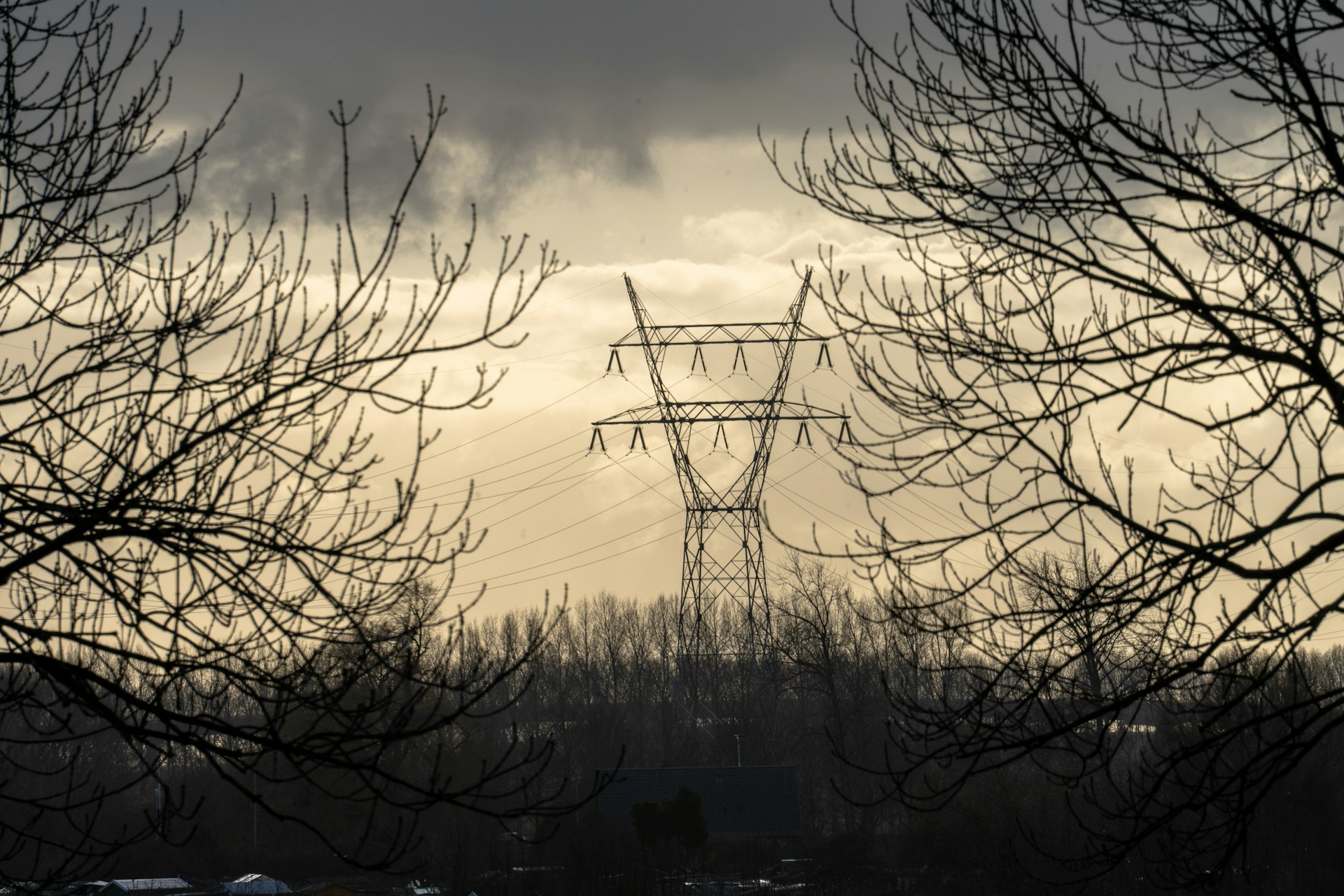
The Danish parliament has adopted an emergency plan for connections to its electricity grid.
According to details published by Denmark’s Ministry of Climate, Energy and Utilities, the emergency plan replaces a current first-come, first-served principle for grid connections with a new model that gives state-owned transmission system operator Energinet and Denmark’s other grid companies opportunity to prioritize who gets access to the limited space in the electricity grid.
The new model sets out four priority categories for grid connections, with connections for critical societal functions, new households and general electricity consumption setting in the highest priority category.
The second category covers electrification of transport, heating and industry as well as projects within renewable energy, carbon capture and storage and hydrogen, while energy storage will be placed in the third category.
The final, least prioritsed category, is reserved for certain large energy consumers. This is where data centers are expected to fall, unless the data centre is linked to a critical societal function.
The emergency plan also stipulates that projects which place less strain on the grid can be prioritised ahead of other projects within the same category. Ways a project can alleviate grid pressure include shifting consumption times to match available capacity.
Energinet and Denmark’s other local grid companies will have authority to reject applications from projects in categories three and four if sufficient capacity is not expected within the foreseeable future and a connection would displace projects with higher priority or place an inappropriate burden on the grid. Denmark’s Electricity Supply Authority will act as the appeals body.
The emergency plan was backed by a broad majority of Denmark’s parliamentary parties, with politicians agreeing the limited capacity in Denmark’s grid should be utilised in the best possible way for wider society.
The plan is now set to enter into force on October 12.
Denmark’s Minister of Climate, Energy and Utilities, Samira Nawa, commented that the situation in the country’s electricity grid is “deeply serious” with grid connection space becoming a scarce resource that can slow down both electrification and the green transition
“With the law, we take responsibility for using the space we have in the electricity grid more wisely and prioritising what is most important for our country,” Nawa said.
Mathilde Hjort Bressum, climate, energy and supply spokesperson for the Liberal Party, said it is crucial that the prioritization model “is used as a management tool in an acute situation and does not become the new normal.”
“Therefore, negotiations should be called as soon as possible on an expansion of the Danish transmission grid and a comprehensive plan for Danish energy infrastructure, so that we can set the pace for the electrification of Denmark,” Bressum added.
Finland is currently considering a similar priority system for future grid connections, also featuring four tiers, with a consultation open for feedback until October 9.
This content is protected by copyright and may not be reused. If you want to cooperate with us and would like to reuse some of our content, please contact: [email protected].

Please login to comment