When solar is sold by AI agents

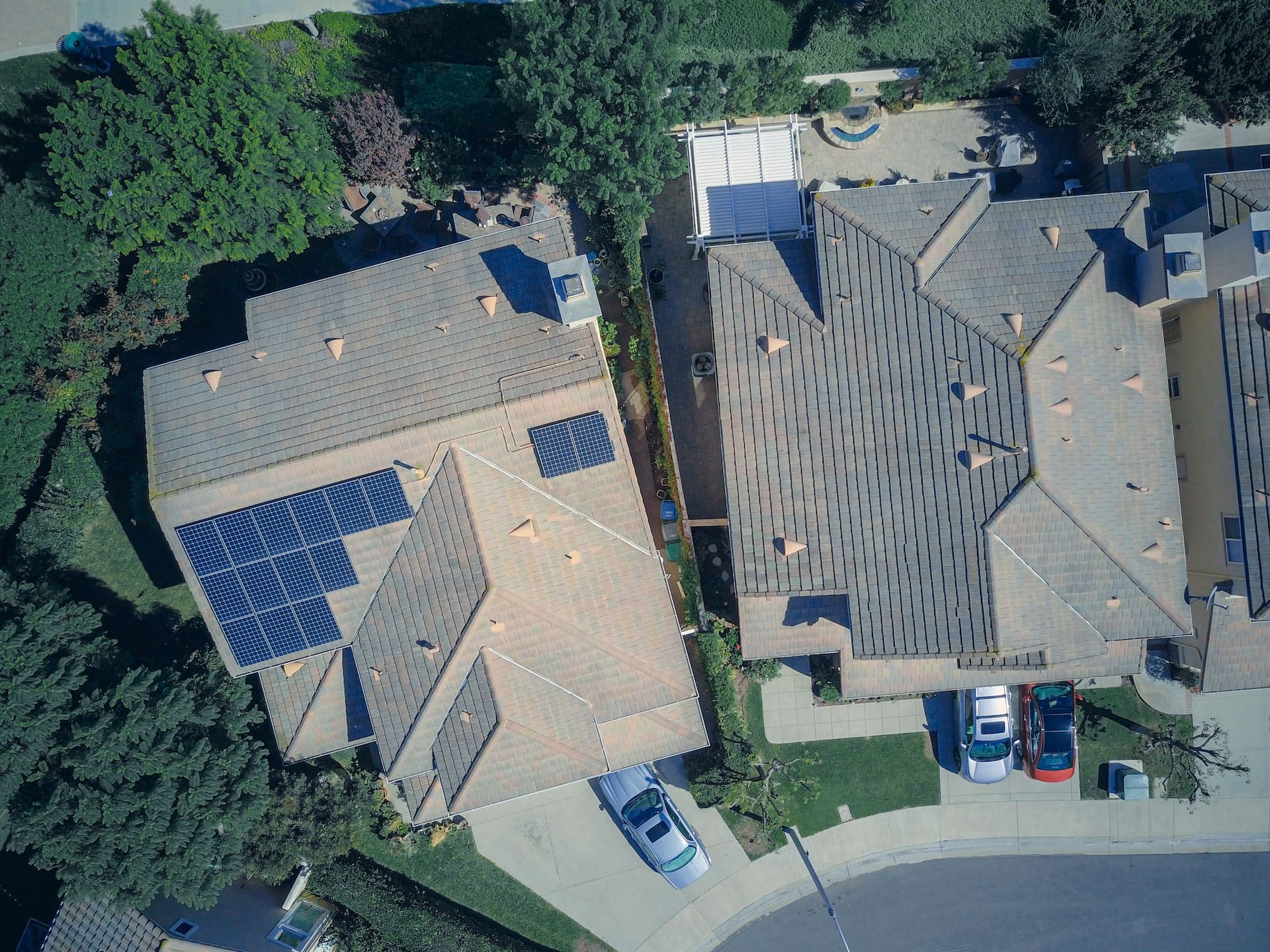
Residential solar installers face a challenging reality: with the sunset of the Section 25D tax credit at the end of 2025, margins on cash sales are smaller than ever, and working with third-party ownership (TPO) financing providers adds complexity to all facets of the business, including sales, design and installation.
The additional work of complying with TPO record keeping processes also involves other businesses in the solar industry, like module manufacturers and distributors. Maintaining compliance with domestic content requirements and restrictions on doing business with foreign entities of concern require precise levels of materials management and inventory control that are well suited to an automated system.
A new startup called Wave Sales is now offering an agentic AI platform that aims to address those issues and more: streamlining and adding value to the residential solar sales process, providing integrations with other popular platforms and planned future interfaces with distribution, finance, permitting and more.
Wave Sales is the creation of co-founders Colin Walsh and Vu Nguyen. Walsh brings years of experience in residential solar lending and lead generation through his time at Wave Solar, SolarReviews and Mosaic. Nguyen brings over a decade of experience building AI agents at places like Google and Capital One.
Walsh also previously served as the chief revenue officer at Amara NZero, parent company of solar distributor Sungry Solar, whose CEO Neel Desai is on board with Wave Sales as an advisor and customer.
In addition to Sunrgy, the company’s early customers include solar and energy storage installers across the United States. While its platform is specially designed with the solar sector in mind, Wave Sales is also taking on other home services providers like HVAC and roofing companies as customers.
Winning over sales teams
While internal sales staff are often initially skeptical of automation because of fears the AI might take their leads (if not their jobs), Walsh says early adopters have quickly come to view the system as a collaborative teammate.
“You can build trust in a low-risk way with your team where they see it as an assistant, and actually, they start referring to it by name,” Walsh says. “’Sunny helped me close that deal’ or ‘Sunny booked an appointment on the calendar.’ The assistant becomes kind of like a teammate. You can throw more work at the teammate… it’s like a multiplier as you gain trust in the system”.
At one early customer, team members were wary of the AI until the agent began qualifying inbound web leads and live-transferring close-ready deals directly to representatives. Walsh notes that sales reps rapidly embrace the platform once they see it doing things like reviving stalled leads, recovering no-shows and capturing business during nights and weekends.
Another way of building a human-to-bot camaraderie with customers is through the customization options available. Clients can choose one of 3,000 available voices — or even use a custom voice print.
Desta Rudolph, CEO of early customer Independent Energy, says the custom voice print is an essential tool in Hawaii, where his company installs residential and commercial solar.
“This isn’t our first experience trying an AI agent,” Rudolph explained in a video interview with Wave Sales. “When people heard that voice that our [old] agent had, they hung up immediately. There’s a way that people speak in Hawaii. We have a very particular way of saying things in places: street names; city names. And to have that very, very local, genuine sounding voice…I was sold at the point that I heard its voice.”
The memory layer
Wave Sales says its technology addresses the limitations of standard AI bots by using a proprietary memory layer to maintain important information about customers. Walsh explained that most AI bots reset after a single interaction, losing context if a call drops or escalates.
Wave Sales attempts to solve this with a proprietary memory layer designed for agents that act autonomously over time. This means the agent remembers its previous interactions with a caller. In the case of a residential solar customer, the agent maintains details about the progress on their installation.
During the months-long process of a home solar installation, the agent that booked an initial appointment can later answer customer questions about permitting or post-installation warranties, using the full context of the project history without requiring the customer to repeat themselves. And if that customer calls back in the future to seek customer support, the agent will have the information it needs to ensure their needs are met quickly.
By supporting sales staff, capturing customers who call on off-hours and automating these “long-horizon” workflows, Wave Sales claims its platform can reduce soft costs by $1,000 to $2,000 per installation.
Solar-specific integrations
Walsh says Wave Sales is working on connections with industry-specific tools to help streamline operational workflows. The company recently signed a partnership with OpenSolar to explore integrations that allow agents to perform actions within users’ workspaces, such as looking up projects and accelerating the pre-appointment quoting process.
“We’re excited to partner with Wave Sales and introduce OpenSolar Pros to AI Agent services,” says Andrew McGuigan, general manager of the Americas at OpenSolar. “As installers look for new ways to improve efficiency and customer experience, AI services like these can help free up teams to focus on increasing sales and growing their business.”
Additionally, the company has held discussion with Google about using its Solar API to detect existing arrays from satellite imagery. The integration could provide installer teams with a way to target their response to inquiries toward offering service or repairs and selling add-ons like battery storage to customers with existing solar.
The agent-to-agent future
Looking ahead, Walsh predicts a shift in how homeowners procure these services, from manual web searches and phone calls toward tasks delegated to personal AI assistants. Wave Sales aims to be the booking gateway for this exchange.
“There’s inevitably going to be a world in the future where agents are booking home services appointments in addition to humans,” Walsh says. He imagines a future in which a human might start a transaction by saying something to their own AI agent like “Hey, I need to install solar in my house, and I want you to find me the best-rated solar installer that’s near me.”
In that situation, the Wave Sales agent would be the intermediary between the homeowner’s agent and the installer (or installers), managing rules about calendar availability, service performance and more to give validated results back to the agent that originates the request.
“That’s the future of this tool,” Walsh said. “It’ll be able to communicate with both humans and personal AI assistants, [connecting] agents that need tasks done with all the folks in the clean energy industry. We’re aiming to be the agent-to-agent layer within the clean energy industry.”
This content is protected by copyright and may not be reused. If you want to cooperate with us and would like to reuse some of our content, please contact: [email protected].

Please login to comment