Markets & Policy

In highly regulated energy markets, policy decisions can make or break new technologies, strategies, and even entire industries.
Support from policymakers, in the form of procurement exercises, priority dispatch, tax incentives and a wealth of other instruments, has been vital to the global solar industry’s success, and new mechanisms to support growth in energy storage are an increasingly important part of the story today.
Advertisement
Latest News

Polysilicon prices in a fragile balance
China’s photovoltaic market has shown tentative signs of stabilization over the past month, following an extended period of sharp price declines across the supply chain. The China Mono Premium – OPIS’ assessment for mono-grade polysilicon used in n-type ingot production – remained unchanged for a fourth consecutive week at CNY 34.071 ($5)/kg, or CNY 0.072/W. Before this stabilization, the benchmark had declined continuously for several weeks beginning in late February, falling by more than 33% from end-February levels.
5 hours ago
Advertisement

Revenue stacking, trust, and performance: What it takes to win Europe’s C&I market
Europe’s C&I solar and storage market is entering a strong growth phase, supported by rising demand, stable installer capacity, and accelerating adoption of integrated energy solutions like storage, EMS, and EV charging. Success is increasingly driven not by price alone, but by trust, innovation, ESG performance, and long-term bankability across manufacturers and solution providers.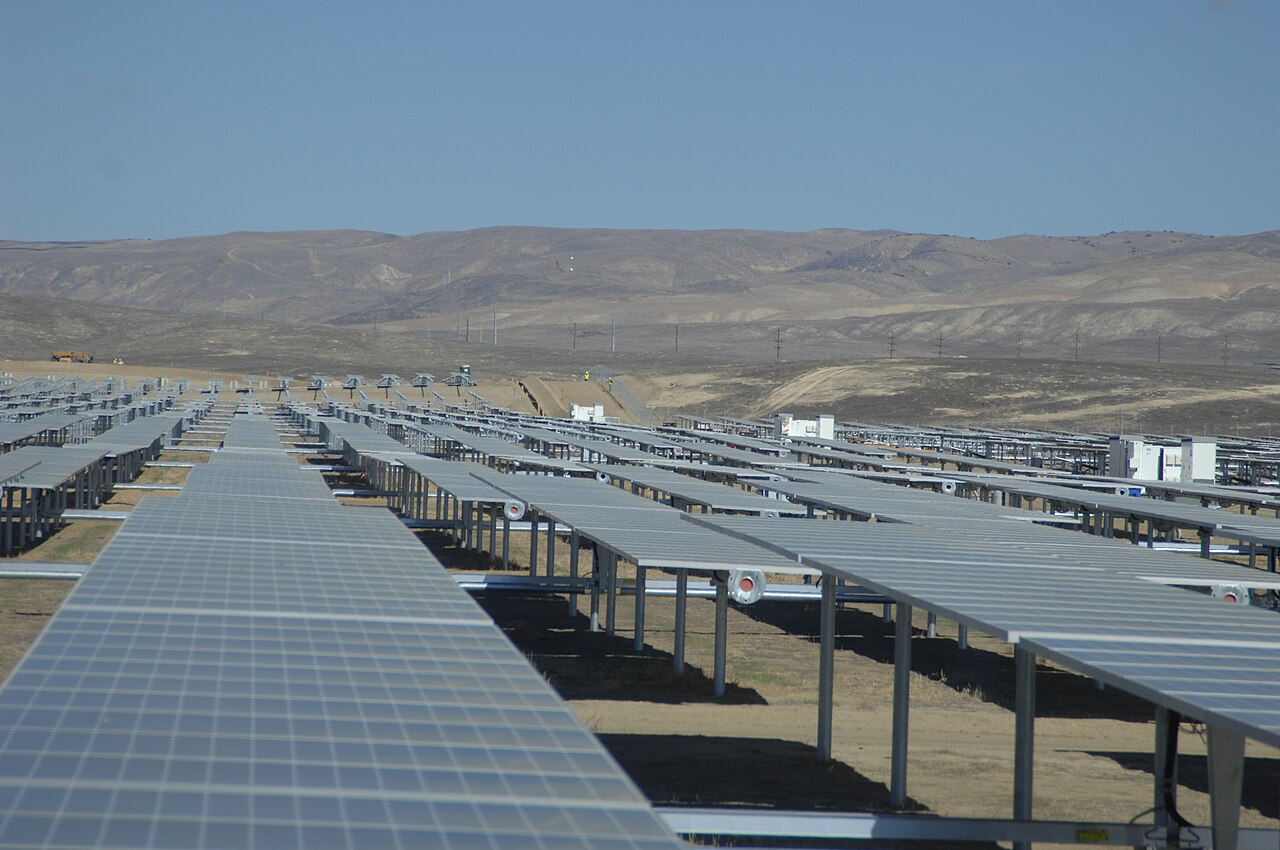
Utility-scale solar uses only 0.07% of U.S. prime farmland, says SEIA
Released ahead of the U.S. Senate’s consideration of the 2026 farm bill, data shows that land used for utility-scale solar does not exceed 0.5% of prime farmland in any state, and is dwarfed by land used for golf courses and suburban development.
The smarter E Europe responds with special exhibition to policy headwinds, energy security debate
The special exhibition “Renewables 24/7” addresses one of the most challenging questions of the energy transition: What happens when the sun isn’t shining and the wind isn’t blowing? Through 25 real-world examples and a transformation study commissioned from Fraunhofer ISE, the organizers—together with industry associations and partners—aim to demonstrate how a renewable energy system can nonetheless operate around the clock. The special exhibition opens next Tuesday at The smarter E Europe in Munich.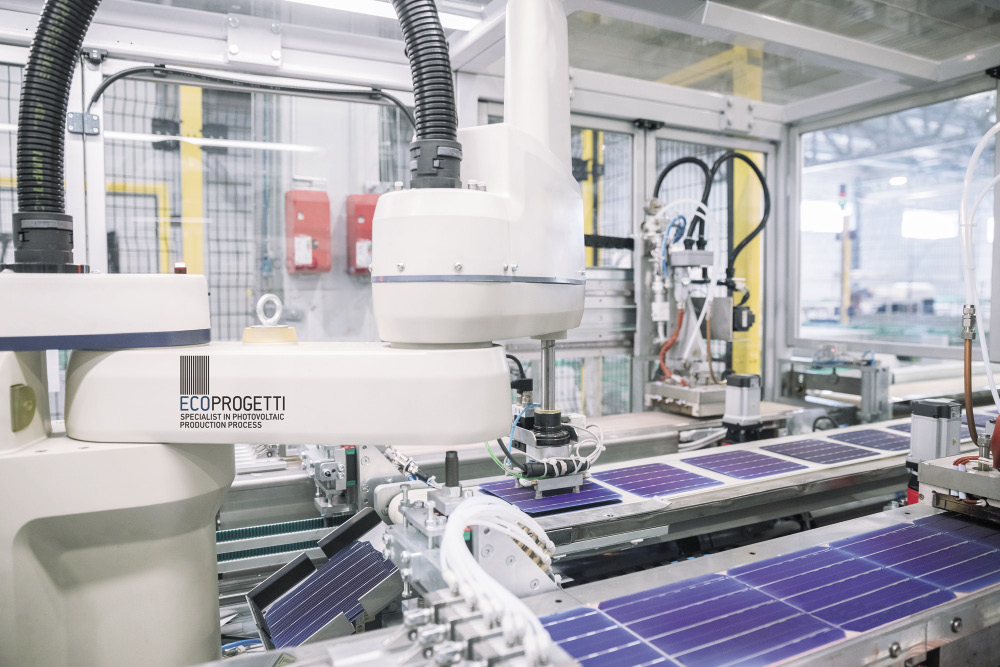
SNEC 2026 ESS readout: Storage moves from add-on to grid asset
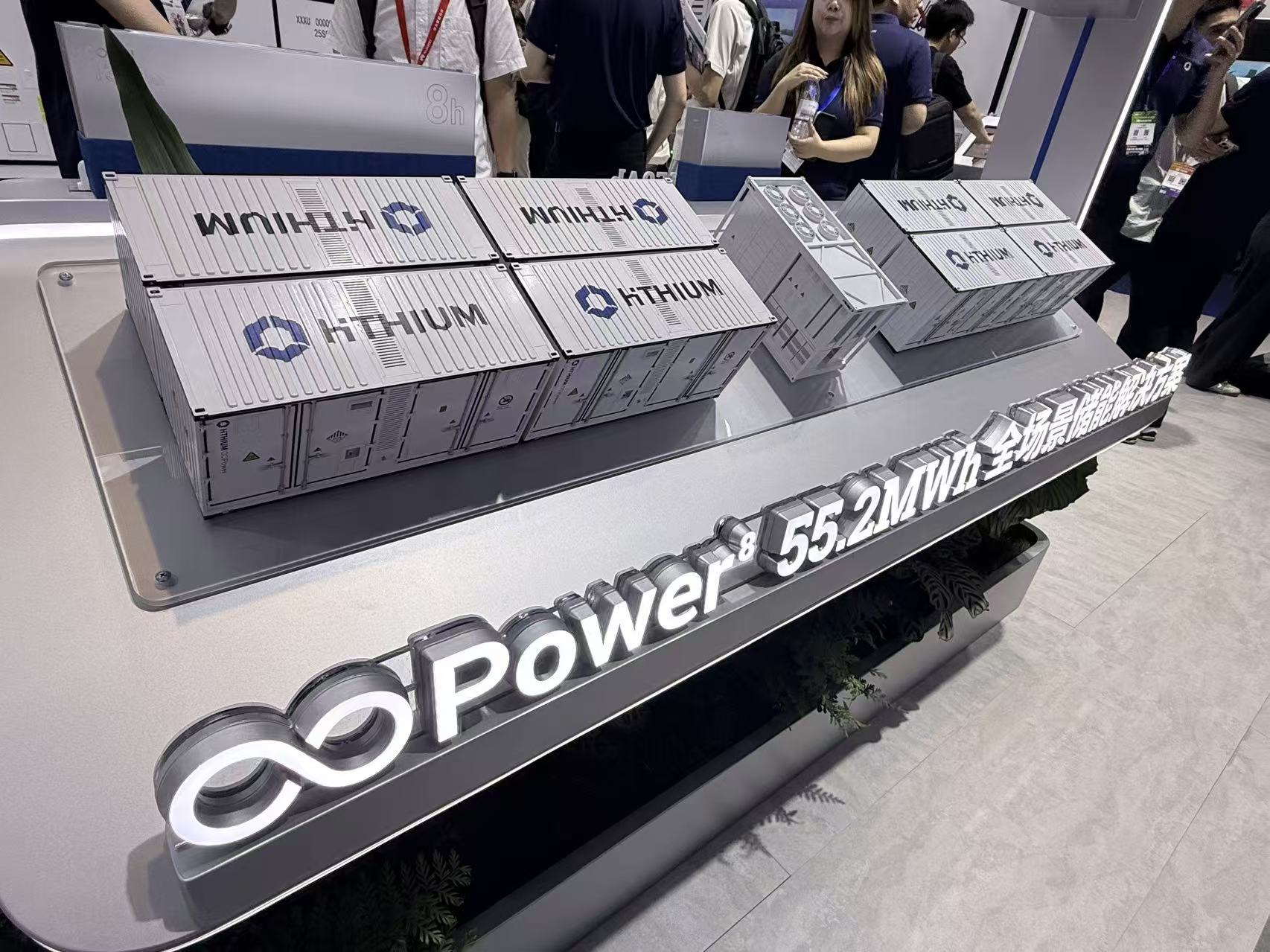
At SNEC 2026, energy storage shifted from a PV add-on to core grid infrastructure, driven by long-duration systems, grid-forming technology, sodium-ion scaling, AI data center demand, and rapid vertical integration across the value chain. The industry is moving toward system-level competition where duration, intelligence, and full-stack capability matter more than standalone battery performance.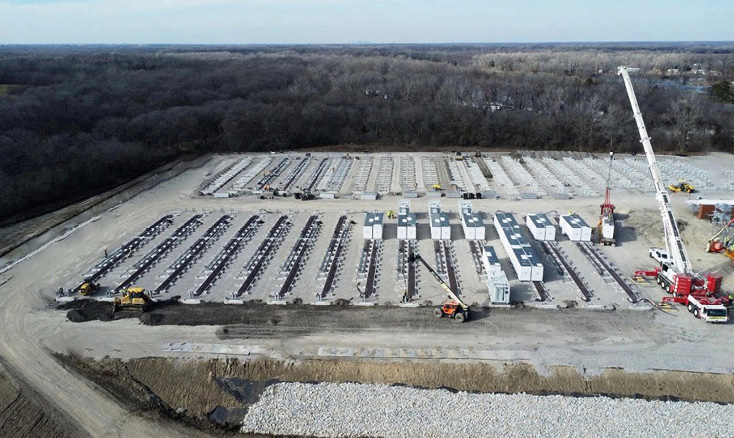
BESS as a ‘Swiss Army knife’ for data centers
Artificial intelligence is changing how data centers consume electricity. New workloads are introducing levels of variability that conventional power systems were not designed to handle, creating operational challenges both inside the facility and across the wider grid. Battery energy storage systems (BESS) are proving an essential tool to manage these rapid demand fluctuations, as S&P Global analyst Henrique Ribeiro explains.
Advertisement
Advertisement
All Markets & Policy news
Advertisement

Advertisement
Advertisement
Advertisement