Markets & Policy

In highly regulated energy markets, policy decisions can make or break new technologies, strategies, and even entire industries.
Support from policymakers, in the form of procurement exercises, priority dispatch, tax incentives and a wealth of other instruments, has been vital to the global solar industry’s success, and new mechanisms to support growth in energy storage are an increasingly important part of the story today.
Advertisement
Latest News

Advertisement


Europe’s second energy crisis largely skipped the solar hours
In the 2026 crisis window, night-time day-ahead prices in Spain, Germany and Greece rose by €36 ($40.0) to €51/MWh against the same dates in 2025, while midday prices moved by between −€4 and +€14/MWh. Solar earned 43% to 50% of the baseload price over the first 227 days, against 85% to 91% after the 2022 shock, and the widening gap between noon and night is where the case for storage now sits.
Modi Energy launches zero-upfront solar-plus-storage offer in Denmark
Emaldo-backed Modi Energy says it will install, own, and operate rooftop solar and home batteries at no upfront cost to Danish households, funding a guaranteed 20% bill reduction through energy optimization and participation in power and flexibility markets.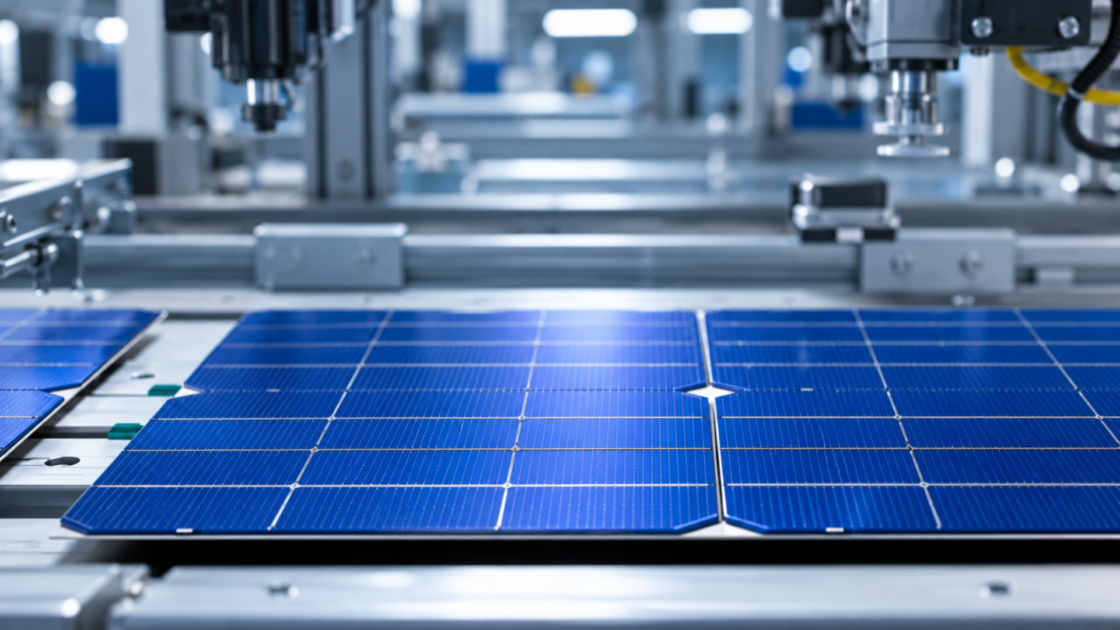
Oswal Pumps to set up 1.2 GW TOPCon solar cell factory in India
Oswal Pumps plans to invest $48 million in a TOPCon solar cell manufacturing facility in Karnal, in the Indian state of Haryana. Commercial production is expected to begin by April 2028, with the entire output earmarked for captive solar module manufacturing.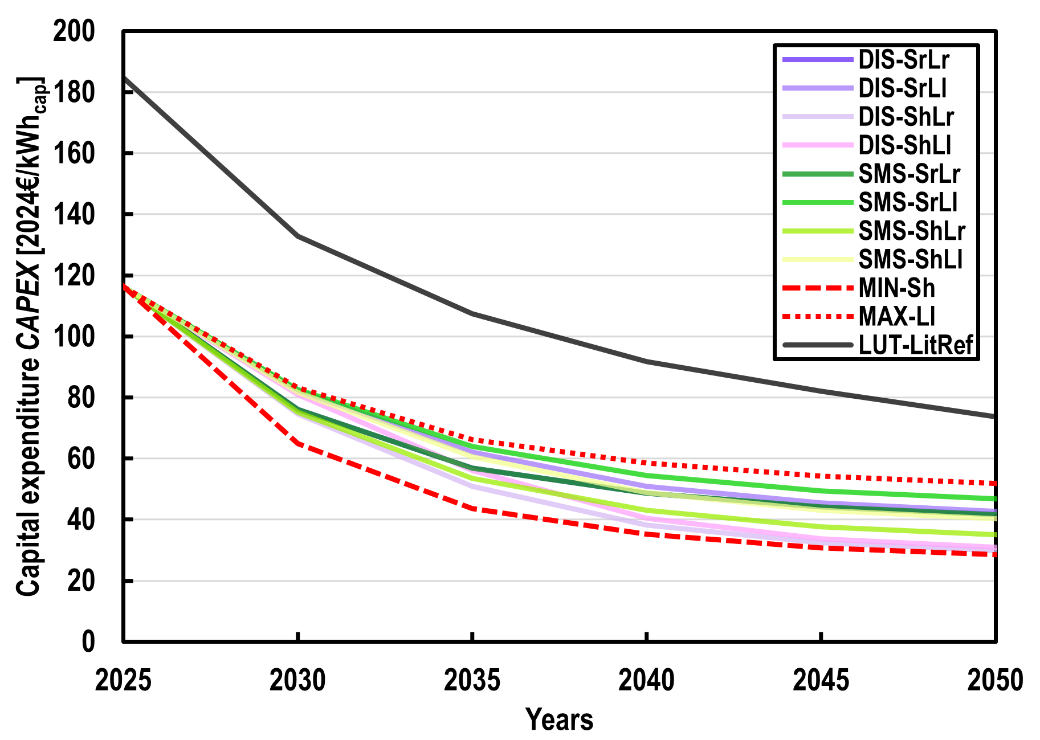
Stationary, moving, flexible: Batteries are the low-cost backbone of the future energy system
While it is known that batteries are indispensable for the future energy system dominated by solar PV, they are still seen as a bottleneck technology mostly related to raw material supply. Sodium-ion batteries can resolve this issue. Batteries are more than a stationary storage technology, also with bright prospects for vehicle-to-grid (V2G) and smart charging of electric vehicles within a broad flexibility technology portfolio.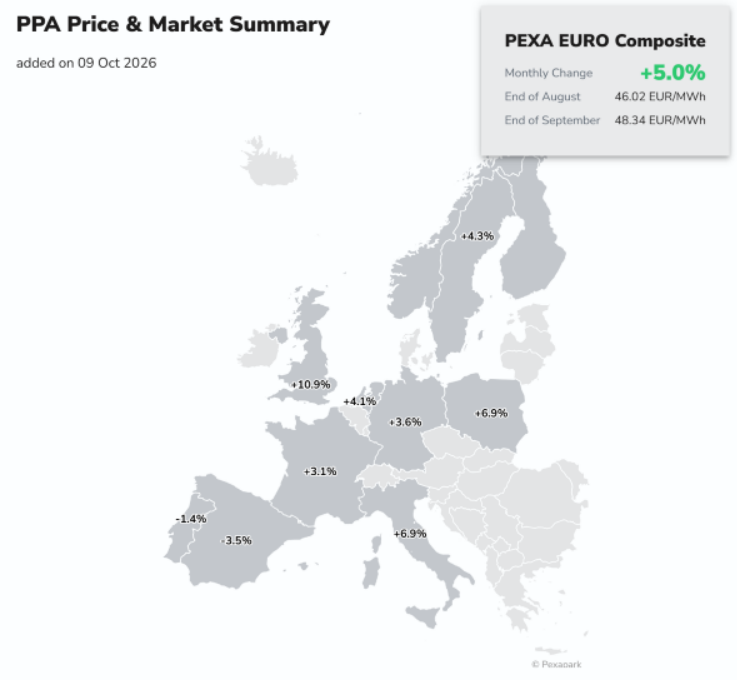
European PPA prices rise 5% in September
European PPA prices rose 5% in September, driven by higher forward electricity and gas prices, while Spain and Portugal recorded declines. Contracting activity rebounded, with 25 deals totaling 1.2 GW, alongside growing interest in hybrid PPAs and battery storage agreements.
Advertisement
Advertisement
All Markets & Policy news
Advertisement

Italy FIT farce could spill into next week
Speaking to industry representatives at Italys Solar Expo in Verona, confidence seems to be battered. While analysts had reported that the fourth Conto Energia would be signed today, media reports state that it will only be presented to the cabinet tomorrow. It is now believed a final decision will be reached within the next week.
Weak demand and sales decline characterize Sunways first quarter
Looking at its preliminary figures, Sunways AG experienced a significant sales decline of 22.1 million in the first quarter of 2011, in comparison to the first quarter of 2010. The reason cited was weaker than expected demand, which resulted in high inventory levels.
Advertisement
EPIA: Bright future for PV, but global rebalancing of growth expected
A new report has forecast a bright future for photovoltaics, as long as government policy remains advantageous for the industry. Meanwhile, 100 gigawatts (GW) of installed capacity could be reached by 2013, but Europes current foothold is expected to slip.
Italy: Signing of new Conto Energia delayed by bickering
Italys fourth Conto Energia should be done and dusted. However, testing the photovoltaic industrys already ragged nerves, it has emerged that bickering between Ministers has delayed the signing of the new decree. The final outcome is now expected on Wednesday.
PV inverter market strong, but new challenges are emerging
The photovoltaic inverter market grew by 140 percent in 2010: Germany, Italy, the Czech Republic and France were cited as key markets. Meanwhile, for the first time, the top ten inverter suppliers were European. However, this foothold is not expected to last, as the market focus shifts.
Advertisement
Advertisement