Research & Development

Solar R&D is focused on improving efficiency, reducing production costs, and extending system longevity. Key areas include tandem and perovskite cell development, advanced materials for encapsulation and contacts, and new concepts in system integration.
Simulation tools, AI-driven design, and accelerated testing methods are expanding research capabilities. Sustainability and circularity targets are increasingly embedded in innovation strategies.
Advertisement
Latest News
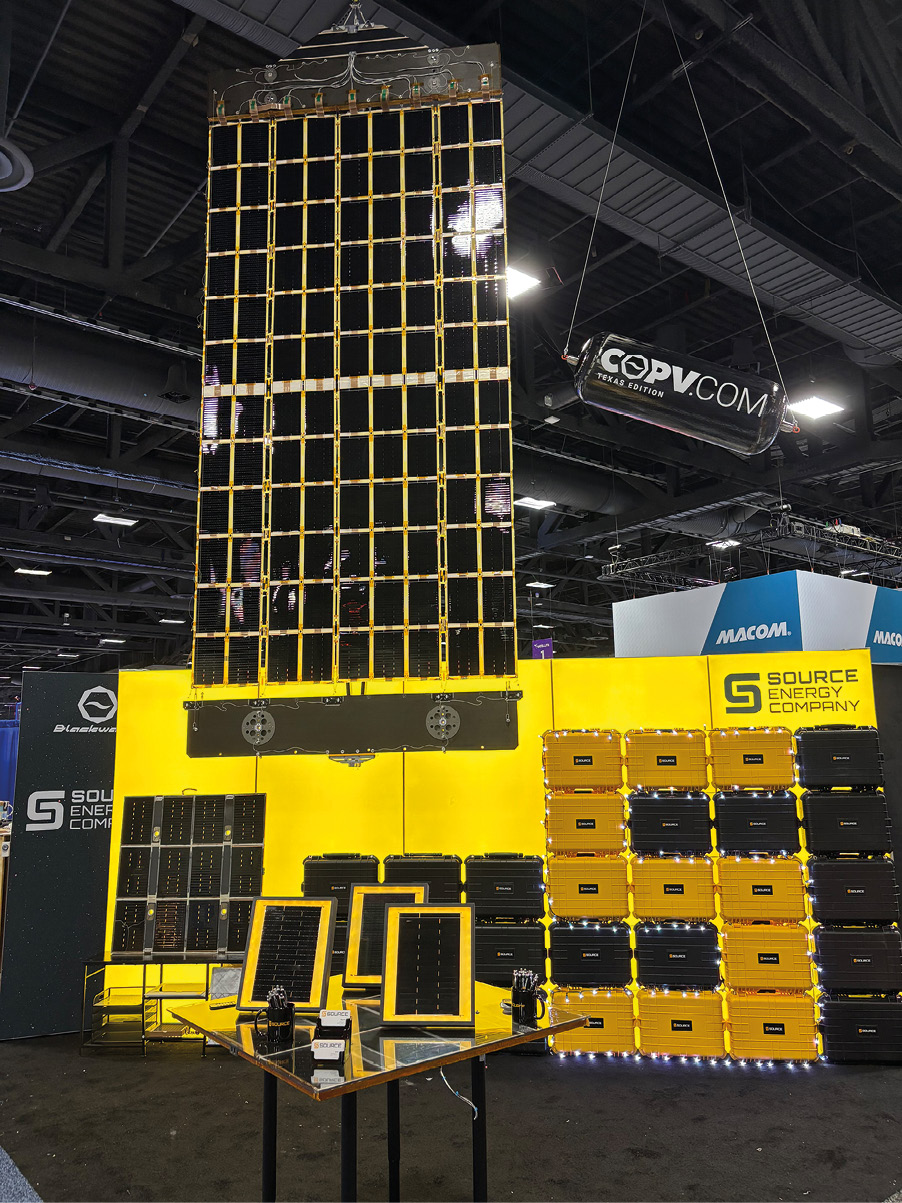
Spacebound silicon
Solar has a long history in powering satellites and space exploration, and high-powered devices based on multijunction PV cells made from “III-V” materials such as gallium arsenide or indium gallium phosphide have supplied this niche market as far back as the 1960s. But those devices are made with rare materials and complex processing, limited to small batches produced at high cost.
Oct 06, 2026
Advertisement
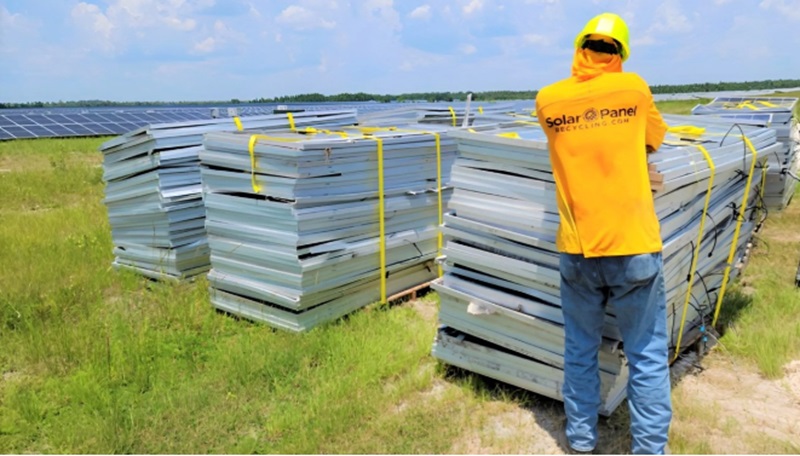
Acid-free molten salt method recovers 94% of silver from solar cells
Researchers in China have recovered 94.34% of the silver from crystalline silicon solar cells using an acid-free molten salt process that detaches the silver as metal, and have identified how to control silicon loss during treatment.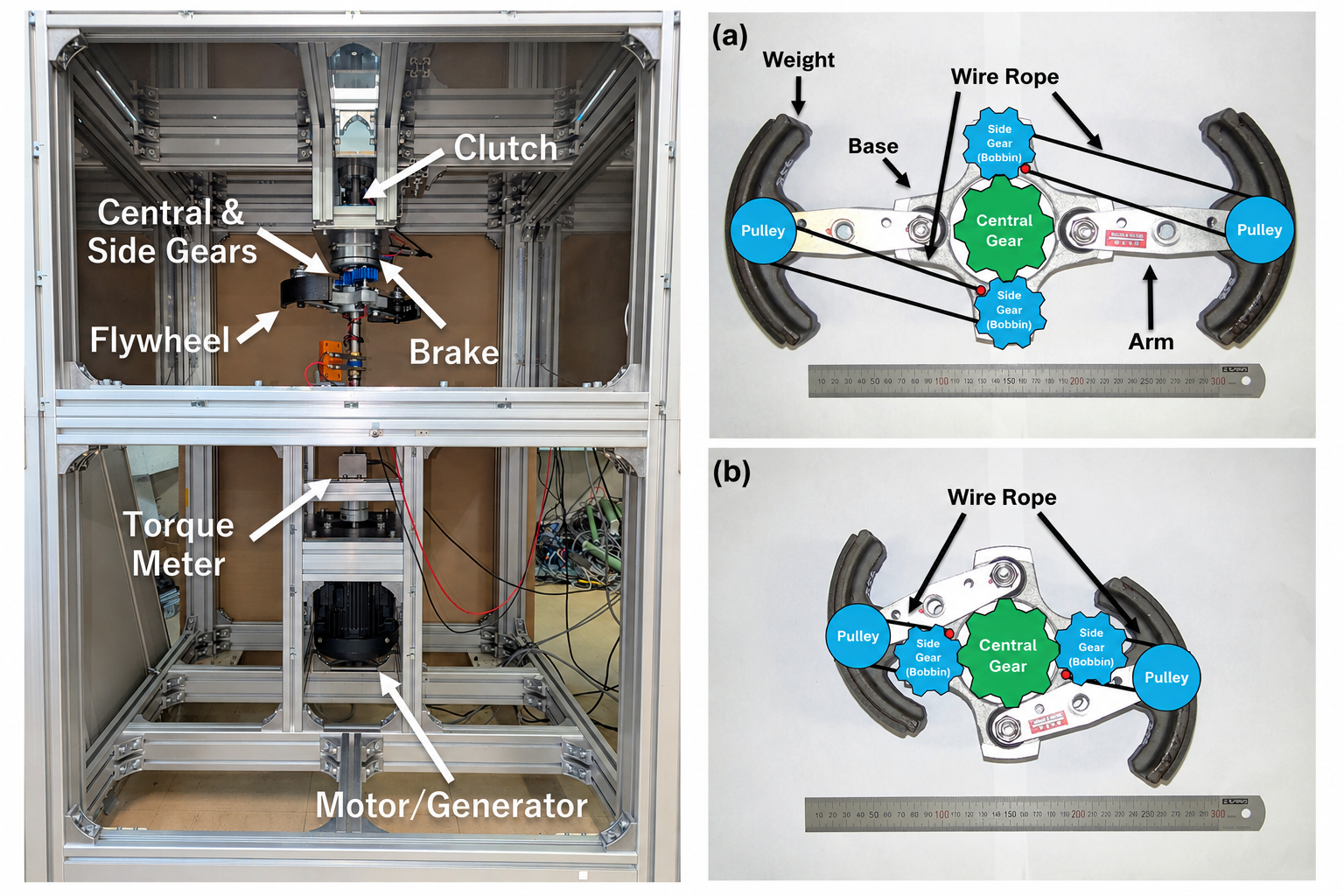
New flywheel design could eliminate power converter for grid connection
A research team has built a fixed-speed flywheel prototype that uses a wire-rope mechanism to move weights inward and outward during discharge and charge. The system briefly supplied power to the electrical supply, but steady-state losses prevented net electrical energy discharge over the complete operation.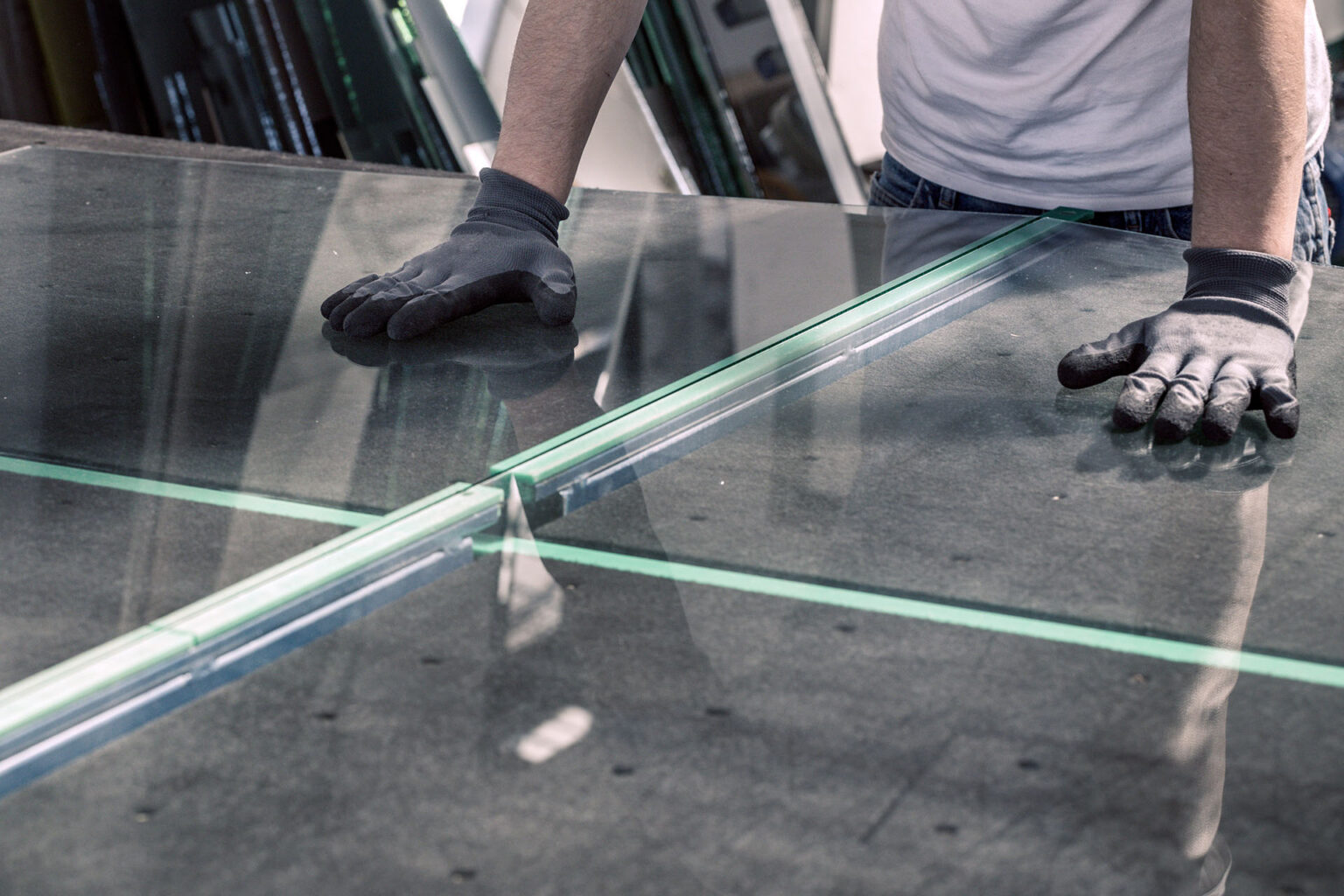
New coating technology could reduce glass usage in photovoltaic modules by up to 40%
German startup Exxosqel has developed a coating technology that strengthens solar glass by targeting microscopic surface cracks. Developed in collaboration with the Fraunhofer Institute for Silicate Research, the technology could reduce glass weight by up to 40% and overall PV module weight by approximately 30%.
Climate change could boost Swedish PV generation by 5%
Swedish researchers have assessed how climate change could affect PV generation across Sweden through 2100, accounting for temperature, snowfall and solar radiation. Their findings suggest that climate change could boost PV output by around 5%, although impacts vary by location and emissions scenario.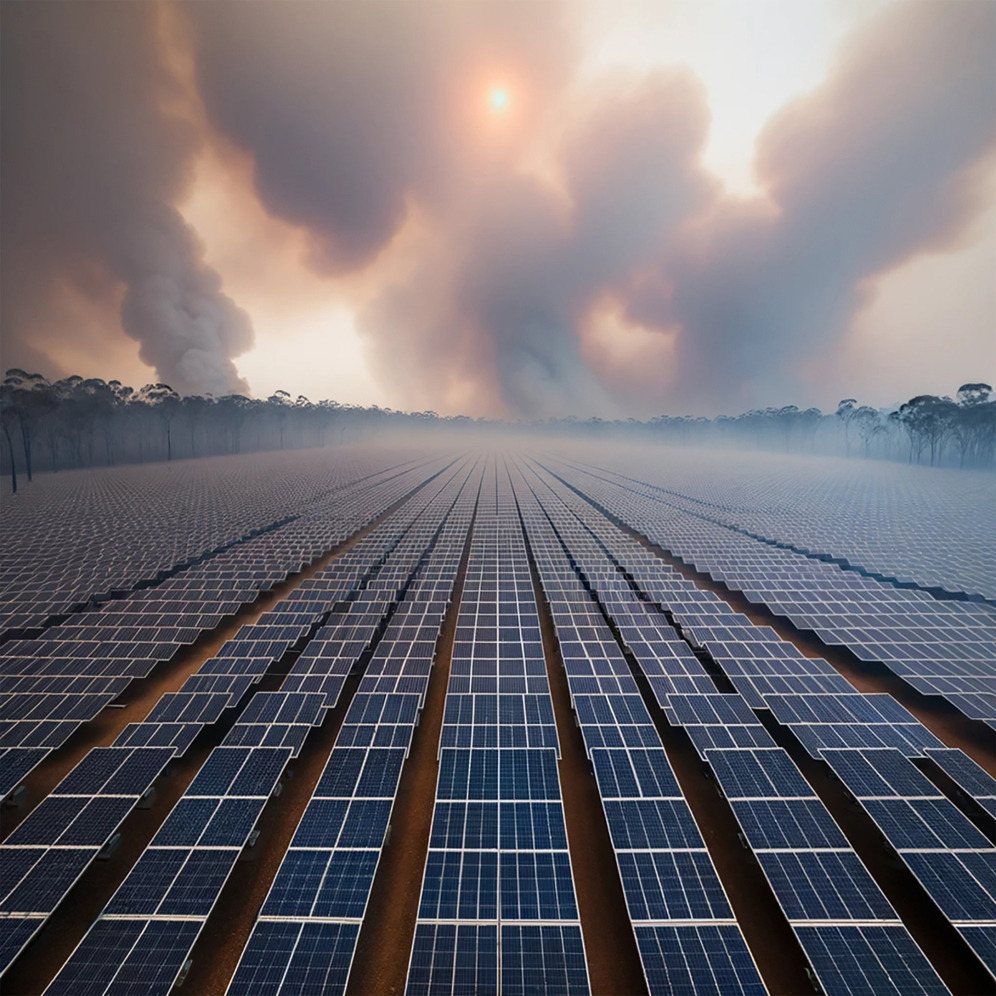
UNSW study finds bushfire risks to PV assets extend far beyond direct fire damage
Australian researchers found that bushfire smoke can reduce solar power generation by up to 70% near fires and by 30% to 40% in areas more than 150 km away. Elevated temperatures during bushfires also accelerate PV module degradation, highlighting the need for improved forecasting, maintenance, and risk management.
Advertisement
Advertisement
All Research & Development news

Strong quarter for solar inverter shipments, but slowdown expected
The third quarter of this year has seen solar inverter shipments grow almost 50 percent to reach 7.3 gigawatts (GWs), thus representing another record quarter (quarter two peaked at five GWs). It has been predicted, however, that the fourth quarter will see a slowdown.
Through the Suntech looking glass
What future PV trends does the worlds largest producer of crystalline silicon solar panels anticipate? And just what exactly is the companys almost 400-strong R&D team working on? During a two-day fact finding mission to China, pv magazine gained an insiders glimpse through Suntechs looking glass via its CEO and CTO: thin film and technological advancements, consolidation and silicon manufacturing were discussed.
Advertisement
Sarasin: PV profitability down, but resilience evident
Photovoltaics (PV) profitability has significantly decreased in the last few years, while rapid expansion has put pressure on feed-in tariffs (FITs). On a more positive note, however, the industry has displayed incredible resilience in the face of economic crisis.
Research: Chinese companies dominate solar manufacturing spending
Chinese companies are expected to lead the world in the expansion of solar cell and module manufacturing capacity in 2010, accounting for seven of the ten biggest gainers in the industry, according to market research firm iSuppli Corp.
Advertisement
Advertisement
Advertisement