Research & Development

Solar R&D is focused on improving efficiency, reducing production costs, and extending system longevity. Key areas include tandem and perovskite cell development, advanced materials for encapsulation and contacts, and new concepts in system integration.
Simulation tools, AI-driven design, and accelerated testing methods are expanding research capabilities. Sustainability and circularity targets are increasingly embedded in innovation strategies.
Advertisement
Latest News
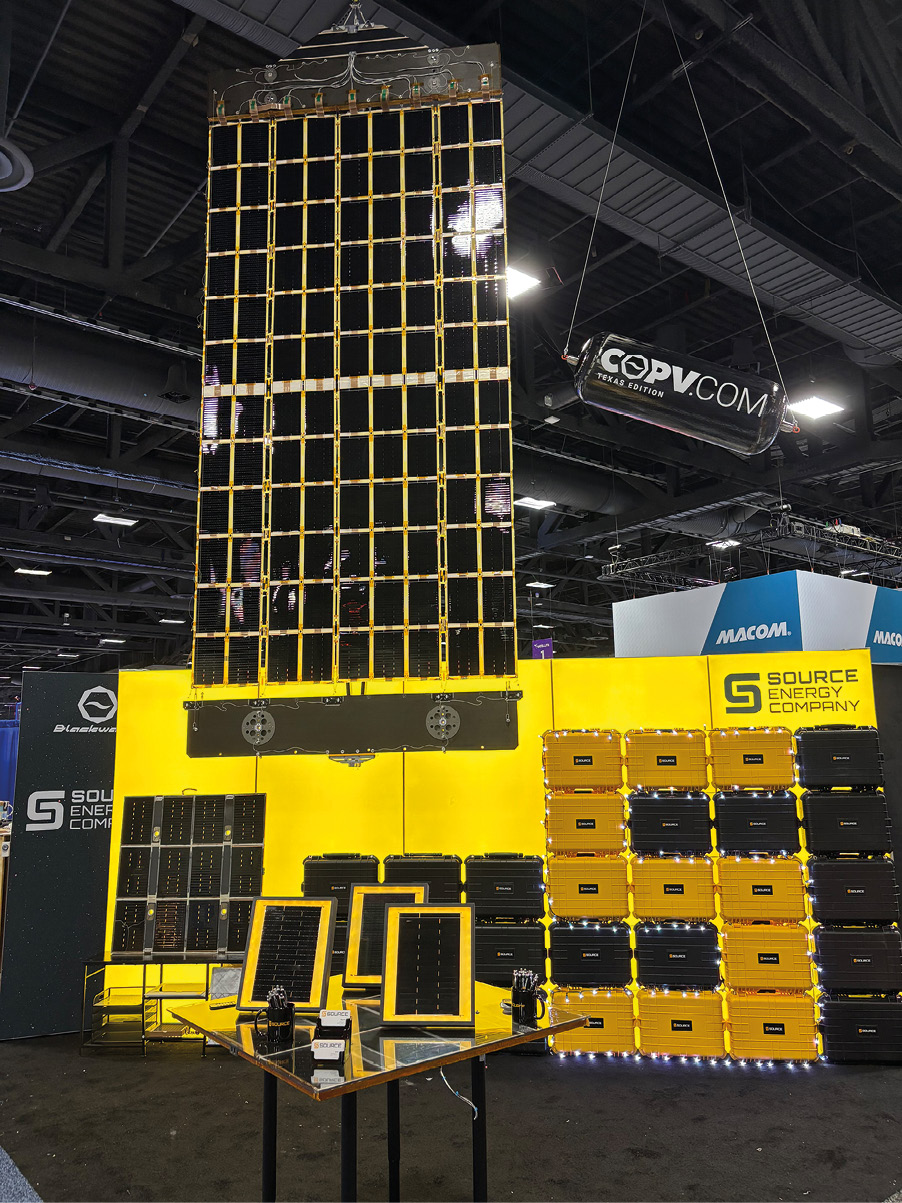
Spacebound silicon
Solar has a long history in powering satellites and space exploration, and high-powered devices based on multijunction PV cells made from “III-V” materials such as gallium arsenide or indium gallium phosphide have supplied this niche market as far back as the 1960s. But those devices are made with rare materials and complex processing, limited to small batches produced at high cost.
Oct 06, 2026
Advertisement

New multi-modeling approach can predict rice yield in agrivoltaics
Researchers in Japan have developed a modeling approach to optimize rice yields and electricity generation in agrivoltaic systems. Their findings show that adjusting solar panel tilt angles can improve crop productivity and help meet regulatory yield requirements, with limited economic losses.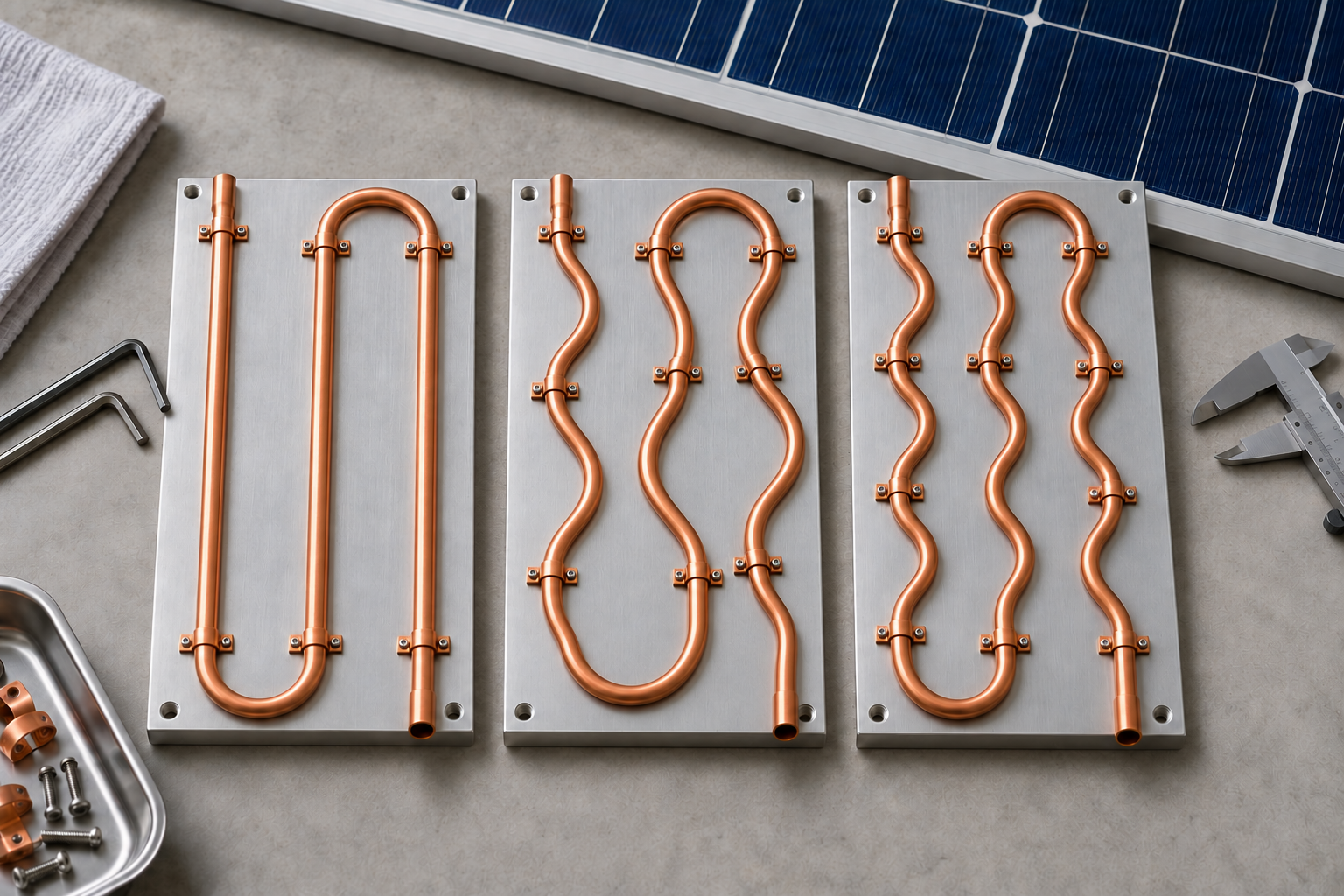
Researchers develop photovoltaic-thermal collector with wavy copper cooling tubes
Researchers in Iran have found that wavy copper cooling tubes can improve the electrical and thermal efficiency of photovoltaic-thermal collectors. The best-performing configuration achieved an electrical efficiency of 13.65% and a thermal efficiency of approximately 24%.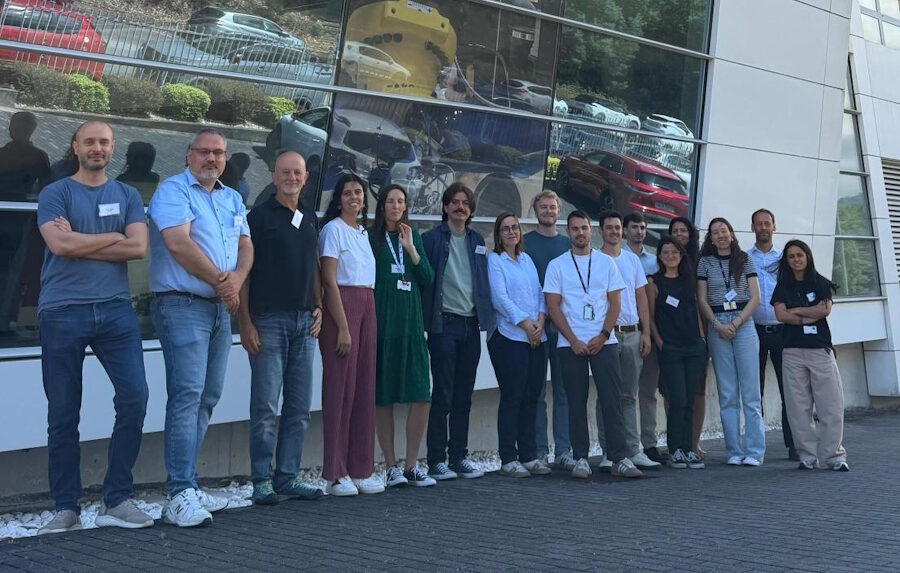
Glass-free European photovoltaic modules for vehicles, noise barriers and boats
A European research consortium is developing glass-free photovoltaic modules using fiber-reinforced polymer composites. The technology could enable lighter solar modules for curved and complex surfaces, including vehicles, ships and infrastructure. The project aims to demonstrate industrial feasibility by May 2029.
Hemispherical perovskite solar cell design reduces sensitivity to sunlight angle
Chinese researchers have designed a hemispherical perovskite solar cell with a textured surface to improve light absorption and reduce sensitivity to sunlight incidence angles. Simulations showed absorption exceeding 95% and an average maximum power output of 28.25 mW/cm² across incidence angles of 0° to 50°.
Panasonic begins sales of glass-based perovskite solar panels
Panasonic began commercial sales of its glass-based perovskite solar panels in September 2026, ahead of the planned launch of full-scale mass production in April 2029. The initial products are manufactured at the company’s development facility in Moriguchi, Osaka Prefecture.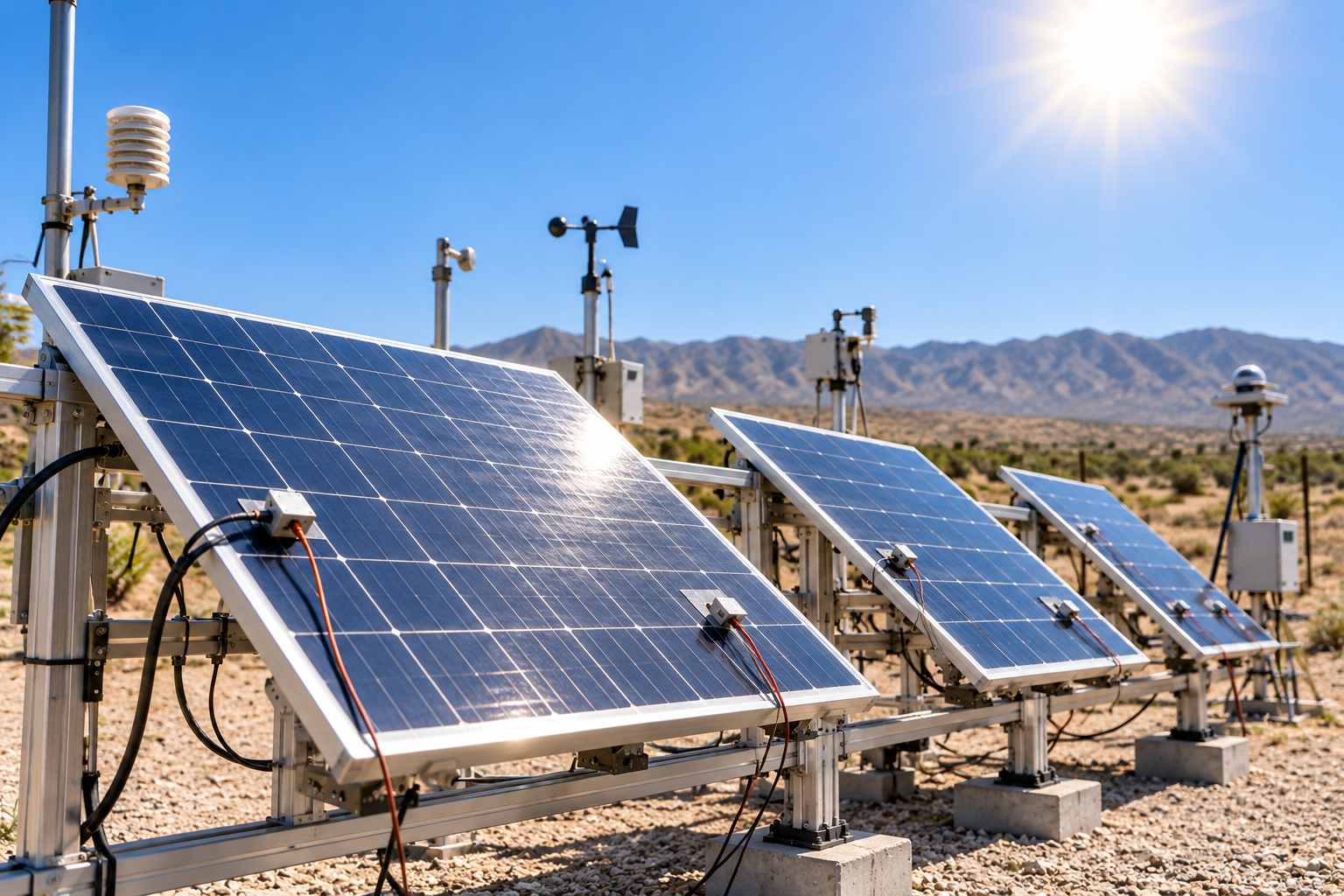
Tin-modified nanotube gel reduces solar cell temperature by 9.5 C
Researchers in India have developed a reusable tin-modified carbon nanotube gel that reduces solar cell operating temperatures by 9.5 C and improves power conversion efficiency. The gel maintained its cooling performance after 40 days of testing and could be reused following a simple water-soaking process.
Advertisement
Advertisement
All Research & Development news

Manz Automation expands CIGS thin film business model under 50 million agreement with Würth Solar
Manz Automation AG has signed a know-how licensing and strategic alliance agreement with Würth Solar GmbH & Co. KG. Under the 50 million agreement, Manz gains exclusive rights to the use to Würth Solars Copper indium gallium (di)selenide (CIGS) production technology and exclusive access to their research results regarding CIGS modules on glass substrates.
Imec reports record efficiencies for large-area epitaxial thin film silicon solar cells
Imec says it has realized large-area (70cm2) epitaxial solar cells with efficiencies of up to 16.3 percent on high-quality substrates. Efficiencies of up to 14.7 percent were also achieved on large-area low-quality substrates, thus demonstrating “the potential of thin film epitaxial solar cells for industrial manufacturing”.
SRC establishes USD$5 million industry-university partnership; PV research center to be established
The Semiconductor Research Corporation (SRC) has established a USD$5 million industry-university Energy research Initiative (ERI). It will initially address two areas: photovoltaics (PV) and systems and technologies to enable and optimize smart grids.
Advertisement
New Zealand: University of Otago scientists receive major funding to develop next-generation electronic materials for solar power
New Zealand-based University of Otago scientists have gained significant funding from the Foundation for Research, Science and Technology to next-generation electronic materials for solar power.
Research study aims to analyze economic benefit of solar energy
A major research effort led by Arizona State University is looking at how solar and other renewable energies can help the economy. The project includes tools to benefit homeowners, businesses and the leaders who need to make informed decisions about which power-generation methods to use and where to locate new facilities, such as solar fields.
Advertisement
NREL solar research garners two R&D 100 awards
An etching technique that makes silicon wafers more efficient and a “mammoth power generator that sets a new standard for the production of solar energy” both developed at the U.S. Department of Energys (DOE) National Renewable Energy Laboratory have been named among this years most significant innovations by Research & Development (R&D) Magazine.
Advertisement
Advertisement