Technology & Products

Solar technology moves fast, as the industry pursues the joint goals of improving efficiency and lowering costs. From tiny tweaks in battery or solar cell materials, to optimizing large-scale system layouts, solar rewards effective innovations with a quick route to market.
As the industry grows, reliability testing becomes more complex and factors like recycling and critical mineral consumption come into the frame as well.
Advertisement
Latest News
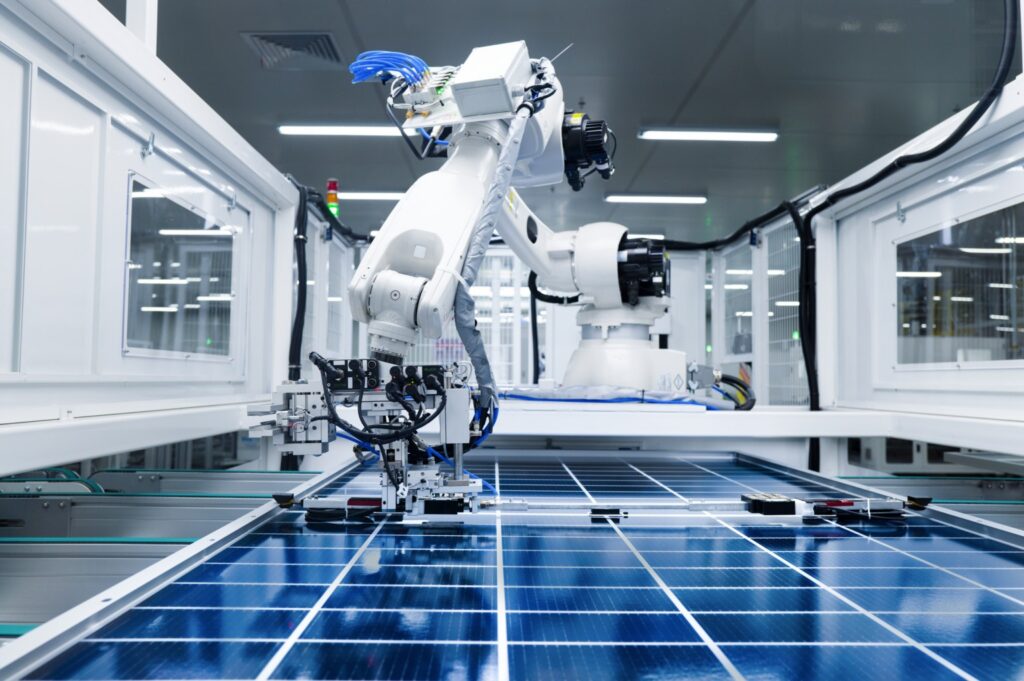
Silicon evolution
China’s policy cracking down on oversupply and cheap, low-quality products, due to come into effect in 2027, sets higher minimum standards and is expected to push module manufacturers to advance their R&D efforts. Some manufacturers are already using their existing crystalline silicon lines to produce perovskite-silicon tandem cells, while others are exploring opportunities in back-contact production. InfoLink’s Hardy He tracks the emerging technological pathways to higher efficiencies and healthier competition.
Sep 21, 2026
Advertisement
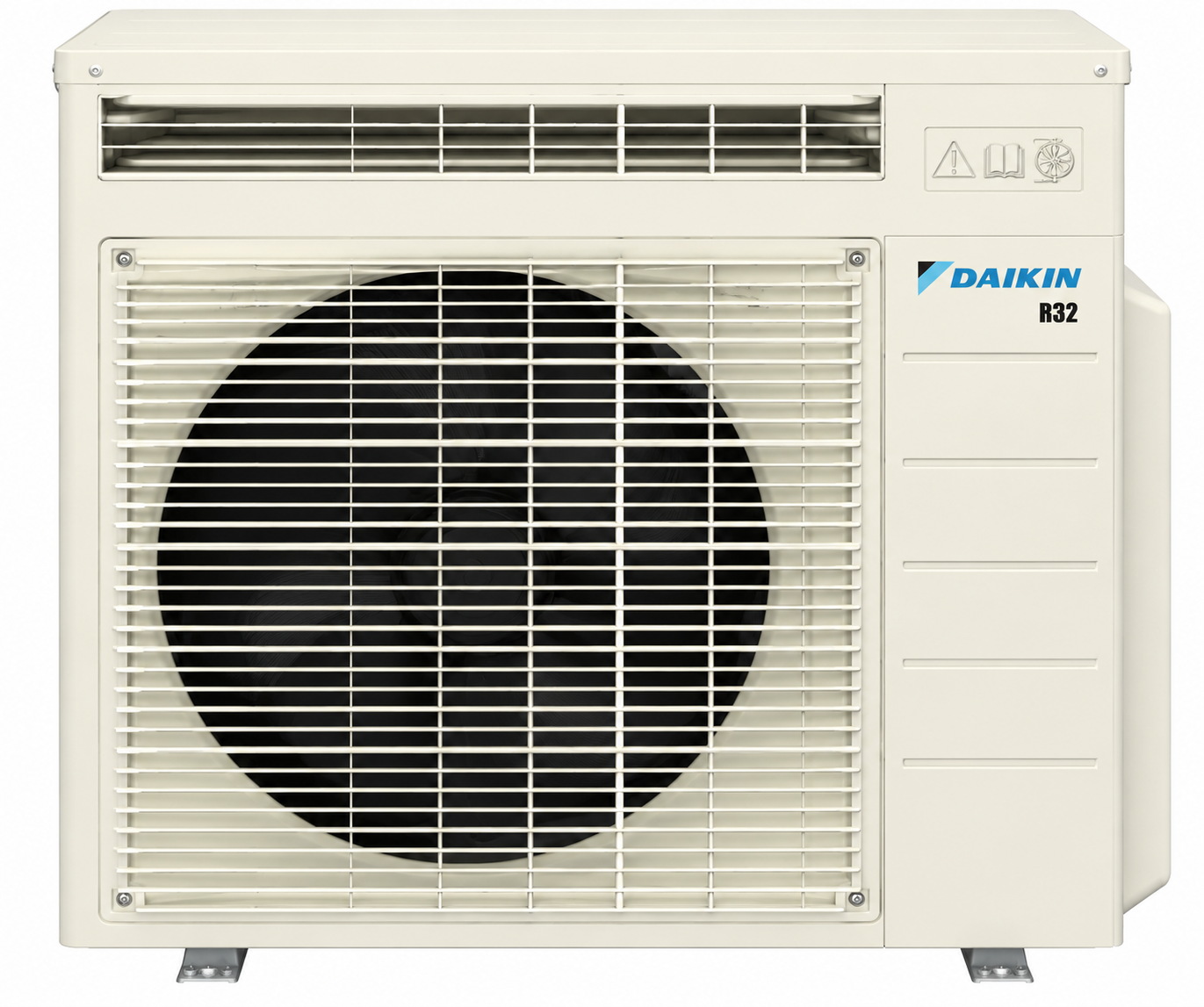
Daikin unveils air-to-air heat pumps for highly insulated homes
The Japanese manufacturer has introduced a new generation of its Ururu Sarara X reversible air conditioners, featuring heating capacities from 2.2 kW to 8.0 kW and a new compressor designed to improve efficiency under low-load operation.
Technology & Products
Sponsored
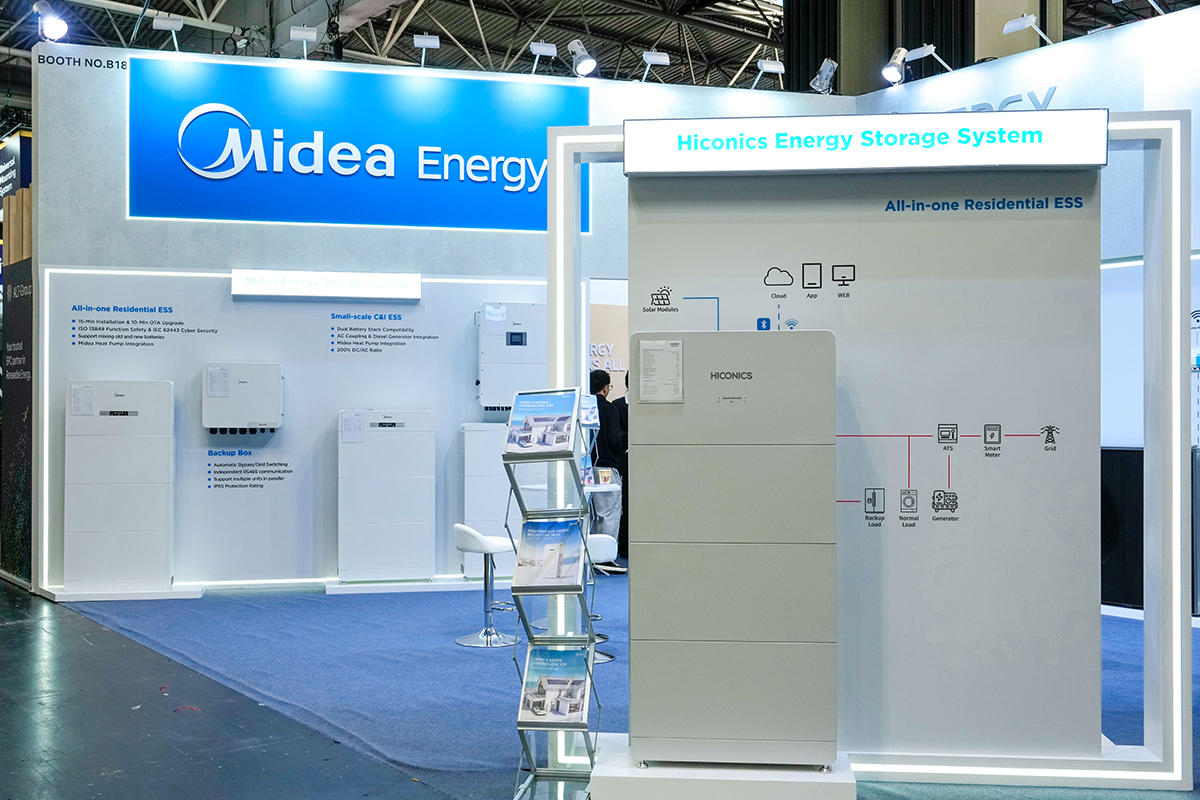
Midea Energy debuts broad storage portfolio at Solar & Storage Live UK
The company introduced its all-in-one ESS, standalone ESS, and intelligent energy management systems to the UK market for the first time and signed an exclusive UK distribution agreement with Project Better Energy.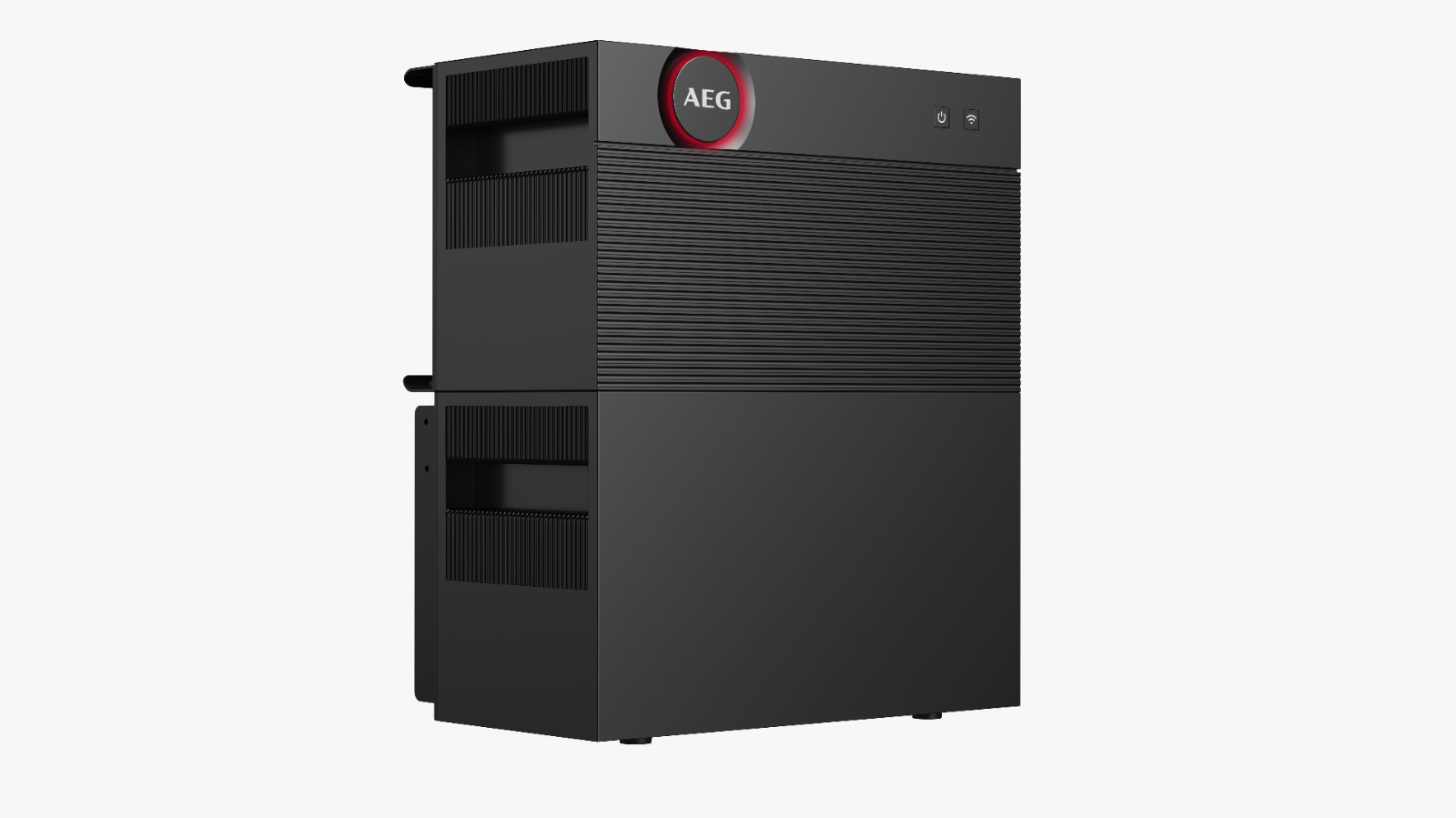
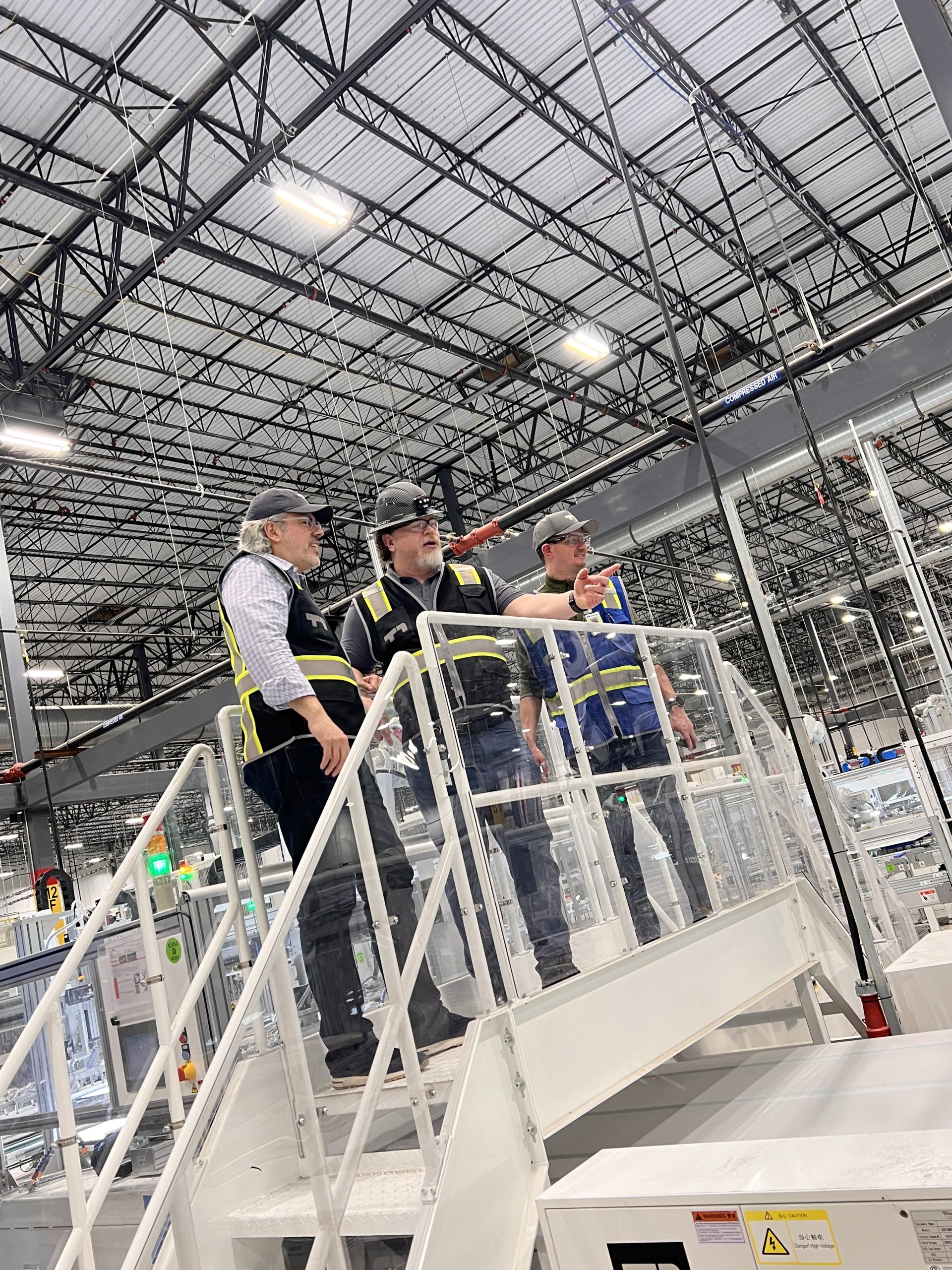
The $21 billion capex bill: analyzing the cost of the U.S. 100 GW module production milestone
New analysis by Terawatt PV Research reveals that about $21 billion of cumulative manufacturing capital expenditure was spent in the United States by the time domestic module production output passed 100 GW in Q2 2026. One company – First Solar – accounts for almost one-quarter of domestic PV manufacturing capex over the history of the U.S. solar industry.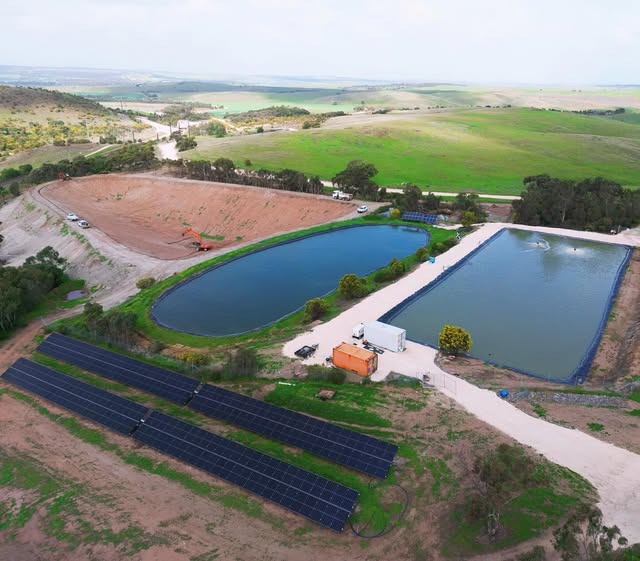
Australian off-grid PV system keeps high energy utility running 24/7
A water treatment plant in South Australia has installed a containerised off-grid power system in an area with no grid connection that ensure its energy needs are met, and essential water movement and filtration processes run continuously.
Advertisement
Advertisement
All Technology & Products news

Solargiga acquires 51 percent interest in Qinghai Chenguang; intends to ramp up production
Solargiga Energy Holdings Limited has said it intends to acquire 51 percent interest in Qinghai Chenguang New Energy Co., Ltd under a new cooperation agreement with the Xining Economic & Technology Development Zone Administration Committee.
Advertisement
USD$1.85 billion boost for US solar industry
President Barack Obama has announced that USD$1.85 billion in conditional commitments will be made available in the form of loan guarantees to two U.S. solar companies. As a result, one of the worlds biggest solar plants is scheduled to be built in Arizona, while around 5,000 jobs are expected to be created.
Advertisement
Intersolar extends strategic partner program in U.S.
Intersolar North America and Solartech have announced an expanded partnership for the 2010 Intersolar North America conference. Under the agreement, Solartech will now provide an additional program offering at the conference. Other reciprocal elements between both organizations will extend into next year.
China's Yingli to triple solar panel capacity
Chinese solar power system manufacturer Yingli Green Energy Holding Co. aims to triple solar panel production capacity in the next three years to three gigawatts a year at a total cost of roughly 200 billion yen (around USD$2.2 billion; 1.8 billion), says Japanese news source Nikkei.
Advertisement
Advertisement