A fork in the road for energy storage
From ESS News
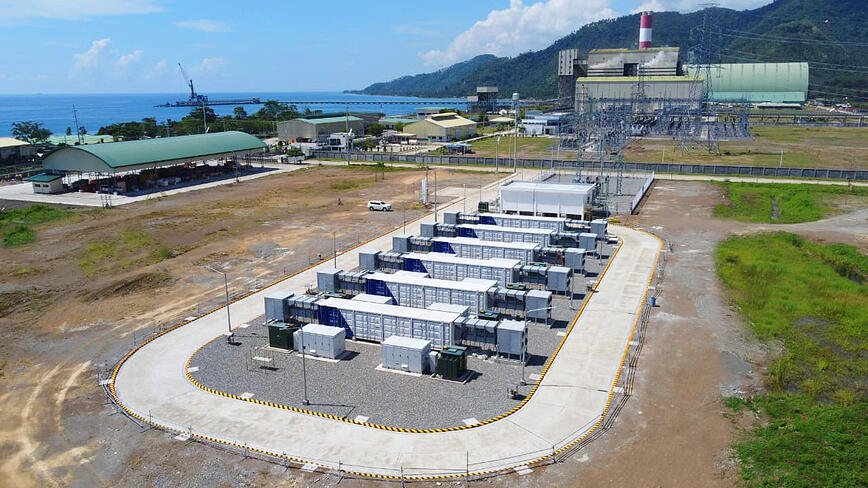
We are becoming accustomed to record-breaking years for energy storage, and 2024 was no exception. Manufacturer Tesla deployed 31.4 GWh, up 213% from 2023, and market intelligence provider Bloomberg New Energy Finance raised its forecast twice, ending the year predicting almost 2.4 TWh of battery energy storage by 2030. That is likely an underestimate.
Positive feedback loops and exponential growth are notoriously hard to predict. Humans are not well set up to process exponents. In 2019, pumped hydro storage (PHS) supplied 90% of global energy storage power output (measured in gigawatts), but batteries are set to overtake that in 2025 and its related energy storage capacity, in gigawatt-hours, by 2030.
To continue reading, please visit our ESS News website.
The views and opinions expressed in this article are the author’s own, and do not necessarily reflect those held by pv magazine.
This content is protected by copyright and may not be reused. If you want to cooperate with us and would like to reuse some of our content, please contact: [email protected].
Please login to comment