Wired for Watts – 11-2021

Already a subscriber?
Login
Excerpt from the magazine

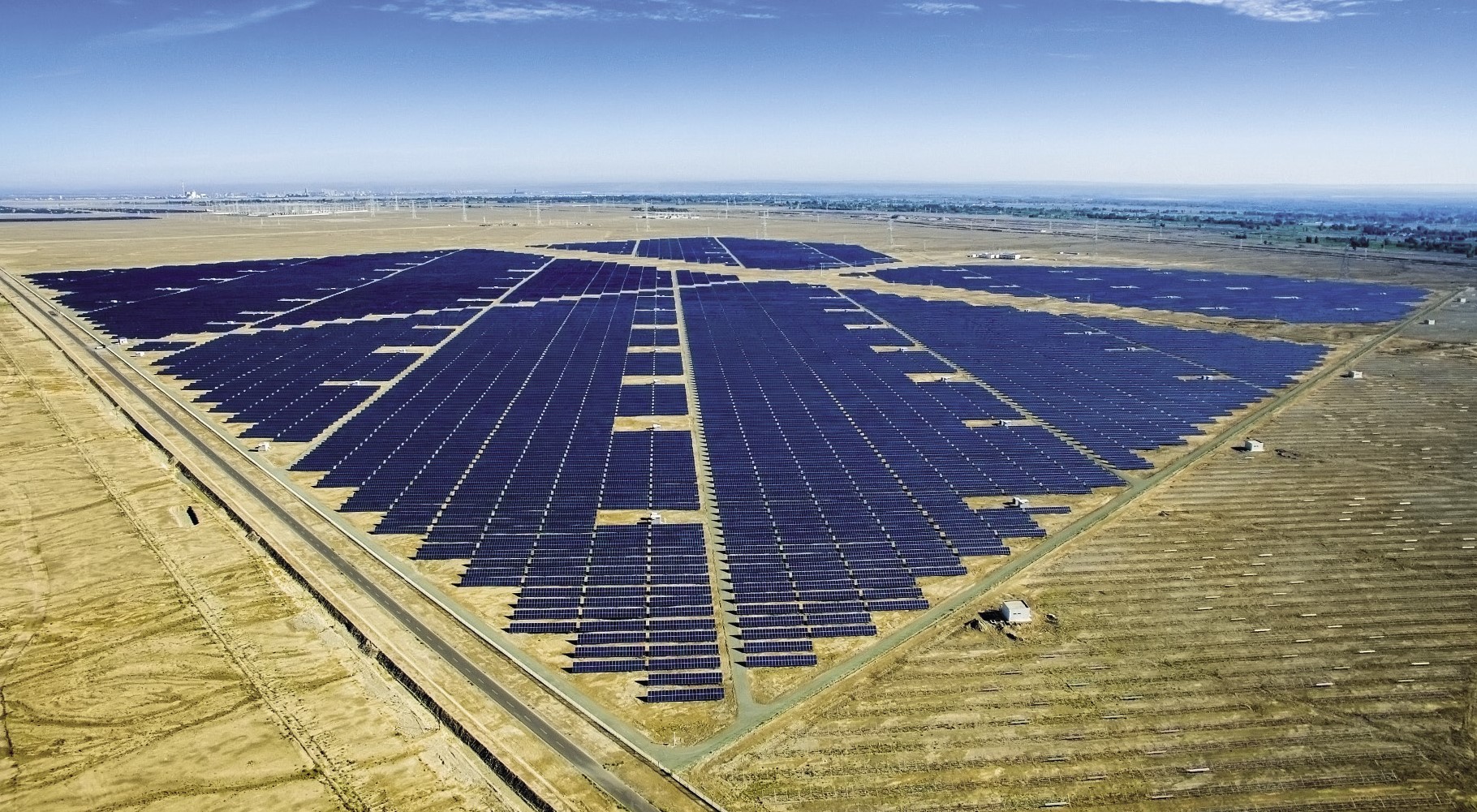
What to expect from China’s green power trading
On Sept. 7, the country that consumes more power than any other nation introduced green energy trading. Two regions in China, Beijing and Guangzhou, were selected for the initial introduction of what will become the national green power trading market. Although it is still a pilot program, the market is expected to have far-reaching impacts on China’s energy transition away from coal. What do you need to know about it? Vincent Shaw in Shangahi sets out the details.
Nov 02, 2021
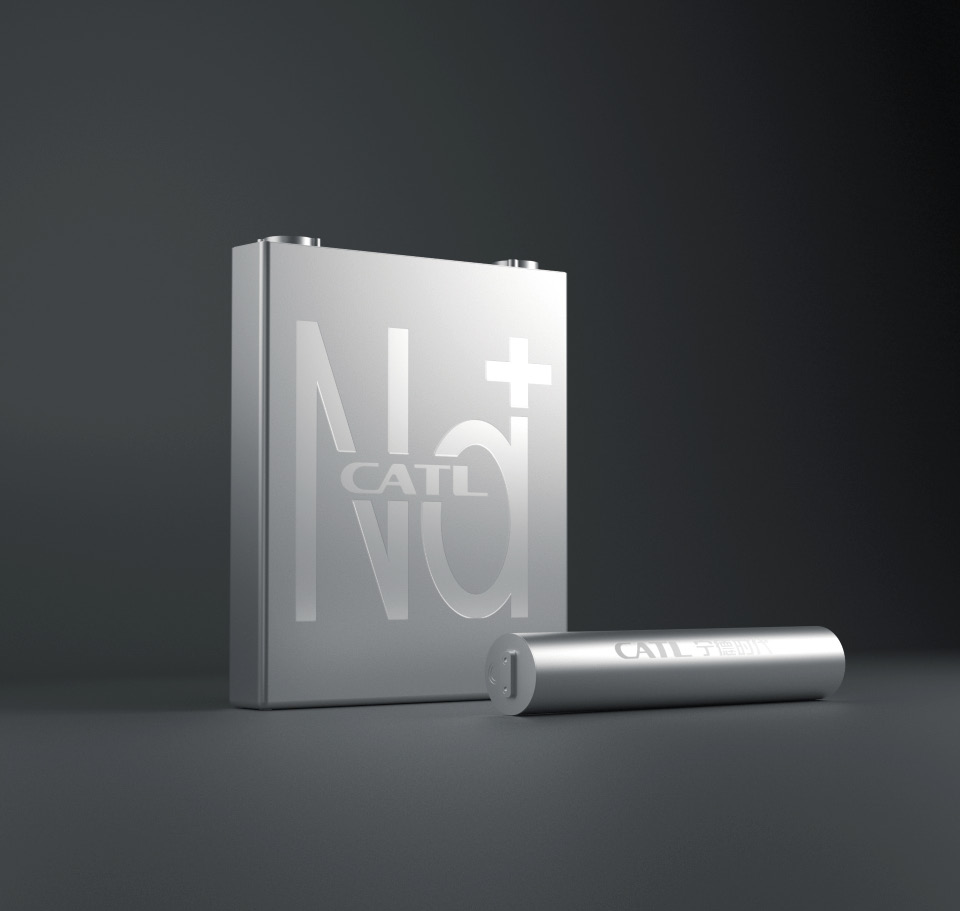
Complementary storage
Lithium-ion batteries are a fantastic crutch for the renewable energy transition. It’s not all roses, though: Short duration limits, and potentially dangerous thermal runaway in rare circumstances, means the hunt continues for alternative electrochemical batteries. However, alternatives will largely complement lithium-ion batteries, rather than supersede them. Blake Matich looks at promising options to keep an eye on.
Nov 02, 2021
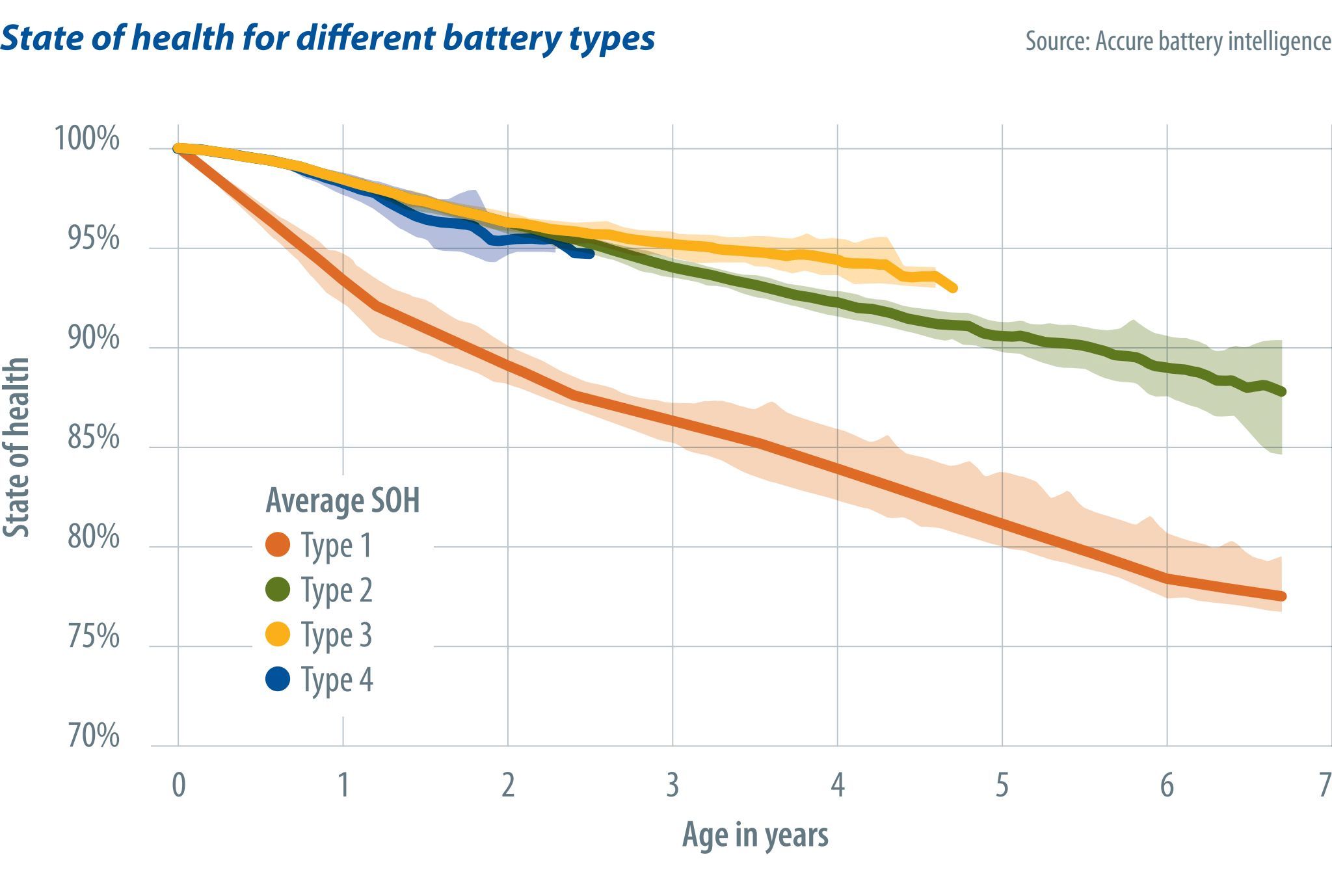
Battery performance, uncovered
Batteries are taking the energy world by storm. From residential home storage systems to large-scale installations, today’s society increasingly relies on powerful batteries. And, as we all know, with great power comes great responsibility. But, how can we ensure that our use of batteries today is responsible, cost-effective, or even safe? Kai-Philipp Kairies, CEO of Accure Battery Intelligence, shares some of his experience gained from monitoring more than 750 MWh of various storage applications.
Nov 02, 2021
Subscribe now for instant access to this issue and every published issue since 2016.
Subscribe
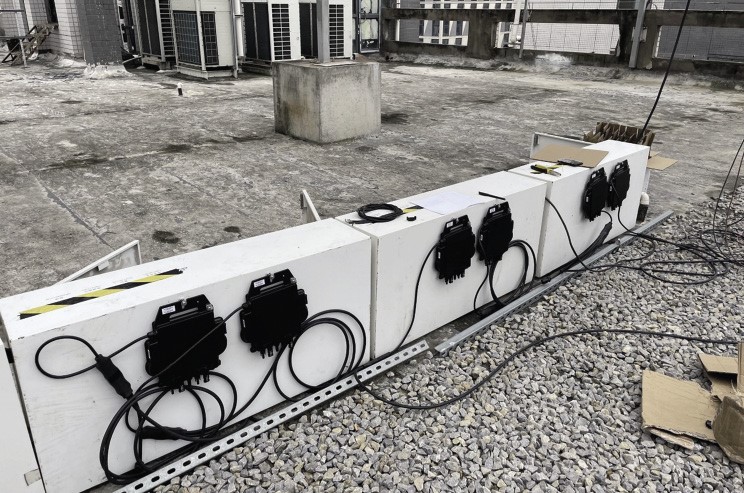
pv magazine test: Big modules, new beginnings
Earlier this year, the pv magazine test outdoor array in Xi’an, China underwent extensive modifications so it could accommodate the form factors and electrical characteristics of new modules based on larger wafer formats. George Touloupas, senior director of technology and quality at CEA, takes us through the new system and the reasons why the modifications were needed, as well as the role of newly installed microinverters supplied by AP systems.
Nov 02, 2021

Cloud looms over PV’s silver lining
Should heterojunction solar technologies be temporarily shelved? Could copper plating replace screen-printed silver conductive surfaces in cells? Why are tandem cells a likely successor to PERC? Brett Hallam recently sat down with Natalie Filatoff in Sydney to explain the findings of a new study by UNSW that sought to answer these controversial questions.
Nov 02, 2021

New consensus in cybersecurity
As power systems integrate more digital and inverter-based devices, the guidelines and technical standards for these resources are evolving, and none as quickly and urgently as cybersecurity standards. New approaches to cyber defense are now needed to protect more interconnected systems with diverse owners, manufacturers, and system architectures. However, current cybersecurity standards for energy devices are still patchy. Upcoming efforts are aimed at changing that, reports NREL’s Connor O’Neil.
Nov 02, 2021

Getting smart about solar
As solar PV increases its share in the world’s energy mix, it is becoming increasingly clear how valuable the data gathered from renewable energy generators is in informing important decisions about operation, maintenance and grid integration. Yazeed Al Mousa examines the latest applications for artificial intelligence in PV project development and operation.
Nov 02, 2021

Nothing simple about O&M
New investors and technological complexity demand new approaches to O&M service provision, argues NovaSource’s Timo Moeller. With larger PV fleets and the ability to process the operational data of generation, pure-play O&M may continue to deliver on solar’s cost learning curve.
Nov 02, 2021

Forecast for foresight, and prosper
At the risk of stating the obvious, PV performance will always be inextricably linked to the weather. Cloud cover significantly influences power output and severe weather events – including high winds, heavy snowfall, fire, and hail – can lead to module or structural damage. And with climate change making extreme weather events more common, the value of forecasting and understanding the worst Mother Nature can throw at a solar array is increasing.
Nov 02, 2021
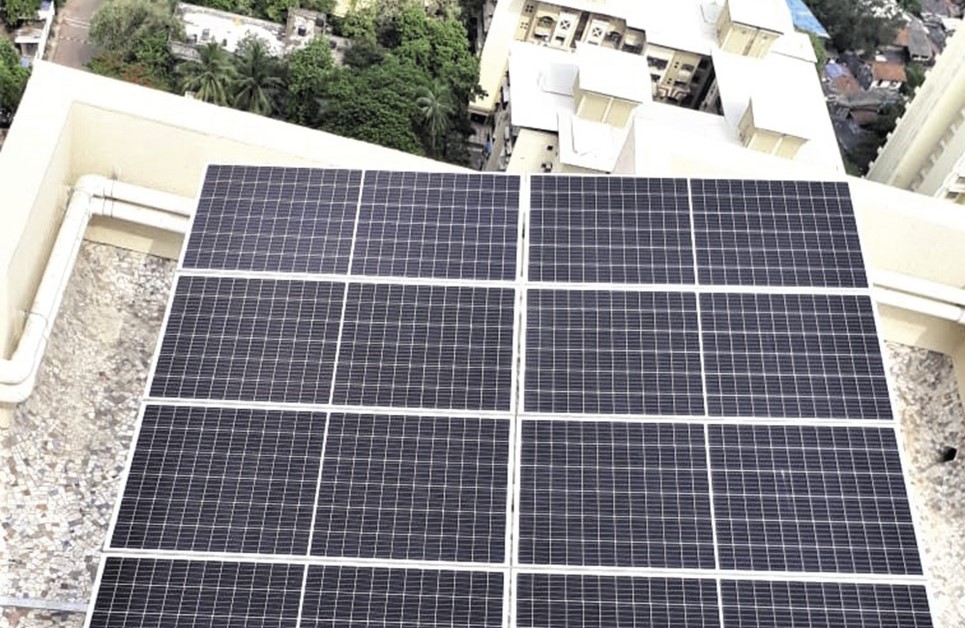
Up to code for decarbonization
The International Energy Agency predicts that India will record the world’s fastest growth in energy consumption from buildings through 2040. The energy demand could create a big market for solar installers and equipment providers, particularly in the commercial and industrial sector. While building codes now include provisions for renewable energy integration, effective implementation will be key to ensuring compliance, reports Uma Gupta.
Nov 02, 2021

Electrons to replace molecules in US homes
Policy developments are likely to define decarbonization efforts and rooftop solar deployment in U.S. homes. Proposed legislation at the federal level is looking to accelerate electrification, while net metering developments continue at the state level. pv magazine USA’s Ryan Kennedy provides an update.
Nov 02, 2021

Building a new policy environment
Since the beginning of 2021, all new buildings constructed in the European Union must be “nearly” zero energy. This is a complex task requiring synergies among various stakeholders and technologies. Ilias Tsagas provides insight into the drivers and challenges toward this set goal, and shines a light on solar’s most significant role.
Nov 02, 2021

Pending approval
A surge of Italian PV project activity is soon expected, if the local authorities get out of the way. With market, financial and policy settings in place, the market is set to see a return to bustling project activity, with regulatory reforms clearing the way forward, reports Sergio Matalucci in Milan.
Nov 02, 2021

Crypto’s energy conundrum
In a financial world of stocks, bonds, foreign exchange, and credit cards, trillions of dollars are traded daily, with money flows handled by a bevy of databanks. In the world of cryptocurrency, billions of dollars worth of Bitcoin are traded through as many as 400,000 transactions per day, consuming the energy supply of a modernized country. The quirk is a “proof of work” feature that provides decentralized security. Is Bitcoin’s energy usage all for nothing, or is it a game-changer for renewable assets and generators? Tristan Rayner explores.
Nov 02, 2021

Energy crisis and the energy transition
There’s a famous saying: “Never let a crisis go to waste.” The current energy crisis has had a terrible impact on many consumers, but it has also given the energy sector a golden opportunity to get in shape for the energy transition. Jon Slowe, the director of Delta-EE, examines the impacts and opportunities of the energy crisis currently playing out in Europe and what it could mean for the renewables sector.
Nov 02, 2021
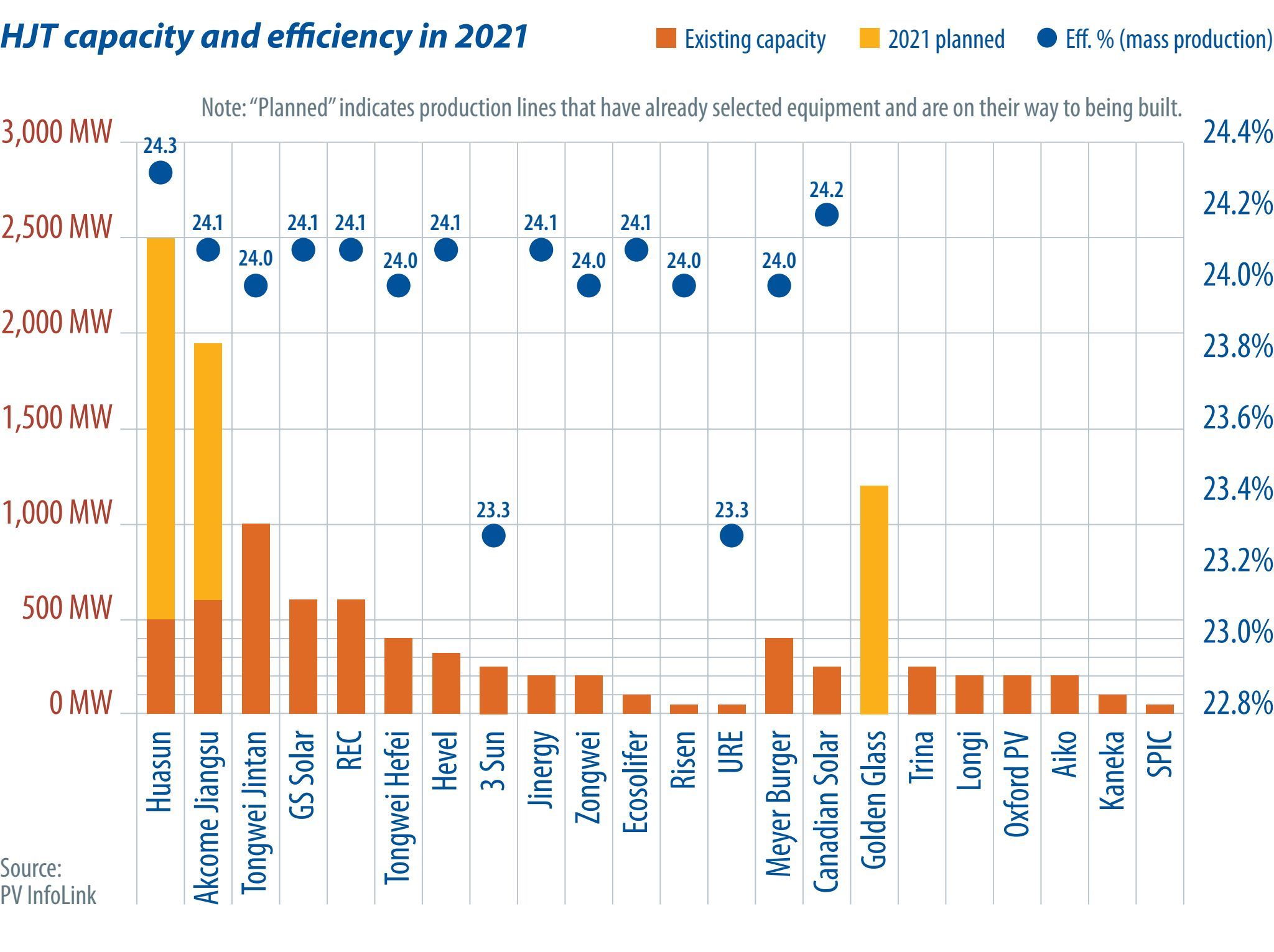
Looking past PERC
While the adoption of large-format wafers has driven a wave of capacity expansion for PERC, existing manufacturers and new entrants continue to evaluate TOPCon and HJT. An increasing number of HJT pilot lines and gigawatt-scale capacity expansion projects are appearing, as manufacturers see the advantages of fewer process steps, higher efficiency ratings, and better yield rates. The localization of equipment is also a driving factor. PV InfoLink’s Derek Zhao offers an update on the latest developments and process routes for HJT.
Nov 02, 2021

U.S. solar market in flux
Next year will set new records for the U.S. solar market, with 30.4 GW of installations expected. The utility-scale PV pipeline in 2022 is nearly 50% greater than 2021 and 2023, due to the combined effects of pandemic-related supply chain impacts, the solar Investment Tax Credit schedule, and other module procurement challenges. Over the next two years, solar installations will be concentrated in Texas, California, Ohio, Indiana, and Nevada, with large portions of the pipeline being developed by a few key players in each state. IHS Markit’s Eric Wright takes a closer look.
Nov 02, 2021
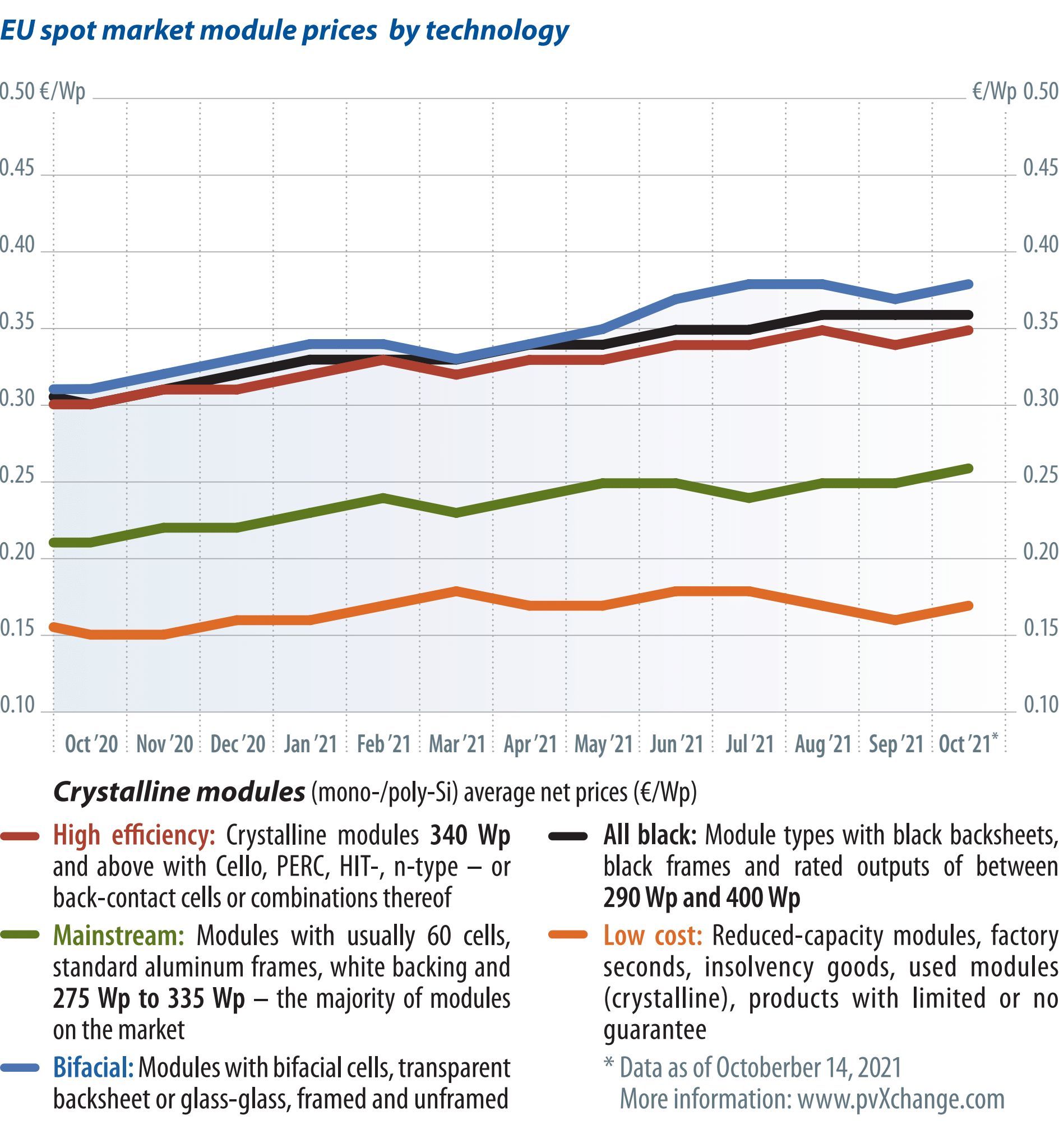
Module prices set to rocket back to 2019 levels
First, the bad news: PV modules will be caught up in the global wave of inflation. After a very brief respite, prices are picking up again for almost all module technologies. But the changes recorded for early October are paltry compared to the price increases still to come, writes Martin Schachinger of pvXchange. As of the cutoff date for this market survey, some manufacturers had already announced even more significant upward corrections for future deliveries. The price adjustments shown in the October index are thus only a tentative start to rises of no less than 15-20% over the price levels that prevailed just a few weeks ago. However, this will probably be the last price correction we can expect at the manufacturer level until the end of the year.
Nov 02, 2021

Network for decarbonization
As world leaders converge on Glasgow this month for COP26, a host of pledges, commitments, strategies and ambitions will be unveiled by participants. The plethora of measures can be confounding, as can the framing of decarbonization as an economic cost, to be borne by the economies, companies and workers of the world.
Nov 02, 2021

