Going global – 09-2022

Already a subscriber?
Login
Excerpt from the magazine

Location, location, location
Location is all important, as evidenced by the US Inflation Reduction Act’s inclusion of incentive adders to drive local manufacturing. While it remains to be seen whether they will work, the concept is popular. Another location dynamic in solar is the location of policymaking, as most decisions are made at the local level. Nowhere is this more pronounced than in California.
Sep 06, 2022
Loose threads
Material sustainability is fast rising up the solar and energy storage agendas. Increasing amounts of renewables, the electrification of sectors like transport, and a critical supply chain situation are just some of the reasons why. In Q4 2022, the UP Initiative is delving into the world of resources to find out what is being done to address these challenges. Of particular interest are steel, aluminum, glass, and precious metals like silver, copper, and cobalt.
Sep 06, 2022

No ordinary lending
ESG investing is growing quickly, including the practice of sustainable lending. Sustainability-linked loans are a part of the green financial wave, and as it breaks, new efforts are codifying the shape that these financial instruments should take for lenders and borrowers alike, writes Climate First Bank CEO Ken LaRoe.
Sep 06, 2022
Financing plant combinations
Battery business models are evolving, as the technology shows its worth on more of Europe’s grids. Experts from international law firm Osborne Clarke provide an overview of the legal framework for solar energy and battery storage combinations in Germany from a lender’s perspective.
Sep 06, 2022
Subscribe now for instant access to this issue and every published issue since 2016.
Subscribe
From trend to transformation
There are three main drivers behind the continuing growth of solar today: the economics of energy, the energy crisis driven by the war in Ukraine, and a growing global focus on green and net zero initiatives. What matters is that these three drivers change the dynamics of investment – there is a growing body of capital looking to align with low-carbon, net-zero initiatives. Yet as the debate rages about operational versus overall sustainability, what is the future of solar for ESG finance?
Sep 06, 2022

Digital finance for direct impact
As finance goes digital, apps and services are helping investors to make easier green investments: solar projects with real carbon savings, cleaner investments, and even direct investment in startups. But can people really make better green investments just from their phone? Tristan Rayner speaks to three different companies looking to make a difference.
Sep 06, 2022

Acceleration across the EV value chain
Indonesian efforts to reduce reliance on fossil fuels and develop domestic production of battery energy storage materials and components are picking up pace, despite a slow start. And as Sorta Caroline reports, some of the raw materials are in place for success in Southeast Asia.
Sep 06, 2022

Interconnection evolution
After a difficult couple of years, things are finally looking brighter for European PV equipment suppliers in 2022, with new projects on the horizon and plenty of space for innovation in the market. Germany’s M10 Solar Equipment is introducing a brand new, flexible approach to cell interconnection that promises big energy yield gains compared to typical half-cut cell multi-busbar modules. And the company is already seeing plenty of interest from producers developing products ranging from conventional modules to building-integrated PV and beyond, as M10 Solar Equipment CEO Philipp Zahn and Business Development Manager Michael Kröffges recently told pv magazine.
Sep 05, 2022

Great to be made in America
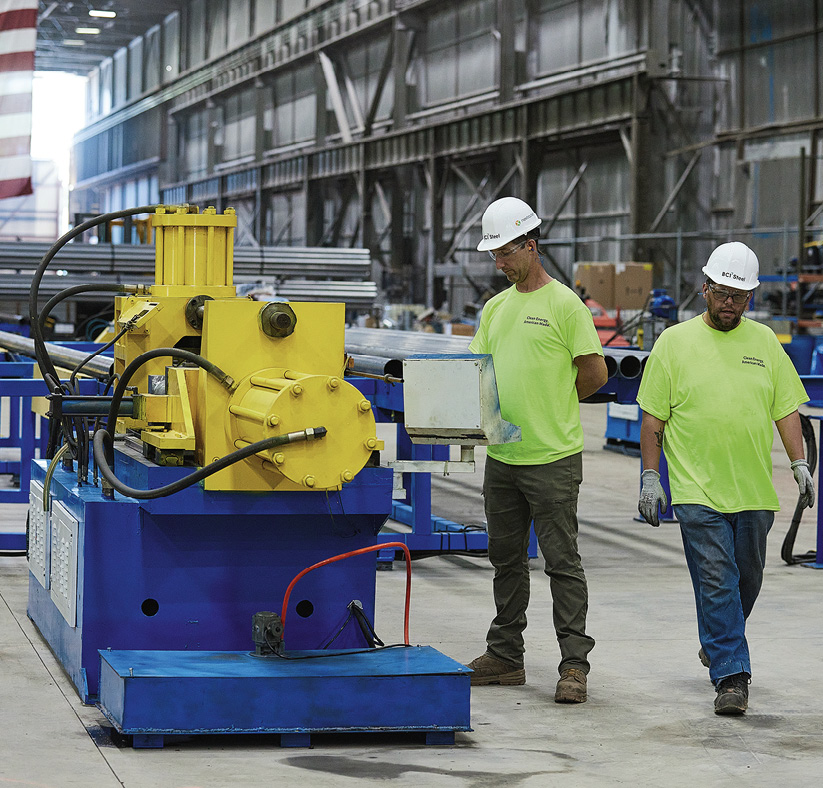
There are both challenges and benefits to boosting solar manufacturing in America. The Inflation Reduction Act of 2022 includes a host of measures to support the production of US renewable energy technologies and could foster a new era for made-in-America solar. pv magazine USA Senior Editor Anne Fischer explores the current status and outlook of US solar manufacturing.
Sep 05, 2022
Stage set for Brazilian manufacturing expansion
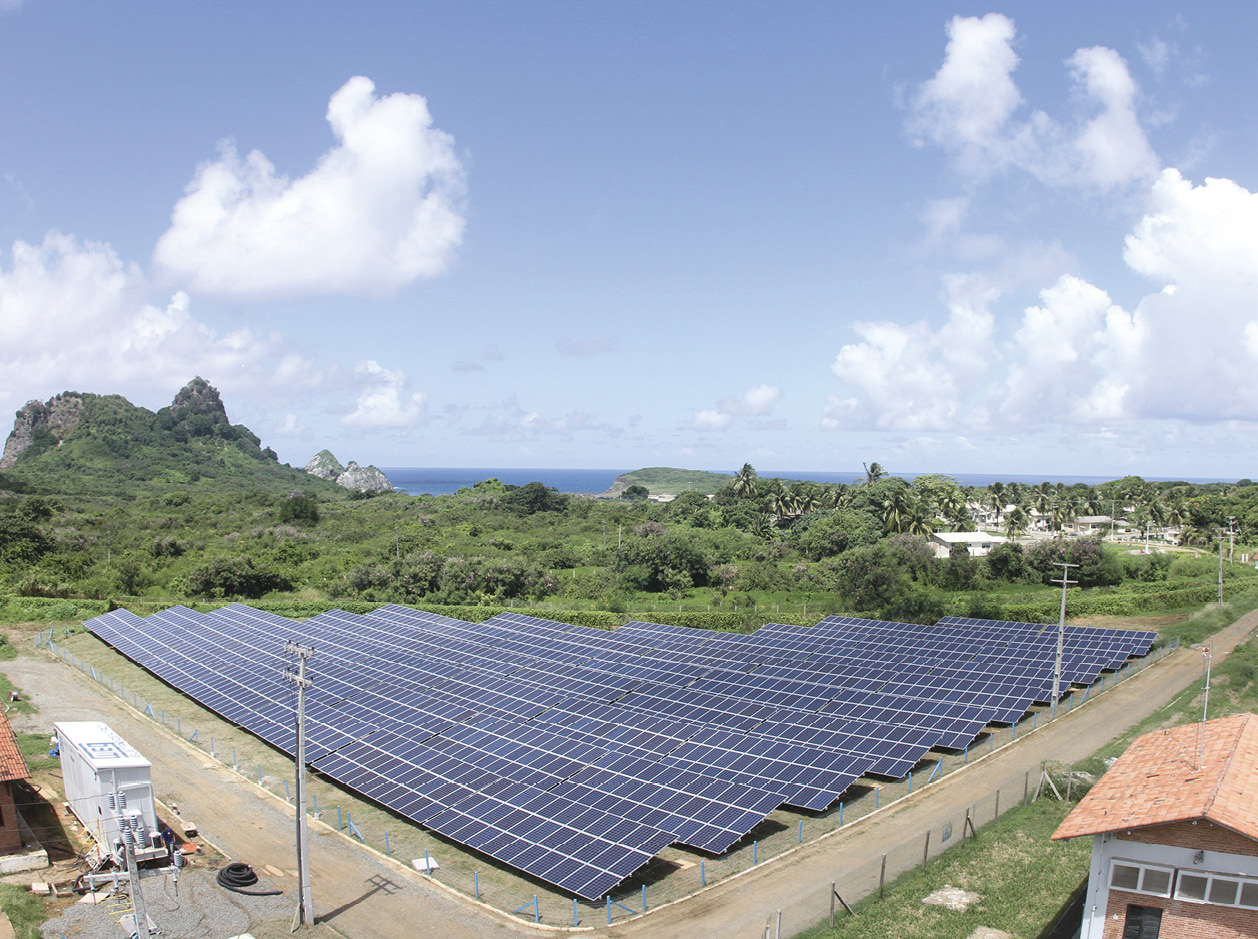
Brazil’s hot demand for solar is set to accelerate the country toward a spot in the top five global PV markets. But despite a once significant domestic manufacturing presence backed by local content requirements for project financing, Brazil faces challenges in growing its manufacturing base beyond a small percentage of its total PV installed each year. pv magazine’s Beatriz Santos reports.
Sep 05, 2022

Outside of East Asia
If PV module production can be done in Turkey, it can also be re-established in Europe, argues Peter Fath, the CTO of Kalyon PV. The PV technology veteran discusses how to build a new 1 GW vertically integrated solar factory, from ingots to wafers to cells and modules – including hiring and training 2,000 employees.
Sep 05, 2022
Turkey goes vertical
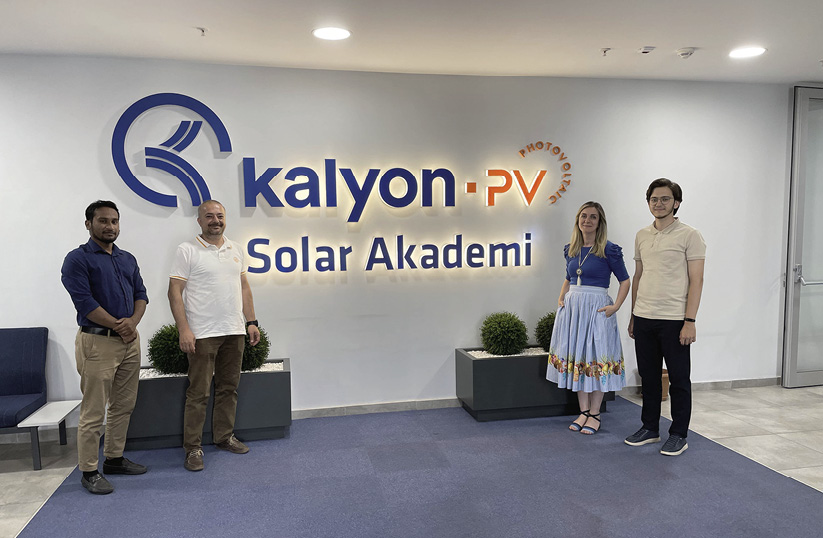
A mirage in the desert or a model factory for the rest of the world? The story of how Kalyon PV established itself as a new integrated ingot, wafer, cell, and module manufacturer in less than two years is a compelling one. Götz Fischbeck visited the site to gain an insight into how it was achieved.
Sep 05, 2022
Integrated giants emerge
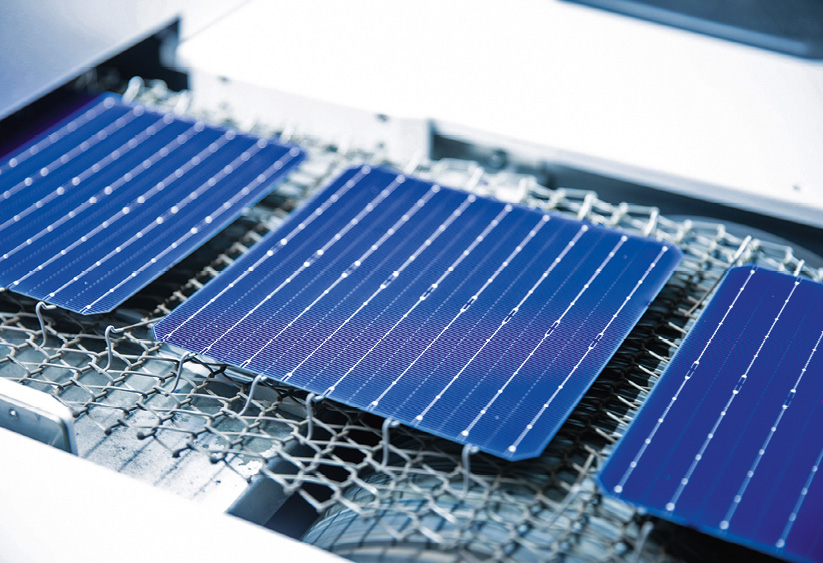
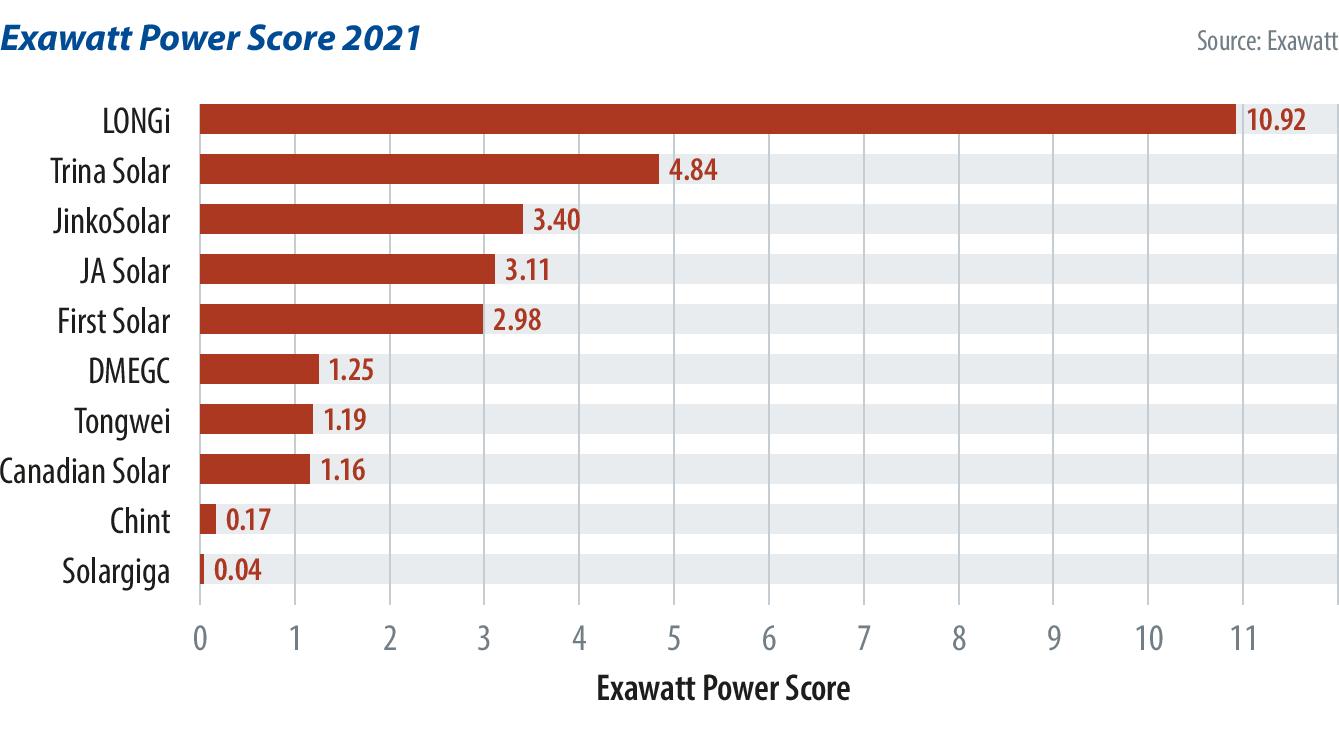
The giants of the Chinese PV industry are now integrated along both ends of the supply chain, amid expectations for strong demand and price volatility. Module makers are adding polysilicon capacity, while poly and wafer producers are making module production a part of their business. But do companies still face the same risks that have brought down vertically integrated solar giants in the past? Vincent Shaw reports from Shanghai.
Sep 05, 2022
Real barriers to virtual power plants
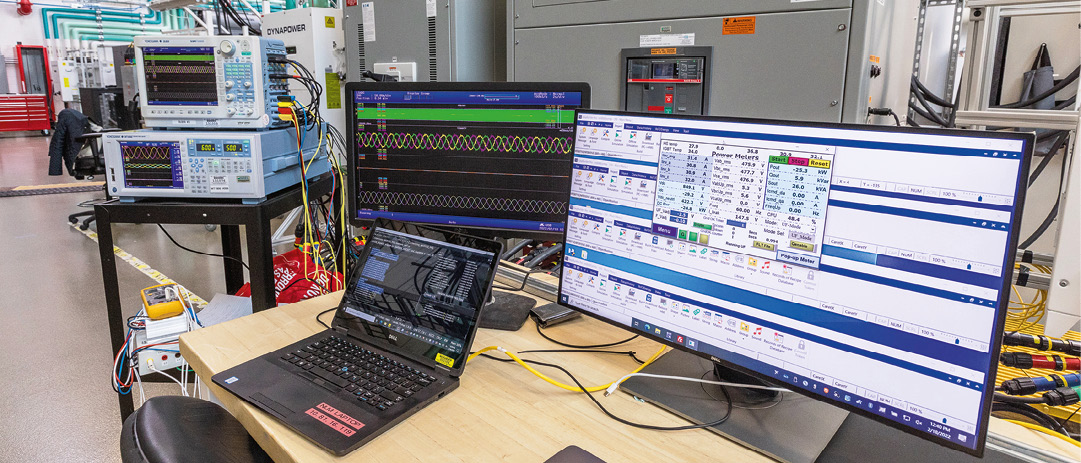
The technology is available for virtual power plants to be rolled out across the United States, argues Jigar Shah, the director of the Department of Energy’s Loan Programs Office. Their implementation would result in a cascade of benefits, including extending the adoption of distributed energy resources like rooftop PV and lowering electricity costs for consumers.
Sep 05, 2022

Facing the heat
Lithium-ion batteries come with fire risks that the burgeoning renewable energy industry is not used to. For some that presents a false dichotomy where any fire in a battery project is a clear sign of future flammable failures, which can make it appear that all batteries are too risky to be used widely at large scale. The reality, writes Jamie Shaw-Stewart of Everoze, is that while Li-ion battery fires are a real risk, this risk is manageable as we learn more about the fires themselves and develop more bespoke battery engineering solutions.
Sep 05, 2022

The stage is set for India
At the end of September, the Renewable Energy India (REI) Expo is returning to the India Expo Centre, Greater Noida, for its 15th edition. It comes at an exciting time for energy in India, as the country begins to ramp up its own domestic solar manufacturing, and looks for a leading role in the development of both green hydrogen and electric vehicles. Ahead of the event, pv magazine caught up with Rajneesh Khattar, senior group director – energy portfolio, at Informa Markets, the show organizer, for a look at India’s changing energy landscape.
Sep 05, 2022
Teamwork makes the green work
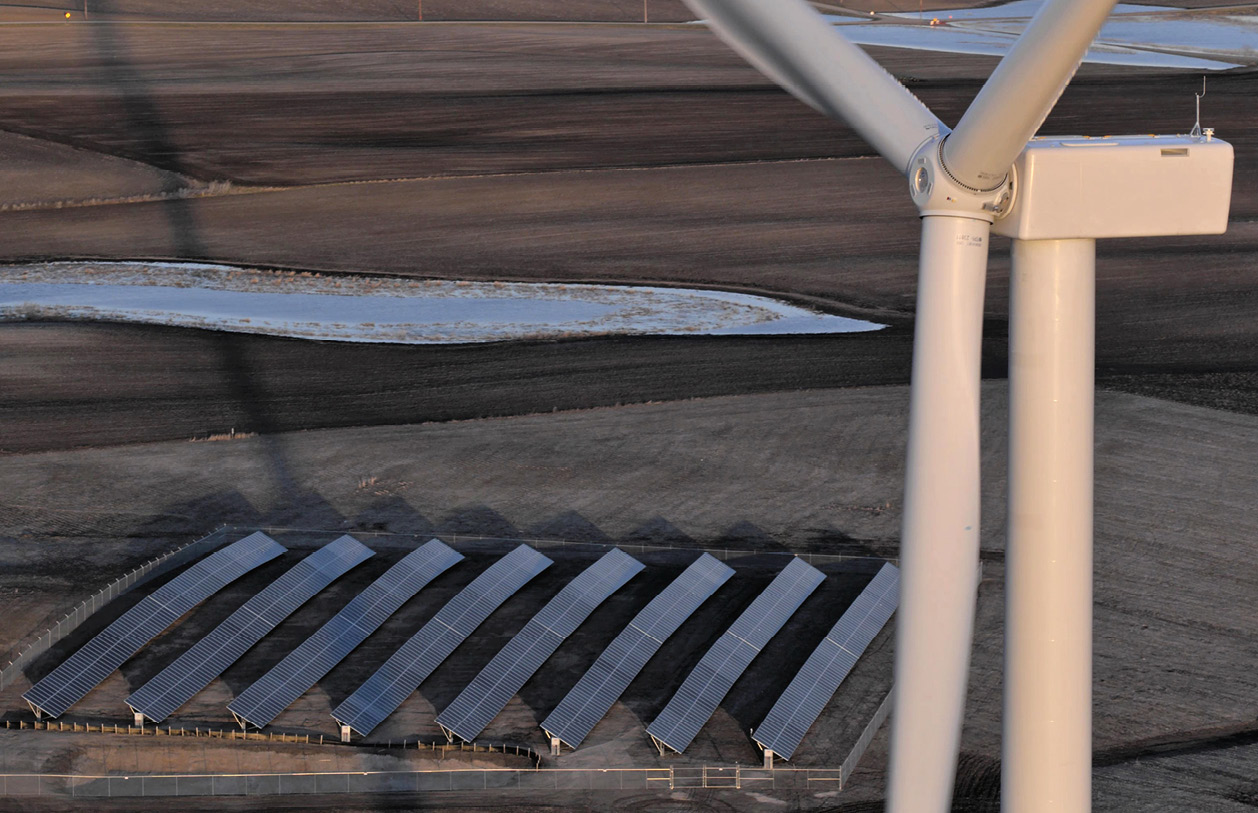
In May 2018, India’s Ministry of New and Renewable Energy adopted the National Wind-Solar Hybrid Policy. Though paltry when it comes to offering incentives or preferential treatment to solar-wind-hybrid (SWH) projects, the policy aims to enable more SWH projects to efficiently utilize transmission infrastructure and land, as well as reducing variability in renewable generation and thus improving grid stability.
Sep 05, 2022
Strong prospects to ‘Make in India’
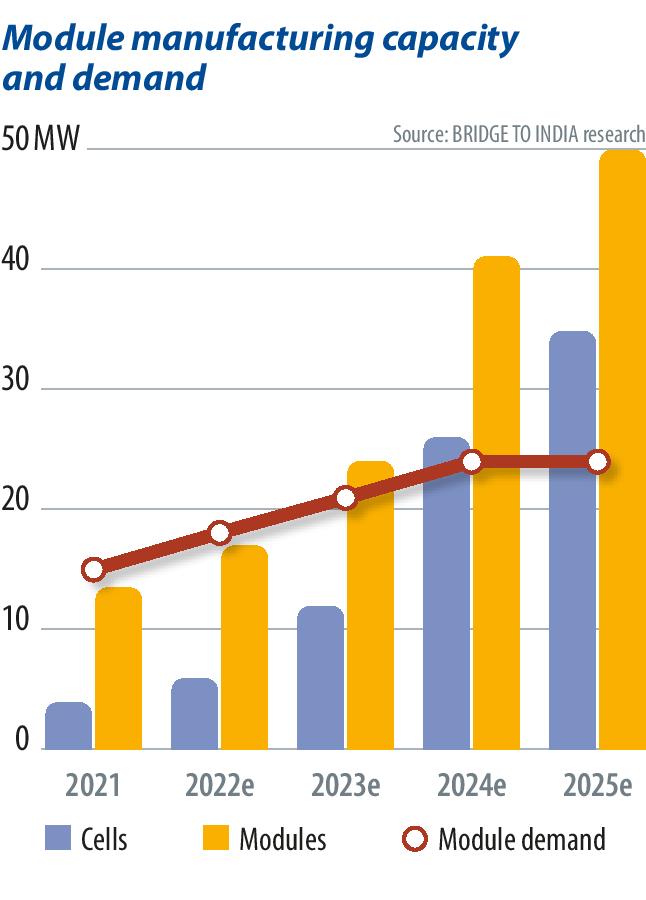
India’s renewable energy sector, having so far focused almost solely on adding more generation capacity with ever lower tariffs, is undergoing a drastic change, as policy pivots toward domestic manufacturing. Vinay Rustagi, managing director of Bridge to India, looks at how the border conflict with China and endless supply side disruptions in the wake of Covid-19 have together strengthened the Indian government’s resolve to support the establishment of a more localized supply chain.
Sep 05, 2022

Darkest hour before Ukraine’s solar dawn
Ukraine is still facing dire circumstances, with war continuing to claim lives and Russian invaders occupying large parts of the country. Solar plant owners also face serious challenges, including collateral damage, looting, destruction of communication infrastructure, and payment shortfalls. However, a bold vision for recovery has been set out with a key role for solar, as Ian Skarytovsky reports.
Sep 05, 2022
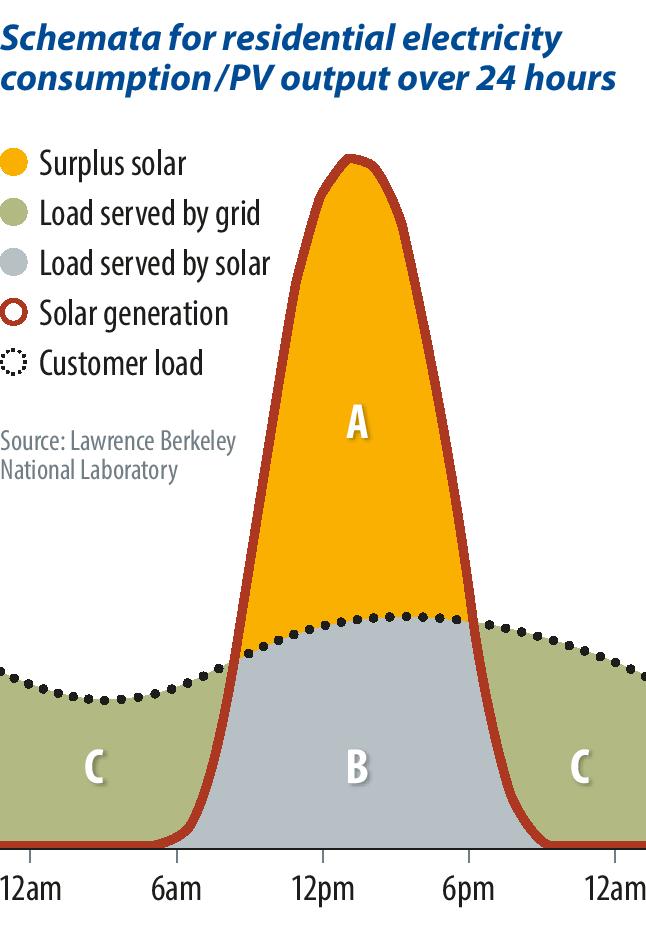
Netting true value from batteries
Net metering reforms in the US are a missed opportunity to harness residential battery storage, argue researchers from the Lawrence Berkeley National Laboratory. Compensation rules for residential rooftop solar are evolving toward a model that encourages customers to use battery storage to maximize solar self-consumption. However, is this a good thing? Galen Barbose, Sydney P. Forrester, and Chandler Miller investigate.
Sep 05, 2022

Rallying for the ‘Solar+ Decade’
With energy challenges abounding, PV has emerged as a crucial part of the solution – building resiliency, creating jobs, and cutting emissions. In pursuit of energy markets and a system that embraces these features, Solar Energy Industries Association CEO Abigail Ross Hopper is advocating for more stable trade and policy settings, in order to facilitate the expansion of PV, in line with its “Solar+ Decade” goals.
Sep 05, 2022

A year of uncertainty
The supply of PV modules to the United States has been challenged by potential tariffs on goods shipped from four Southeast Asian nations that provide 80% of US solar panels. The disruption stems from an ongoing investigation into allegations of antidumping violations. US President Joe Biden has halted tariffs related for two years, but challenges still loom, reports pv magazine USA’s Ryan Kennedy.
Sep 05, 2022
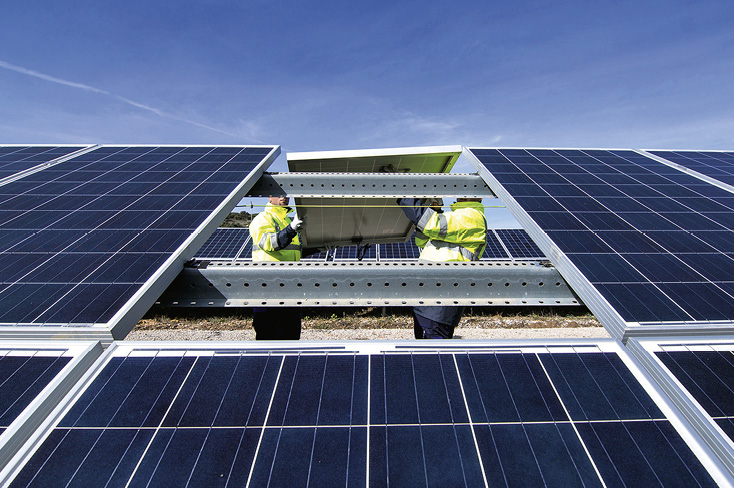
Mining for gold in legacy PPAs
As the pace of solar installations quickens, developers are racing to find the best remaining sites and optimize their position in interconnection queues. But what if the best investment opportunity is hidden in a site built a decade or more ago? Time gets the better of us all, and many early solar sites no longer perform as expected. Yet those sites generally sell power at prices today’s developers can only dream of. Chris Chappell and Stephen Shirey of Clean Energy Associates examine what can be done to unlock the value in these legacy sites.
Sep 05, 2022

PV prices head for a Q3 peak
Global solar demand is projected to hit 240 GW to 270 GW this year, fueled by the accelerated global energy transition. Customs figures show that China exported nearly 89 GW of cells and modules to the world in the first half of 2022. Europe dominated this demand, importing 43 GW and accounting for nearly 50% of the total. InfoLink’s Amy Fang has also observed strong growth in China’s PV market, with distributed-generation projects contributing to 30.9 GW of new installations in the first half of 2022 – a 138% increase compared to the first half of 2021.
Sep 05, 2022

Local expansions counter tracker disruption
The solar tracker market experienced significant challenges during 2021, writes Jason Sheridan of IHS Markit, with major price increases and availability disruption across raw materials and delays to global freight operations. Despite these challenges, global solar tracker shipments grew to over 50 GW in 2021, representing 15% year-on-year growth. This was driven by strong demand in key markets such as the United States, Spain, mainland China, Brazil, and Chile. Solar tracker installations are expected to reach over 46 GW in 2022, an increase of 20% compared to 2021.
Sep 05, 2022
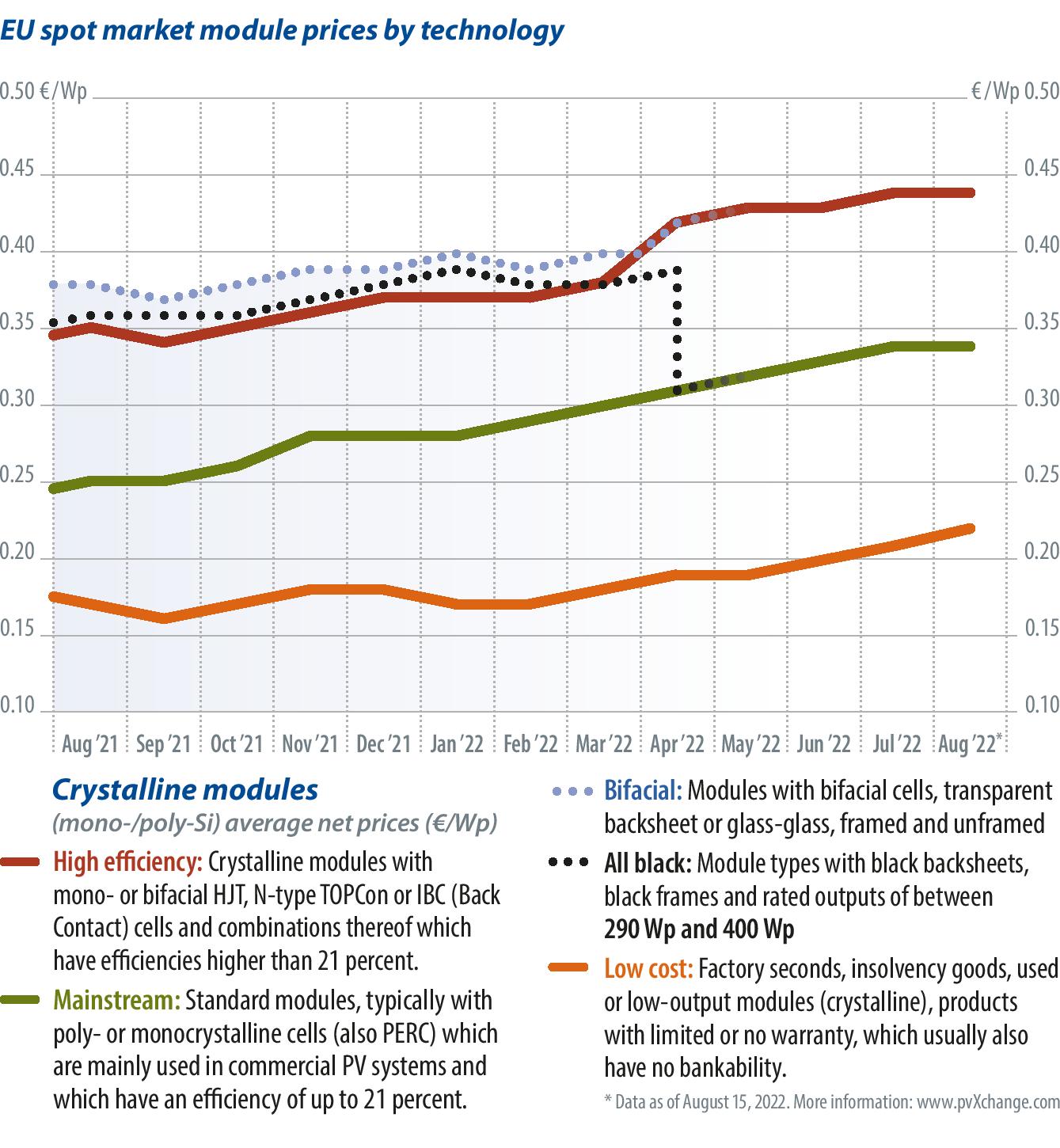
Test and measure
PV plants have to serve their purpose fault-free for a very long time, often under difficult conditions. Regular plant inspections are therefore a basic requirement for economical operation. Having dealt previously with visual inspection systems at the module level and their importance, Martin Schachinger of pvXchange and Falko Krause of GME Clean Power now shift their focus to more thorough, measurement-based inspections.
Sep 05, 2022

Framed as savings
Sometimes it’s not what you say, but how you say it. The passing of the US Inflation Reduction Act represented a watershed moment for global climate policy, by virtue of its sheer size and the manner in which it addresses numerous segments of the energy economy. But it is also notable for the way in which the policy frames climate action as making good economic sense, for businesses and households alike.
Sep 05, 2022