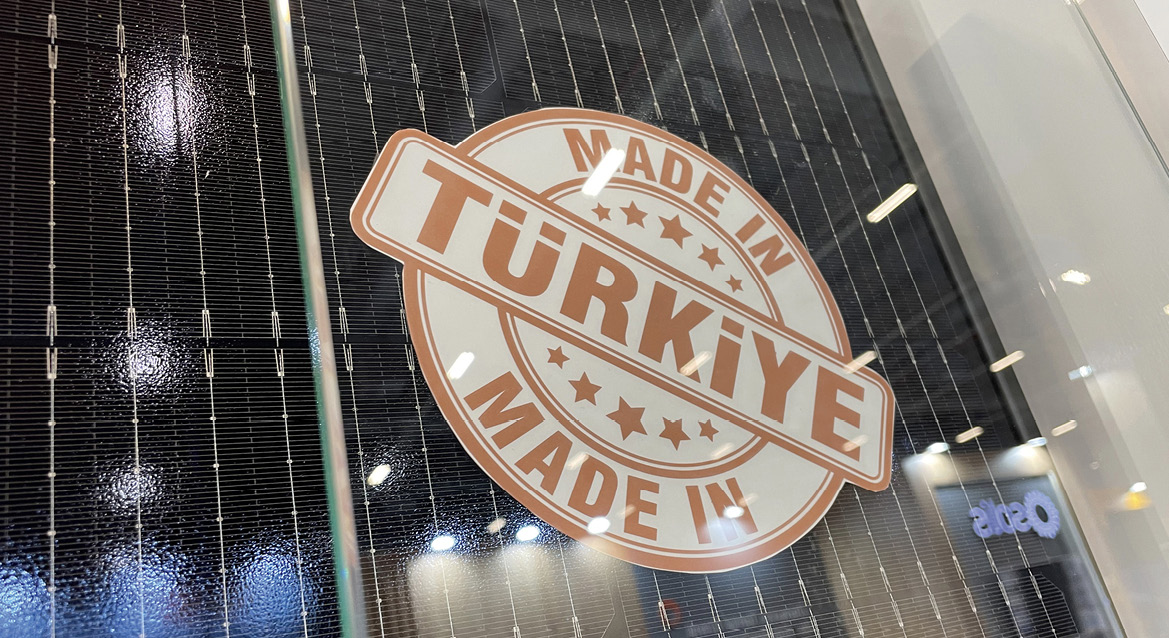
Building resilience – 04-2026

Table of content
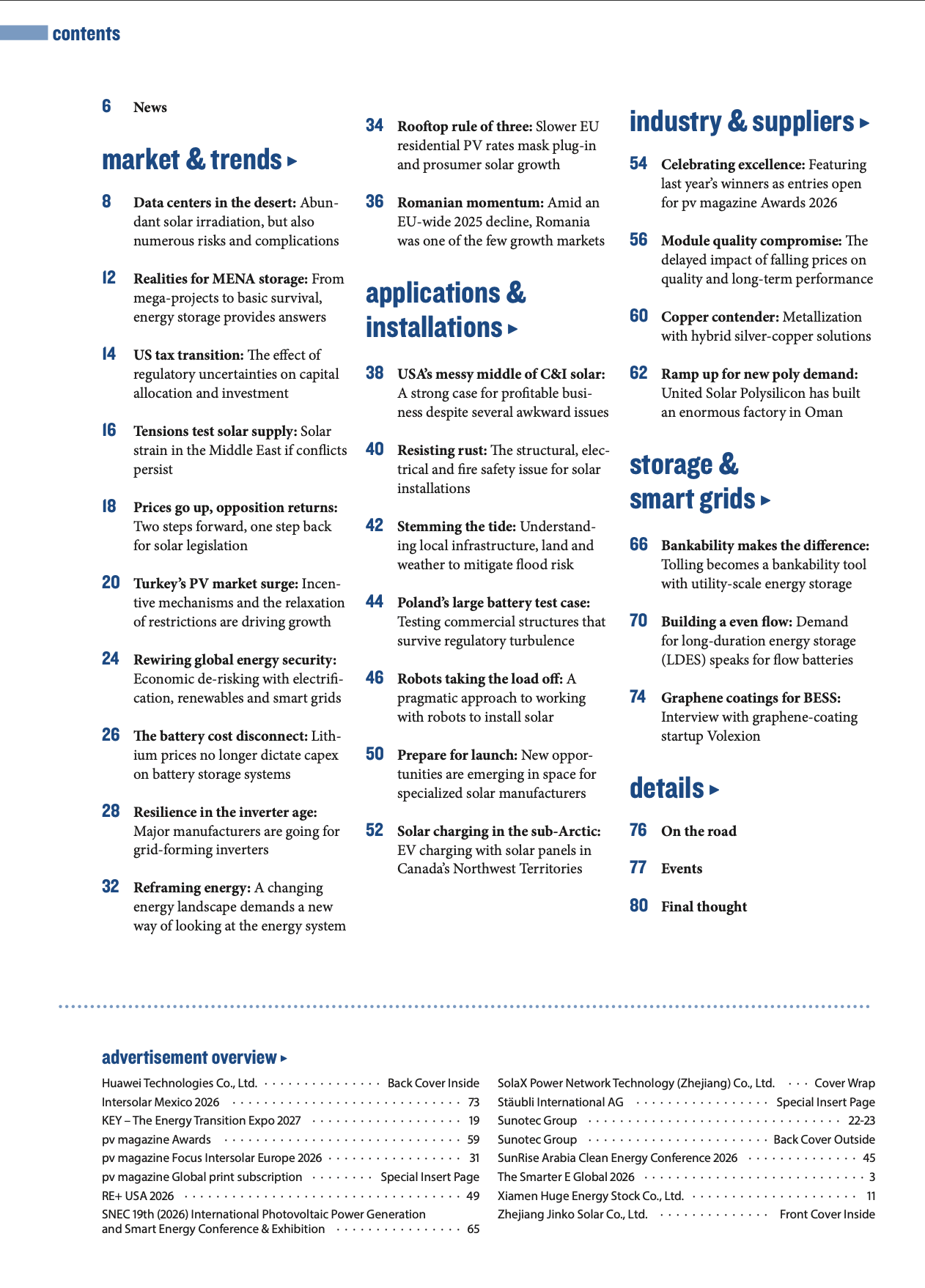
Preview
Table of content
Building resilience – 04-2026
2026
Preview
Building resilience – 04-2026
2026
Already a subscriber?
Login
Excerpt from the magazine

Tax transition
The US solar industry is entering a period of adjustment in the tax equity and tax credit transfer markets as developers, investors, and lenders navigate evolving regulatory guidance. Jesse Pichel and Lev Seleznov of Roth Capital Partners see 2026 shaping up to be a transition year for the way solar projects monetize federal incentives in the United States, with regulatory uncertainty beginning to influence capital allocation decisions.
Apr 30, 2026
Solar charging in the sub-Arctic
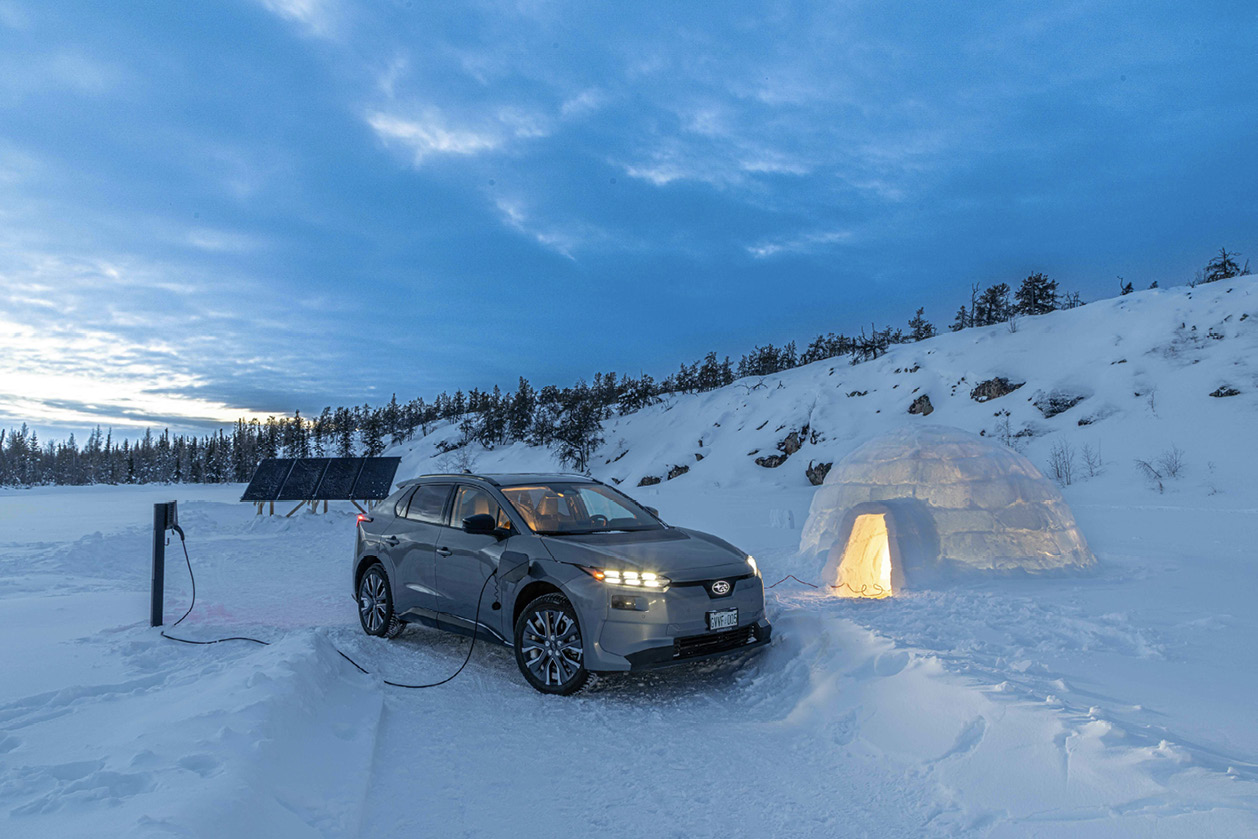
Easee has put its foot to the floor in 2026, completing a pilot project with Subaru that demonstrates the viability of solar-powered electric-vehicle charging in the harsh winter conditions of Canada’s Northwest Territories. It follows a collaboration between Easee and the Japanese car manufacturer in 2025 that saw the two companies deploy an electric vehicle charger on the South Atlantic island of Saint Helena, billed at the time as the world’s most remote electric-vehicle charging infrastructure. Adam Dunwoodie, technical manager at Easee UK, told pv magazine that locating the latest project in Canada’s Northwest Territories has enabled a pilot project to push the technology another step further.
Apr 06, 2026

Rooftop solar’s rule of three
Data from leading market intelligence providers show falling installation rates for residential PV across much of Europe. Renewable energy consultant Ben Hayden argues that these headline figures mask key trends in a market that is shifting rather than contracting, with plug-in solar and the prosumer segment presenting significant growth opportunities.
Apr 06, 2026

The messy middle of C&I solar
In the United States, commercial solar and energy storage projects offer plenty of opportunity, but developers must navigate supply chain bifurcation, shifting fire codes, and the end of the tax equity era to bring commercial projects online in 2026. pv magazine USA’s Ryan Kennedy moderated a panel discussion on the topic at Intersolar & Energy Storage North America in San Diego and shares these key takeaways.
Apr 02, 2026
Subscribe now for instant access to this issue and every published issue since 2016.
Subscribe
Romanian momentum
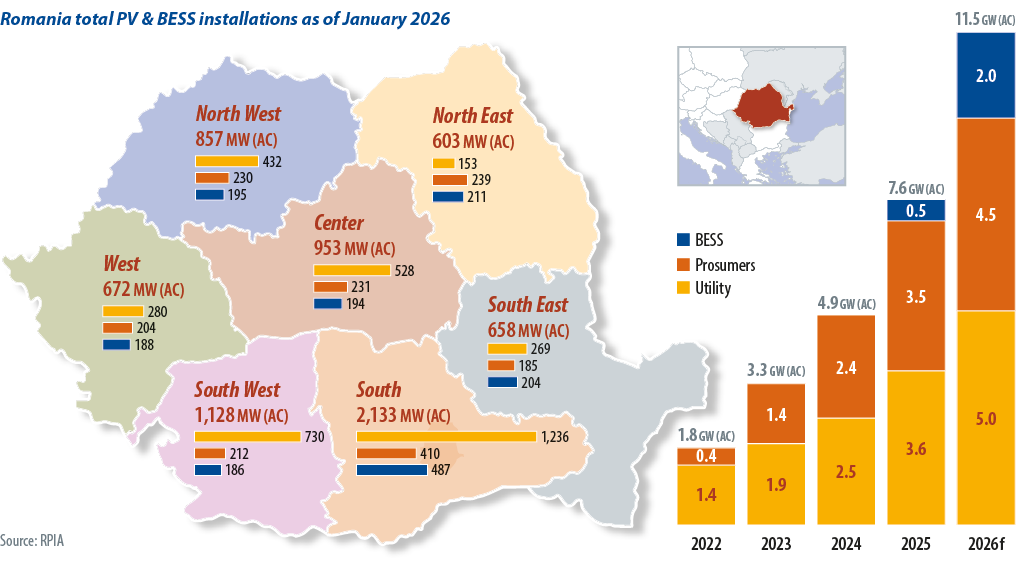
Romania was one of the few standout European PV markets in 2025, recording growth amid an EU-wide decline that affected even the region’s biggest markets like Italy and the Netherlands. Irene Mihai, policy analyst at the Romanian Photovoltaic Industry Association (RPIA), gives the lowdown on the country’s solar and storage outlook to 2030.
Apr 02, 2026

Copper contender
Copper metallization is emerging as one of the most closely watched technological shifts in solar cell manufacturing as producers seek to reduce costs and dependence on silver. Pure-copper metallization, whether in screen printing or plating, remains far from gigawatt-scale realization, but more companies are dipping their toes into the transitional step of hybrid silver-copper solutions.
Apr 02, 2026
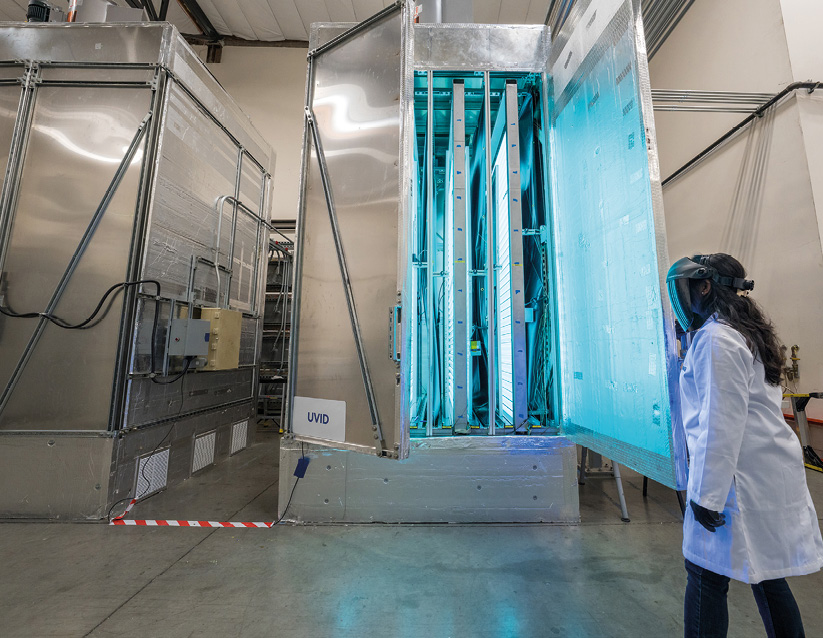
Module quality on the edge
Module manufacturers have struggled for more than two years with oversupply and prices often falling below production cost. Cost-cutting measures – such as reduced encapsulant thickness, thinner glass and thinner frames – can have widespread impacts on initial module quality and long-term performance. Recent test results for commercial products are raising concern.
Apr 02, 2026
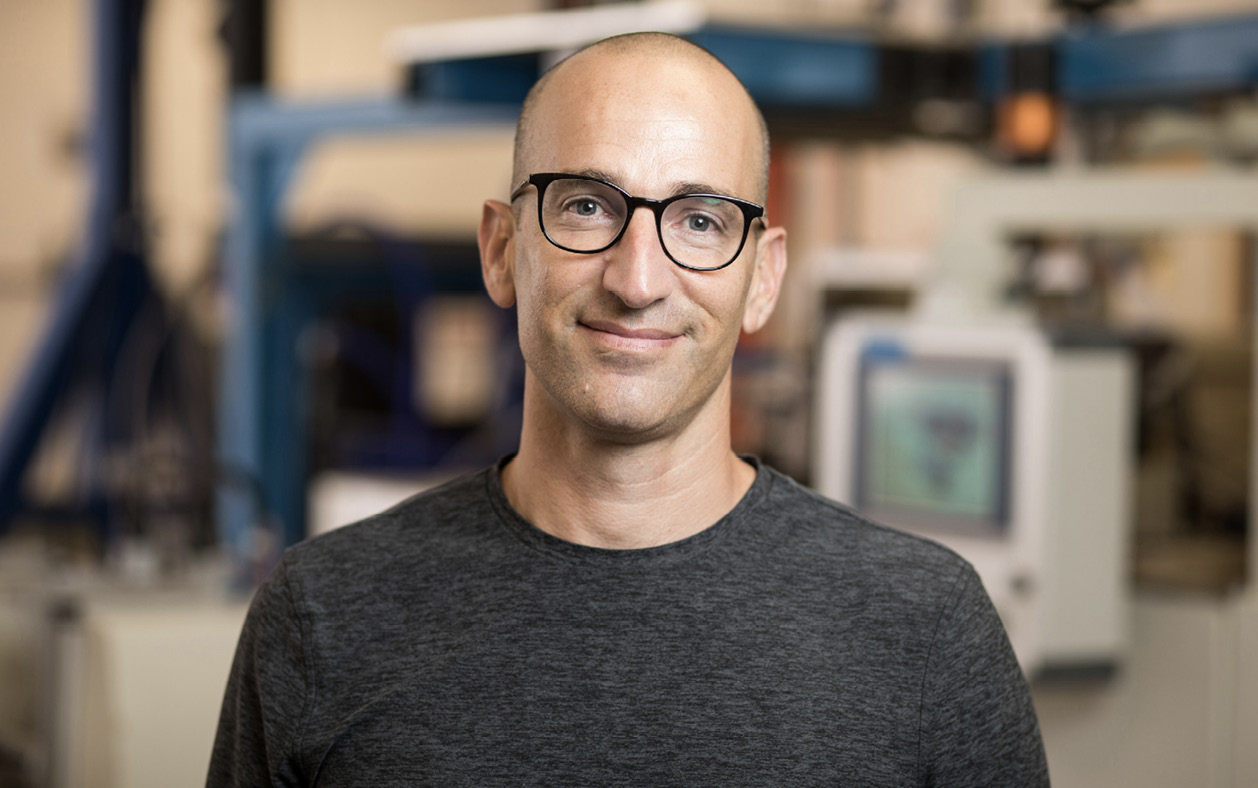
Graphene coatings for grid-scale BESS
Chicago-based startup Volexion makes drop-in graphene coating technology for commercial lithium-ion cathode materials used in electric vehicles (EVs) and standalone grid-scale storage. CEO Joe Adiletta told pv magazine he is dealing with international customers and partners, including cell manufacturers interested in the solution as an alternative to conventional cathode coating materials.
Apr 02, 2026
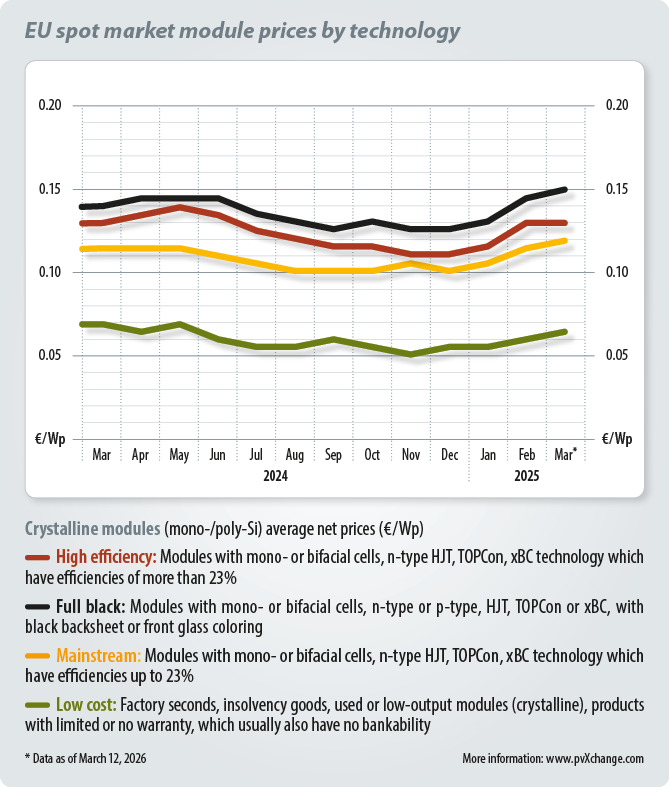
Prices go up, opposition returns
Price increases across all PV module technology classes were even stronger in February 2026 than forecast in January. Meanwhile, more political headwinds on both sides of the Atlantic mean the renewables industry has yet more work to do, writes Martin Schachinger of pvXchange.
Apr 02, 2026
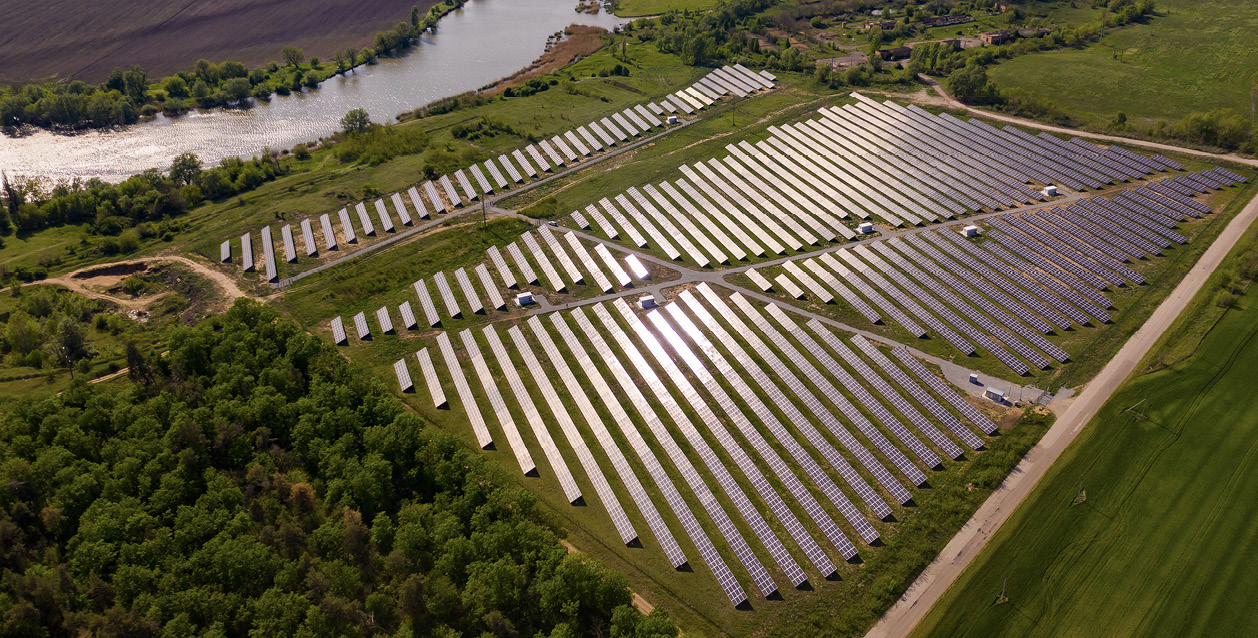
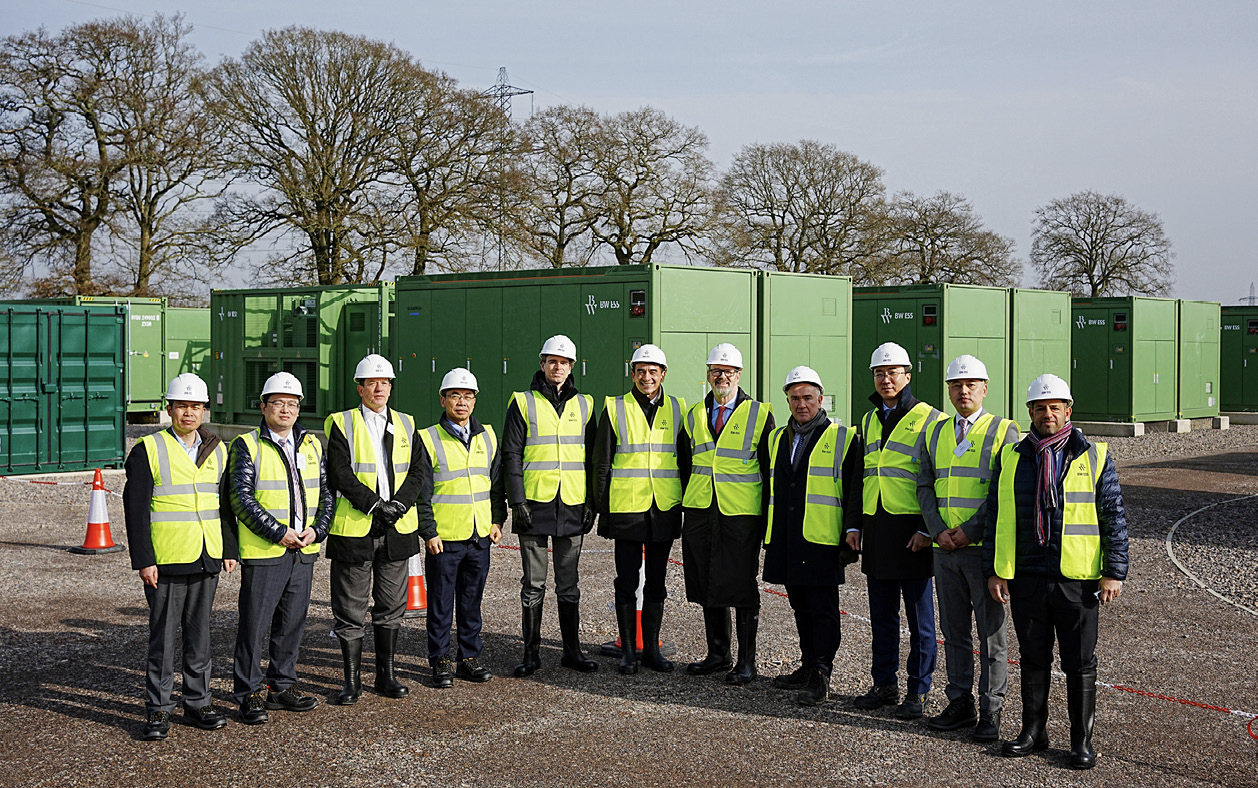
Tolling takes off in Europe
Tolling was the fastest-growing BESS revenue structure in 2025, according to Modo Energy. The benchmarker’s European BESS 2025 report, published in March 2026, recorded 15 publicly announced deals, up from just three in 2024. Germany and the United Kingdom were the top markets for offtake agreements, followed by Italy and France.
Apr 02, 2026
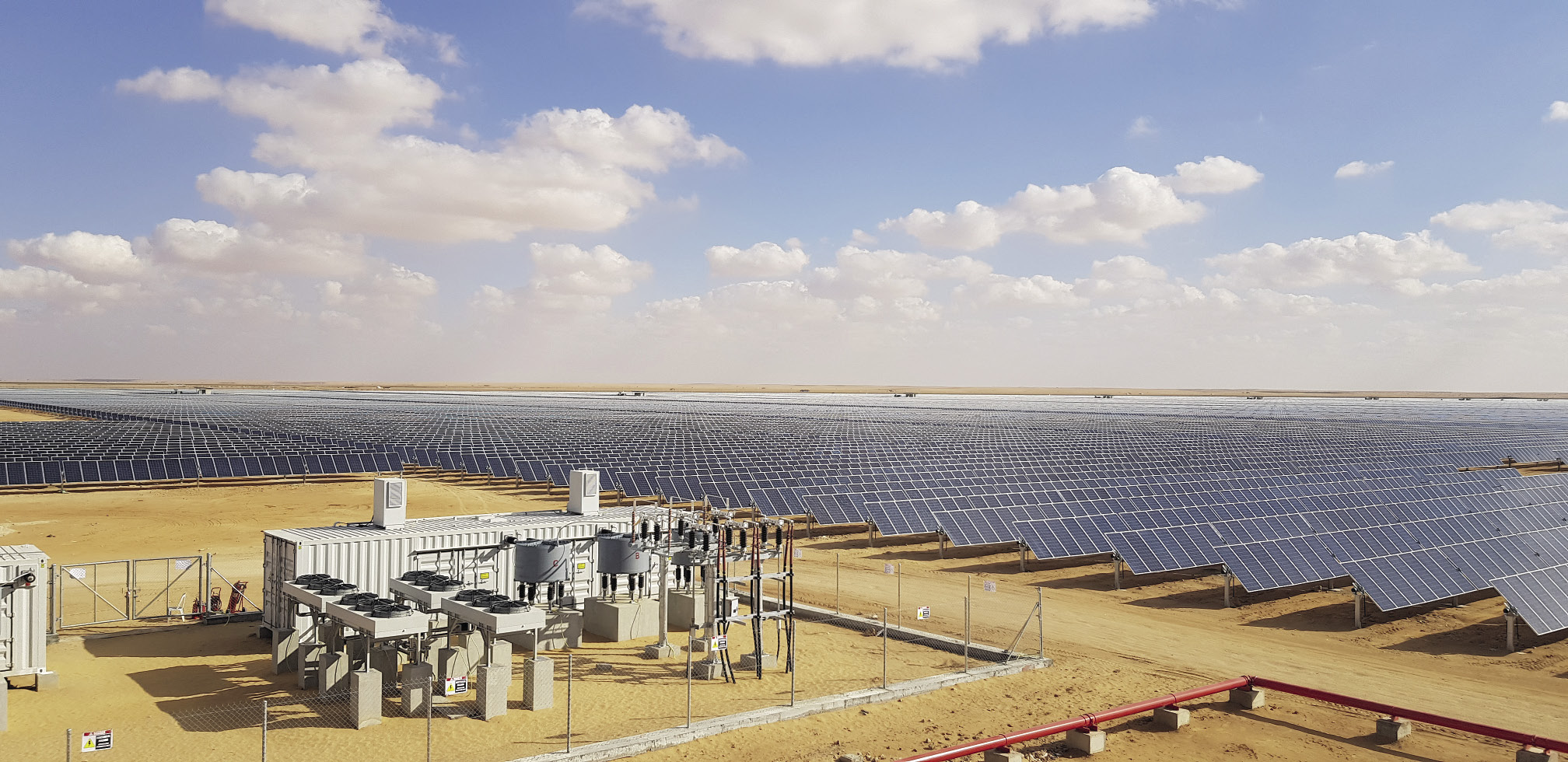
Three realities for MENA storage
The energy storage sector in the Middle East and North Africa (MENA) region is shaped by three distinct realities, each driven by vastly different economic, political, and social forces. These include capital-rich mega-projects, commercial sectors grappling with fossil fuel subsidy reforms, and conflict-affected nations where offgrid power is a matter of survival.
Apr 02, 2026
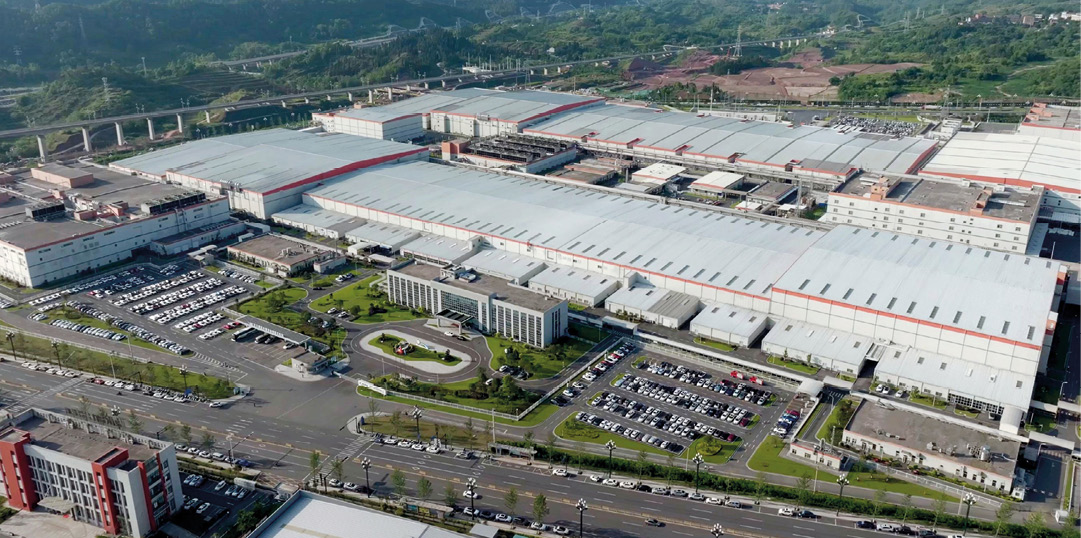
The battery cost disconnect
For years, the battery energy storage (BESS) story has followed a familiar script: costs fall, deployment accelerates, economics improve. Even when cell costs rose and system prices briefly flattened during the 2021-22 lithium price spike, the narrative largely held. Paola Perez Peña, senior principal analyst at S&P Global Energy, examines why the latest jump in lithium prices has only had limited impacts on overall BESS costs so far.
Apr 02, 2026

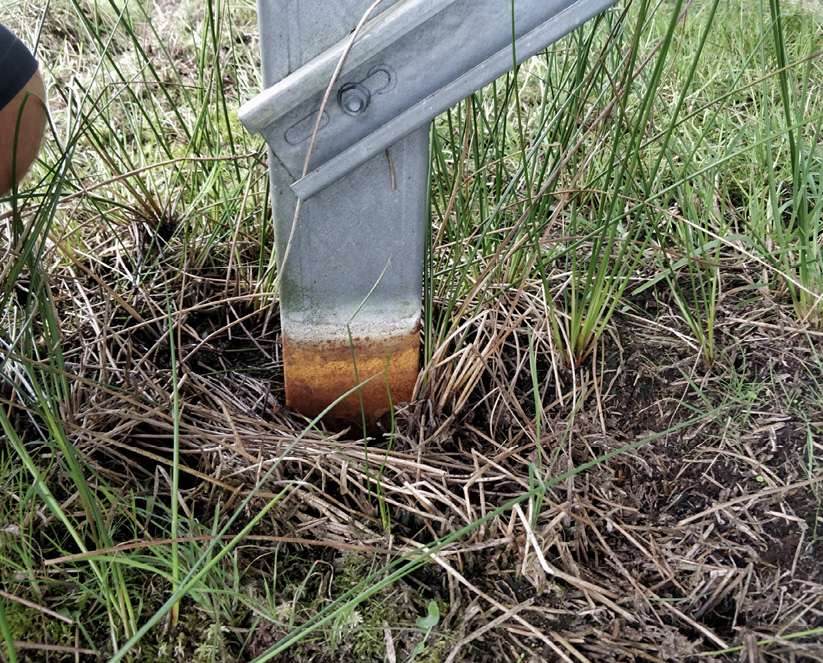
Resisting rust
Over a 30-year asset life, corrosion can evolve into a structural, electrical, and fire safety issue. Corrosion drives up operations and maintenance (O&M) costs, reduces resilience to extreme events, and in some cases, can force premature decommissioning or complete structural replacement Intertek CEA’s Nicholas Hudson and Ankil Sanghvi advise on best practices.
Apr 02, 2026
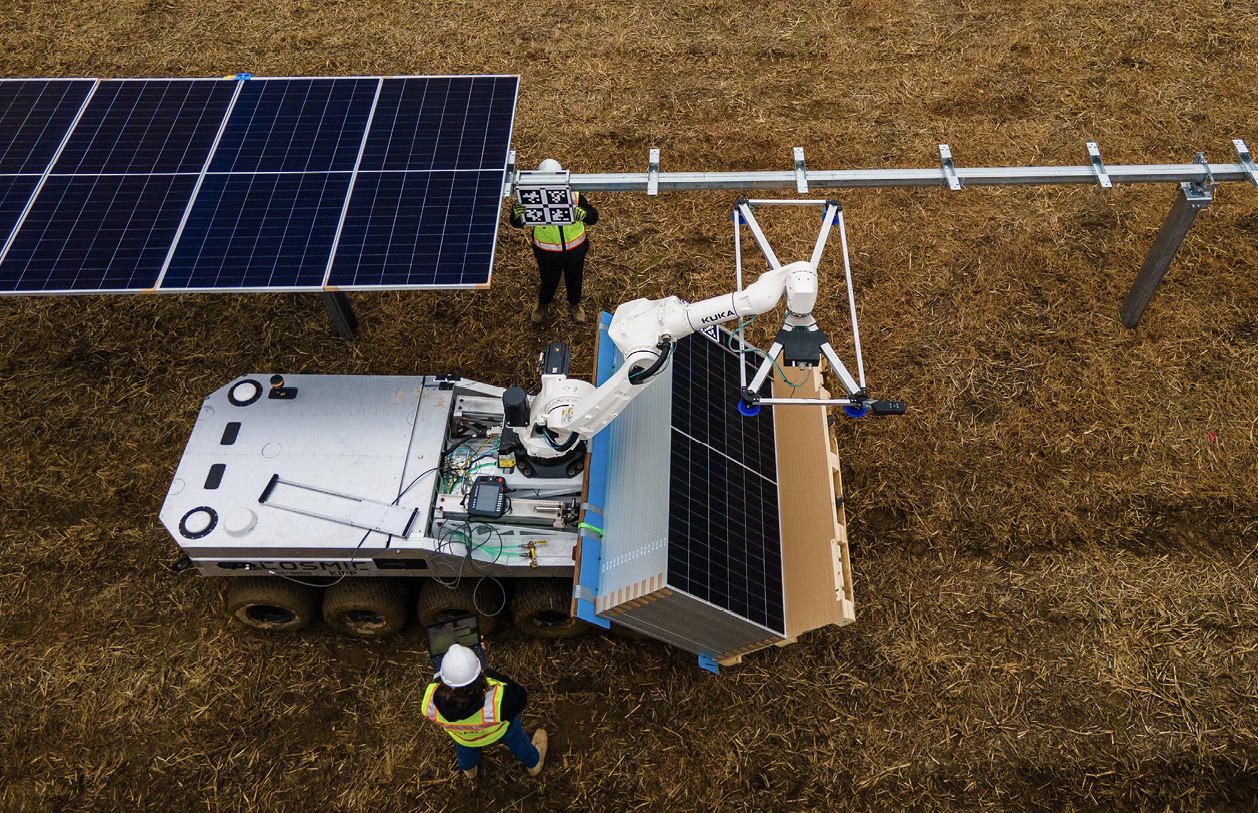
Robots taking the load off installers
Compared to some industries, construction has been slower to adopt automation. Most projects are custom designed, and work needs to be done on-site rather than on a factory floor. However, robots are an increasingly common sight at large-scale PV construction sites. Helge Biernath, CEO of California-based PV construction contractor Sunstall, shares his experience integrating installer robots into projects.
Apr 02, 2026

Prepare for launch
Human activities in space have been solar powered for more than 70 years. Now, as the space industry accelerates, new opportunities are emerging for specialized solar manufacturers, writes Jake Veloza of Eternal Sun Wavelabs. The extreme and unforgiving conditions of space demand a high level of performance and durability, and accurate testing methods will be needed to get these new solutions off the ground.
Apr 02, 2026
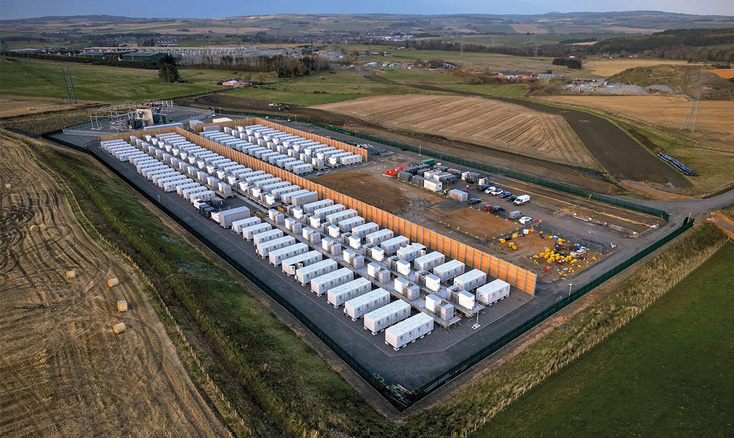
Resilience in the inverter age
Maintaining grid stability becomes more challenging as the share of intermittent renewables grows in the electricity generation mix, but system resilience is essential to continued solar deployment. Grid-forming inverters offer a solution, and their capabilities are increasingly being tested and relied upon in key energy markets globally. Major inverter and battery energy storage system (BESS) manufacturers see opportunities here too and are jockeying for position with pilot projects and product launches, as Matthew Lynas reports.
Apr 02, 2026

Reframing energy
In a new report, energy think tank Ember sets out an alternative way to look at the energy system, which it argues better takes into account the electrification of various industry sectors, along with other changes shaping the future of the energy system. pv magazine spoke with Ember Principal Daan Walter about why taking the perspective of a consumer rather than a supplier offers a better understanding of the energy system and its changing shape.
Apr 02, 2026
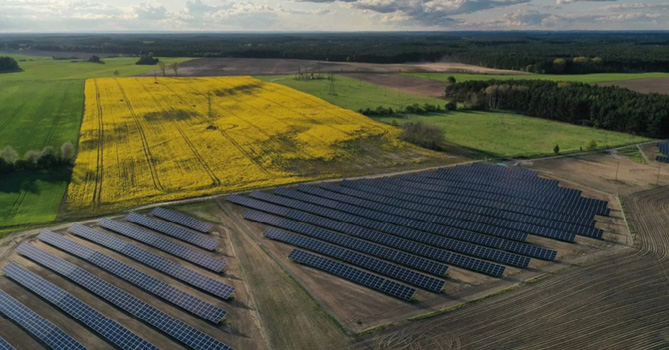
Poland’s battery test case
As European energy storage markets accelerate, a 150 MW/300 MWh project now under construction in northern Poland is testing whether appropriate commercial structures can survive regulatory turbulence – and potentially provide a blueprint for other installations that follow, as Brian Publicover reports.
Apr 02, 2026

Tensions test solar supply
The US-Israeli conflict with Iran is unlikely to materially affect solar manufacturing projects in the Middle East for now, as most of these investments remain at an early stage. OPIS analyst Brian Ng sees the most immediate risk in logistics. If disruptions persist, shipments of solar products into the region could be delayed and export pricing may turn volatile.
Apr 02, 2026

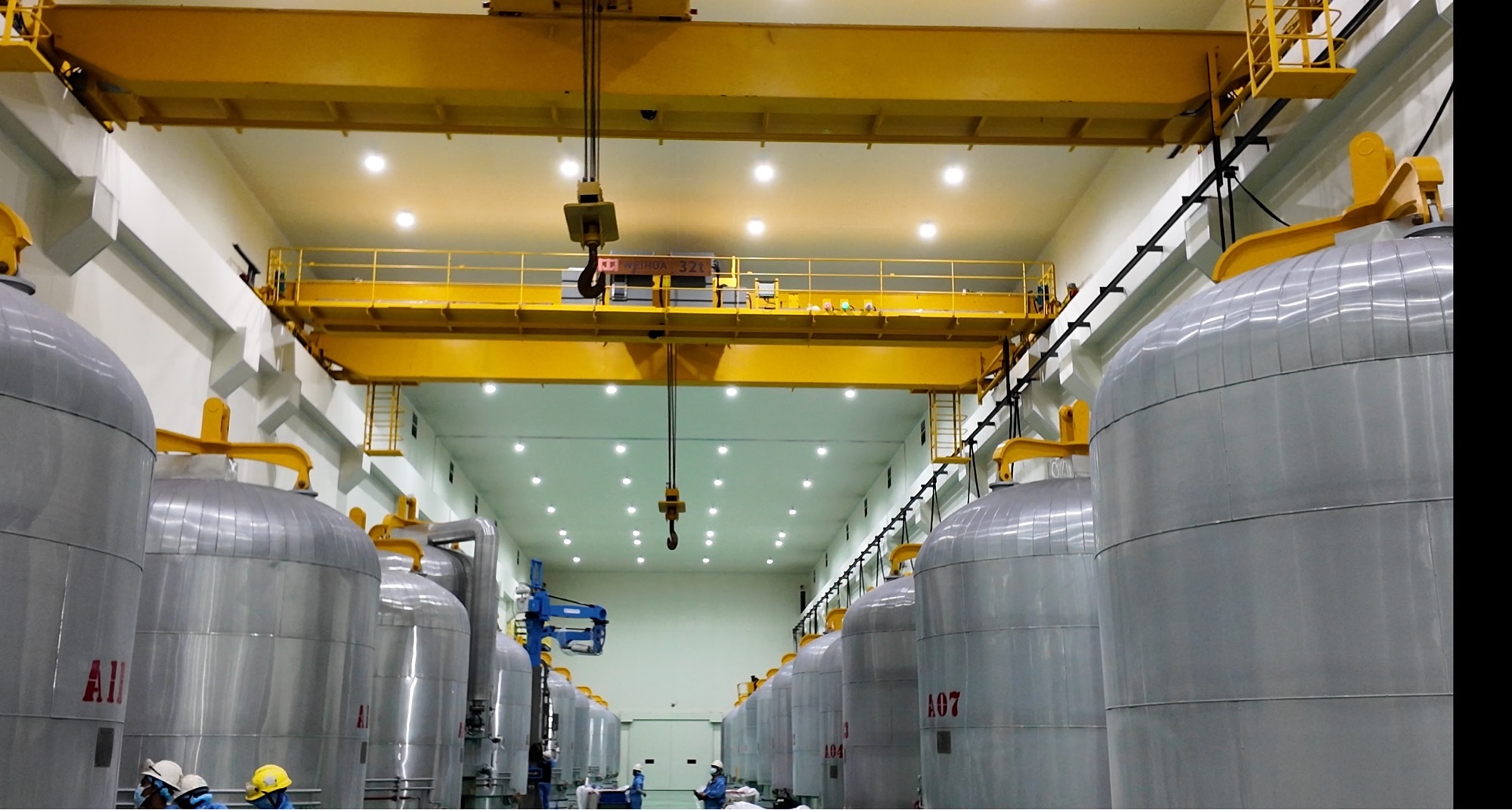
Ramping up for global poly demand
February 2026 marked the start of production at United Solar Polysilicon’s (USP) new polysilicon factory in the Sohar Port and Free Zone of Oman. As the factory ramps up to its full 100,000 metric tons (MT) of capacity, pv magazine spoke with USP chief financial officer Binyam Giorgis about how a polysilicon factory at this scale outside China could influence the global solar supply chain, and the challenges it will face in ramping up and securing long-term demand.
Apr 02, 2026
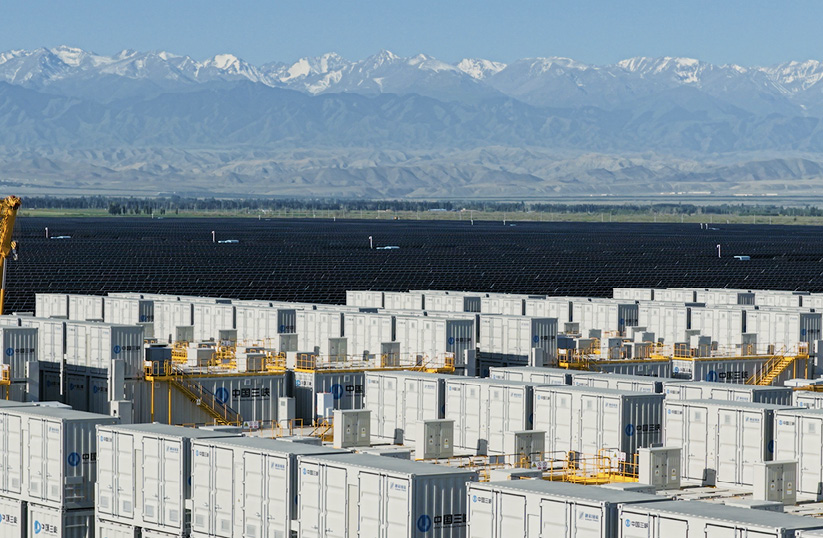

Powering data centers in the desert
The Middle East and North Africa (MENA) region’s very high irradiance levels and low electricity costs make it an ideal location to develop utility-scale solar plants to power critical infrastructure such as hyperscale AI data centers. However, droughts and storms, hardware supply chain shortages, and geopolitical conflict all pose challenges for investors. But increased investor confidence is precisely what the region needs to prepare for 100% renewable energy powered data centers.
Apr 02, 2026

Inspirational winners
What does it take to win a pv magazine Award? Catch up with the inspirational pv magazine Awards 2025 winners, who brought innovation to the foreground with new products, projects and initiatives with real market impact. Quality was on display across each category and each trophy awarded was thoroughly well deserved. Congratulations once again to pv magazine Award 2025 winners.
Apr 02, 2026

Stemming the tide
Managing flood risk at a PV site requires a complex understanding of the surrounding land, local infrastructure, and weather patterns. pv magazine spoke with Hossein Ghoveisi, hydrology lead, and Brett Beattie, director of civil engineering at Castillo Engineering, about how a detailed flood risk assessment at an early stage can help avoid problems later on.
Apr 02, 2026