
pv magazine Subscriptions
A pv magazine Global subscription provides comprehensive coverage of the solar and energy storage sectors. Available as digital-only or print + digital, it gives readers access to in-depth articles, expert analysis, and premium content.
Published 12 times per year in English, pv magazine Global reports on global market trends, technology developments, major projects, and policy frameworks shaping the solar and storage industry worldwide. Stay informed with trusted, independent reporting.


Take a look at our premium content
By subscribing, you get access to our entire digital archive, consisting of over 4,000 articles.
All premium articles
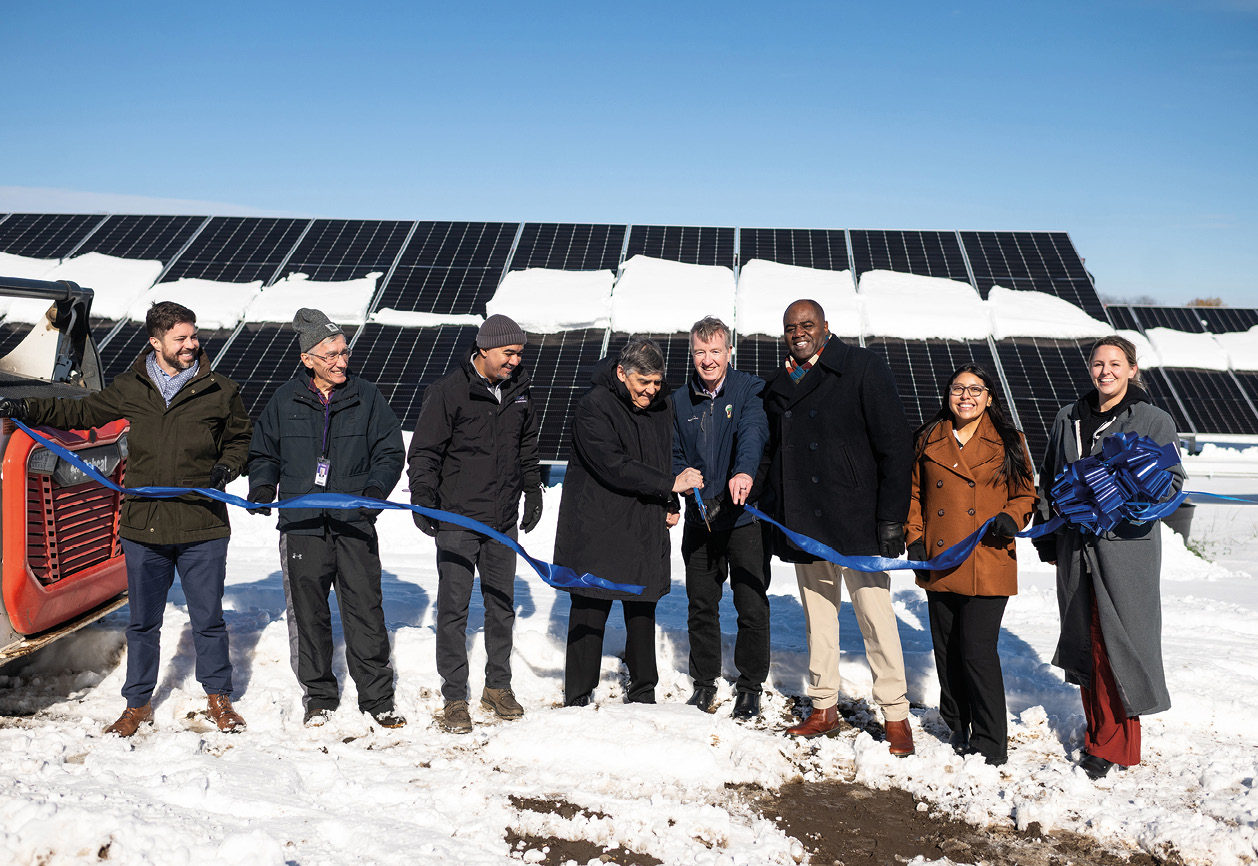
Middle market momentum
The rollback of policies favoring renewable energy deployment in the United States is contributing to an energy affordability crisis in many communities, according to Jon Powers, president of Clean Capital, a US independent power producer (IPP) active in the distributed generation segment. He spoke with pv magazine to warn fellow industry veterans that now is the time to ramp up solar deployment advocacy as elections loom and energy prices become a bipartisan issue.
Oct 03, 2026
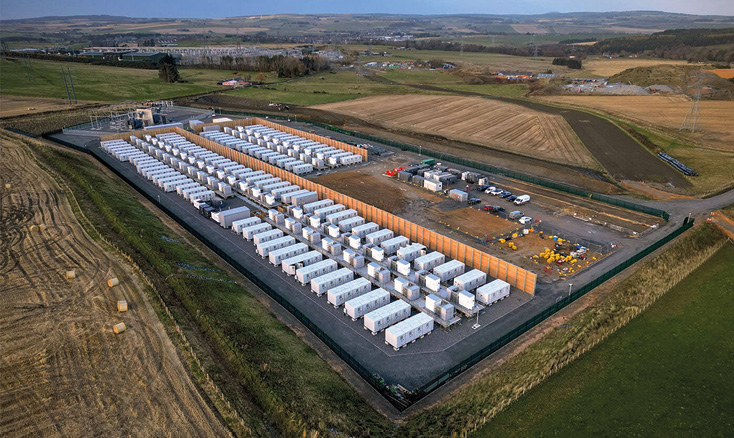
Age awareness for BESS
As the use cases for battery energy storage systems (BESS) evolve, so does the way the batteries are operated. How these changes affect BESS lifetime and reliability is a question the industry needs answered, and one the International Energy Agency’s Photovoltaic Power Systems Programme (IEA-PVPS) is working to address. Erik Marstein, director of Norwegian PV Research Center FME Solar, outlines the results of recent research into BESS reliability and how asset owners can take system aging into account in daily operations.
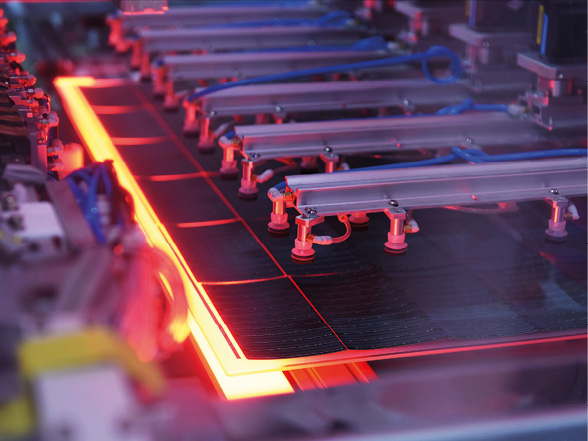
Module cooling: too hot to handle
Even after the record-breaking heat waves of this summer and associated performance losses at PV plants across the northern hemisphere, active cooling for solar arrays remains a difficult market prospect. Developers might be a bit more interested in preventing temperature-related losses, but in most cases, the numbers still don’t quite add up.

Peeling back the layers
As part of a PV module’s construction, front and rear encapsulants are used to bond solar cells to the front (typically glass) and rear (glass or polymer backsheet) surfaces. When these components degrade, delamination or bubbles can occur, opening new channels for moisture and oxygen ingress, drastically accelerating other failure mechanisms such as cell metallization corrosion.
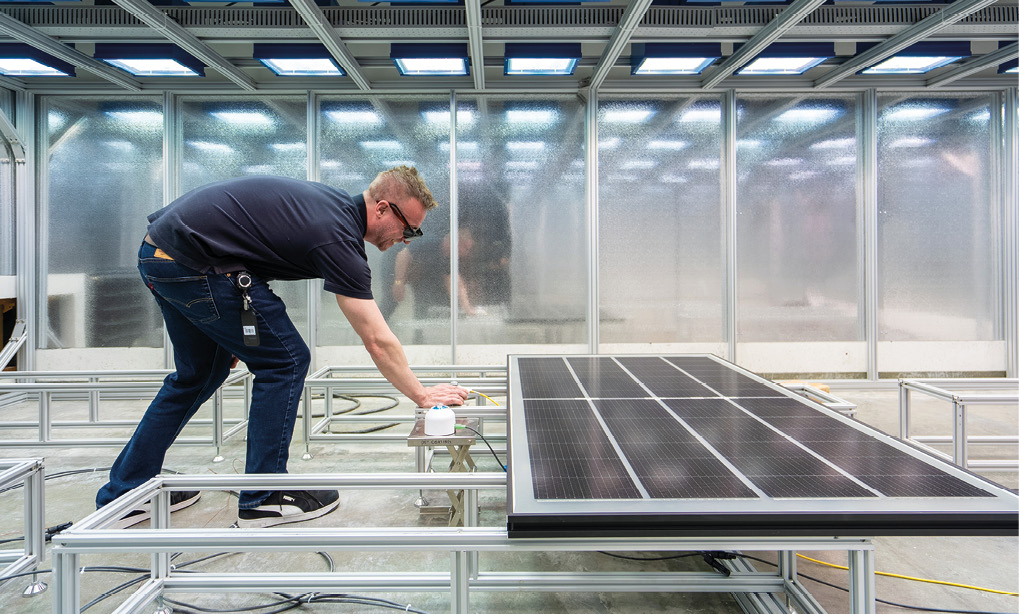
Shedding light on ultraviolet-induced degradation
Recent testing to better understand power degradation during highly accelerated UV exposure indicates that ultraviolet-induced degradation observed in the laboratory is real, partially reversible, and – perhaps most importantly – entirely preventable. Cherif Kedir of the Renewable Energy Test Center (RETC) shares the results of its latest round of module testing.
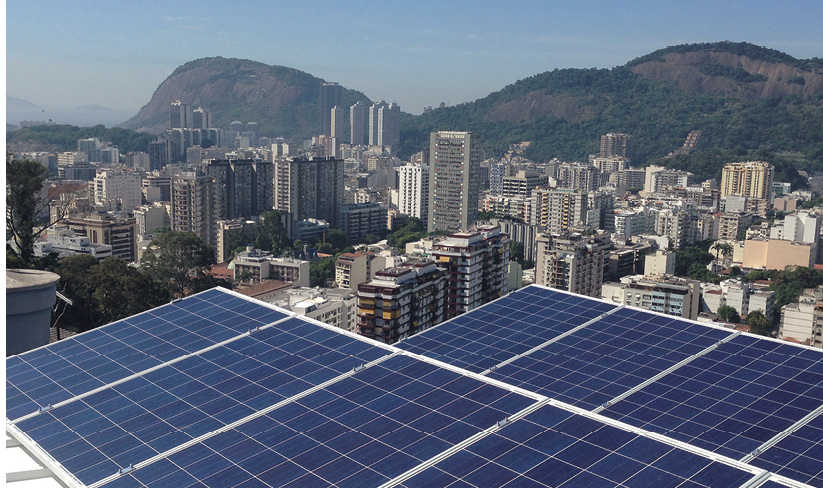
Coordination can bring value to Brazil
More curtailment and steeper ramp rates are proving costly in Brazil, but a lack of regulation for virtual power plants (VPPs) is limiting the potential for distributed assets to smooth out the demand curve. Henrique Ribeiro from S&P Global explains how VPPs could better support Brazil’s transition while reducing reliance on expensive thermal generators.

Fighting coastal corrosion
Salt in the air can wreak havoc with projects that lack the necessary corrosion resistance, proving costly for asset owners or the engineering, procurement and construction (EPC) companies that built them. Alexander Gebert, sales director at Tobsteel, argues that quality stainless steel fasteners can save costs for solar investors and engineering, procurement and construction (EPC) contractors in the long run.
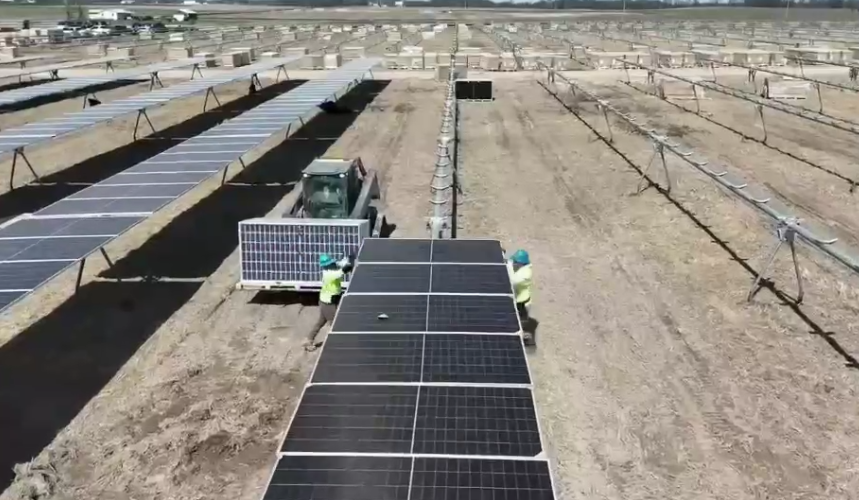
Adapt to deliver
The US solar industry has become remarkably good at building utility-scale projects. The challenge now is delivering on the exact day the interconnection agreement expects. Chinmay Pingulkar of engineering, procurement, and construction (EPC) supplier Mortenson Construction outlines key considerations for project scheduling.

The great British takeoff
Despite grid connection headaches and the realities of securing planning approval, solar deployment in the United Kingdom has returned to healthy volumes with a growing capacity pipeline. With ambitious capacity targets set for 2030, pv magazine catches up with Solar Energy UK’s Chris Hewett for the latest on a market that’s showing promise.

Silicon evolution
China’s policy cracking down on oversupply and cheap, low-quality products, due to come into effect in 2027, sets higher minimum standards and is expected to push module manufacturers to advance their R&D efforts. Some manufacturers are already using their existing crystalline silicon lines to produce perovskite-silicon tandem cells, while others are exploring opportunities in back-contact production. InfoLink’s Hardy He tracks the emerging technological pathways to higher efficiencies and healthier competition.
Already a subscriber?
Login