Author
Charles W. Thurston
Charles specializes in renewable energy, from finance to technological processes. Writing for pv magazine since 2010, he focuses on balance of systems, tracking, the EPC sector, and the Brazilian market. He has been active in the industry for over 25 years, living and working in locations ranging from Brazil to Papua New Guinea.
Advertisement
Articles written by Charles W. Thurston
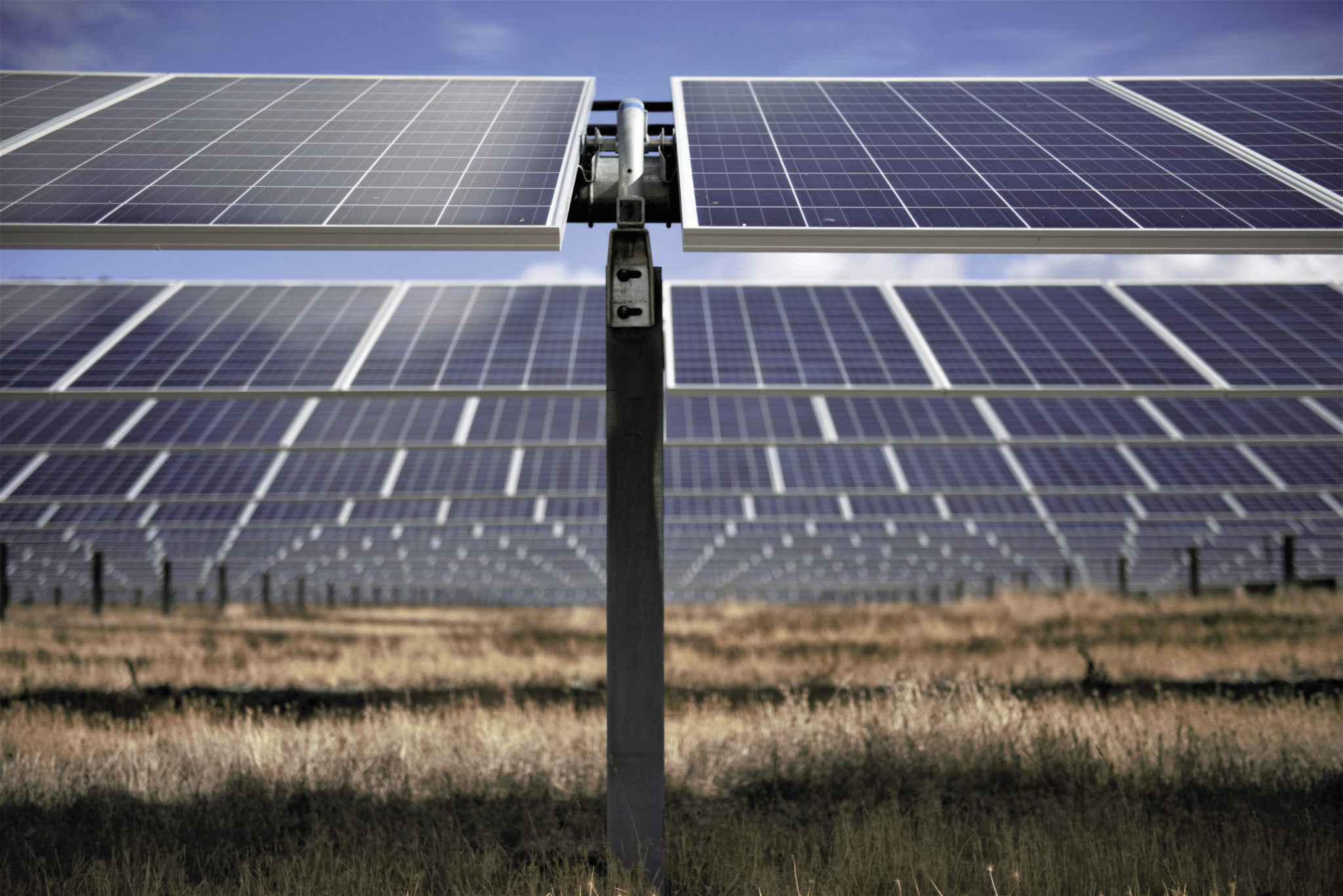
The weekend read: On track for broader horizons
The global vertical integration of the PV tracker industry is accelerating, as players seek to build organizations that can provide manufacturing and support in multiple markets simultaneously. These partnerships tend to connect intellectual property assets with global manufacturing capability and construction and engineering teams that have the financial wherewithal to pursue international markets. The trend also is driving product line expansion, as in the case of Nextracker’s offering of energy storage as an integrated part of its tracker design.
Oct 27, 2018

Advertisement

The weekend read: A new test for trackers
The benefits of deploying bifacial solar panels on single-axis trackers are touted like snake oil these days, with promises of anywhere from 5 to 50% gains in energy output compared with a monofacial panel. Unfortunately, the field data that might delineate the actual energy gain of a bifacial panel on a tracker are hard to acquire, and the data that are available typically describe small-scale tests under tightly defined conditions.
Sep 08, 2018

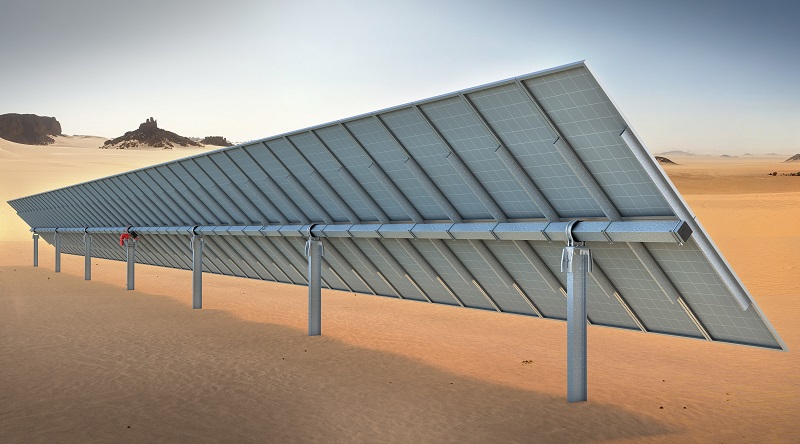
The weekend read: On track for quality improvement
China continues to grow in importance as a key source of components for solar trackers produced by the world’s leading tracker companies, in part since improvements in Chinese quality control have advanced significantly over the last few years.
Apr 21, 2018
Advertisement

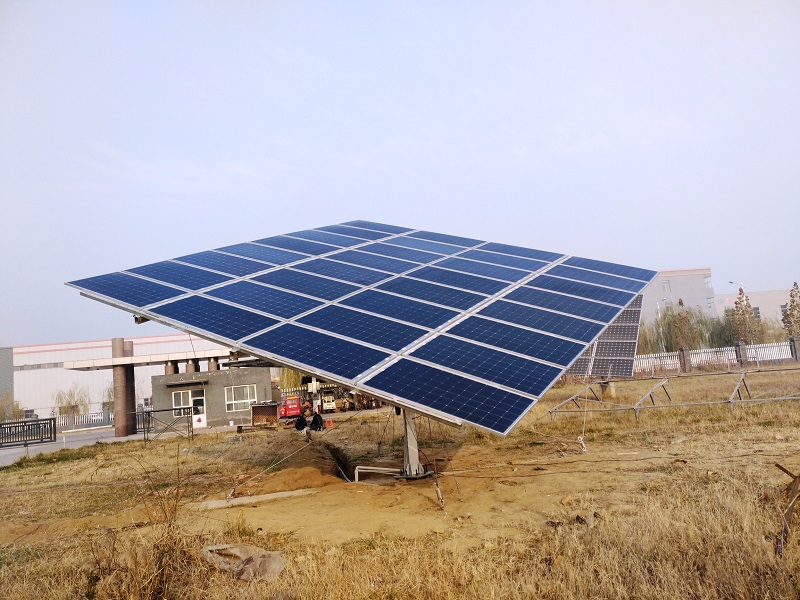
The weekend read: Tracker market is adapting to bifacial module technology
Solar tracker makers are bringing specially designed models to the market in order to embrace the coming wave of bifacial panels. While bifacial panels may capture up to 10% more light than monofacial panels, single-axis trackers typically add 25% to that bifacial gain, resulting in a roughly estimated 12.5% gain from the two technologies combined, compared with fixed installs using monofacial panels.
Feb 17, 2018

Advertisement