UK opens door to plug-in solar boom
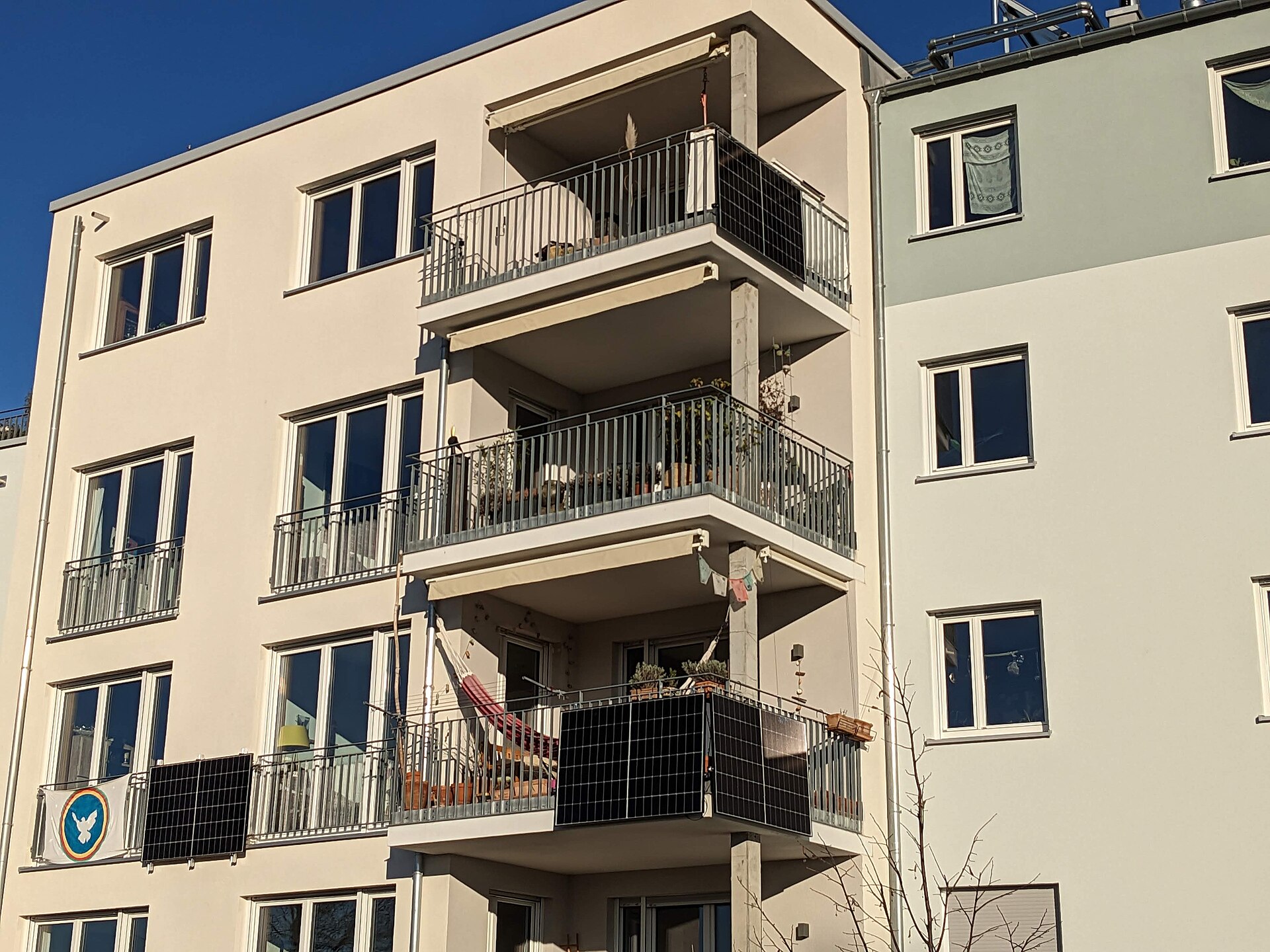
Low-cost plug-in solar panels will soon be legal in the UK, as the government moves to widen access to renewable energy. Systems under 800 W will no longer need to be installed by a qualified electrician, easing regulatory barriers for households.
The government is reportedly in discussions with retailers including Lidl and Amazon and legal sales of plug-in solar panels are expected to begin in summer 2026.
Home solar has grown rapidly in the UK. Government data show that 2.2 GW of solar capacity was installed in the 12 months to February 2025, including 233,000 new sub‑10 kW systems. There are currently 1.9 million sub‑10 kW systems in operation, with domestic solar of all sizes accounting for 6.5 GW of the UK’s 22 GW total solar capacity.
Traditional home solar systems must be installed by a qualified electrician. The UK’s Energy Savings Trust estimates a typical 3.7 kW system costs around £6,300 ($8,443) to install in London, and could save the household around £560 per year, offering an 11-year payback. This is unaffordable and unattractive for many people. By contrast, an 800 W plug-in solar system costs around €280 in Germany. Prices in the UK are currently around £400 but there are suggestions that a more mainstream offer could see prices fall below this. Such systems could provide a payback in under 4 years.
The new systems are fully portable, making them suitable for renters and homeowners who move frequently. They can be installed on balconies, leaned against walls, or placed on garden sheds.
The affordability and accessibility of plug-in solar could make it an impulse purchase for the first time. Coupled with rising energy costs and climate concerns, market conditions are favorable. With effective marketing and attractive pricing, annual sales could reach up to 450,000 units – three times the current rate of traditional home solar installations – mirroring uptake rates in Germany. This would add up to 360 MW of new solar capacity per year.
Plug-in systems under 800 W can be plugged directly into a standard household socket, powering any appliance in the home. Surplus electricity is exported to the grid.
It remains unclear how energy suppliers will treat exports when wholesale electricity prices are negative. Modelling by the Electricity Market Outlook, using the price-induced market equilibrium system – internal energy market (PRIMES-IEM) model, projects that up to 25 % of UK solar generation could occur during negative-priced periods by 2030. This is caused by the midday peak in solar generation, combined with high wind generation, pushing prices down.
If consumers must pay to export power during these periods, the financial benefits of plug-in solar could be reduced, potentially limiting uptake. Pairing plug-in solar with battery energy storage systems (BESS) could mitigate this risk. Otherwise, a rapid increase in plug-in solar could depress grid prices further, creating challenges for both consumers and the wider system.
Plug-in solar promises to make renewable energy ownership more affordable and accessible across the UK. With rapid growth in offshore wind, solar, and battery storage, the UK may now be ready to accelerate adoption of small-scale home solar.
Author: Sarah Merrick, Market Lead for the UK and Ireland for the Electricity Market Outlook at Ricardo, Member of WSP.
Ricardo is a member of professional service firm WSP Group, uniting engineering, advisory and science-based expertise to shape communities to advance humanity. From local beginnings to a globe-spanning presence today, it operates in over 50 countries and provides solutions and delivers innovative projects across sectors: Transport & Infrastructure, Property & Buildings, Earth & Environment, Water, Power & Energy and Mining & Metals.
The views and opinions expressed in this article are the author’s own, and do not necessarily reflect those held by pv magazine.
This content is protected by copyright and may not be reused. If you want to cooperate with us and would like to reuse some of our content, please contact: [email protected].
Please login to comment

Here in the republic of Ireland 🇮🇪, we seem to get left behind, “last to know” of all the new teck to help home owners, with insulation, under floor heating, solar panels, windturbines. No the Government here want to bleed the people dry. They take 60% tax from fuel, everything we use is taxed tax tax tax Greed.
Again, for reasons of greed, the US power grid
management and government fail the American public never initiating power cost saving that benefits individuals….
I called several companies about balcony portable plug in modules and none had a clue
To what I was even talking about. Some States are beginning legislation but, that means more costs for the private guy and profits for the rich….Trump has no clue!