Reshaping storage revenue in Shandong
China’s pioneering electricity spot market offers a case study on what market liberalization might mean for the country’s energy storage revenues. Storage mandates are out and markets are in. With the additional support of a new capacity mechanism, Yujia Han examines what it might mean for standalone battery energy storage system (BESS) revenues.
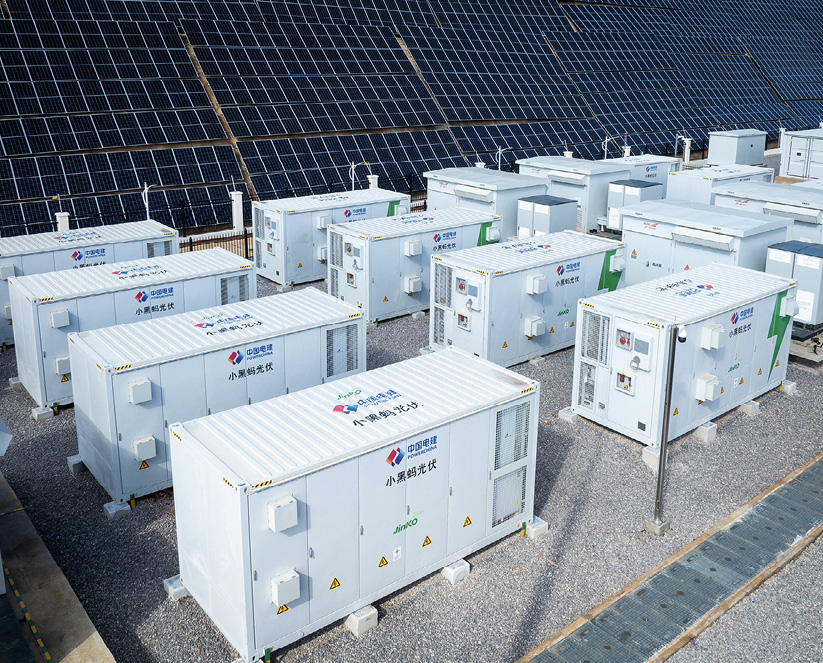
China’s standalone energy storage sector was built on a policy guarantee. Independent storage operators could count on contracted leasing fees from renewable developers under co-location mandates. This has changed with China’s Document No. 136 (DN136), a market liberalization policy introduced in February 2025. There is no mandate for solar or wind projects to co-locate with …

Advertisement
Advertisement
Advertisement
Advertisement