Hybrid solar-hydrogen project planned at Antarctic base

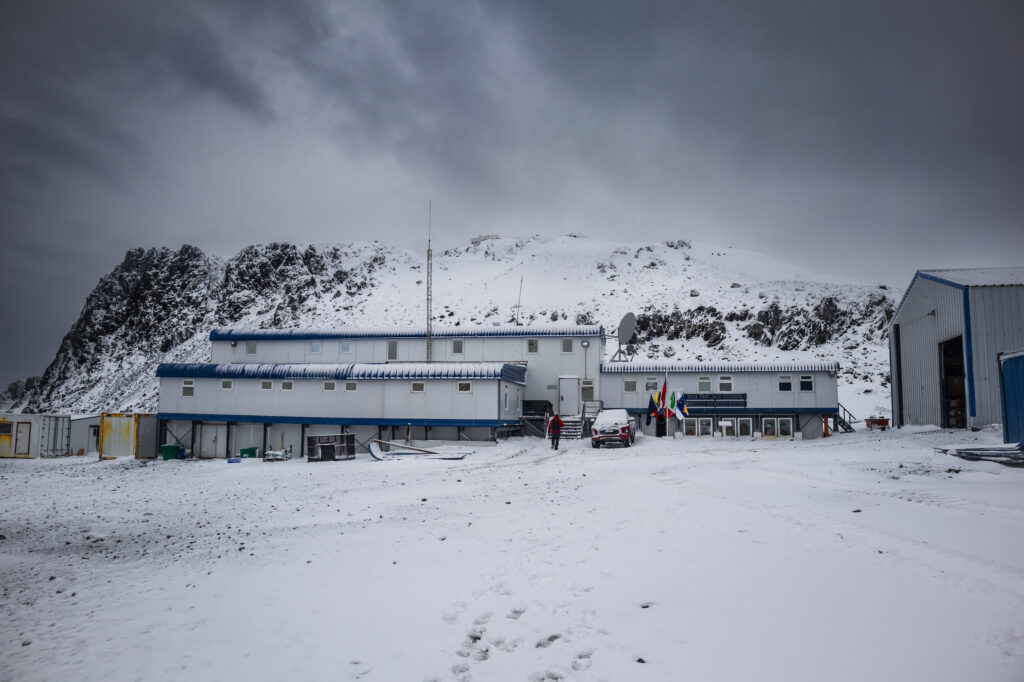
A pilot project combining a 27 kW solar PV system with batteries and hydrogen fuel cells is under development at a Chilean scientific base on an Antarctic island.
The project is being developed at the Professor Julio Escudero Scientific Base, operated by the Chilean Antarctic Institute (INACH) on King George Island, which lies around 120 km off the coast of Antarctica.
The initiative is being implemented by the German agency Deutsche Gesellschaft für Internationale Zusammenarbeit (GIZ) as part of the Team Europe Renewable Hydrogen Development (RH2) project, with co-financing from the European Union and Germany’s Federal Ministry for Economic Affairs and Energy (BMWE).
The proposed project aims to test hybrid energy solutions in one of the world’s most demanding operating environments while reducing reliance on fossil fuels in Antarctic infrastructure.
According to the project’s pre-feasibility study, one option under consideration is a 27 kW solar photovoltaic plant using 500 W monocrystalline solar panels. This configuration would generate an estimated 66 kWh per day, 1,980 kWh per month, and 11,880 kWh per six-month season. Given the output of each module, the design would require approximately 54 solar panels. The report also compares this option with a 12 kW wind power plant and an 11 kW optoelectric solar panel system.
On the hydrogen side, the conceptual design envisions on-site hydrogen production using a small electrolyzer with a capacity of approximately 0.5 Nm³/h, equivalent to 1 kg of hydrogen per day, and a nominal electricity consumption of 2.4–5 kW. The study allows for alkaline, PEM, or AEM electrolyzer technologies, as all three meet the pilot project’s requirements.
The hydrogen would be stored as a gas in stationary tanks or cylinders with a minimum capacity of 5 kg and a maximum pressure of 30–40 bar. The stored hydrogen would feed PEM fuel cells designed to provide 30 kW of backup power to the base laboratory for up to two hours per month. Estimated hydrogen consumption for this purpose is 4.14 kg per month, 25 kg per operating season, and 50 kg per year.
The electricity generated by the fuel cells would require a 30 kW inverter and an automatic transfer switchboard to isolate and directly power the laboratory in the event of a power outage. The system design also includes hydrogen leak sensors, alarm systems, emergency shutdown mechanisms, thermal control, air renewal systems, water purification equipment, and stainless-steel piping for hydrogen, water, and oxygen venting.
The project emerged following studies conducted in 2022 and 2023, which assessed the technical and economic feasibility of using hydrogen as a source of electricity and heat under extreme conditions. The analyses concluded that it is feasible to develop a modular system capable of producing, storing, and utilizing renewable hydrogen on-site.
This content is protected by copyright and may not be reused. If you want to cooperate with us and would like to reuse some of our content, please contact: [email protected].

Please login to comment