Study finds residential heat pumps offer flexibility potential even during coldest periods

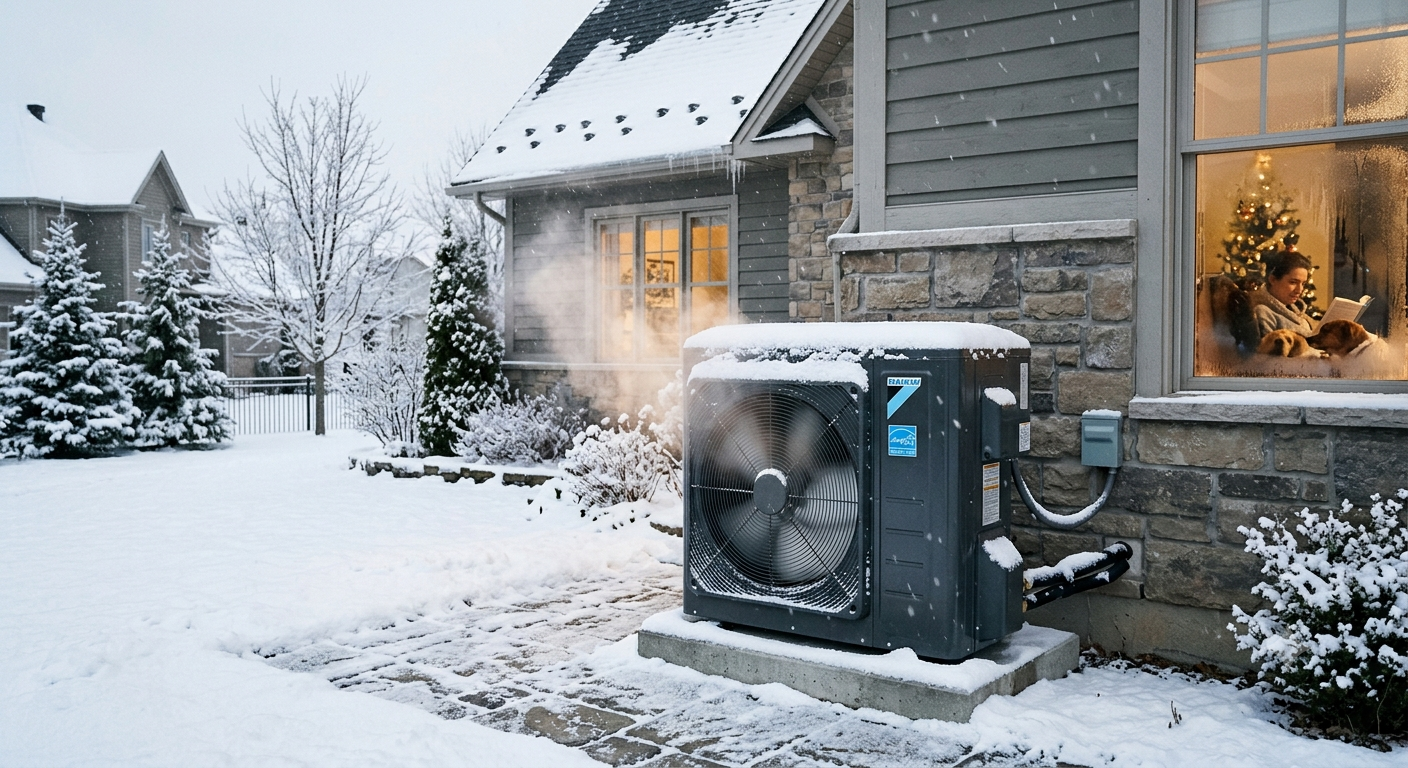
Researchers from the Technical University of Munich (TUM) and Austrian heating specialist iDM Energiesysteme have analyzed the performance of 761 residential air-to-water heat pumps in southern Germany and have found that even during peak winter conditions, the systems rarely operate at their maximum technical limits, offering “measurable” flexibility for grid-friendly load shifting.
“We observed that, even during the coldest periods examined, heat pump systems rarely run continuously at their maximum technical capacity, leaving room for flexible operation and grid-oriented load shifting,” corresponding author Thomas Haupt told pv magazine. “To fully exploit this flexibility potential, thermal storage systems need to be operated strategically in response to grid conditions.”
For their analysis, the researchers selected the Central Bavaria region, as it ensures sufficient heat pump datasets and limited altitude-related temperature variations. The analyzed area covers approximately 120 km × 150 km between Nuremberg and Munich and includes measurements from 31 DWD weather stations. Two cold periods, February 2021 and February 2023, were selected based on historical temperature analyses and heat pump data availability.
The assessment included modern modulating air-to-water heat pumps installed in single-family homes, with nominal capacities of 8–15 kW. Operational data were collected from the iDM cloud platform, sampled at 15-second intervals and aggregated to 15-minute intervals. After quality filtering and preprocessing, 283 valid heat pump datasets from 2021 and 761 from 2023 were analyzed.
Key performance indicators included compressor speed, operating time, system modes, thermal output, and electrical consumption. Aggregated and individual system evaluations were performed to assess operational behavior, flexibility, and the influence of external factors such as ambient temperature, user settings, and grid signals.
The analysis showed that median compressor speeds remained moderate at 35% in 2021 and 29% in 2023 during the coldest periods. Furthermore, heat pumps were found to operate for approximately 60–65% of the time, with space heating dominating operation and accounting for about half of the total operating period. Moreover, average coefficient of performance (COP) values ranged from 2.24 to 2.97 across all modes, increasing when considering space heating only.
Aggregated time-series results showed a clear relationship between lower outdoor temperatures and higher electricity demand. However, heat pumps never reached their theoretical maximum thermal output, indicating remaining flexibility potential. Peak electrical demand occurred mainly during morning hours due to space heating and domestic hot water (DHW) preparation. The contribution of backup heating elements increased peak loads but remained limited.
A significant thermal flexibility margin was identified, reaching 3.5 kW per system in 2021 and 4.61 kW per system in 2023. Individual case studies demonstrated varying flexibility levels, influenced by system sizing, control strategies, and operating settings. Overall, the results confirm substantial potential for load shifting through improved heat pump control and coordination with grid requirements, the scientists said.
“Based on the analysis of compressor runtime, operating duration, and thermal load variability, it can be concluded that operating times can be shifted and that heat pumps are technically capable of operating at higher power levels,” they concluded. “This reduces peak loads caused by the heating element.”
The research findings were presented in “Assessing grid-oriented flexibility of heat pumps in cold periods: Evidence from 761 residential heat pumps in Southern Germany,” published in Energy.
This content is protected by copyright and may not be reused. If you want to cooperate with us and would like to reuse some of our content, please contact: [email protected].

Please login to comment