India adds 3 GW of open-access solar in Q2

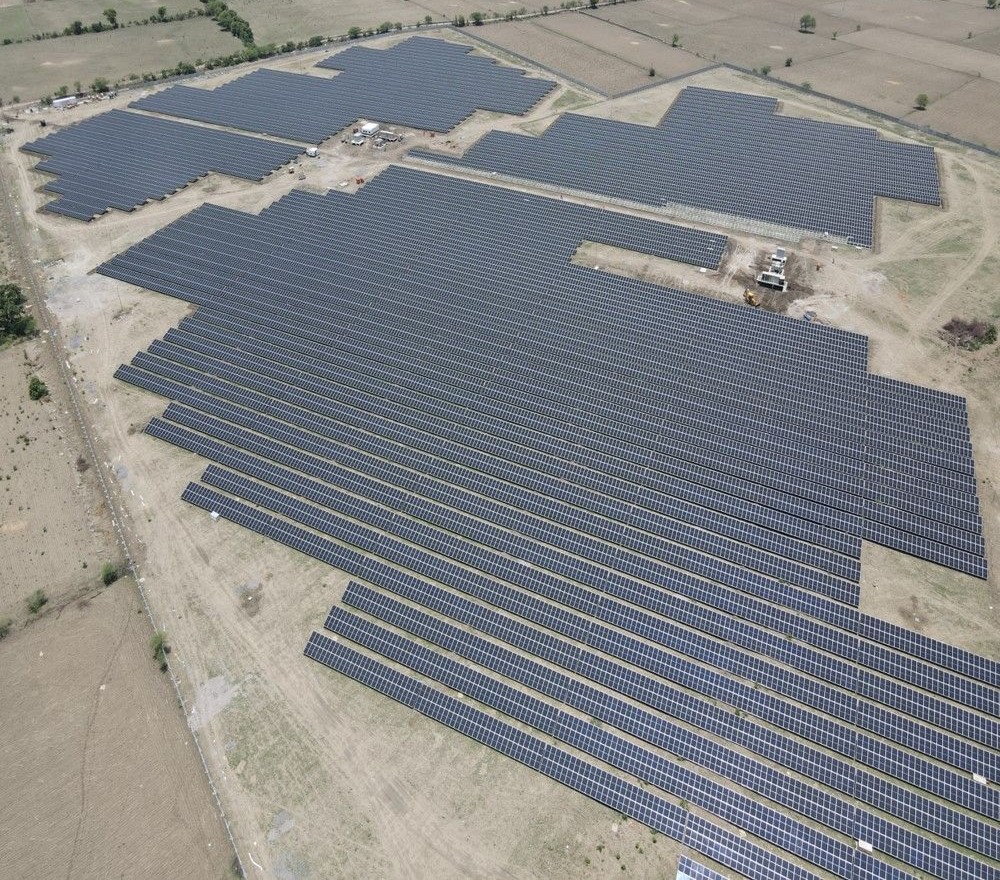
India added 3 GW of open-access solar capacity in the second quarter of 2026, marking the highest quarterly addition on record, according to Mercom India’s newly released Q2 & 1H 2026 India Solar Open Access Market Report.
In India, open-access solar allows commercial and industrial (C&I) consumers to procure electricity from off-site solar projects through the transmission and distribution network, rather than relying solely on their local distribution companies. Power is typically supplied under third-party power purchase agreements (PPAs) or captive and group-captive arrangements, with project economics determined by factors including state-level open-access regulations, grid charges, banking provisions and applicable surcharges.
The report also reveals that open-access installations rose 10% quarter on quarter, with Rajasthan accounting for 25% of capacity additions during the quarter.
Solar open-access additions reached nearly 6 GW in the first half of 2026, up 42% year on year from 4 GW in the same period of 2025.
Mercom India said installation activity during the first half of the year was influenced by regulatory deadlines and changing market conditions. Developers accelerated procurement and project commissioning ahead of the phased reduction of the interstate transmission system (ISTS) charge waiver and the implementation of sourcing requirements under the Approved List of Models and Manufacturers (ALMM) List-II.
The ALMM List-II requirements for open-access projects were subsequently deferred until the end of 2026. However, the extension came after the original deadline had passed, by which time many developers had already brought forward procurement and commissioning schedules.
“The record installations and a large pipeline demonstrate the strength of underlying demand from commercial and industrial consumers. However, rising project costs, transmission constraints, changing banking and open access regulations, and domestic sourcing requirements are putting pressure on project economics,” said Priya Sanjay, managing director at Mercom India.
“The opportunity remains significant, but growth will increasingly depend on states providing predictable regulations and developers being able to deliver projects at tariffs that continue to offer meaningful savings to consumers,” she added.
India’s cumulative installed open-access solar capacity reached 36 GW at the end of June 2026. Karnataka led with a 21% share of cumulative capacity, followed by Rajasthan and Maharashtra, each with 16%.
The five leading states accounted for 77% of cumulative capacity, reflecting the market’s continued concentration in states with strong industrial electricity demand and established open-access frameworks.
This content is protected by copyright and may not be reused. If you want to cooperate with us and would like to reuse some of our content, please contact: [email protected].

Please login to comment