Author

Lior Kahana
Advertisement
Articles written by Lior Kahana

Optimizing bifacial solar panels for floating PV applications in tropical freshwater
New research from India shows how bifacial solar modules should be deployed to achieve strong performance in floating PV projects planned on tropical freshwater. Their experimental setup demonstrated that higher efficiency gains are achievable by gauging panel height, water depth, and tilt angle.
Sep 12, 2024

Mimicking chimpanzees’ hunting behavior to improve PV prediction models
Researchers have used the chimp optimization algorithm to optimize the hyperparameters of five PV power yield prediction machine learning models. This algorithm is based on the cooperative hunting behavior of chimpanzees in nature, mimicking the way they work together to target prey.

Advertisement

Namibian utility secures financing for 100 MW of solar
Namibia Power Corp. (NamPower) has secured a loan from German state-owned development bank KfW to expand the planned Rosh Pinah project in Namibia from 70 MW to 100 MW. The NAD 1.3 billion ($72.6 million) loan will cover 80% of the solar project’s costs.

New algorithm enables cost-optimized operation of residential heat pumps
Researchers in Austria have developed a new predictive control algorithm that can reportedly improve comfort levels in houses equipped with heat pumps. The algorithm also enables price predictions based on analysis of day-ahead electricity prices.
Sep 09, 2024

Advertisement


The effects of wind on single-axis PV trackers
Scientists in South Africa have conducted full-scale research on the effect of wind load on PV panel mounting rails for more than 100 days. Compared to standard design codes, they found lower combined wind load coefficients. Maximum loads occurred for an easterly wind direction.
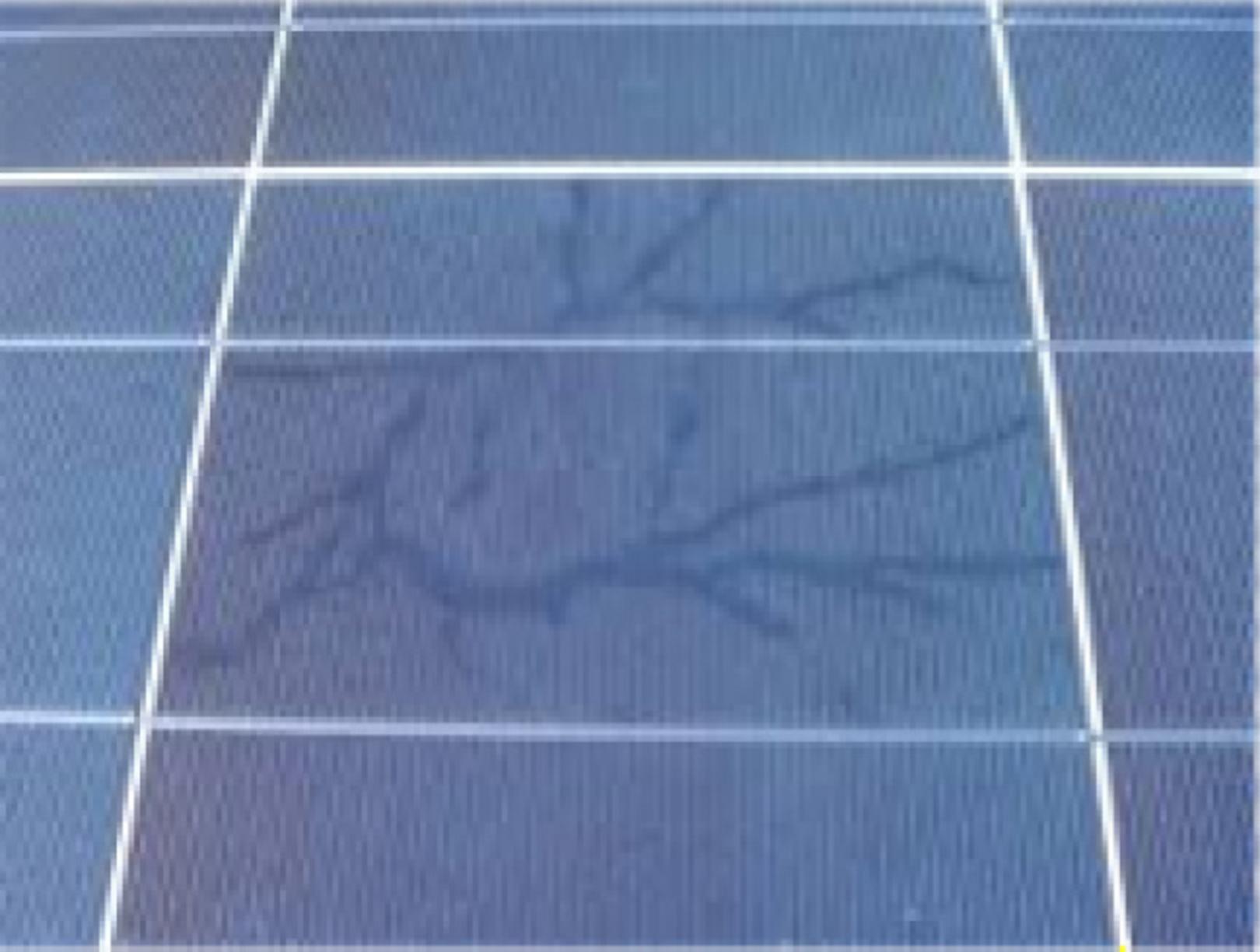
Low-cost machine learning framework for snail trail detection in PV panels
Conceived by French scientists, the novel system uses ensemble learning and does not require anything more than a commercially available optimizer. Before it makes a decision, the method combines K nearest neighbors, support vector machine, and decision tree learning. Accuracy is reportedly up to 89%.
Advertisement