Research & Development

Solar R&D is focused on improving efficiency, reducing production costs, and extending system longevity. Key areas include tandem and perovskite cell development, advanced materials for encapsulation and contacts, and new concepts in system integration.
Simulation tools, AI-driven design, and accelerated testing methods are expanding research capabilities. Sustainability and circularity targets are increasingly embedded in innovation strategies.
Advertisement
Latest News

Advertisement

Heat pump-Carnot battery system for residential PV storage
Italian researchers have developed a reversible heat pump-ORC Carnot battery that stores surplus residential PV electricity as heat and converts it back into electricity when needed. Simulations showed that optimizing the ORC expander speed could raise round-trip efficiency to 35%, while enabling the system to meet the modeled household’s daily electricity demand.
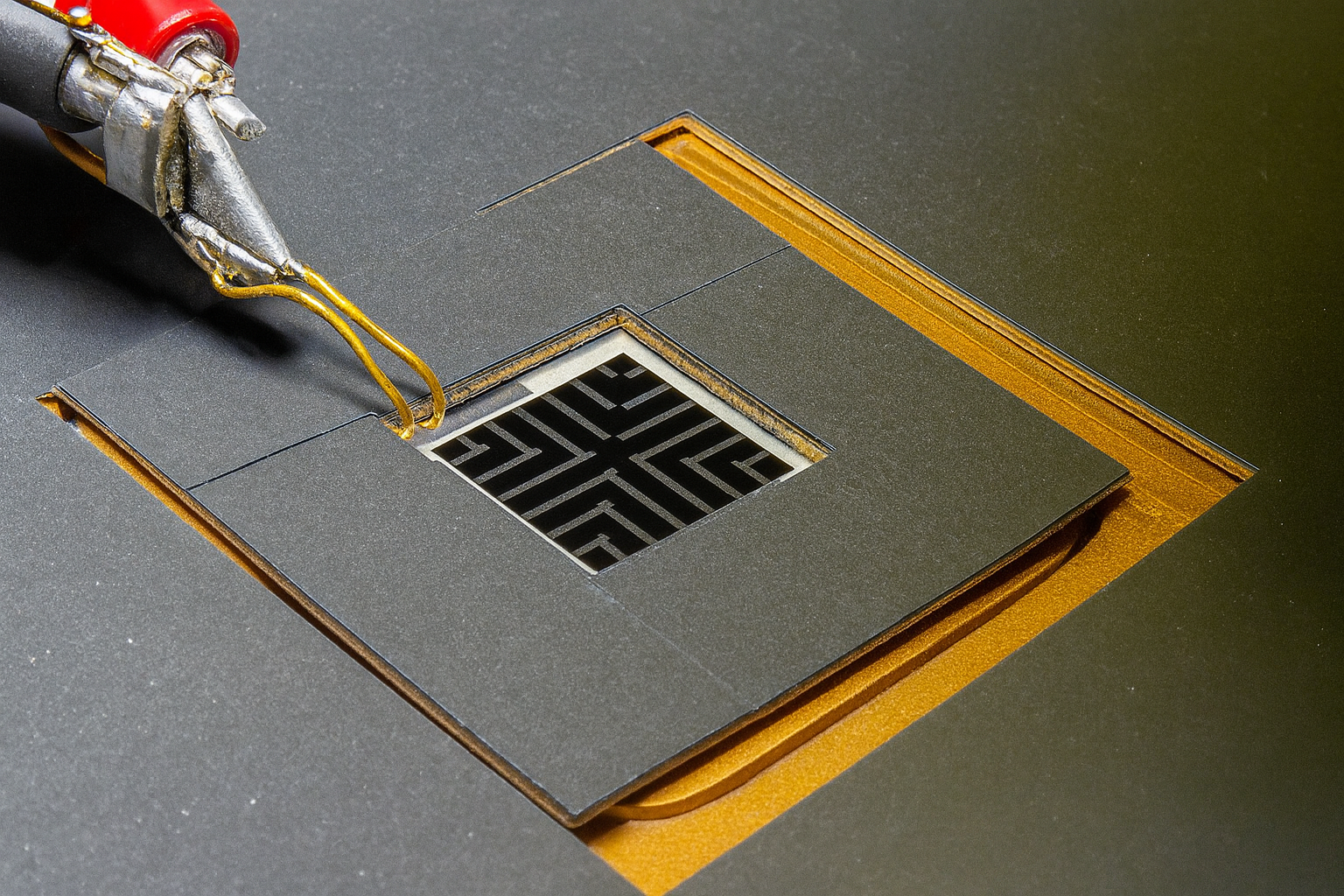
New subcell current metrology for perovskite-silicon tandem solar cells
Fraunhofer ISE researchers developed a millisecond-scale electrical method to separately measure perovskite and silicon subcell currents in tandem solar cells using the silicon cell’s capacitive charge reservoir. The approach can be integrated into standard j–V testing without additional hardware, potentially enabling inline subcell current monitoring in mass production.
Italian scientists build glass-free flexible silicon PV modules via roll-to-roll
Researchers have developed a glass-free flexible crystalline-silicon module architecture based on commercial IBC cells and a PET/EVA stack manufactured via roll-to-roll hot lamination. The 2 × 2 mini-module retained 96.12% of its initial efficiency after 672 hours of outdoor testing at a fixed bending radius of 150 mm.
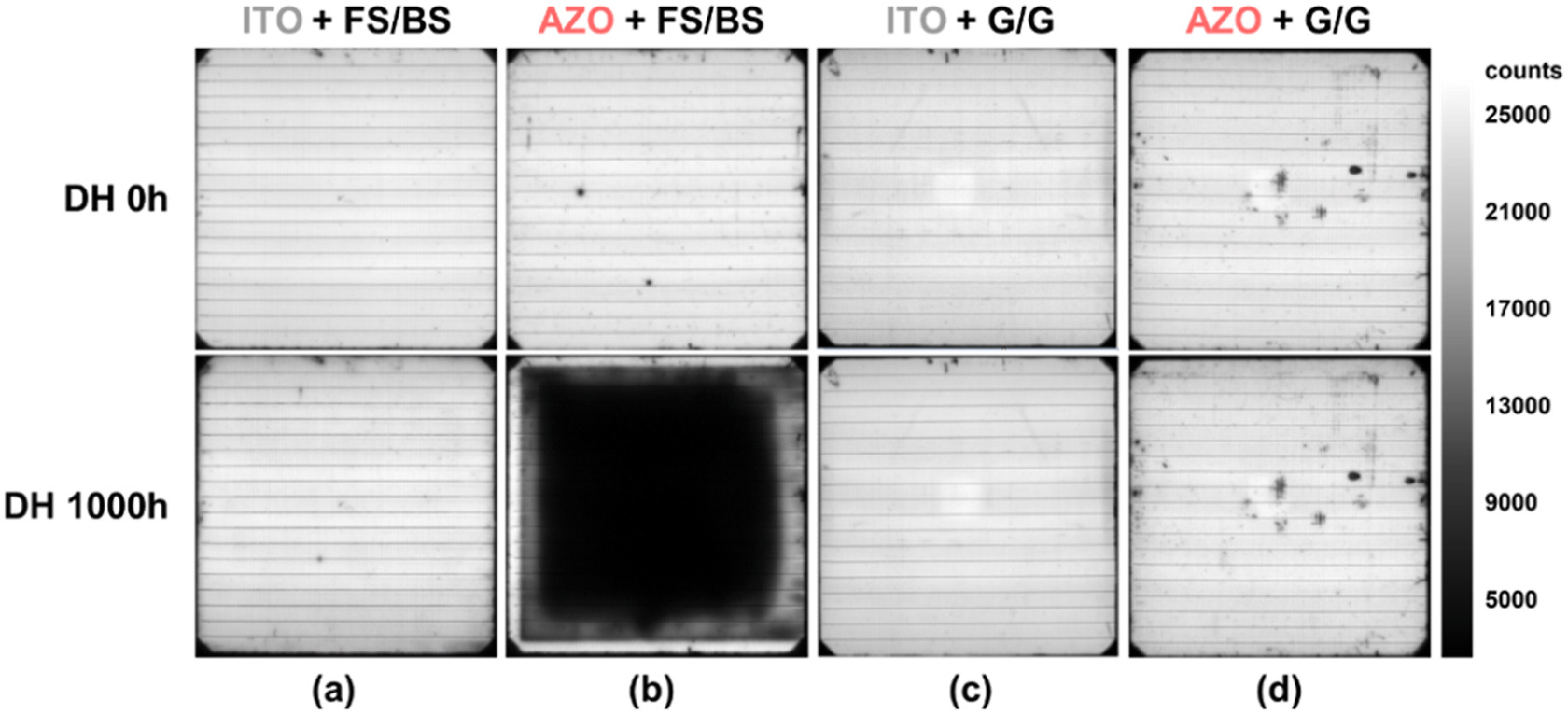
AZO-based HJT solar cells more vulnerable to damp-heat-induced degradation, study finds
German researchers have found that aluminum-doped zinc oxide-based silicon heterojunction cells are more vulnerable to damp-heat-induced degradation than their indium tin oxide-based counterparts. To address this issue, they introduced a magnesium fluoride capping layer that significantly improved damp-heat stability by slowing moisture penetration and corrosion.
Advertisement
Advertisement
All Research & Development news

Report: Three "key" US states to account for 48 percent of countrys PV market by 2012
Three key states will account for 48 percent of the U.S.s total photovoltaics (PV) market, according to a new report issued by EuPD Research. Aimed at helping the industry understand the downstream PV market, it added that Arizona could evolve into one of the most important markets in the coming years.
Australian research institute awarded AUD$320,000 grant to increase organic polymer solar cells efficiency
Researchers at the Intelligent Polymer Research Institute (IPRI) at the University of Wollongong in Australia have been awarded a new Australian Research Council (ARC) Linkage Grant of AUD$320,000 over three years. As such, they will work with Konarka Technologies in an effort to increase the efficiency of organic polymer solar cells.
World first for transformerless inverters as SMA receives UL certification
Germany-based SMA Solar Technology AG has received certification from Underwriters Laboratories (UL) for its transformerless inverters. This, says the company, is a world first for transformerless inverters and means that it can distribute them in the U.S. market for the first time.
Advertisement
Research: PV microinverters and power optimizer revenues predicted to hit around USD$1.5 billion over next 5 years
Solar microinverters and DC-DC power optimizers are forecast to generate more than USD$1.5 billion in revenues over the next five years, according to IMS Research. It says that shipments of the devices are forecast to grow over 100 percent per year and will total more than 16 million in the same period.
World's first carbon footprint verification for a PV module announced
AU Optronics Corp. says it has completed the carbon footprint verification on a multi-crystalline PV module, according to the international carbon footprint standard PAS2050*. EcoDuo PM220P00 is the world’s first PV module to have obtained carbon footprint verification, states the company, thus helping to reach a critical milestone on carbon footprint management of PV key components.
Advertisement
Researchers announce new 20.3 percent world record CIGS solar cell efficiency
Scientists at the Zentrum fur Sonnenenergie-und Wasserstoff-Forschung Baden-Württemberg, Germany (Centre for Solar Energy and Hydrogen Research, ZSW) say they have achieved a new world record for copper, indium, gallium and diselenide (CIGS) solar cell efficiencies. At 20.3 percent, the Stuttgart researchers state that the new results should “significantly” improve the cost-effectiveness of CIGS thin film photovoltaics (PV) over the medium term.
US annual PV installations to reach 1.9 GW by 2014, says new study
The U.S. is expected to install around 1.9 gigawatts (GW) of photovoltaics (PV) annually by 2014, according to new research, which states that the countrys market is growing at fast pace, thanks to government support and decreasing installation costs.
Advertisement
Advertisement