Asia speeds up solar
Airstrikes by US and Israeli forces hit targets in Iran on Feb. 27, 2026. The ensuing conflict has brought about the closure of the Strait of Hormuz and damage to major fossil fuel production sites across the Gulf region – kicking off what is still unfolding as the most significant supply shock the world’s energy system has seen yet. pv magazine looks at the impacts already playing out across Asia, where many countries rely heavily on fuels transported through the Strait.

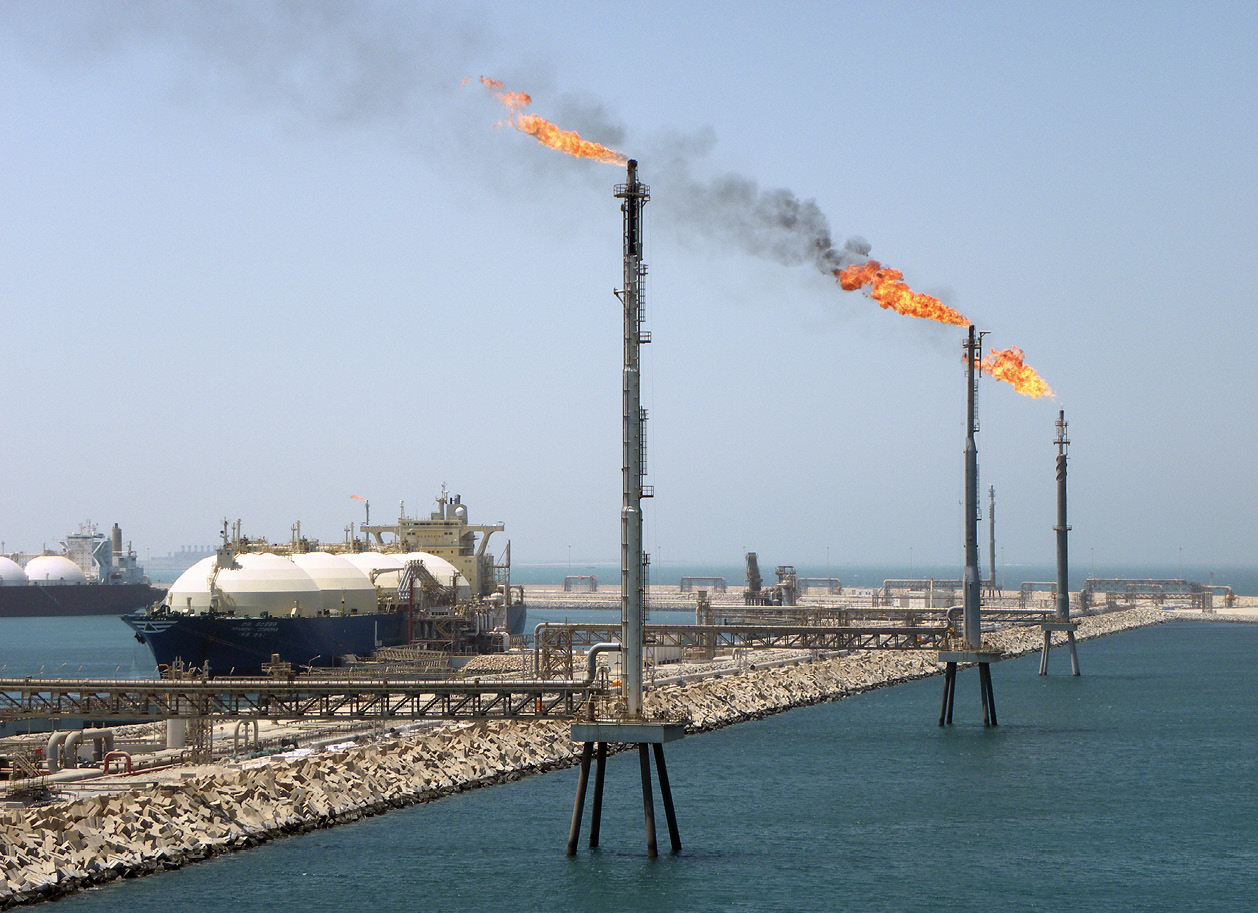
The International Energy Agency (IEA) estimates that around 25% of the world’s seaborne oil trade and 19% of global liquefied natural gas trade transits the Strait of Hormuz on its way to end users from production sites in the Middle East. The Strait’s closure since the end of February 2026 and continuing uncertainty over future …
Advertisement
Advertisement
Advertisement
Advertisement