UK increasing heat pump grant for heating oil households

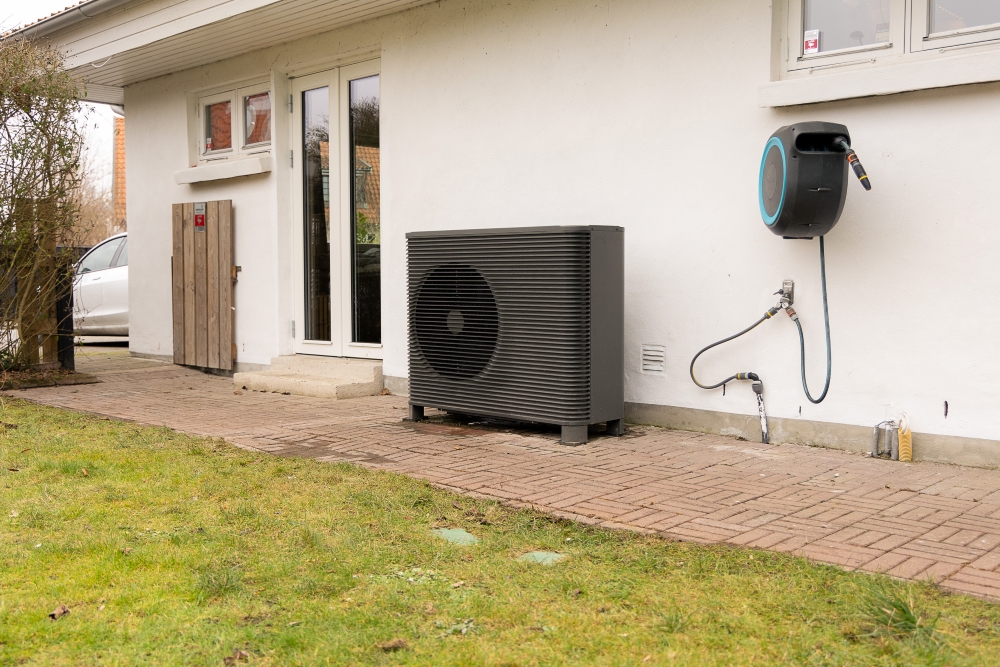
Households in England and Wales that switch from heating oil to a heat pump will be eligible for a GBP 9,000 ($12,000) grant from July 21, a 20% increase on the GBP 7,500 grant currently available.
The increase in funding available through the UK government’s Boiler Upgrade Scheme (BUS) was first announced as a targeted measure for mostly rural households using heating oil systems, in a bid to mitigate exposure to volatile fossil fuel markets. Unlike households with gas boiler heating systems, which comprise the majority of UK homes, consumers using heating oil are not protected by energy regulator Ofgem’s price cap, leaving rural households more exposed to market volatility.
BUS grants have been available for households in England and Wales since May 2022, initially offering a GBP 5,000 grant toward the cost of an air-to-water heat pump installation, and a GBP 6,000 grant for ground-sourced heat pump installations, before increasing to GBP 7,500 for both technologies in October 2023.
The UK government’s Department for Energy Security and Net Zero (DESNZ) reports 130,988 BUS voucher applications had been made up until the end of May 2026 – with 98% of applications made for grants toward air-to-water heat pump installations. More than GBP 560 million was paid out through grants in the first four years of the subsidy program.
The price of heat pumps has fallen over that period, with DESNZ reporting the average cost of an air-to-water heat pump installations of GBP 13,100 in the first quarter of 2026 – 10% lower than the same period in 2023 when adjusted for inflation. The nominal median cost of a ground-sourced heat pump was GBP 27,352, according to DESNZ.
Now in its fifth year, the BUS subsidy program has a budget of GBP 400 million for the 2026/27 financial year. The government confirmed funding for further years up to 2029/30 in January 2026.
UK government minister for energy consumers, Martin McCluskey, said the additional funding for heating oil properties represented an increase in support of more than GBP 50 million, adding that war in the Middle East “has hit households on heating oil especially hard.”
“The Boiler Upgrade Scheme will help thousands of families across England and Wales switch to clean heat to protect them from volatile fossil fuels,” McCluskey said.
BUS grants are one of multiple policy measures being deployed by the UK government targeted at improving building efficiency. The Social Housing Fund is set to receive a GBP 100 million boost to support delivery of up to 57,000 solar installations for households in England this financial year, according to the government.
Landlords in the private rented sector with properties over 1,000 m² are also expected to meet increased efficiency standards, which could further support heat pump and solar deployment. The UK government confirmed on June 18 it plans to introduce a higher standard of energy efficiency on the sector form 2031, subject to parliamentary approval.
pv magazine June 2026 – Lower temperatures, higher heat pump efficiency
 While the UK government expands grant funding for heat pump installations, poor performance from some installations puts the sector’s reputation at risk. Real-world data shows average annual seasonal performance factor (SPF) values of 3.86 can be achieved by a well-designed, well-optimized system. However, the UK government’s large-scale Electrification of Heat trial found heat pump SPFs averaging closer to 2.81.
Poor commissioning could be the culprit, as revealed by analysis of heat pump performance across hundreds of UK homes. For more insights on the UK heat pump market, catch up on the expert analysis in PV+.
This content is protected by copyright and may not be reused. If you want to cooperate with us and would like to reuse some of our content, please contact: [email protected].

Please login to comment