Clemson University designs solar-integrated electric vehicle

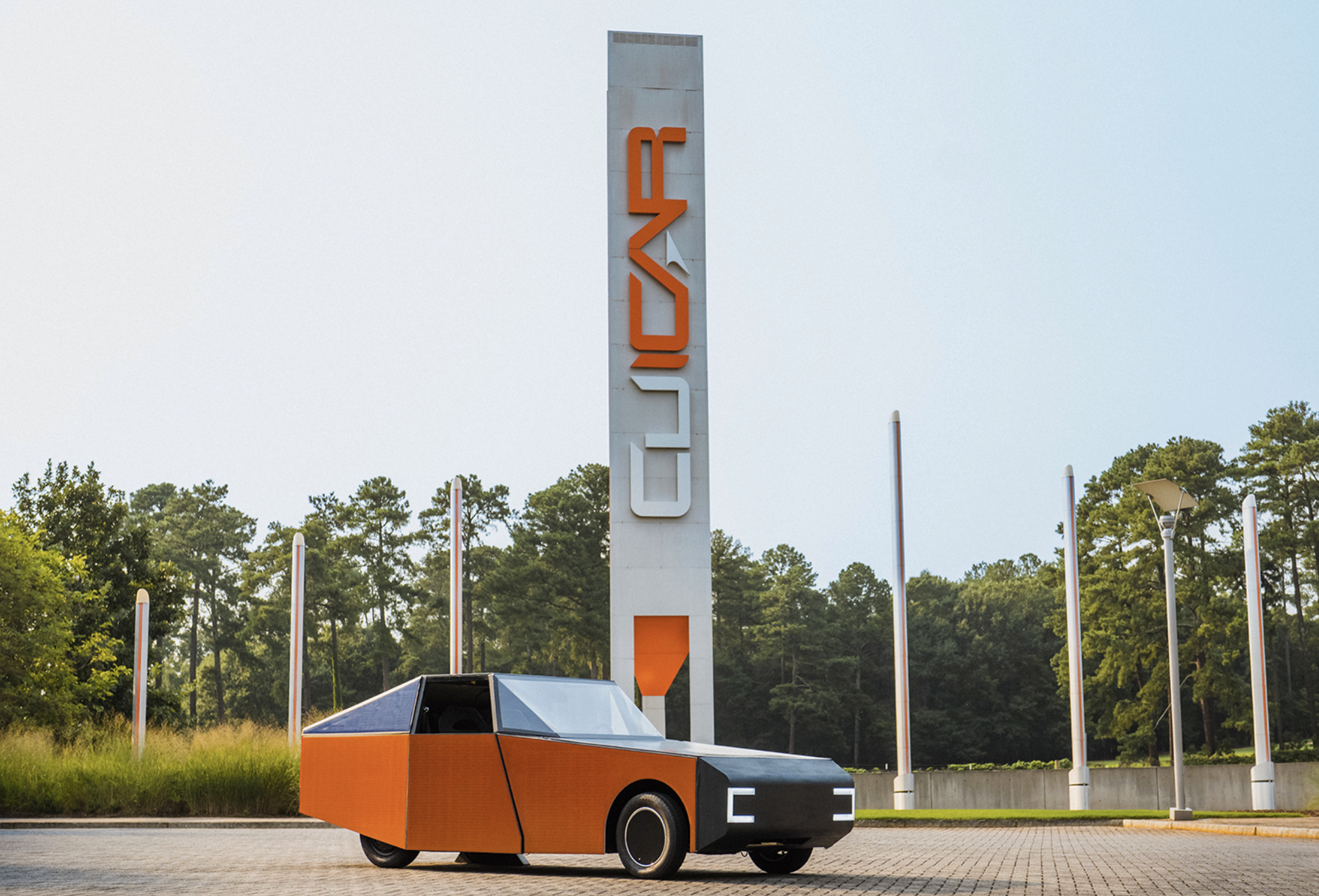
Students at Clemson University in the US state of South Carolina have developed a solar-integrated electric vehicle.
Known as Deep Orange 17, the vehicle is designed to generate more energy than it consumes during a typical day of urban commuting.
The vehicle features a solar energy system which, according to a statement published by the university, forms a core part of the vehicle’s propulsion strategy rather than serving as an auxiliary feature.
The solar PV system features more than 1,700 solar cells which are integrated into the vehicle’s exterior surfaces, meaning it harvests energy while both parked and in motion. The PV system is protected by a durable outer film.
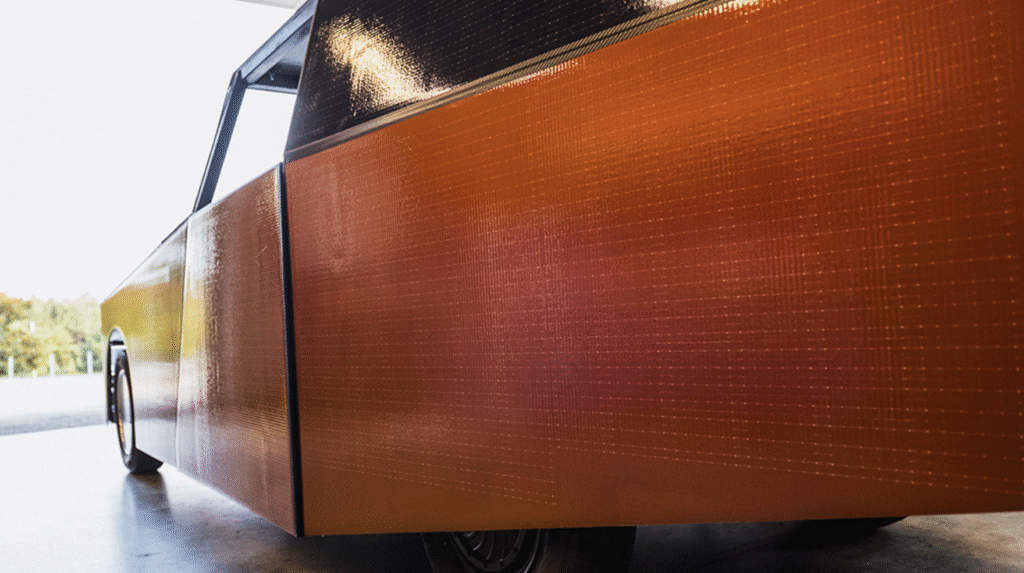
“The system continuously replenishes the vehicle’s energy storage using sunlight, helping offset energy consumed during daily driving,” the university’s statement explains.
The vehicle’s structure also features structural steel with aluminum components, carbon fiber structural members and 3D-printed metal joints. It weighs in at approximately 550 kg, making it approximately one-fourth the weight of many similarly-sized production vehicles.
Additional technologies include regenerative braking, intelligent torque distribution and optimized drivetrain controls, which the university says work together to maximize energy recovery and improve overall vehicle performance.
To assess real-world performance, students modeled environmental conditions and solar availability in Greenville, South Carolina, as well as in the German city of Frankfurt, Spanish capital Madrid and Mumbai in India. They found the vehicle capable of producing enough excess solar energy to add an average 50 km of driving range during a daily 20 km commute across each of the locations.
Harsh Manghnani, Deep Orange team member and solar integration lead, said that seeing the initial research and design validated in a working prototype has been “incredibly rewarding.”
“This was an incredibly challenging project – not only to create a working energy-positive prototype, but to demonstrate how a vehicle can become increasingly energy independent through solar integration,” Manghnani said.
Deep Orange 17 was developed in collaboration with BMW’s research and development team, with researchers from Germany’s Fraunhofer Institute for Solar Energy Systems ISE helping with the solar PV system.
Research on the prototype is set to continue at Clemson University’s International Center for Automotive Research, while the vehicle itself is scheduled to feature at the 2027 Consumer Electronics Show in Las Vegas.
This content is protected by copyright and may not be reused. If you want to cooperate with us and would like to reuse some of our content, please contact: [email protected].

Please login to comment