Australia continues heavy investment in solar research
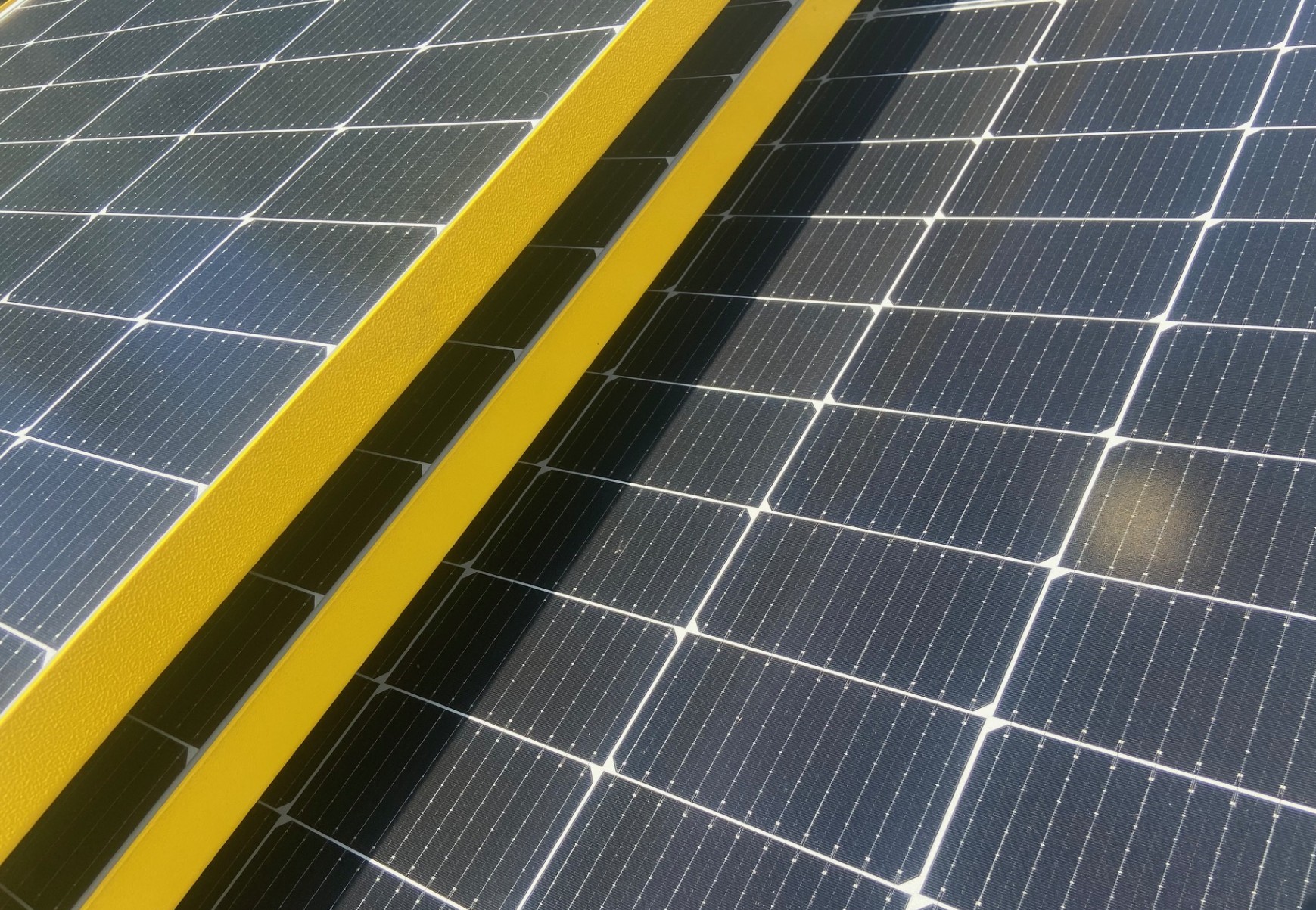
Researchers from University of New South Wales (UNSW), have been awarded the bulk of a AUD 105.6 million ($76.0 million) investment for ultra low-cost solar research from the Australian Renewable Energy Agency (ARENA) for 12 separate solar projects.
In total, the AUD 64.8 million allocation is the university’s largest single investment in solar photovoltaic research.
UNSW Deputy Vice-Chancellor Research and Enterprise Professor Bronwyn Fox said ever since UNSW’s pioneering work developing high-efficiency silicon solar cells 50 years ago, the university has been a leader in solar energy research.
“UNSW is thrilled to partner with ARENA on these 12 projects which continue to build on this strength and help drive the development of more affordable solar technology,” Fox said.
Eleven of the projects are attached to the UNSW’s School of Photovoltaic and Renewable Energy Engineering, and one from the School of Chemistry.
The successful projects are:
Lower-temperature connections for advanced solar panels
- Awardee: Professor Brett Hallam
- Grant: AUD 5.4 million
- This project aims to make solar panels more sustainable by reducing the amount of bismuth and silver used in their manufacture, as well as lowering the temperatures needed to produce them.
Making silicon solar panels more efficient and durable
- Awardee: Professor Timothy Schmidt
- Grant: AUD 7.1 million
- UNSW and its partners will develop two technologies to improve silicon solar panels. One will convert ultraviolet (UV) light, while the other will help protect solar cells from damage caused by UV exposure.
Testing next-generation solar panels in real-world conditions
- Awardee: Dr Jessica Yajie Jiang
- Grant: AUD 5.6 million
- UNSW will field-test perovskite and tandem solar modules from different manufacturers in outdoor conditions. The project will also use laboratory and accelerated testing to track how the panels perform, understand why they degrade and compare real-world results with laboratory findings.
Improving solar panel durability in Australian conditions
- Awardee: Professor Bram Hoex
- Grant: AUD 6.5 million
- UNSW and its partners will develop a framework to test and validate the reliability of solar panels. The project will combine laboratory testing, outdoor trials in different Australian climates, advanced diagnostics and modelling to understand how and why panels degrade, and how long they are likely to last.
Making perovskite-silicon solar panels more efficient and reliable
- Awardee: Scientia Professor Xiaojing Hao
- Grant: AUD 6.3 million
- UNSW and its partners will develop and test solar cells and panels that combine perovskite and silicon. Using UNSW’s technology, the two parts can be made separately before being joined together. The project will improve the materials and manufacturing processes, test how reliably the panels perform in the laboratory and outdoors, and trial larger-scale production with industry partners.
Using AI and advanced manufacturing to improve tandem solar panels
- Awardee: Professor Ziv Hameiri
- Grant: AUD 5.1 million
- This project will help develop larger tandem solar panels that convert more than 30 per cent of sunlight into electricity. It will use machine learning and advanced manufacturing technologies to improve reliability, lower production costs, detect problems earlier and help manufacturers optimise the production process.
Developing more efficient and affordable tandem solar cells
- Awardee: Dr Kaiwen Sun
- Grant: AUD 6.3 million
- UNSW is developing solar cells that combine chalcogenide and silicon materials. The project aims to improve efficiency, reduce costs and help create next-generation solar panels that convert up to 30 per cent of sunlight into electricity.
Using AI to discover new solar materials
- Awardee: Dr Ning Song
- Grant: AUD 5.2 million
- UNSW will use AI and modelling to find new solar materials for next-generation silicon tandem solar cells. The project aims to support solar modules that can reach 30 per cent efficiency by using an AI-enabled discovery platform.
Developing new materials to make silicon solar cells more efficient
- Awardee: Associate Professor Murad Jehangir Yusuf Tayebjee
- Grant: AUD 5.1 million
- This project will develop new organic layers to improve the efficiency of silicon solar cells and reduce manufacturing costs. The materials will be compatible with existing production methods, making it easier for manufacturers to adopt the technology. The project could support future commercialisation through licensing, material supply and partnerships with solar manufacturers.
Designing solar panels for specific sites to reduce costs
- Awardee: Professor Brett Hallam
- Grant: AUD 4.4 million
- UNSW will design solar panels tailored to the conditions of individual solar farms. The project aims to improve performance and increase the value of large-scale solar projects while reducing the cost of generating electricity.
Using AI to improve solar farm operations
- Awardee: Professor Ziv Hameiri
- Grant: AUD 4.7 million
- This project will develop a digital platform to help solar farms predict faults, manage risks and reduce operating costs. It will support more efficient maintenance and help build Australian expertise in using artificial intelligence and machine learning to manage large-scale solar farms.
Using daylight imaging to detect solar panel problems
- Awardee: Professor Thorsten Trupke
- Grant: AUD 3.1 million
- This project will develop faster ways to use daylight imaging to assess the quality and condition of solar panels. The technology could help operators detect defects caused during manufacturing or transport, support warranty claims and make better maintenance decisions.
UNSW Dean of Engineering Professor Julien Epps said the funding enables some of the leading experts worldwide in solar photovoltaics to work hand-in-hand with industry to drive forward innovative research and development that is pivotal to the energy transition and pivotal to climate change mitigation.
This content is protected by copyright and may not be reused. If you want to cooperate with us and would like to reuse some of our content, please contact: [email protected].

Please login to comment