Chinese PV Industry Brief: CEEC launches 15 GW module procurement

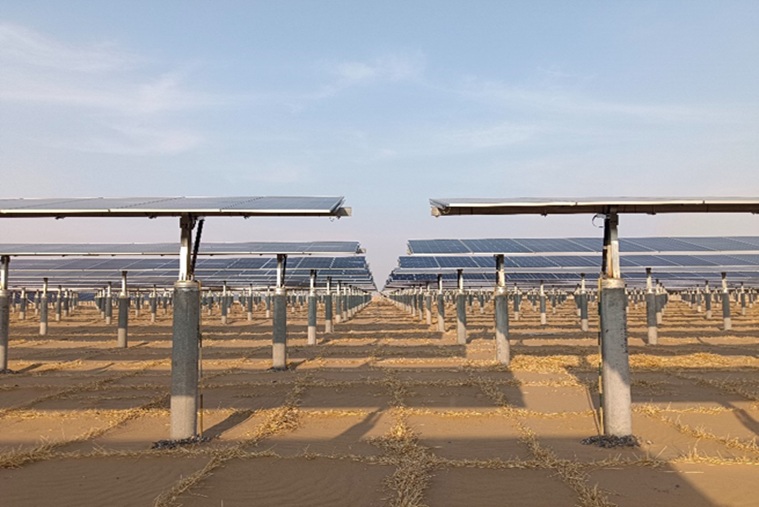
China Energy Engineering Corp. has launched a 15 GW solar module procurement program for 2026, in one of the largest centralized tenders announced by a Chinese state-owned enterprise this year. The procurement covers self-invested and engineering, procurement and construction projects, with separate lots for tunnel oxide passivated contact (TOPCon), heterojunction (HJT), and back-contact (BC) modules. TOPCon is expected to account for the largest share, but the dedicated HJT and BC lots will give both technologies access to a major utility-scale procurement platform. The tender could provide an important gauge of the demand that HJT and BC can capture from TOPCon in large projects, particularly when the final awarded capacities and prices are disclosed.
China South-to-North Water Diversion Group has named the preferred bidders in a 1.3 GW module framework procurement covering 1 GW of TOPCon products and 300 MW of BC modules. The six shortlisted TOPCon suppliers submitted average bids of approximately CNY 0.72 ($0.10)/W, while the three selected BC suppliers averaged about CNY 0.778/W. The figures imply a BC premium of roughly CNY 0.058/W, or just over 8%. The tender requires minimum module efficiencies of 22.8% for TOPCon products and 23.8% for BC modules. The results provide a relatively rare like-for-like price comparison under a single procurement framework and show that BC technology has progressed beyond pilot projects to several-hundred-megawatt procurement by a major state-owned buyer.
Tongwei said it is continuing work on its proposed acquisition of 100% of Qinghai Lihao Clean Energy through a combination of share issuance and cash. The company said preliminary auditing and valuation work has been completed, while the parties continue to negotiate the final transaction structure. China’s State Administration for Market Regulation has issued a decision clearing the transaction following an antitrust review. If completed, the acquisition would further strengthen Tongwei’s position in the polysilicon sector. Against a backdrop of persistent oversupply and low utilization rates, the deal is also being closely watched as a potential example of market-driven capacity consolidation.
Golden Solar New Energy Technology has revised its 2026 private-placement plan, proposing to raise up to CNY 2.39 billion. It plans to allocate CNY 1.69 billion to the first phase of an artificial intelligence computing center in Beijing’s Tongzhou district and CNY 700 million to working capital and debt repayment. The company removed a previously planned Shanghai office and research and development center from the fundraising program. Golden Solar, whose core business remains HJT cells and modules, reported first-half revenue of about CNY 91 million, down 35.2% year on year, and a net loss of approximately CNY 111 million. The revised spending plan highlights how some financially strained solar manufacturers are seeking growth opportunities outside the PV sector.
Jinko Power Technology is proceeding with an asset-backed securitization program involving 57 commercial and industrial distributed PV plants owned by 34 project companies, with a combined capacity of approximately 298 MW. The holding-type real estate asset-backed special plan is expected to run until 2050, with Jinko Power or related parties set to subscribe to about 10% to 20% of the initial units. The transaction would allow the company to recycle capital tied up in operating solar assets and potentially reinvest the proceeds in new renewable energy projects. The structure also reflects a broader shift among Chinese solar developers toward faster asset turnover and more capital-light development models as project economics and financing conditions become more challenging.
This content is protected by copyright and may not be reused. If you want to cooperate with us and would like to reuse some of our content, please contact: [email protected].

Please login to comment