Research & Development

Solar R&D is focused on improving efficiency, reducing production costs, and extending system longevity. Key areas include tandem and perovskite cell development, advanced materials for encapsulation and contacts, and new concepts in system integration.
Simulation tools, AI-driven design, and accelerated testing methods are expanding research capabilities. Sustainability and circularity targets are increasingly embedded in innovation strategies.
Advertisement
Latest News
Advertisement
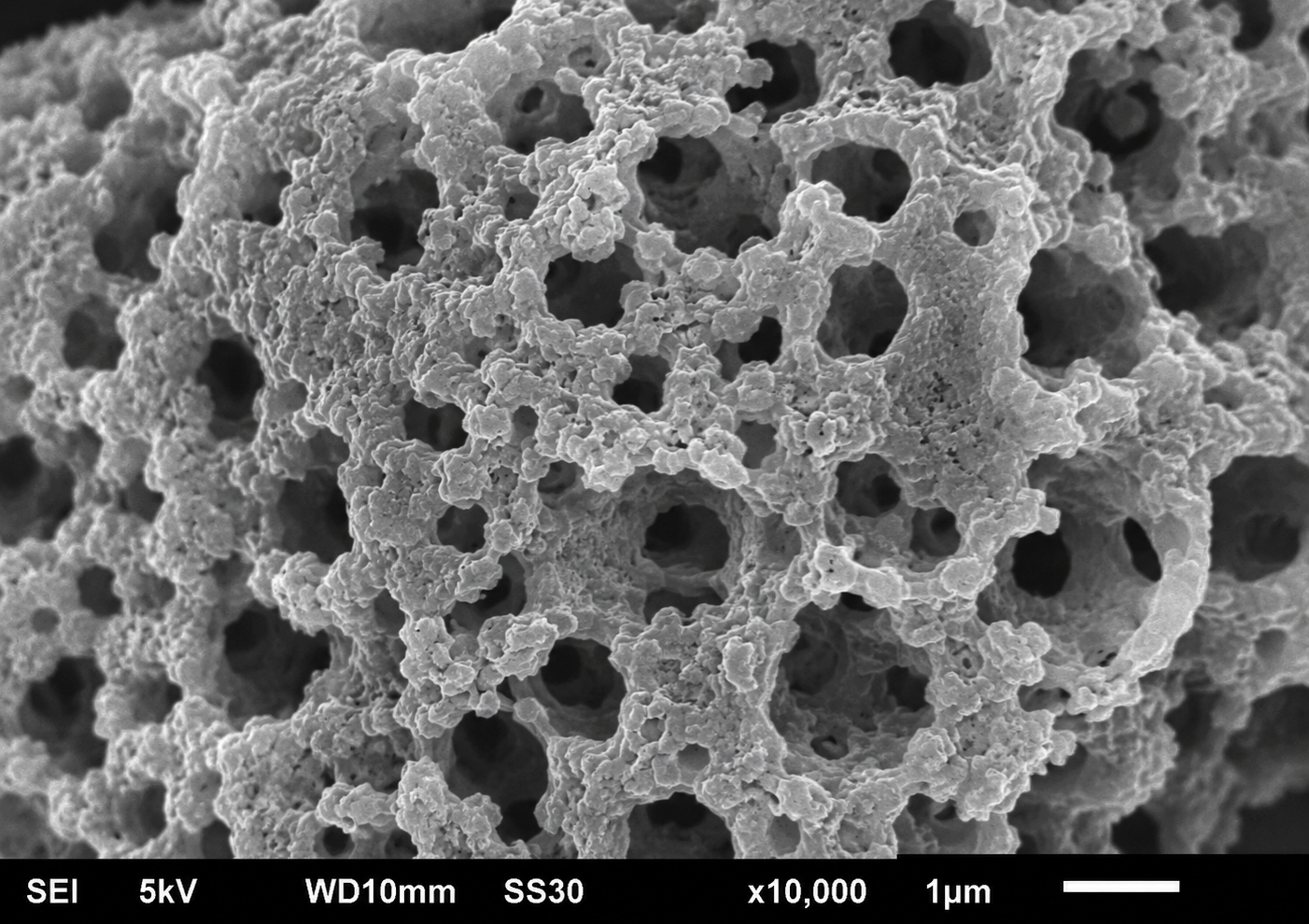
Silicon dioxide coating boosts PV module light transmission, thermal performance
An international research team developed a porous silicon dioxide coating for PV cover glass that combines anti-reflection with passive radiative cooling, increasing solar transmittance while enhancing mid-infrared emissivity. The coating achieved 91.0% solar transmittance and 90% emissivity, with the researchers now planning module-level outdoor testing and studies of large-area scalability and durability.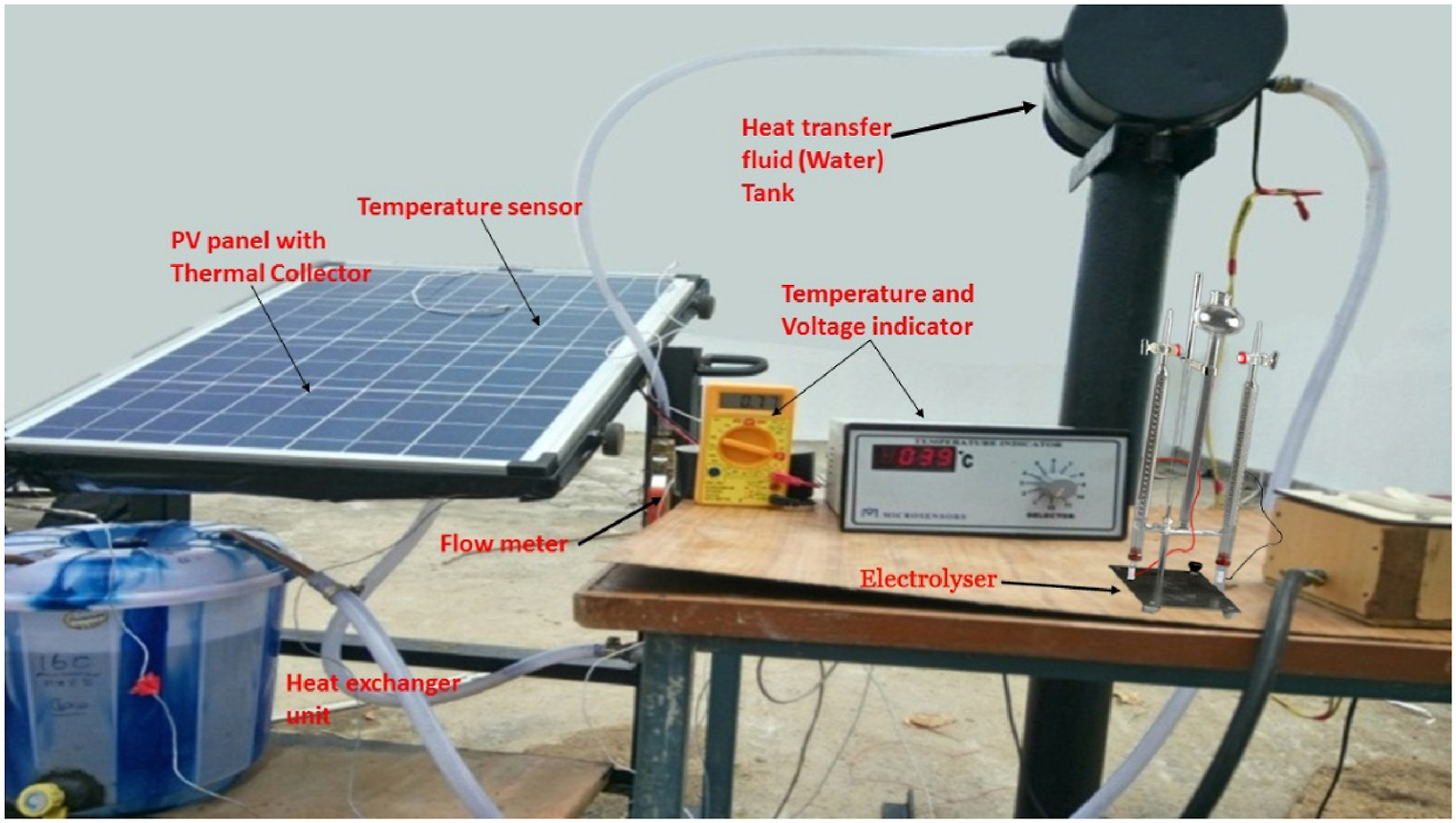
Air bubbles boost cooling and hydrogen production in photovoltaic-thermal system
Researchers in India developed a PVT-hydrogen system using air-bubble injection to improve cooling, thermal and electrical efficiency, and hydrogen production. Tested outdoors in Tamil Nadu, the system achieved a peak thermal efficiency of 45.5% and hydrogen production of 15.5 ml/min.
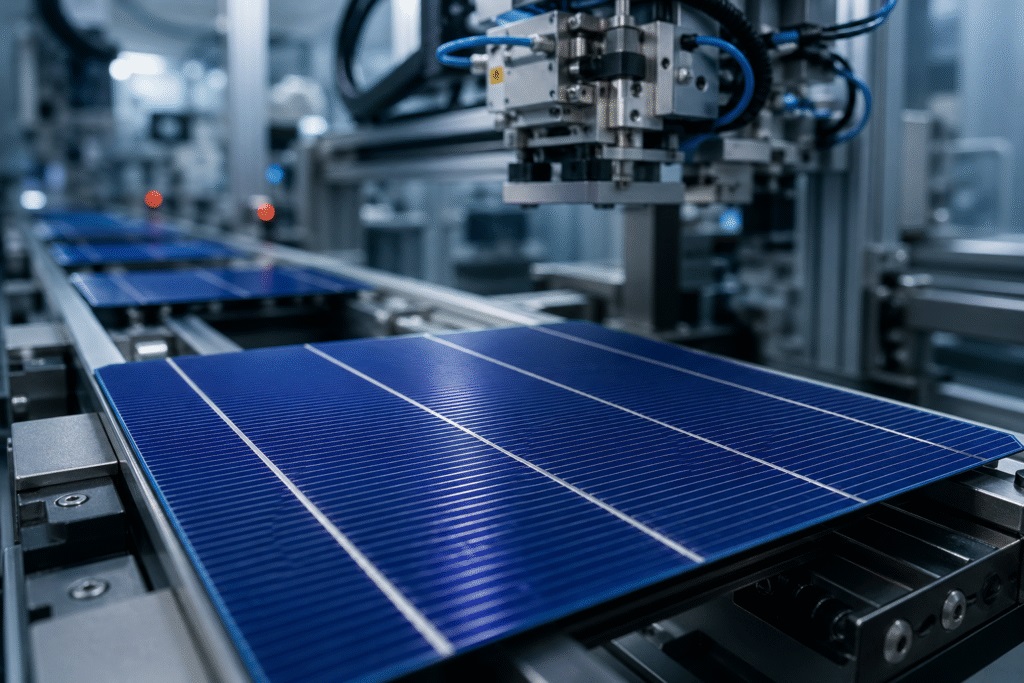
PV life cycle assessment gets its most comprehensive data overhaul in more than a decade
IEA PVPS Task 12 has released a major update to the life cycle inventory data underpinning photovoltaic life cycle assessments, covering modern TOPCon and PERC silicon supply chains, CdTe modules, inverters, mounting systems, and updated reference installations. Based on 83 factory-level datasets and new simulation-based inventories, the report establishes a more comprehensive and current baseline for PV LCA, sustainability reporting, procurement, and environmental assessments.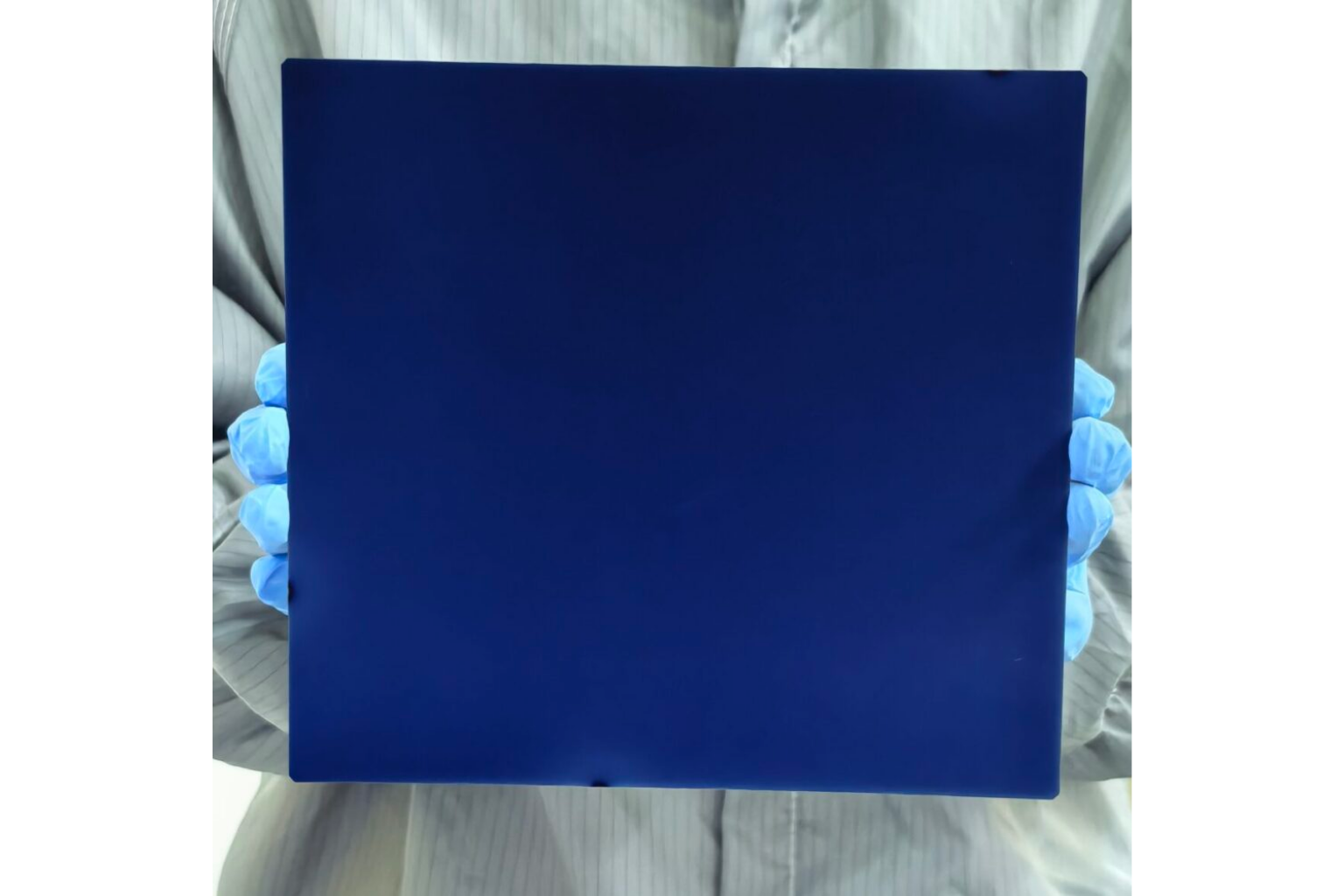
Where and how to cut back-contact TOPCon solar cells to minimize recombination losses
UNSW and DAS Solar used Quokka3 simulations to identify cut-induced losses in back-contact TOPCon cells, finding that gap-region cutting reduces efficiency losses by around 50% compared with emitter-region cutting. They recommend an optimized 0.3 mm gap width, particularly important under low irradiance, to minimize edge recombination and resistive losses without additional edge passivation.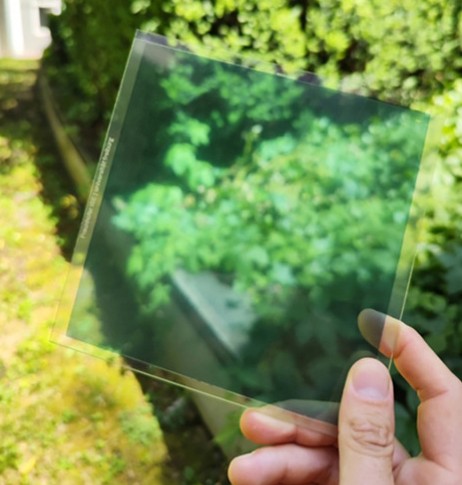
Researchers build 9%-efficient semitransparent organic PV modules with 210 cm² aperture area
Fraunhofer ISE-led researchers fabricated 210.25 cm² semitransparent organic photovoltaic modules by slot-die coating. The best module achieved 9.3% power conversion efficiency, 43.2% average visible transmittance, and 4.0% light-utilization efficiency, demonstrating promising scalability toward roll-to-roll manufacturing.
Advertisement
Advertisement
All Research & Development news

Advertisement
Solexant's nanocrystal solar technology receives USD$41.5 million
Third generation thin film developer Solexant Corp. has secured USD$41.5 million during the first close of a Series C financing round, following the successful completion of a two megawatt (MW) pilot line operating at the company’s headquarters.
Advertisement
Advertisement
Advertisement