Research & Development

Solar R&D is focused on improving efficiency, reducing production costs, and extending system longevity. Key areas include tandem and perovskite cell development, advanced materials for encapsulation and contacts, and new concepts in system integration.
Simulation tools, AI-driven design, and accelerated testing methods are expanding research capabilities. Sustainability and circularity targets are increasingly embedded in innovation strategies.
Advertisement
Latest News
Advertisement

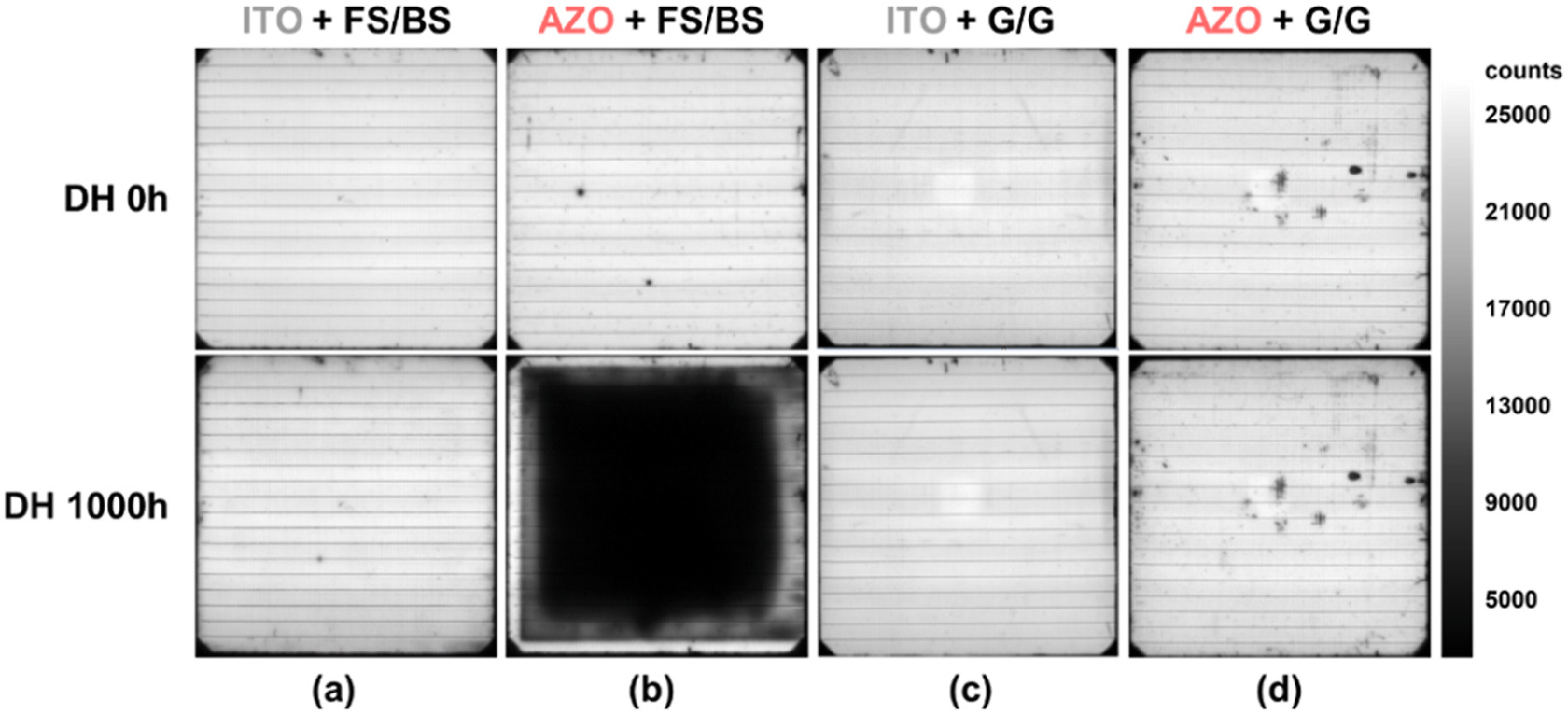
AZO-based HJT solar cells more vulnerable to damp-heat-induced degradation, study finds
German researchers have found that aluminum-doped zinc oxide-based silicon heterojunction cells are more vulnerable to damp-heat-induced degradation than their indium tin oxide-based counterparts. To address this issue, they introduced a magnesium fluoride capping layer that significantly improved damp-heat stability by slowing moisture penetration and corrosion.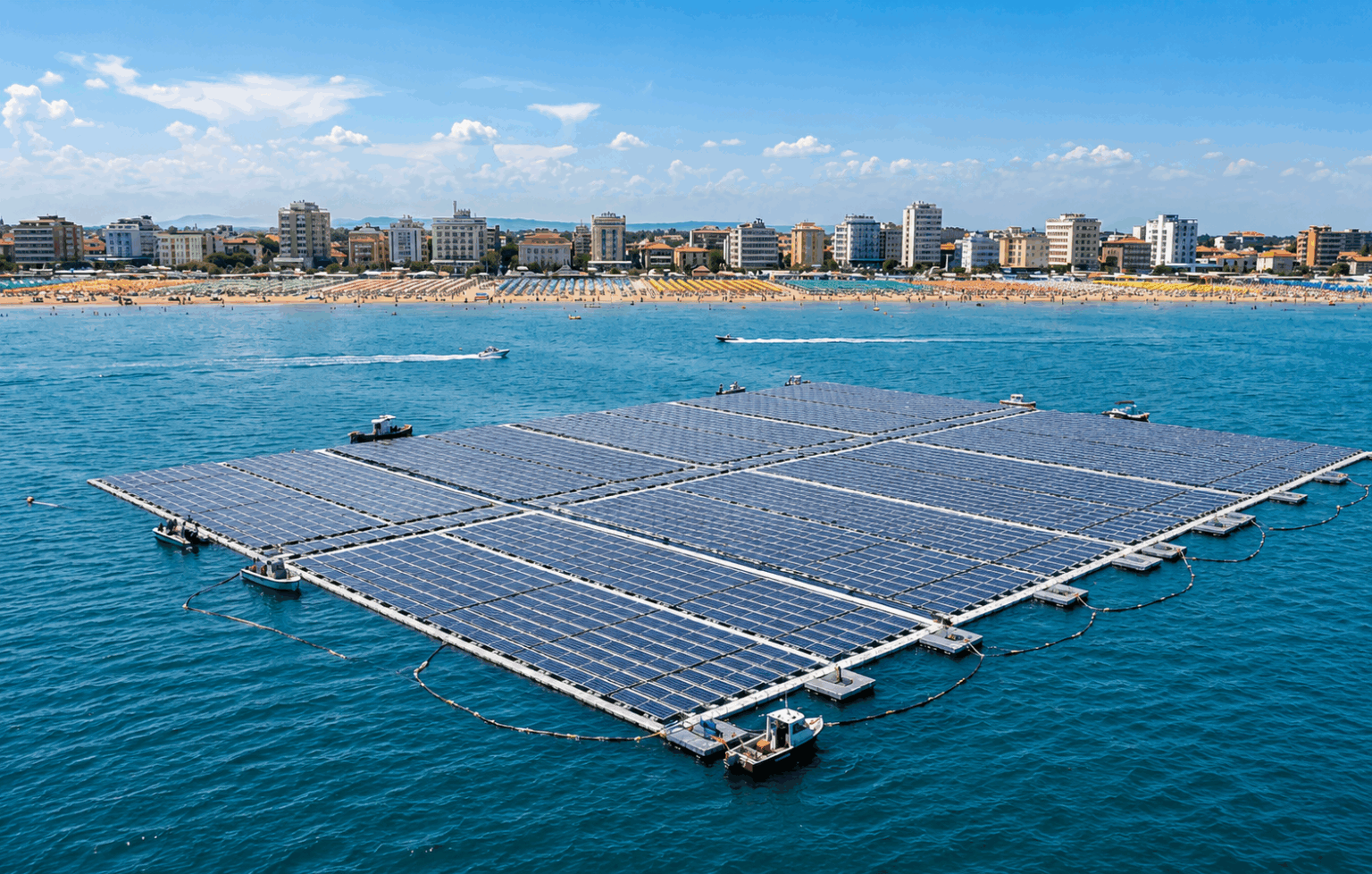
New temperature model improves floating PV performance predictions
Researchers in Malaysia have developed a simplified operating cell temperature model for floating photovoltaic (FPV) systems that incorporates water temperature while remaining compatible with existing nominal operating cell temperature (NOCT) models. The FPV-NOCT model outperformed the standard NOCT approach in validation datasets from Brazil and California, achieving up to 92.3% prediction accuracy.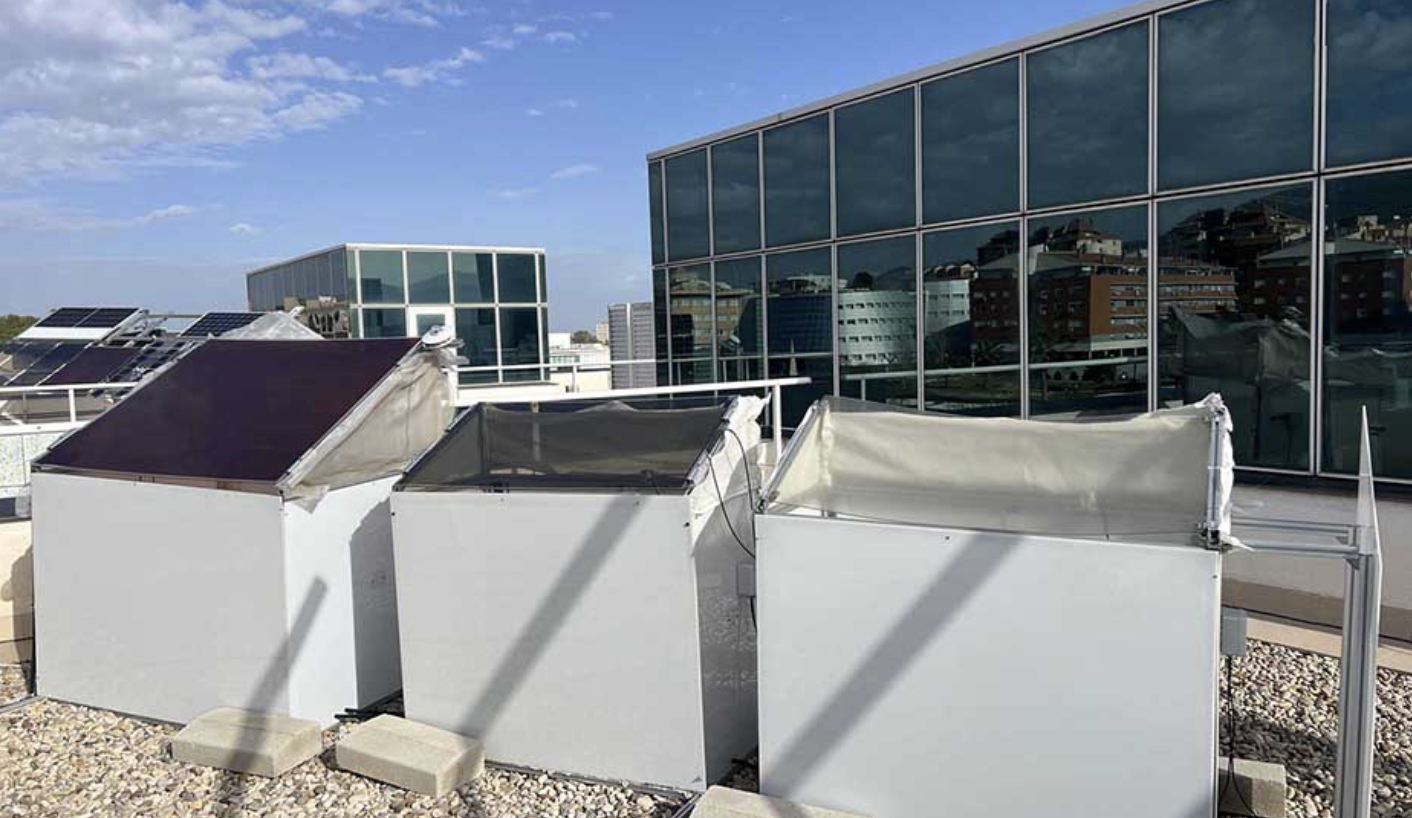
Semi-transparent PV reduces greenhouse temperatures by up to 5 C
Semi-transparent photovoltaic modules can reduce greenhouse temperatures by up to 5 C while cutting water losses by more than 60%, according to research from the University of Jaén. The study compared CdTe and amorphous silicon technologies, highlighting the role of spectral transmission in balancing solar generation with crop requirements.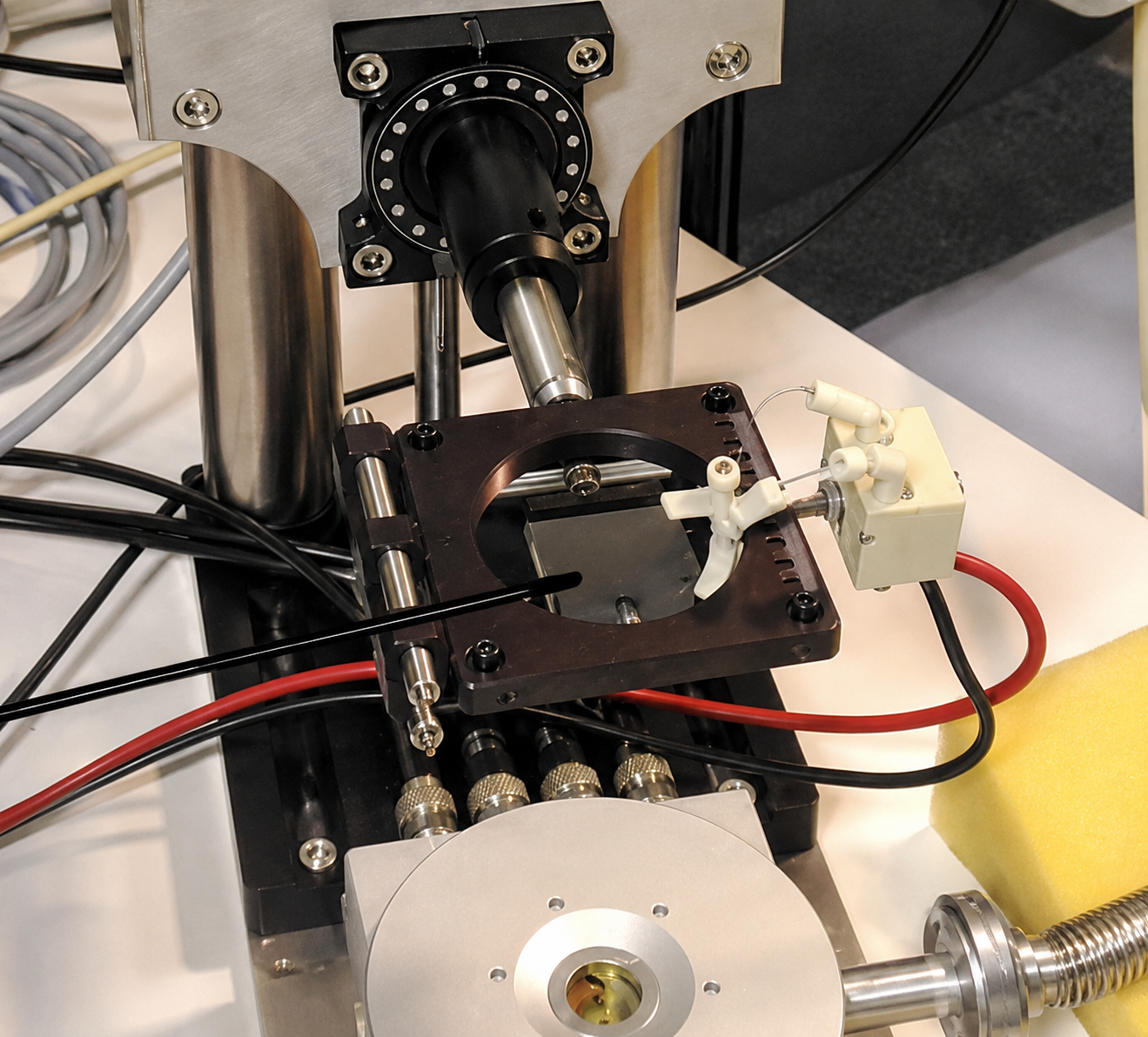
Very-low-bandgap thermophotovoltaics for operation at higher temperatures
French researchers have developed very-low-bandgap thermophotovoltaic cells with a barrier structure designed to suppress dark current and enable operation at higher temperatures. The cells showed more than tenfold improved performance over conventional devices at temperatures above 150 K, with a photovoltaic effect observed up to 273 K.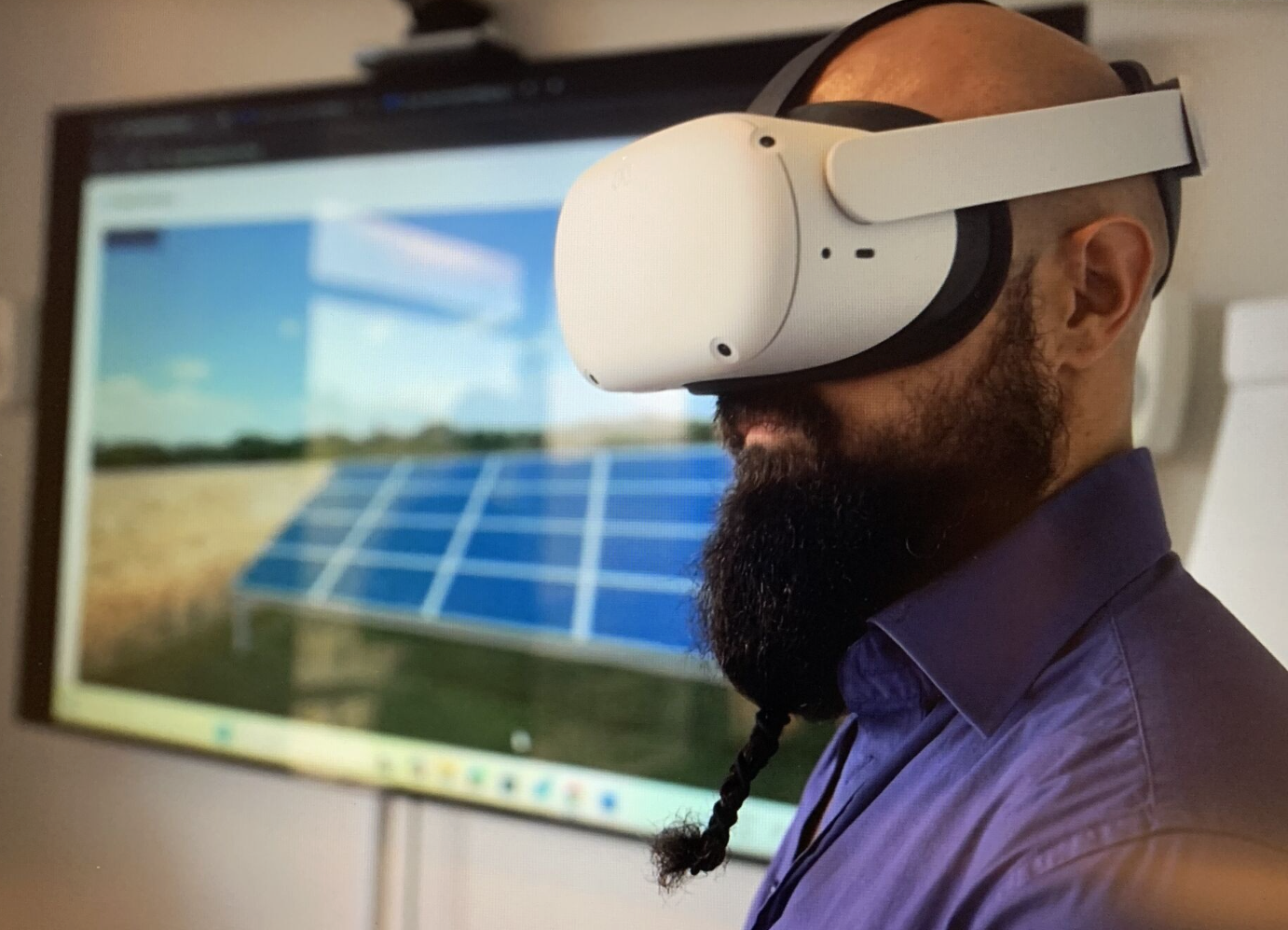
Researchers use virtual reality to increase understanding of agrivoltaics
Research from Denmark finds using immersive virtual reality can help citizens understand the dual-use logic of agrivoltaics. Participants in the research evaluated agrivoltaics as greener, more innovative and at least as acceptable as conventional solar parks.
Advertisement
Advertisement
All Research & Development news

Advertisement
US: Solar industry poised to create 200,000 jobs
200,000 domestic jobs and 10 gigawatts (GW) of new solar installations could be created in the U.S. if the Department of Treasury Grant Program (TGP) was extended by two years and solar manufacturing was included in the industries’ existing tax credit, says the Solar Energy Industries Association (SEIA).
Advertisement
PV Legal launches new database highlighting "bureaucratic barriers" to PV development
The PV Legal consortium has launched an online database containing quantitative and qualitative data on project development processes and bureaucratic barriers that, they say, are hampering the set-up of photovoltaic (PV) systems.
Stanford team wins MIT Clean Energy Prize with new solar material
C3Nano, Inc., a company founded by Stanford University students, has won the 2010 MIT Clean Energy Prize for the development of a new transparent electrode material, which, it is claimed, will make photovoltaic solar panels both cheaper and more efficient.
Advertisement
Advertisement