Research & Development

Solar R&D is focused on improving efficiency, reducing production costs, and extending system longevity. Key areas include tandem and perovskite cell development, advanced materials for encapsulation and contacts, and new concepts in system integration.
Simulation tools, AI-driven design, and accelerated testing methods are expanding research capabilities. Sustainability and circularity targets are increasingly embedded in innovation strategies.
Advertisement
Latest News
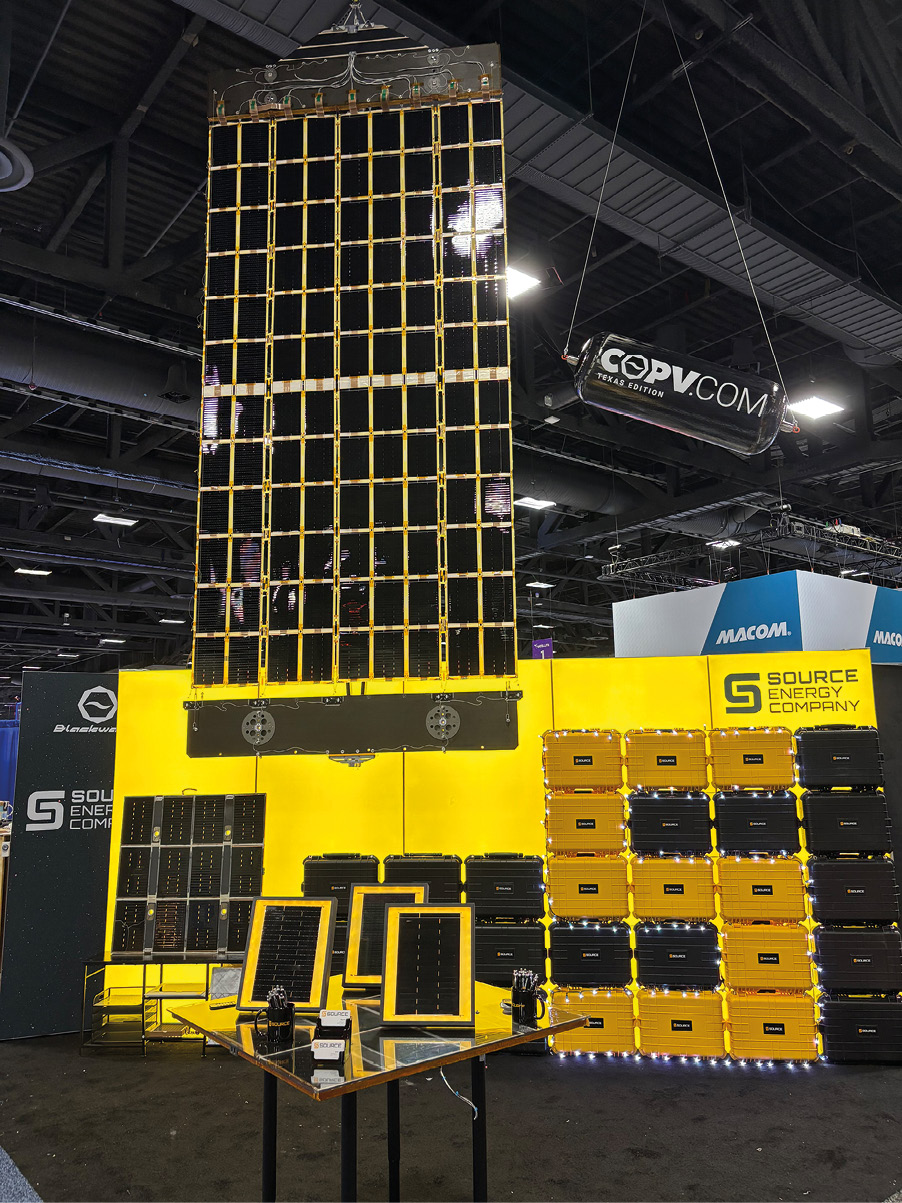
Spacebound silicon
Solar has a long history in powering satellites and space exploration, and high-powered devices based on multijunction PV cells made from “III-V” materials such as gallium arsenide or indium gallium phosphide have supplied this niche market as far back as the 1960s. But those devices are made with rare materials and complex processing, limited to small batches produced at high cost.
Oct 06, 2026
Advertisement

New multi-modeling approach can predict rice yield in agrivoltaics
Researchers in Japan have developed a modeling approach to optimize rice yields and electricity generation in agrivoltaic systems. Their findings show that adjusting solar panel tilt angles can improve crop productivity and help meet regulatory yield requirements, with limited economic losses.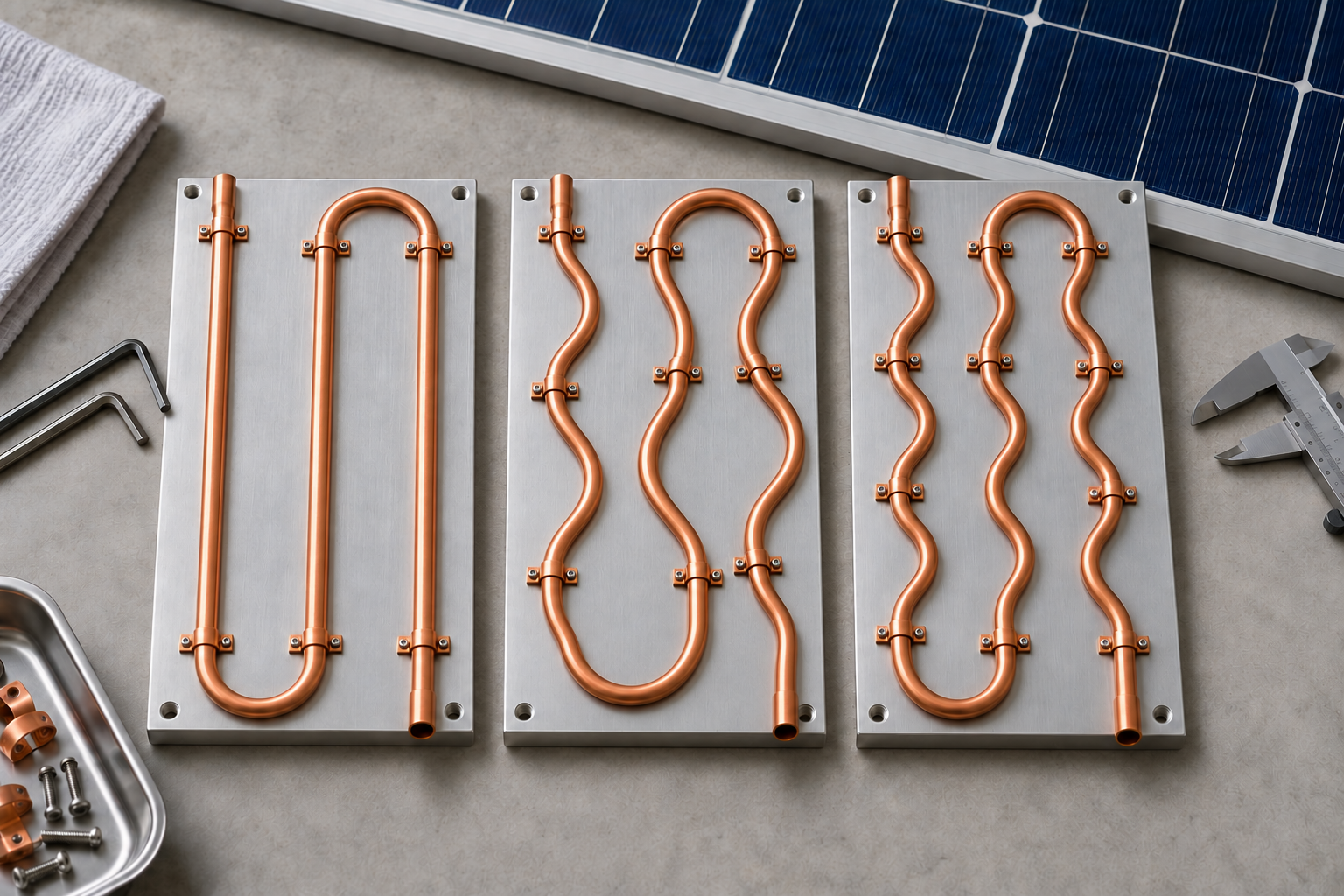
Researchers develop photovoltaic-thermal collector with wavy copper cooling tubes
Researchers in Iran have found that wavy copper cooling tubes can improve the electrical and thermal efficiency of photovoltaic-thermal collectors. The best-performing configuration achieved an electrical efficiency of 13.65% and a thermal efficiency of approximately 24%.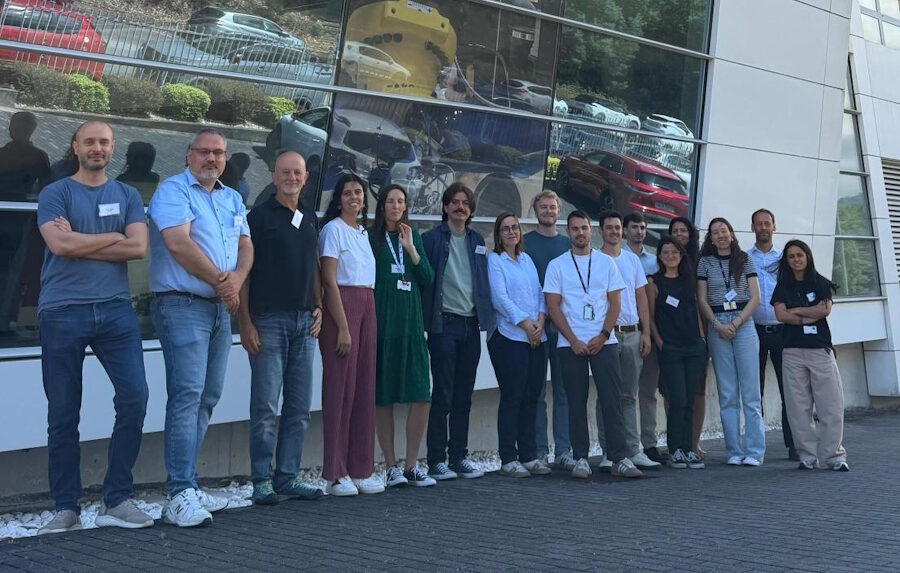
Glass-free European photovoltaic modules for vehicles, noise barriers and boats
A European research consortium is developing glass-free photovoltaic modules using fiber-reinforced polymer composites. The technology could enable lighter solar modules for curved and complex surfaces, including vehicles, ships and infrastructure. The project aims to demonstrate industrial feasibility by May 2029.
Hemispherical perovskite solar cell design reduces sensitivity to sunlight angle
Chinese researchers have designed a hemispherical perovskite solar cell with a textured surface to improve light absorption and reduce sensitivity to sunlight incidence angles. Simulations showed absorption exceeding 95% and an average maximum power output of 28.25 mW/cm² across incidence angles of 0° to 50°.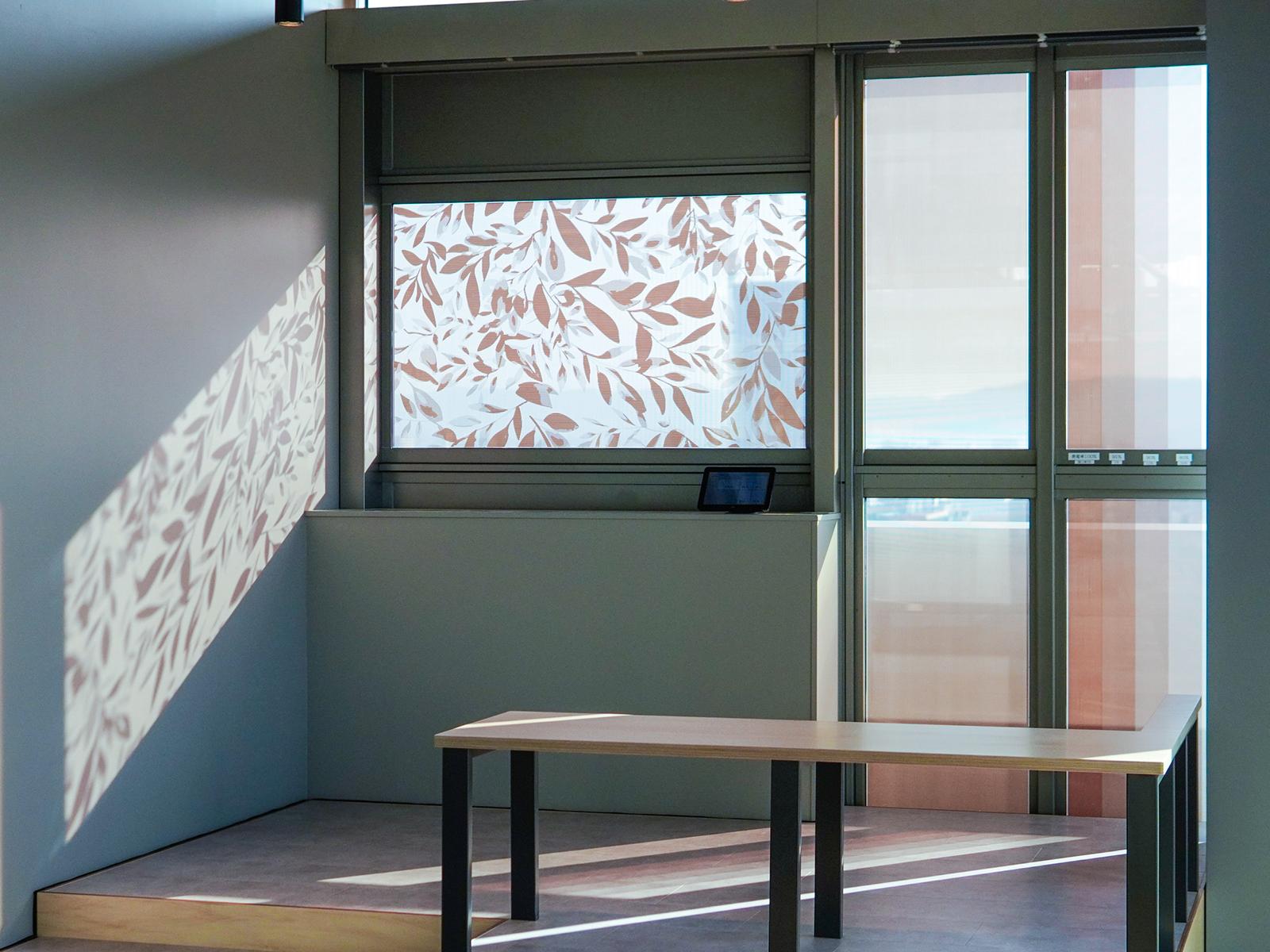
Panasonic begins sales of glass-based perovskite solar panels
Panasonic began commercial sales of its glass-based perovskite solar panels in September 2026, ahead of the planned launch of full-scale mass production in April 2029. The initial products are manufactured at the company’s development facility in Moriguchi, Osaka Prefecture.
Tin-modified nanotube gel reduces solar cell temperature by 9.5 C
Researchers in India have developed a reusable tin-modified carbon nanotube gel that reduces solar cell operating temperatures by 9.5 C and improves power conversion efficiency. The gel maintained its cooling performance after 40 days of testing and could be reused following a simple water-soaking process.
Advertisement
Advertisement
All Research & Development news

MNRE minister urges India solar PV industry to develop research initiatives
Dr. Farooq Abdullah, the Honble Union Minister for New and Renewable Energy urged the Indian solar photovoltaics (PV) industry to focus on developing research initiatives, during the Solarcon India 2010, held in Hyderabad, India last week.
Indian Andhra Pradesh government outlines major solar PV initiatives
The government of the southern state of Andhra Pradesh in India has undertaken several outstanding initiatives in solar photovoltaics (PV), according to K. Rosaiah, Honble Chief Minister of Andhra Pradesh, who was speaking at the Solarcon India 2010 show in Hyderabad, India.
Advertisement
UNSW PV Center of Excellence will not close its doors pv magazine learns
pv magazine has learned from Professor Martin Green that Australia’s University of New South Wales (UNSW) Photovoltaic Centre of Excellence will not be closing its doors, despite losing financial support from the ARC Centre of Excellence program from the end of this year.
UNSW Photovoltaic Centre of Excellence to close after losing government funding to car scheme
The University of New South Wales (UNSW) Photovoltaic Centre of Excellence is reportedly being forced to close its doors after Australias Labor government stopped its funding, as part of the partys proposed cuts to finance a “cash-for-clunkers” low-emissions car program, the Greens say.
Manz Automation outlines strategy to pv magazine for positioning CIGS as lowest cost module available
Speaking to pv magazine, Manz Automation AG CFO, Martin Hipp underlined four strategic aims the company intends to achieve in the next few years under its new partnership with Würth Solar GmbH & Co. KG and the Zentrum für Sonnenenergie- und Wasserstoff-Forschung Baden-Württemberg (ZSW Center for solar energy and hydrogen research).
Advertisement
Emergence of new PV products enables widespread use of solar power, says Frost & Sullivan
Propelled by aggressive research and development (R&D) activities, third generation photovoltaics (PVs) are poised to take a huge leap forward, says Frost & Sullivan in a new analysis. The exploratory mass production of dye-sensitized solar cells (DSSC)-powered consumer durables is likely to alter the future course of research in this segment, says the company.
PBEC begins permitting process for Arizona solar project; company on track to get first phase approved within months
Pacific Blue Energy Corp. (PBEC) has announced it is preparing to begin the permitting process for 100 acres in Gila Bend, Arizona, the U.S., the purchase of which should be completed in the near future. As a result of the town’s solar overlay policy and strong support from town officials and staff, the company says it is on track to have the first phase of its 150 megawatt (MW) solar farm approved in two to four months, as opposed to the typical time frame of two years.
Advertisement
Advertisement