Cells & modules
All Cells & modules news
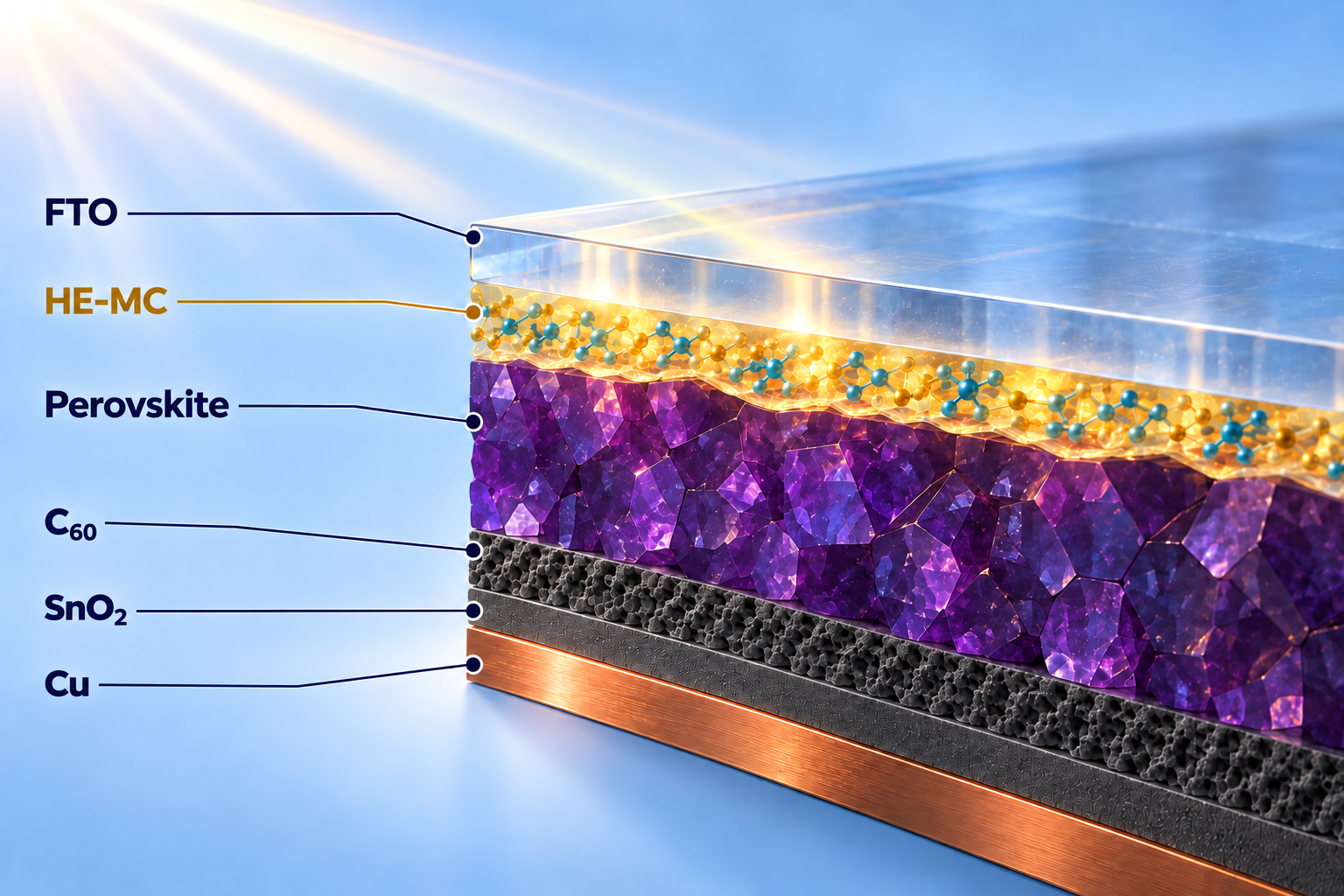
Three-molecule blend boosts inverted perovskite solar cell efficiency to 27.5%
Chinese researchers have developed high-entropy molecular contacts that enabled inverted perovskite solar cells to achieve a certified steady-state efficiency of 27.31%. The approach also improves thermal stability by preventing molecular contact degradation.
16 hours ago

UV down-shifting layers could boost TOPCon solar module energy yield by over 4%
Researchers in Slovenia have developed a numerical model showing that luminescent UV down-shifting layers could improve the long-term performance of TOPCon solar modules. Simulations suggest the technology could increase cumulative energy yields by more than 4% over 10 years while also mitigating UV-induced degradation.
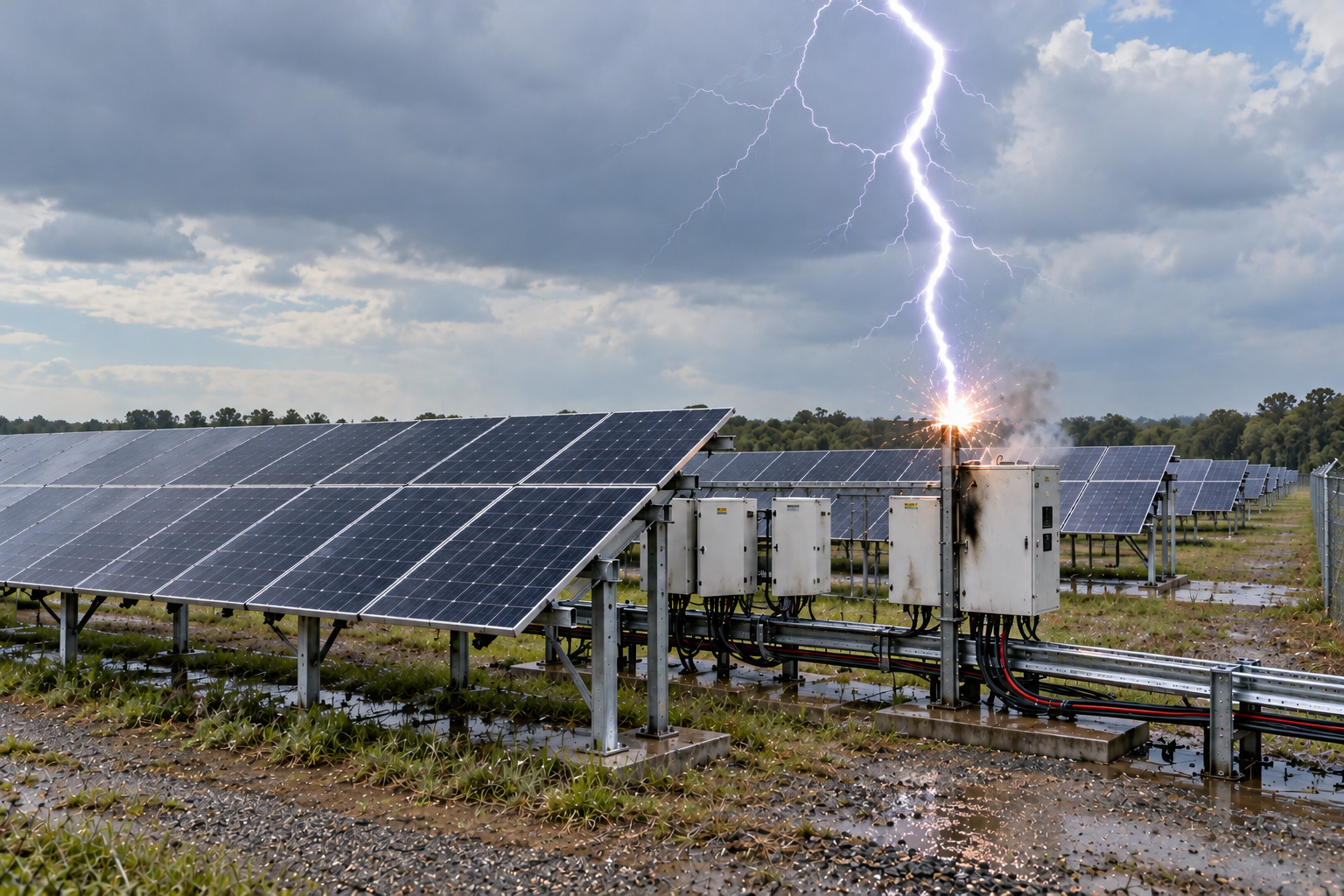
Multiple grounding points cut lightning-induced overvoltage in solar panels by up to 55%
Researchers in Indonesia found that higher soil resistivity significantly increases lightning-induced overvoltage in PV systems. Their simulations also showed that multiple grounding points and connections closer to the lightning strike location can substantially reduce transient voltages.
Advertisement
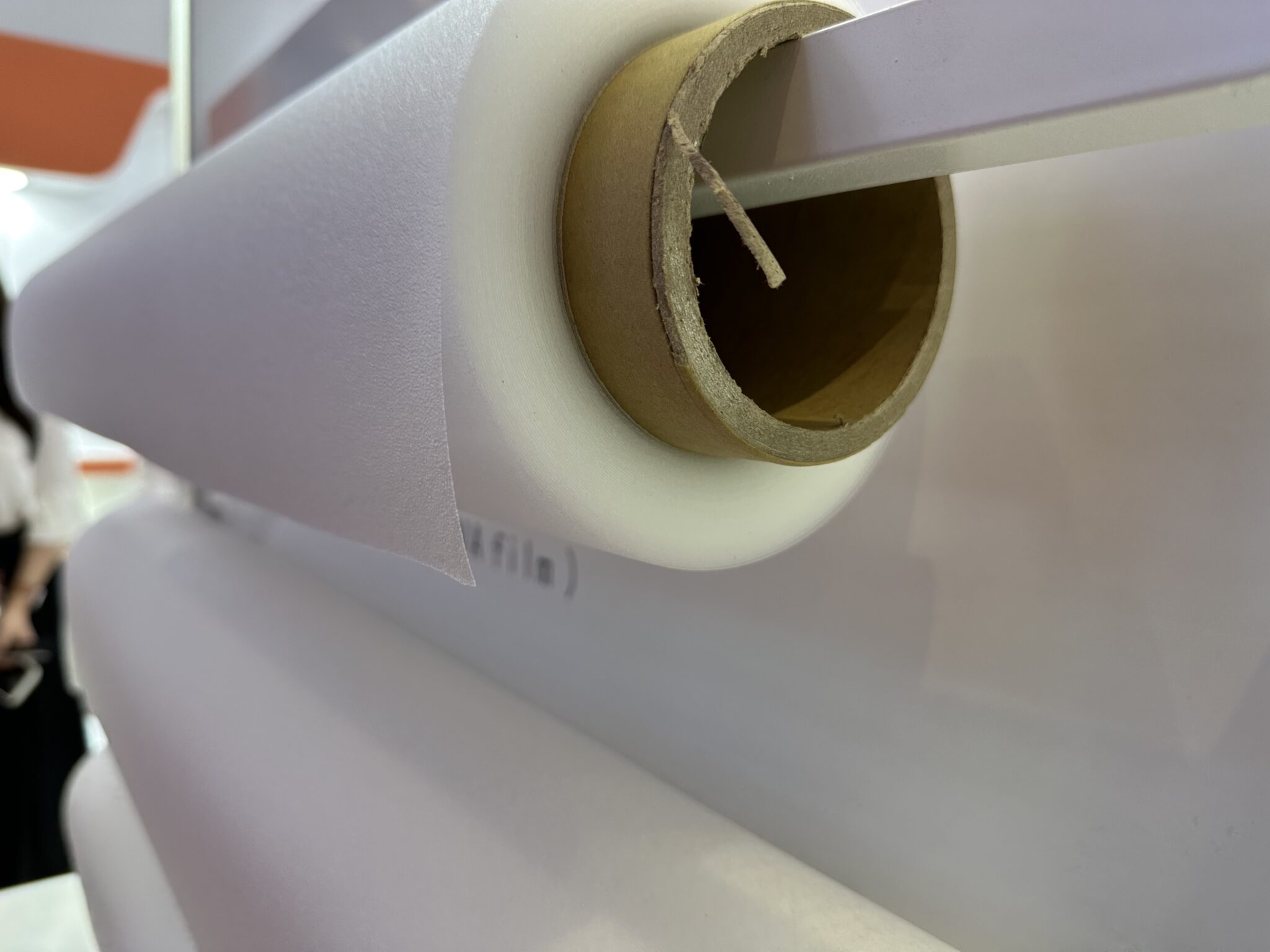
Study identifies new PID degradation mechanism in medium-voltage PV modules
French researchers have found that increasing PV system voltage significantly worsens potential-induced degradation (PID), with encapsulant conductivity playing a key role in module performance. They also identified a new degradation mechanism involving partial discharges and electrical treeing, highlighting additional reliability risks for medium-voltage PV modules.

Spanish researchers reduce losses in organic solar cells by restricting emission angle
Spanish researchers have developed an optical cavity that reduces Boltzmann losses in organic solar cells by restricting photon emission angles. The approach could help push single-junction solar cell efficiencies beyond the Shockley-Queisser limit.
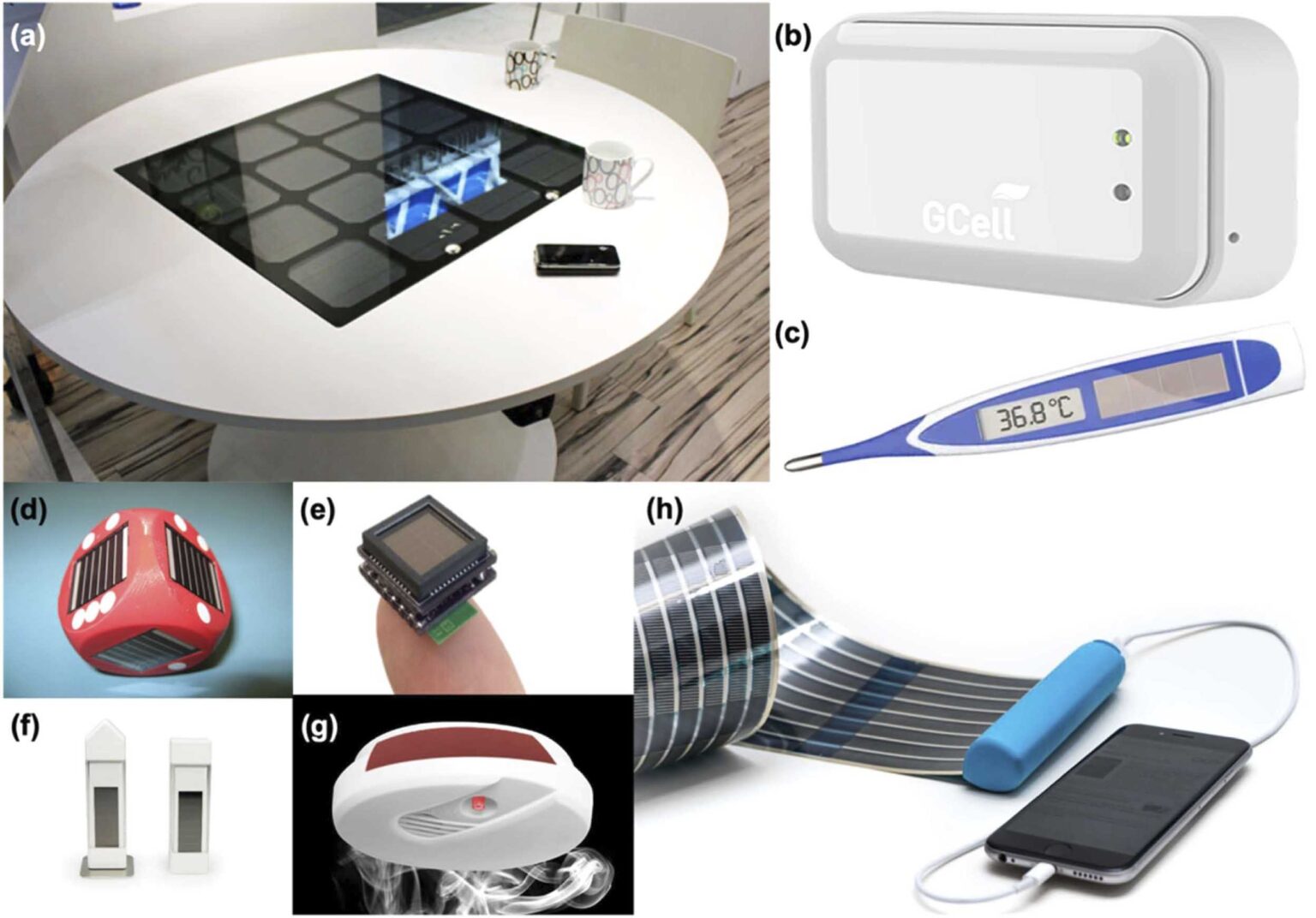
Research community reaches consensus on testing indoor photovoltaics
An international team of 73 researchers has developed standardized best practices for measuring the performance, reliability and stability of indoor photovoltaic devices. The guidelines aim to improve measurement consistency across laboratories and accelerate the transition of indoor PV technologies from research to commercial applications.
Advertisement
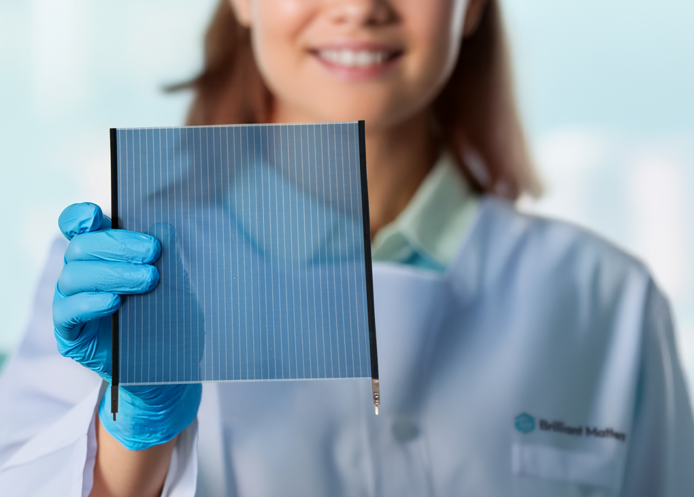
Brilliant Matters, HeiQ plan to commercialize 12%-efficient semi-transparent organic solar cells
A Canadian-Swiss-German collaboration has developed semi-transparent organic solar cells with efficiencies of up to 12.04% and fully printed modules reaching 10.2%. The technology combines Brilliant Matters’ BM10 OPV platform with HeiQ’s silver nanowire electrodes and is targeted for commercial availability in 2028.
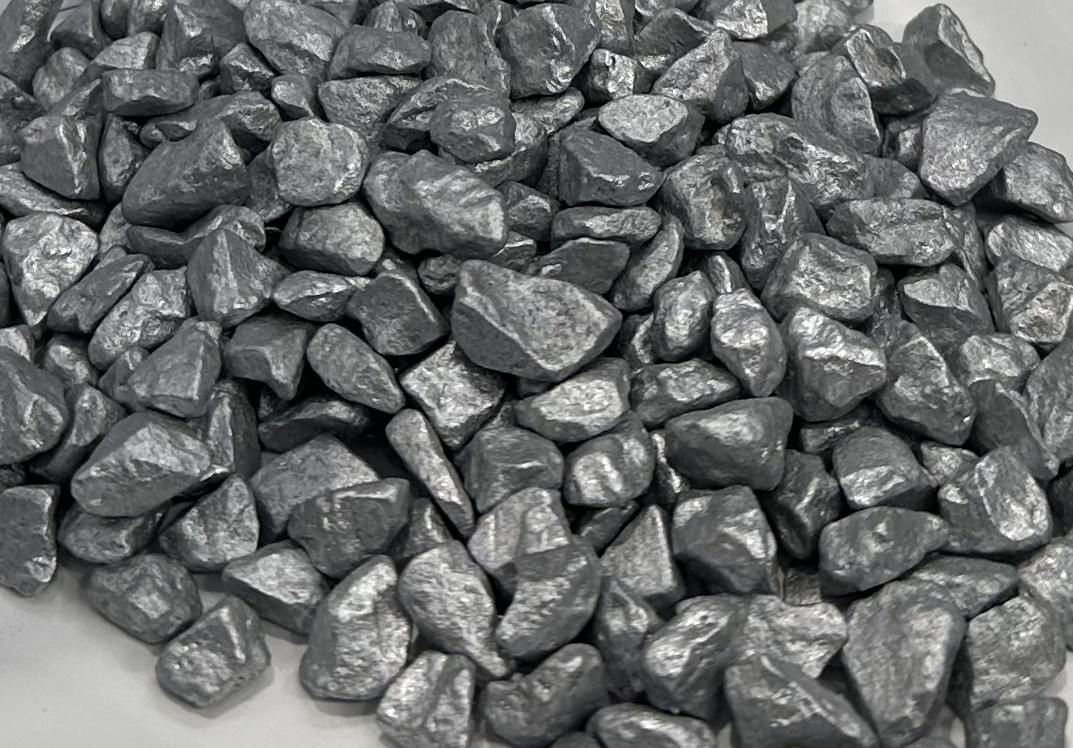
Heterojunction solar cell built with biomass lignin-based silver paste achieves 25.96% efficiency
Chinese researchers have developed a biomass lignin-based silver paste for HJT solar cells that reduces reliance on petroleum-based resins and improves electrical performance. The optimized paste increased solar cell efficiency from 25.01% to 25.96% while improving printability, adhesion, and conductivity.

Advertisement


Advertisement

- Don’t miss out on key industry events, deadlines, and gatherings that shape the future of the energy transition.
- Visit our comprehensive Events Calendar to mark your schedule with the latest happenings in the photovoltaic and energy storage sectors.
Advertisement
Advertisement
Advertisement