Cells & modules
All Cells & modules news
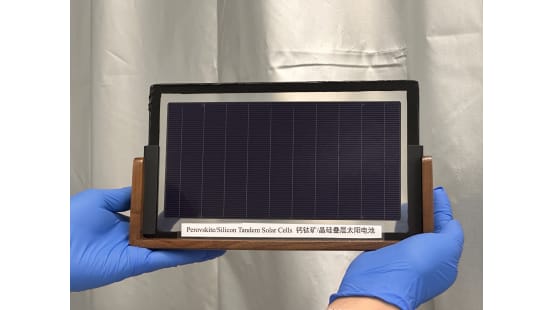
Scientists build 31%-efficient indium-free tandem perovskite silicon mini-module via reactive plasma deposition
Researchers have developed an indium-free perovskite-silicon tandem solar cell using a low-damage reactive plasma deposition process to produce tin oxide layers, achieving certified efficiencies of 33.6% for a small-area device and 31.0% for a mini-module.
Jul 17, 2026
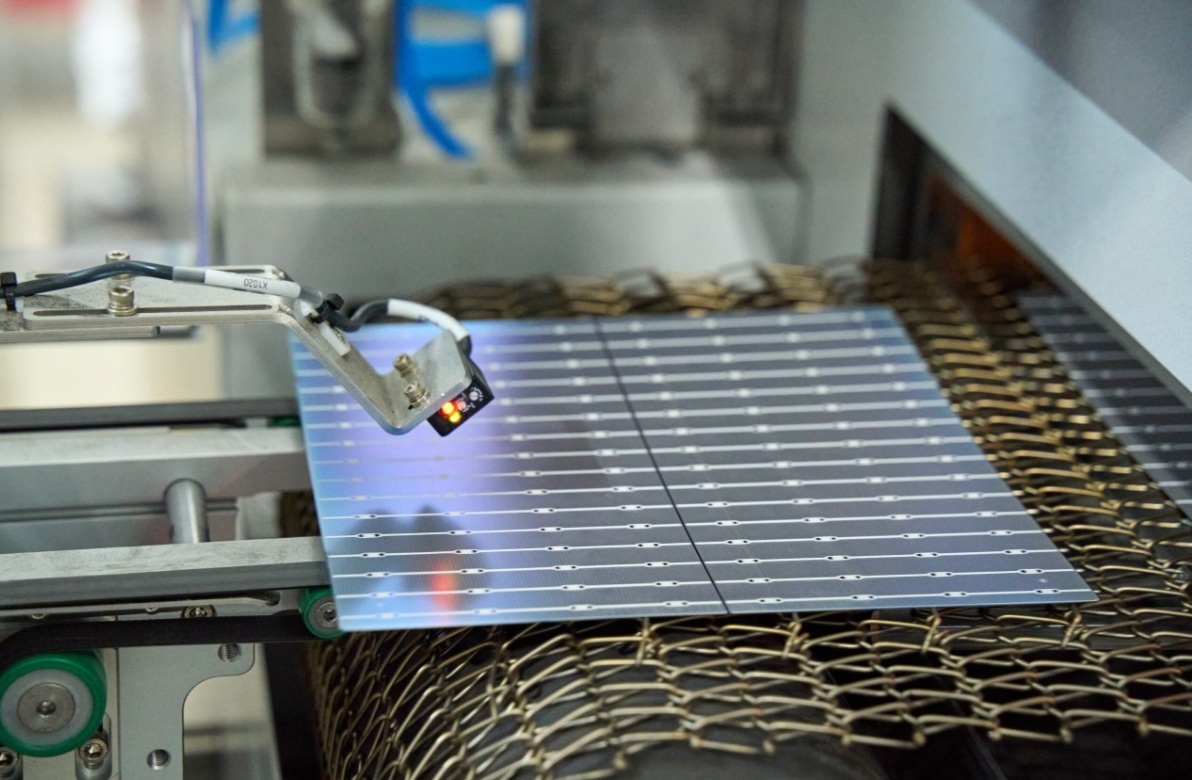
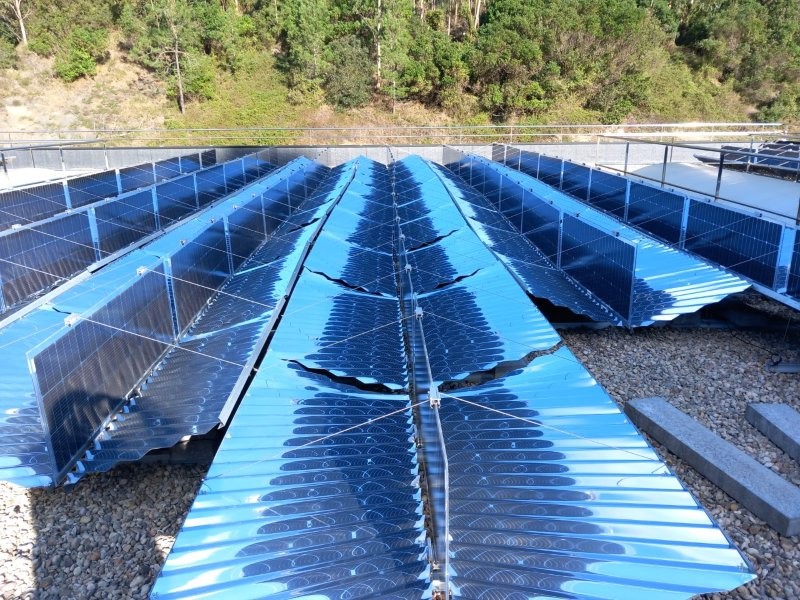
Pilot tests show vertical PV with specular reflectors delivers 51% higher yield
FutureVoltaics’ VectHor5 vertical PV system with specular reflectors delivered a 51.4% higher specific yield than a conventional fixed-tilt reference system in a five-month pilot project in Spain. The company says the technology extends daily production hours and improves the economic value of solar generation.
Advertisement
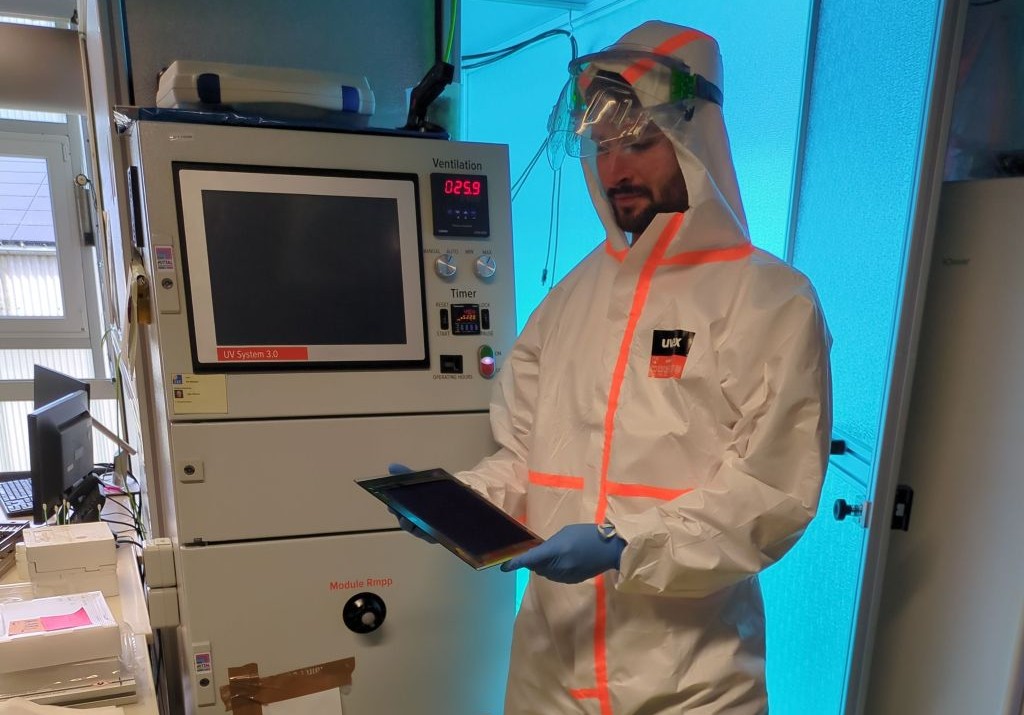
ISC Konstanz study highlights atomic layer deposition as a superior approach for TOPCon UV stability
Researchers at ISC Konstanz found that ALD-based aluminum oxide (AlOx) passivation layers provide better UV stability for TOPCon solar cells than PECVD-deposited layers, with thicker AlOx films and a thermally grown SiOx interlayer further improving resistance to UV-induced degradation. Testing laboratory and commercial TOPCon cells showed 2–3% average efficiency losses after high UV exposure, while process variations and layer non-uniformities were identified as key factors influencing long-term UV susceptibility.
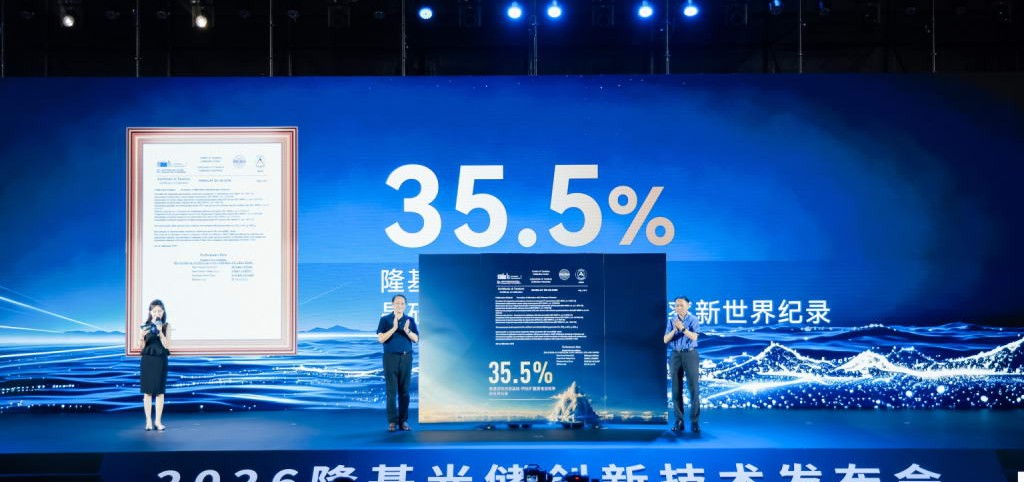
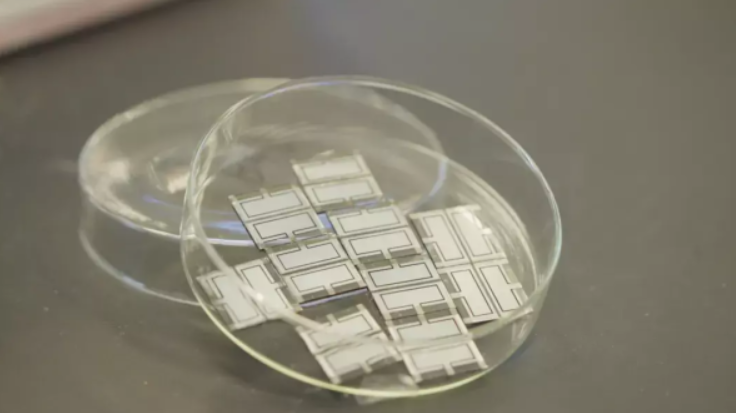
Chinese scientists achieve world record efficiency of 28.04% for perovksite-organic tandem solar cell
Researchers at the Chinese Academy of Sciences have reported a perovskite–organic tandem solar cell with a claimed record efficiency of 28.04%, using a photo-transformable TDB molecule to improve perovskite film quality and device stability.
Advertisement
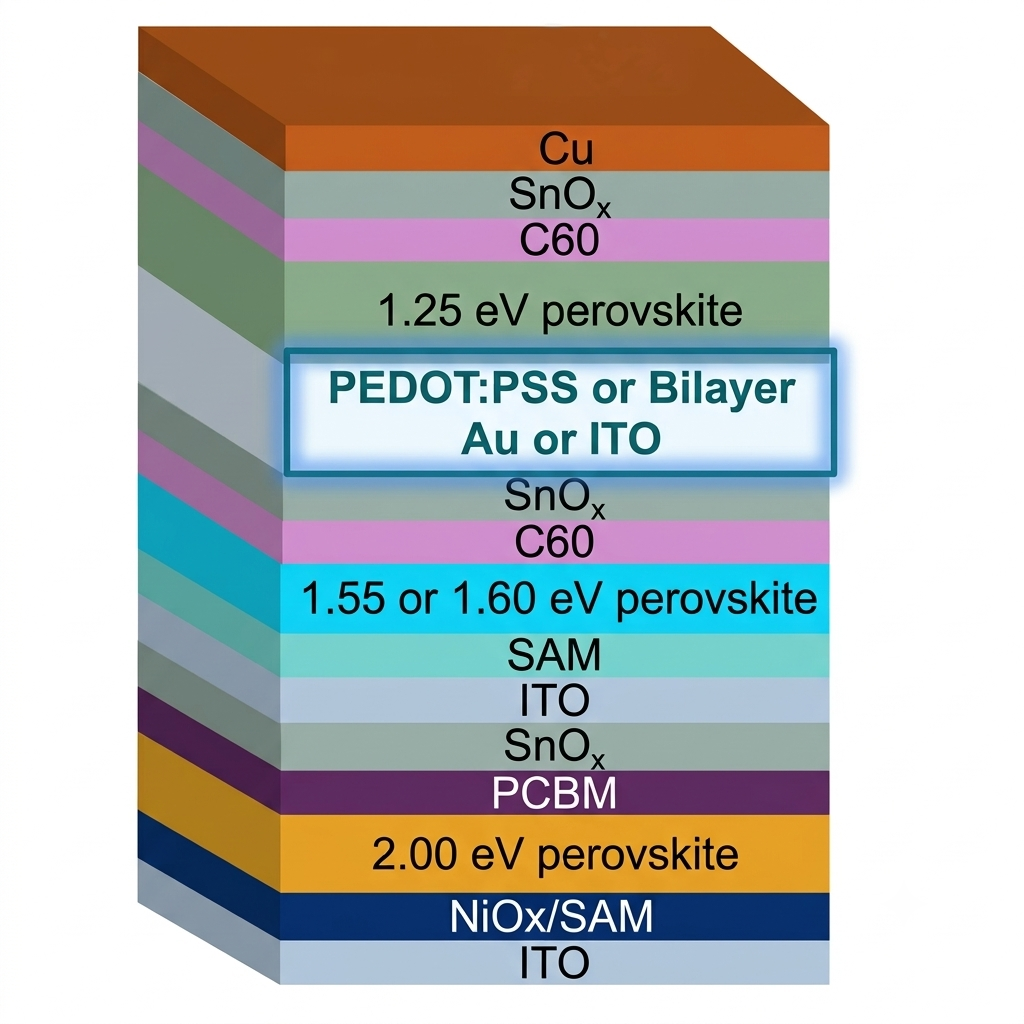
Triple-junction all-perovskite solar cell based on graphene oxide bilayer achieves 27.3% efficiency
An international research team developed a triple-junction all-perovskite solar cell using a graphene oxide (GO)/self-assembled monolayer (SAM) bilayer contact strategy to overcome SAM-related charge extraction losses and improve interface quality.
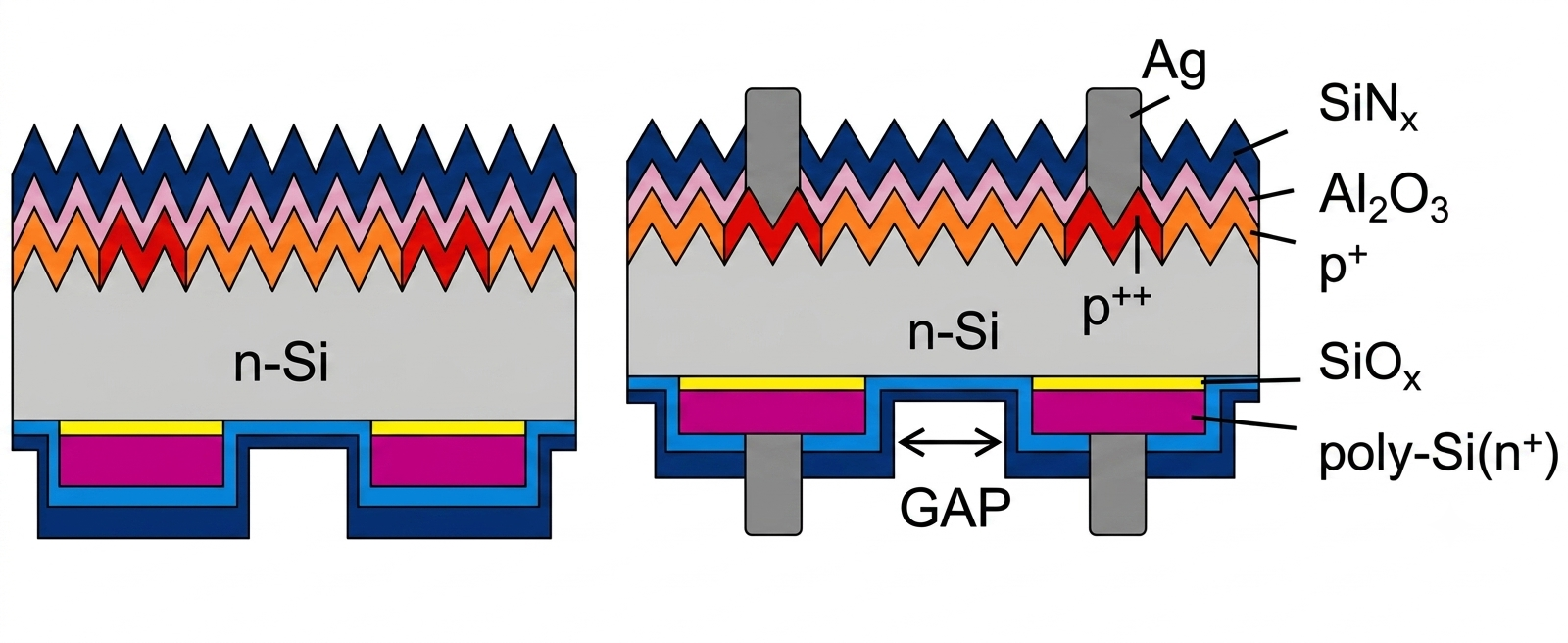
Laser-patterned poly-Si finger contacts reduce parasitic absorption, improve efficiency in TOPCon solar cells
Researchers in China developed a laser-assisted poly-Si finger contact fabrication method combining picosecond laser modification and potassium hydroxide wet etching to reduce parasitic absorption in industrial TOPCon solar cells. The optimized process achieved a certified efficiency of 26.08% by improving optical performance while maintaining effective passivation and carrier transport.
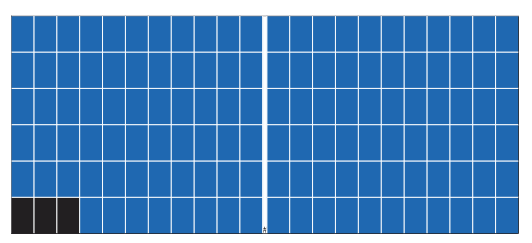
TÜV NORD study finds back-contact advantage over TOPCon is limited to mild shading conditions
A TÜV NORD study found that back-contact (BC) modules outperform TOPCon modules under mild partial shading, particularly when three or fewer cells are shaded across different substrings within a string. However, once shading exceeds four cells, the performance advantage disappears, with both technologies experiencing similar power losses of around 50%.
Advertisement










Advertisement
Stay informed, stay connected!

- Don’t miss out on key industry events, deadlines, and gatherings that shape the future of the energy transition.
- Visit our comprehensive Events Calendar to mark your schedule with the latest happenings in the photovoltaic and energy storage sectors.
Advertisement
Advertisement
Advertisement