Philippines mandates energy storage for renewables plants over 10 MW

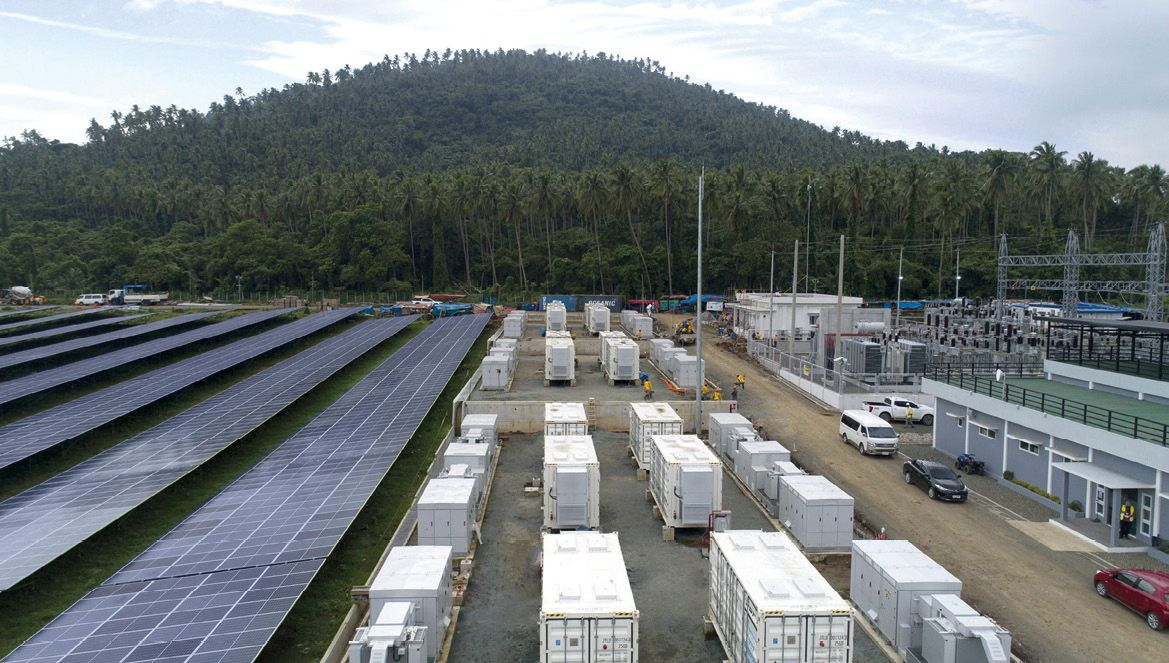
From ESS News
Developers building intermittent renewable energy plants in the Philippines with 10 MW or greater capacity will need to install energy storage systems (ESS) alongside under new rules issued by the Department of Energy.
The DOE updated its energy storage systems policy on Feb. 26, 2026, to include a framework setting minimum energy storage capacity volumes that must be installed alongside affected plants. Under the new rules, projects will need to integrate ESS with a capacity of at least 20% of the generating plant’s installed capacity as part of project development and grid integration. The DOE said this is consistent with system studies and local technical requirements.
Renewables deployment has been gathering pace in the Philippines, spurred on by reforms that have lifted restrictions on foreign investment and improvements to permitting processes for solar projects. Flagship projects include the 3.5 GW solar, 4.5 GWh battery ESS MTerra project, which completed initial grid synchronization and energization for its first phase in February 2026.
To continue reading, please visit our ESS News website.
This content is protected by copyright and may not be reused. If you want to cooperate with us and would like to reuse some of our content, please contact: [email protected].

Please login to comment