Research & Development

Solar R&D is focused on improving efficiency, reducing production costs, and extending system longevity. Key areas include tandem and perovskite cell development, advanced materials for encapsulation and contacts, and new concepts in system integration.
Simulation tools, AI-driven design, and accelerated testing methods are expanding research capabilities. Sustainability and circularity targets are increasingly embedded in innovation strategies.
Advertisement
Latest News

Advertisement
Machine learning improves irradiance prediction in bifacial PV systems
A Selçuk University researcher has compared six machine learning algorithms for predicting front- and rear-side plane-of-array irradiance in bifacial PV systems. Random forest delivered the best results for both sides, while rear-side irradiance proved more difficult to predict.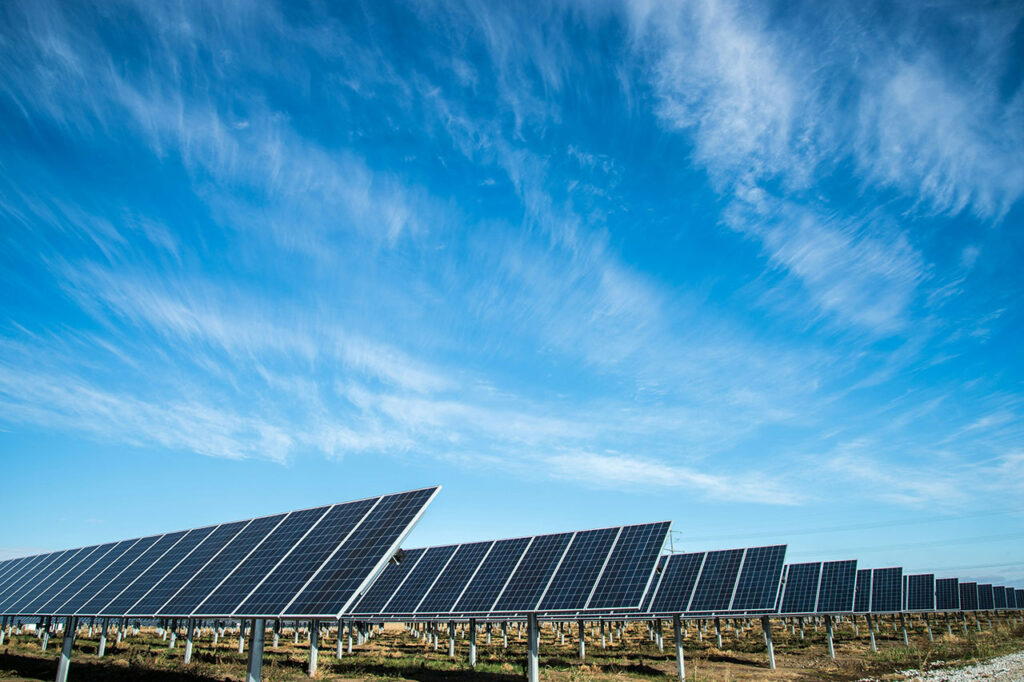
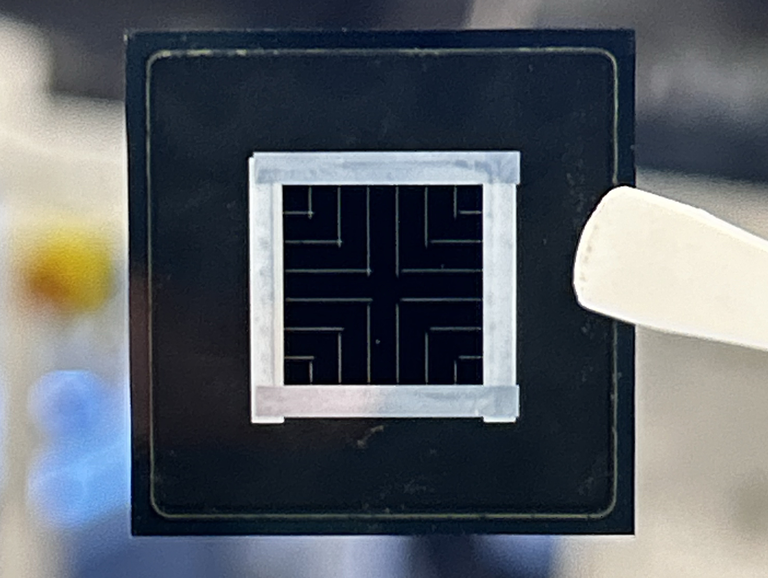
Solvent-free perovskite-silicon tandem solar cell achieves 27.3% efficiency
German researchers have developed a fully solvent-free perovskite-silicon tandem solar cell using sequential evaporation, achieving a power conversion efficiency of 27.1%. The scalable approach also demonstrated significant stability, retaining 97.06% of its initial efficiency after 6,800 hours of dark storage under nitrogen.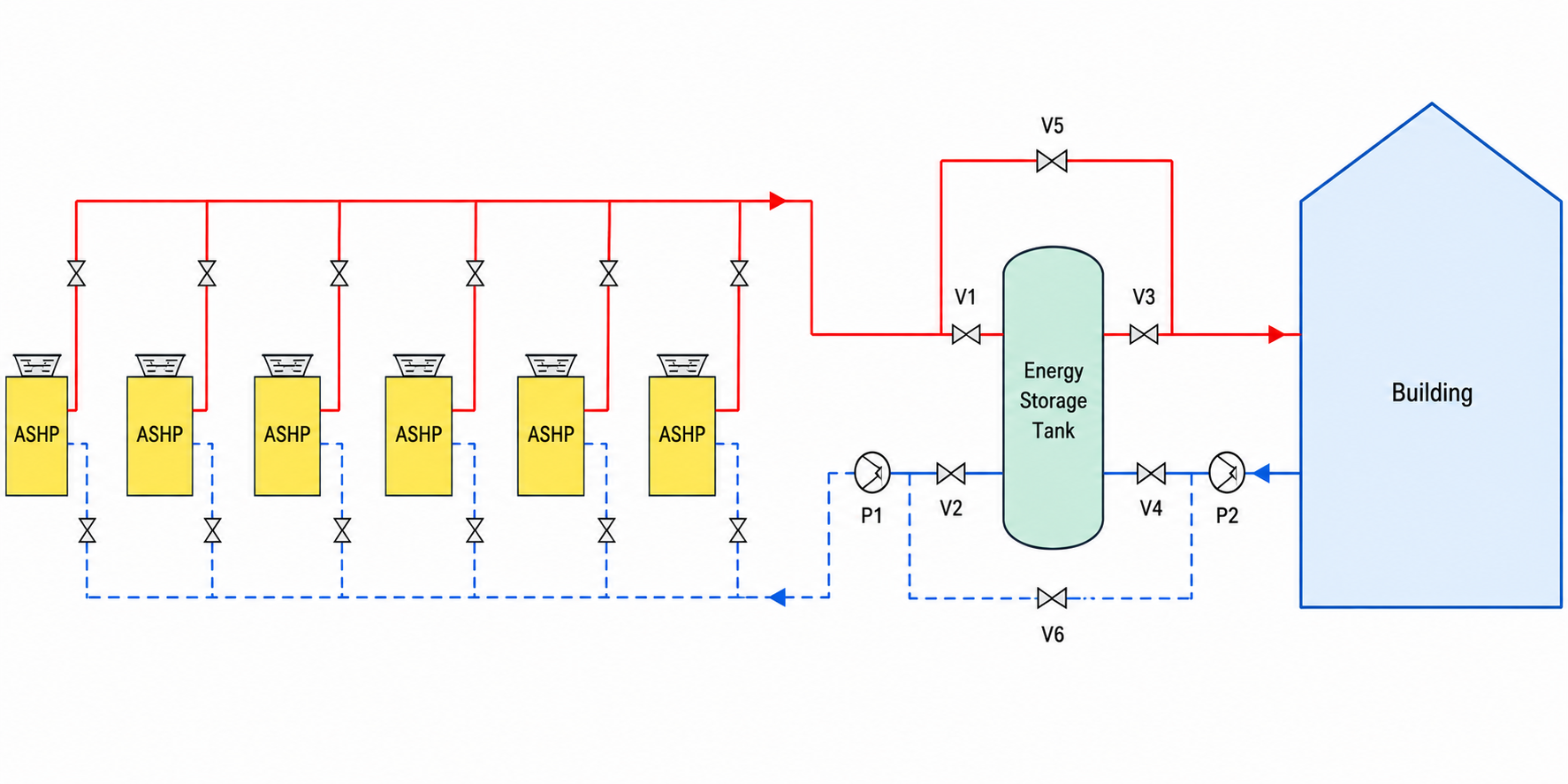
Air-source heat pumps with thermal storage cut upfront costs by 29.7%
Chinese researchers have proposed combining air-source heat pumps with thermal energy storage to shift electricity consumption to off-peak periods and reduce system costs. The system cut upfront investment by 29.7%, annual electricity use by 21.9 MWh, and carbon emissions by 8.8% compared with conventional counterparts.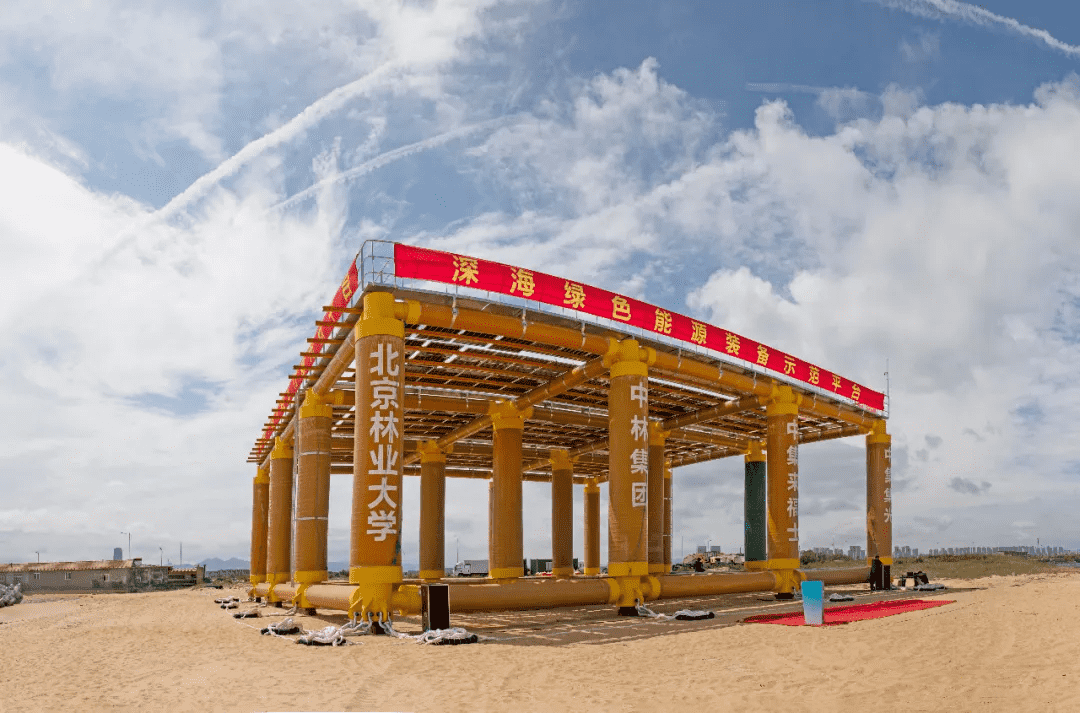
CIMC Raffles developing bamboo-based offshore floating photovoltaics
CIMC Raffles has completed a 100 kW bamboo-based offshore floating PV platform in Yantai, China, using engineered bamboo composites as structural materials. The company plans to scale the technology to megawatt-level projects while developing standards and additional marine applications.
Advertisement
Advertisement
All Research & Development news

Study: PV expansion wont affect Germanys power grids
A new study has concluded that Germanys power grids are well prepared to handle the future expansion of photovoltaics (PV) generation to the planned 52 gigawatts by 2020, the level stipulated by the countrys government in its National Action Plan for Renewable Energy.
Advertisement
Report: PV poised to become mainstream source of energy in Sunbelt countries
According to a new report, Sunbelt countries – those located within +/- 35° latitude around the equator – constitute an immense opportunity for photovoltaics (PV) to become mainstream by 2020; by 2030 they could develop into a major electricity source.
Advertisement
Advertisement
Advertisement