Research & Development

Solar R&D is focused on improving efficiency, reducing production costs, and extending system longevity. Key areas include tandem and perovskite cell development, advanced materials for encapsulation and contacts, and new concepts in system integration.
Simulation tools, AI-driven design, and accelerated testing methods are expanding research capabilities. Sustainability and circularity targets are increasingly embedded in innovation strategies.
Advertisement
Latest News
Advertisement

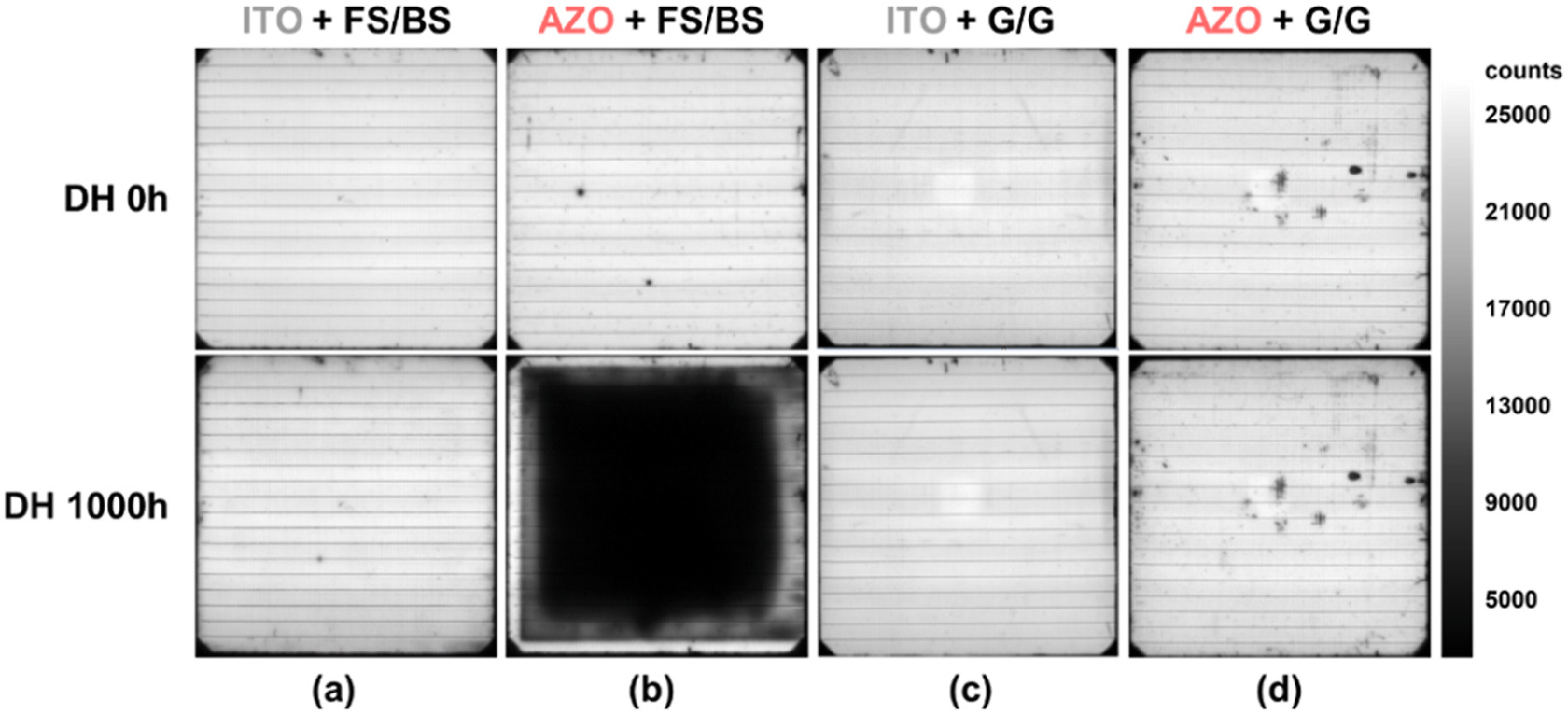
AZO-based HJT solar cells more vulnerable to damp-heat-induced degradation, study finds
German researchers have found that aluminum-doped zinc oxide-based silicon heterojunction cells are more vulnerable to damp-heat-induced degradation than their indium tin oxide-based counterparts. To address this issue, they introduced a magnesium fluoride capping layer that significantly improved damp-heat stability by slowing moisture penetration and corrosion.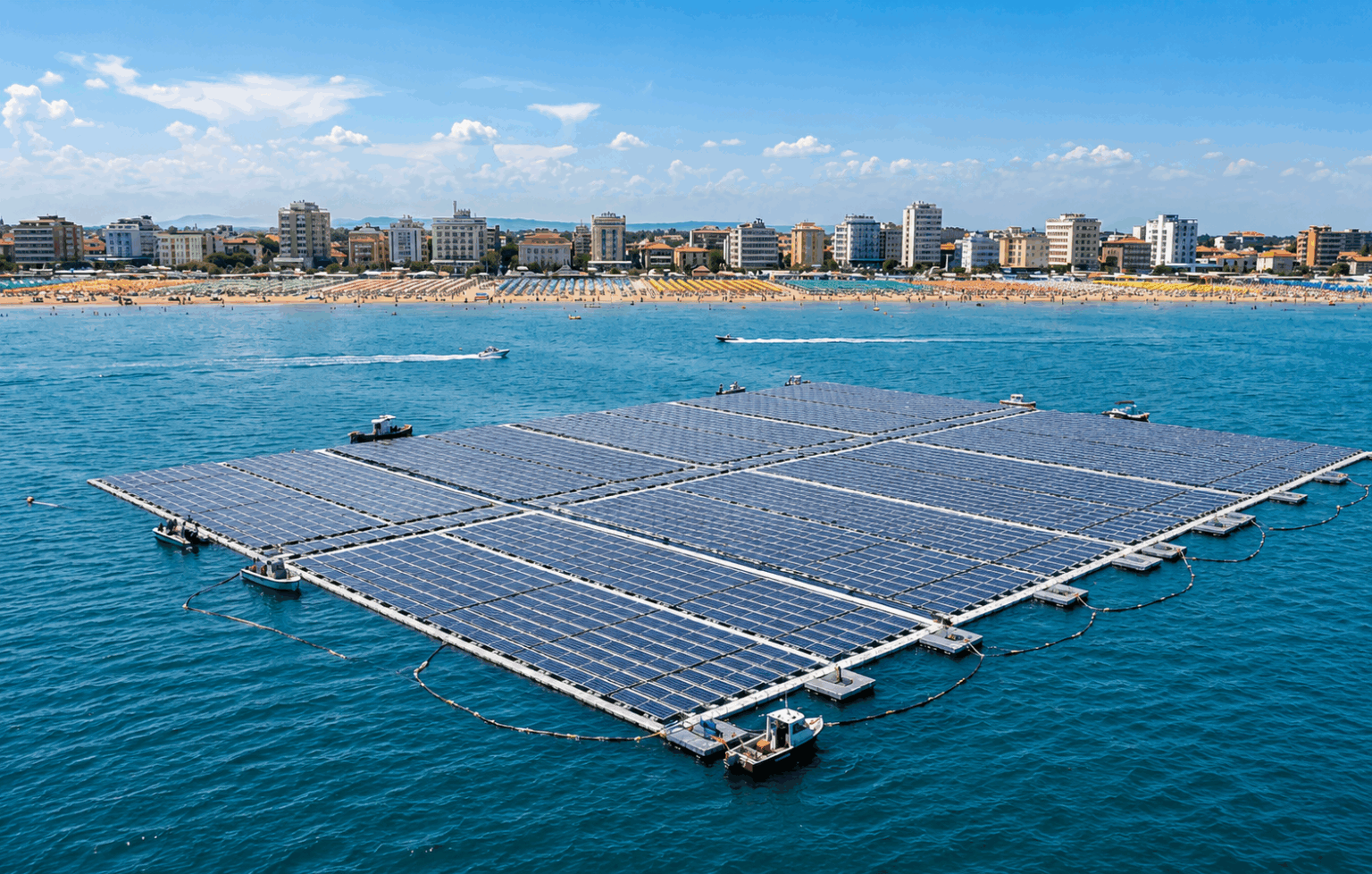
New temperature model improves floating PV performance predictions
Researchers in Malaysia have developed a simplified operating cell temperature model for floating photovoltaic (FPV) systems that incorporates water temperature while remaining compatible with existing nominal operating cell temperature (NOCT) models. The FPV-NOCT model outperformed the standard NOCT approach in validation datasets from Brazil and California, achieving up to 92.3% prediction accuracy.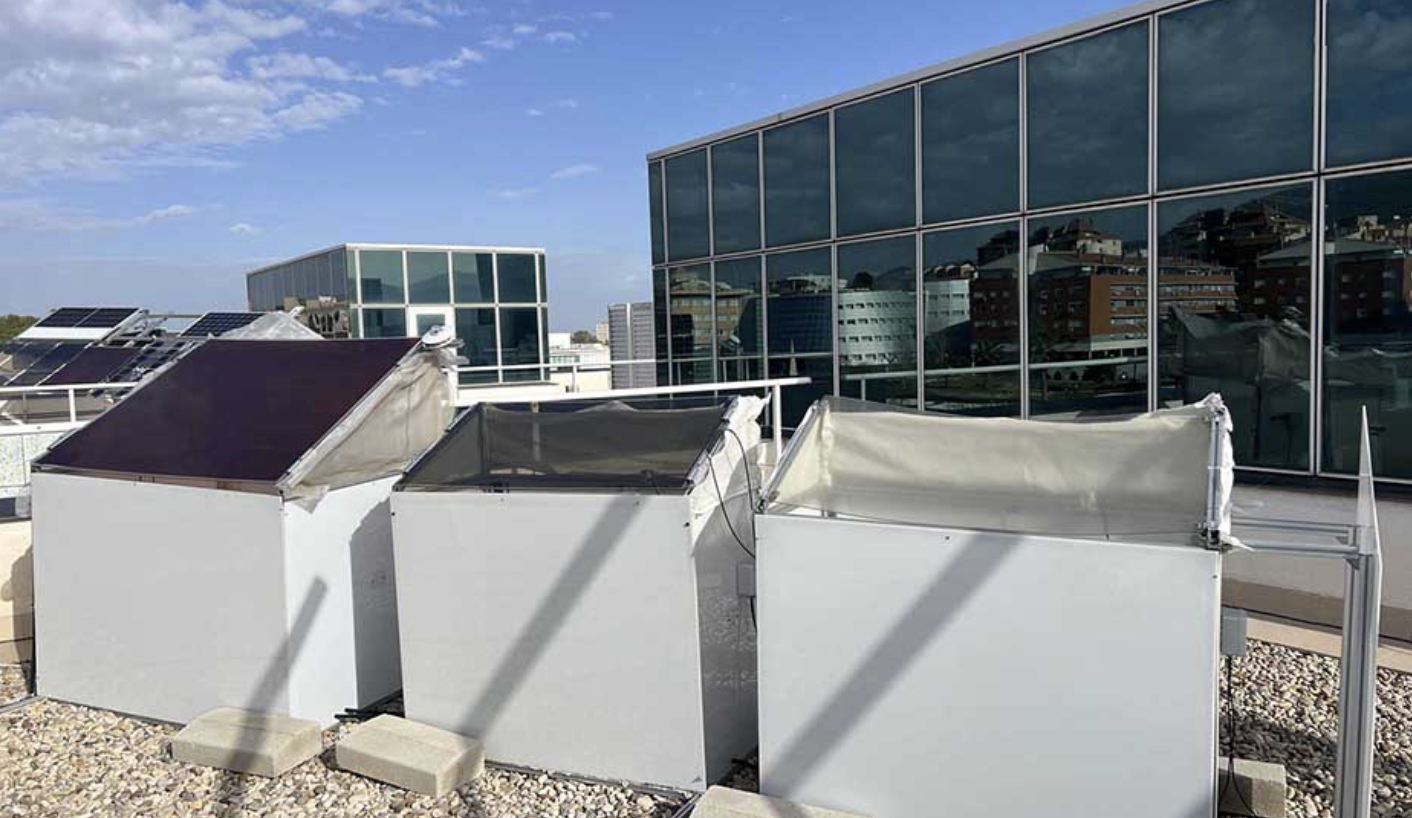
Semi-transparent PV reduces greenhouse temperatures by up to 5 C
Semi-transparent photovoltaic modules can reduce greenhouse temperatures by up to 5 C while cutting water losses by more than 60%, according to research from the University of Jaén. The study compared CdTe and amorphous silicon technologies, highlighting the role of spectral transmission in balancing solar generation with crop requirements.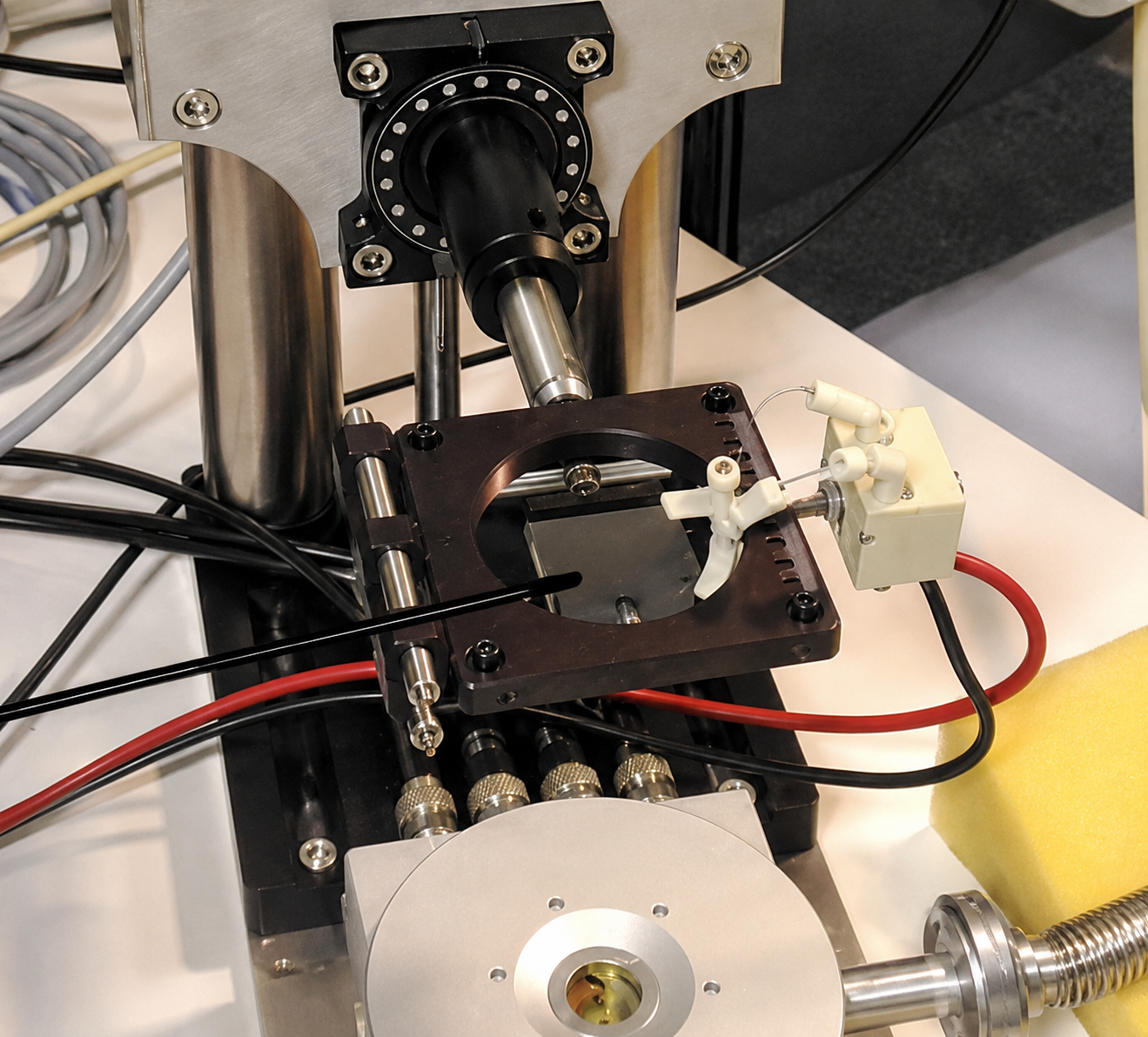
Very-low-bandgap thermophotovoltaics for operation at higher temperatures
French researchers have developed very-low-bandgap thermophotovoltaic cells with a barrier structure designed to suppress dark current and enable operation at higher temperatures. The cells showed more than tenfold improved performance over conventional devices at temperatures above 150 K, with a photovoltaic effect observed up to 273 K.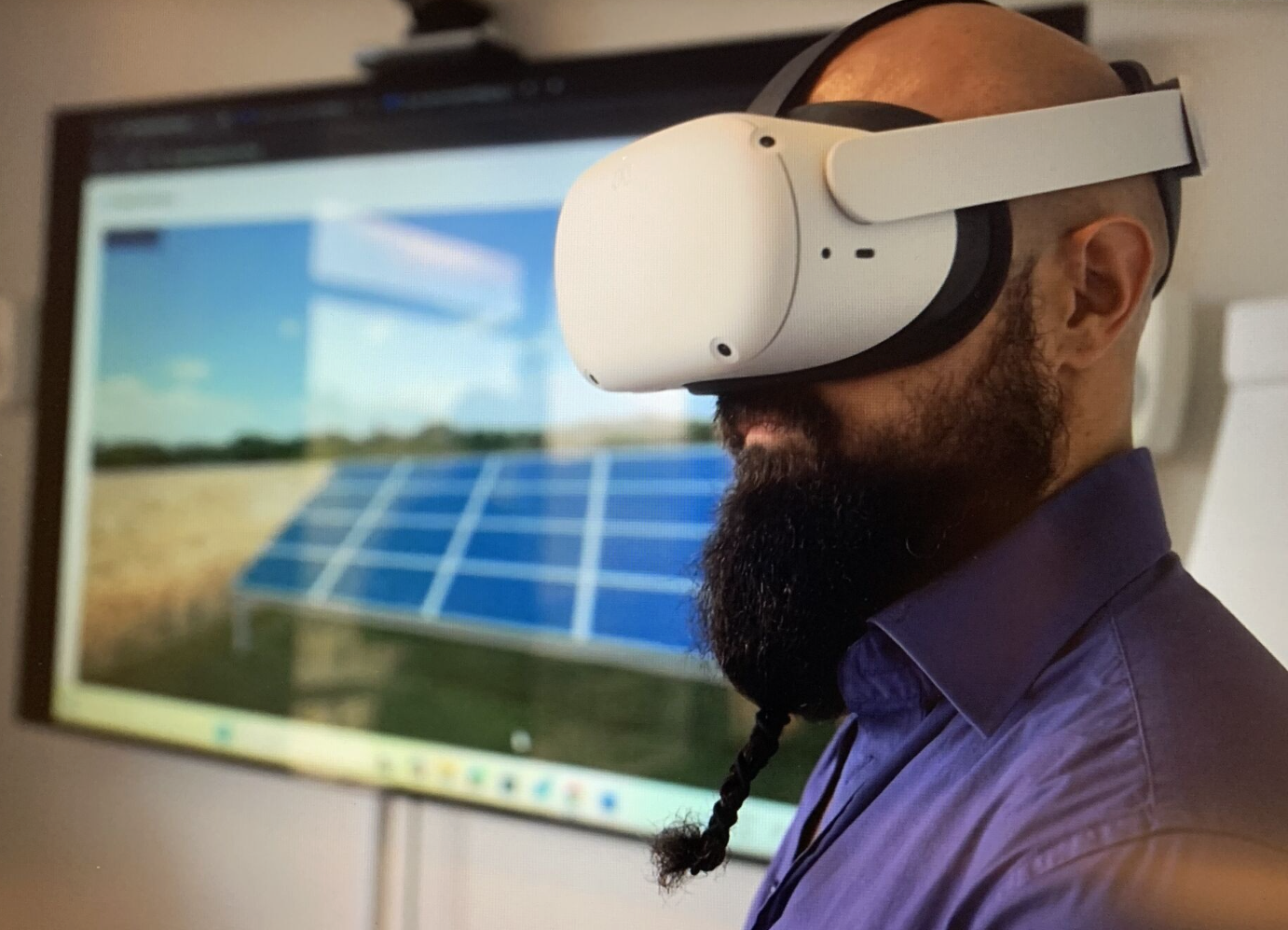
Researchers use virtual reality to increase understanding of agrivoltaics
Research from Denmark finds using immersive virtual reality can help citizens understand the dual-use logic of agrivoltaics. Participants in the research evaluated agrivoltaics as greener, more innovative and at least as acceptable as conventional solar parks.
Advertisement
Advertisement
All Research & Development news

Report: Solar spotlight to shift from Germany; US could achieve grid parity first
In its latest renewable energy attractiveness indices, Ernst & Young has announced the solar market is preparing for a shift from a dominant German market to other smaller hotspots. It added that Spain remains largely in the doldrums, with the wind industry largely thought to have won out over solar.
Study: Decentralized development of renewable energies creates billions in value output
In what has been termed the first systematic and comparative analysis of the effects of regenerative energy technologies on the output of value, the German Institute for Ecological Economic Research (IÖW) has concluded that photovoltaics (PV) contributed 36 percent to Germanys sum total last year.
Advertisement
Haitis economic recovery to be supported with USD$1 million solar initiative
NRG Energy, Inc. and Solar Electric Light Fund (SELF) have announced a commitment through the Clinton Global Initiative to greatly expand the use of solar power to meet electricity needs for the Haitian Central Plateau commune of Boucan Carre, through the use of a USD$1 million fund.
Report: Global PV demand expected to double this year
The global photovoltaics (PV) market is making positive progress, with new research released by solar energy market research company Solarbuzz showing that PV demand “soared” by 54 percent in the second quarter of this year (Q210), to 3.82 gigawatts (GW).
Advertisement
LDK Solar to repay Q-Cells loan 4 years early; signs MOU with NREL
Q-Cells SE has announced that Chinese company LDK Solar will repay a USD224.9 million (ca. 170 million) loan, which was granted by Q-Cells in 2008, in its entirety by the end of next year. It was originally expected that the loan would be fully repaid by the end of 2015.
Advertisement
Advertisement