Research & Development

Solar R&D is focused on improving efficiency, reducing production costs, and extending system longevity. Key areas include tandem and perovskite cell development, advanced materials for encapsulation and contacts, and new concepts in system integration.
Simulation tools, AI-driven design, and accelerated testing methods are expanding research capabilities. Sustainability and circularity targets are increasingly embedded in innovation strategies.
Advertisement
Latest News

Global progress on 100% renewables
Christian Breyer and Mark Z. Jacobson, two prominent scientists tracking the global rollout of renewable energy systems provide an update on solar’s role in the equation. Frustratingly, political and regulatory blocks continue threatening to derail progress but the economic, environmental and grid flexibility benefits that the combination of solar and storage can provide are unmatched by legacy fossil fuels. As part of pv magazine’s Renewables 24/7 special feature this month, these two top experts shared their views on the state of the energy transition with pv magazine’s Blathnaid O’Dea.
Sep 17, 2026
Advertisement

Solar-powered aeroponic system for off-grid vertical farming
Researchers in Mexico have developed Totem, an open-source, solar-powered vertical aeroponic system designed for low-cost, off-grid food production. The $719 prototype uses a 50 W PV module and supported two basil harvests during a 55-day cultivation trial.
JA launches heterojunction PV module into orbit for space validation
The Chinese manufacturer has begun in-orbit testing of its p-type heterojunction solar modules to assess their reliability and degradation under low Earth orbit conditions. The company said the project remains at an early validation stage, with no current orders and uncertain prospects for commercialization.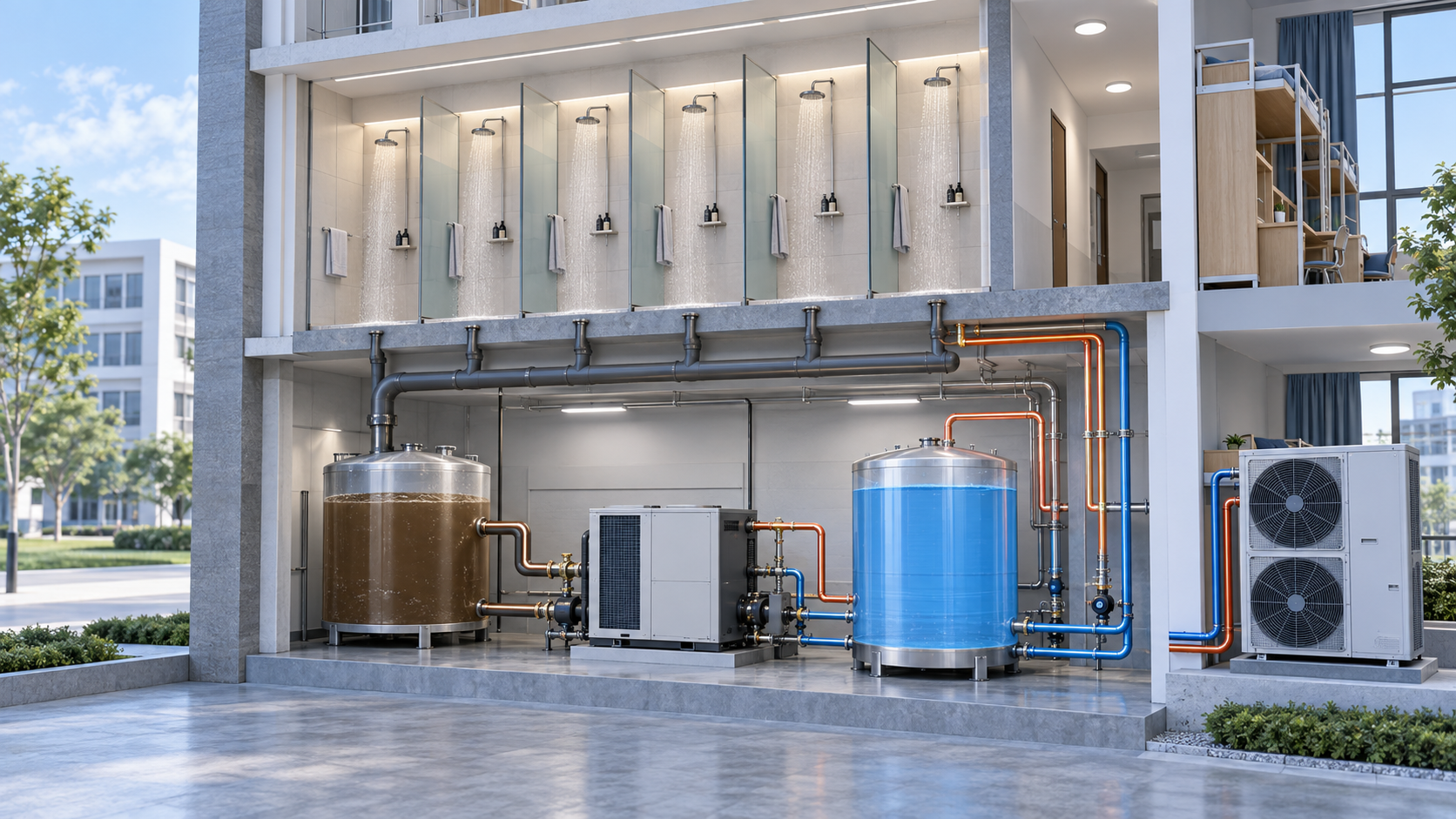
Shower wastewater heat pump achieves year-round COP of up to 4.1
Chinese researchers tested a hybrid shower wastewater- and air-source heat pump at university dormitories, recording a stable monthly COP of 3.4 to 4.1 over one year. The system cut annual carbon dioxide emissions by up to 77.77% and offered lower life-cycle costs than conventional boilers under typical market conditions.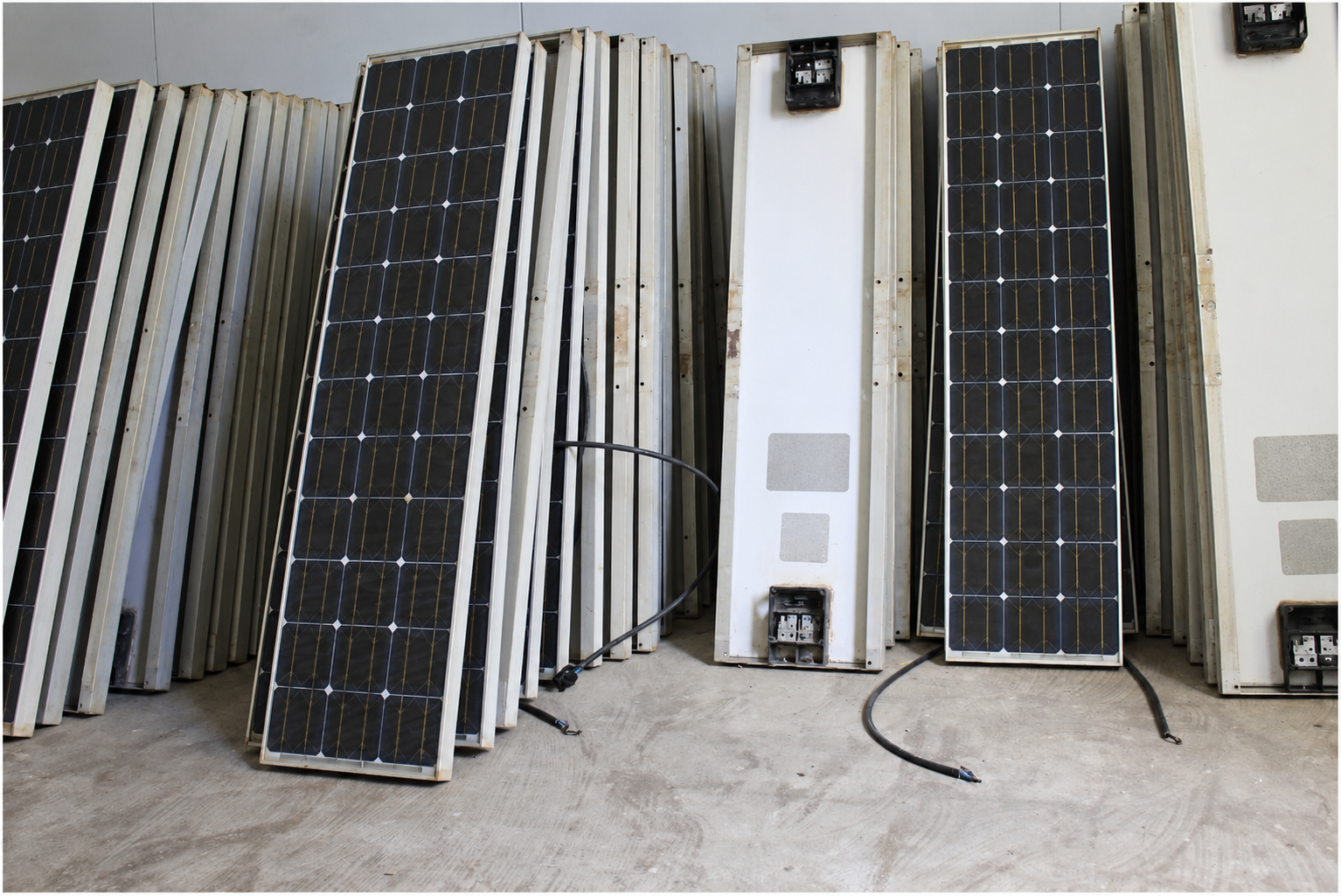
After 30 years in hot-arid climate, Arco solar modules still deliver about half their original power
Algerian researchers found that 64 aged Arco Solar modules retained an average of 53% of their original 43 W rated power after three decades of outdoor exposure. The assessment revealed substantial power variation, widespread discoloration and browning, moisture-related insulation concerns, and hot spots in 46% of the modules.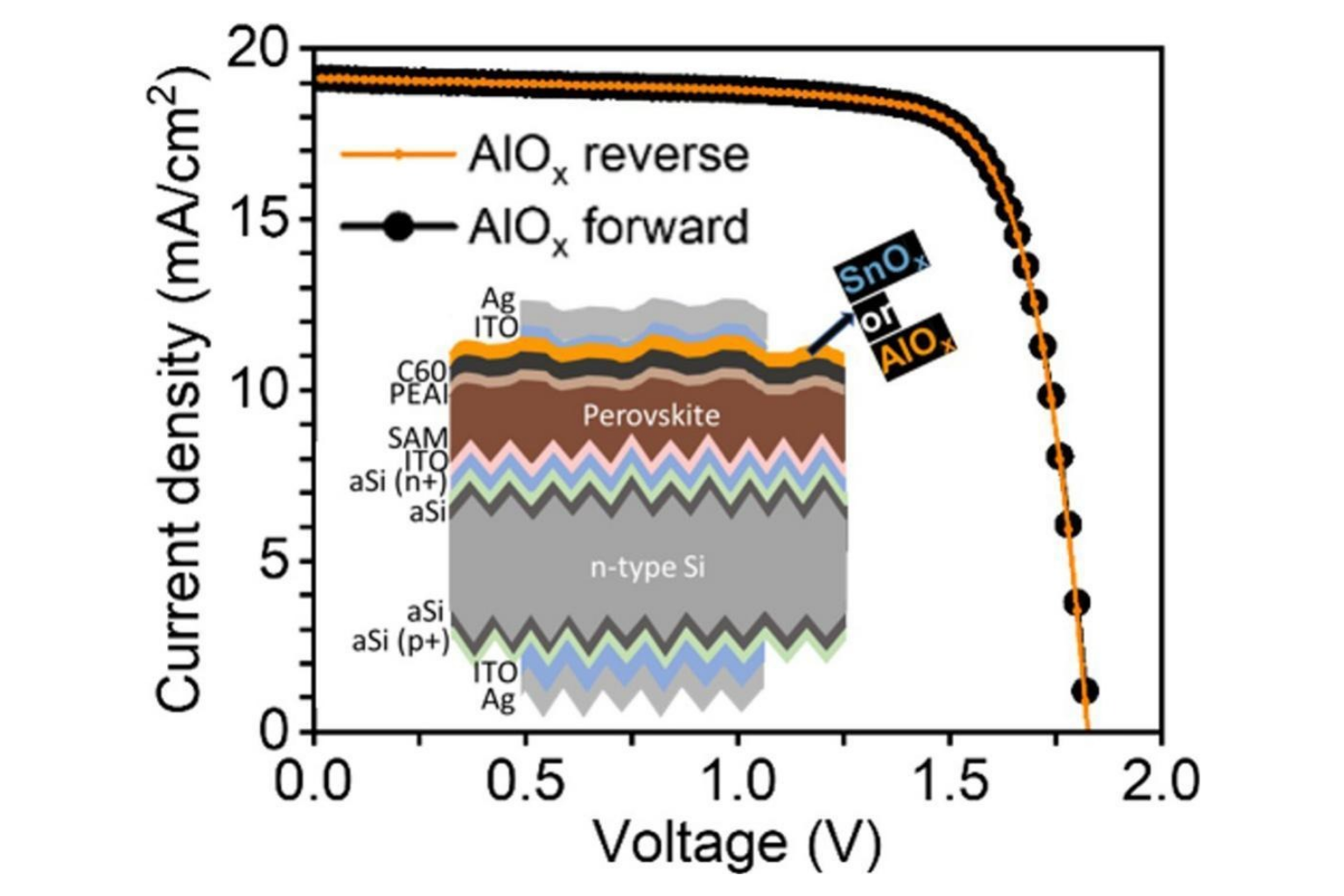
Scientists build 17%-efficient semi-transparent perovskite solar cell based on sputter-resistant aluminum oxide layer
Researchers replaced the conventional 20 nm SnOₓ buffer layer with just 3 nm of ALD-deposited AlOₓ, which protected inverted perovskite cells from ITO sputtering damage while maintaining efficient charge extraction. The resulting devices achieved efficiencies above 17% in semi-transparent cells and 26% in perovskite-silicon tandems, while reducing material use and fabrication time.
PV inverters provide reactive power to Milan’s grid at night
Researchers in Milan used PV inverters to supply 500 kVAr of reactive power to the distribution grid for four hours overnight. The trial showed that existing solar equipment can support voltage regulation even when it is not generating electricity.
Advertisement
Advertisement
All Research & Development news

Georgia Tech, Bert Thin Films build 24.3%-efficient copper-contacted TOPCon solar cell via LECO
Georgia Tech-led researchers developed a 24.3%-efficient n-TOPCon solar cell using screen-printed rear copper contacts and LECO, nearly matching a 24.5% silver-contacted reference. The approach sharply reduced contact resistance while limiting copper diffusion, highlighting its potential to lower silver consumption and solar cell manufacturing costs.
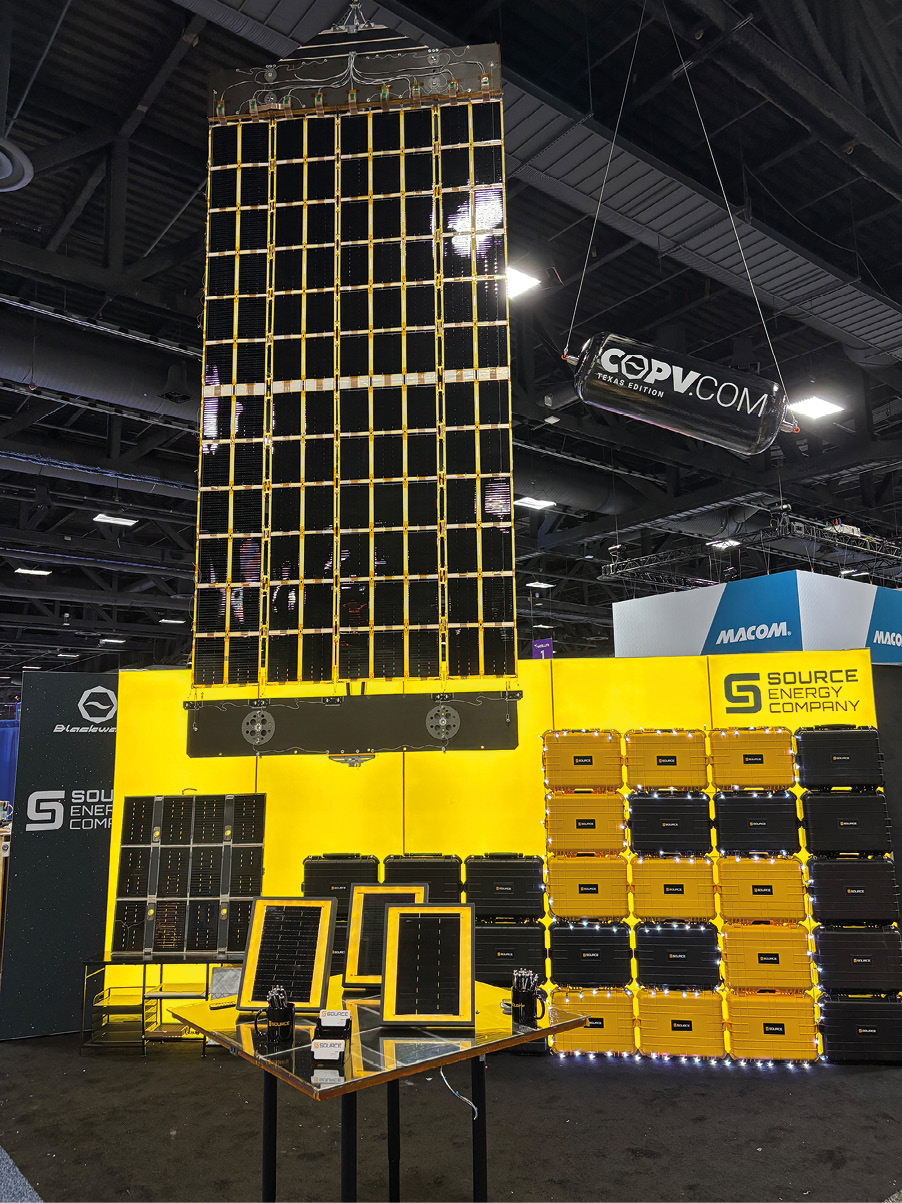
Spacebound silicon
Solar has a long history in powering satellites and space exploration, and high-powered devices based on multijunction PV cells made from “III-V” materials such as gallium arsenide or indium gallium phosphide have supplied this niche market as far back as the 1960s. But those devices are made with rare materials and complex processing, limited to small batches produced at high cost.

The race for space solar
The space economy could be worth as much at $2 trillion by 2040 – according to a recent report by professional services provider PwC. The cisLunar orbit, between the earth and the moon, is particularly promising. But all of it requires power and, as it has for decades, that means PV – and both the technology and supplier landscape for orbital solar is diversifying. Eternal Sun | WAVELABS‘ Pepijn Veling reports from a series of events the company has attended across the country, on what is a fast-evolving technology and business landscape.
Advertisement

U.S. DOE seeks ‘mass, radiation tolerance, and durability’ in space solar cell manufacturing
Pursuing “space superiority” and critical supply chain risk mitigation, the DOE is providing grants seven to eleven research projects to advance space solar cell technologies, from III-V cells to standard terrestrial silicon and perovskites.

IoT-controlled jute cooling reduces PV module temperature by 21.4 C
Tunisian researchers have developed an IoT-controlled jute-fabric cooling system that reduced PV module temperature by up to 21.4 C and increased power output by 40.44% in desert conditions. The system uses 86% less water than previous natural-fiber cooling approaches while achieving an 81.3% water recovery rate.

Chinese scientists achieve record-breaking 27.35% efficiency for perovskite-organic tandem solar cell
Nanjing University researchers developed a perovskite-organic tandem solar cell using a novel low-bandgap acceptor to boost near-infrared light harvesting and improve photocurrent matching. The device achieved a 27.35% efficiency, while retaining 80% of its initial performance after 744 hours of continuous illumination.
Advertisement

Iron-mediated cathode enables 206 Wh/kg sodium-ion pouch cell
Chinese researchers have developed an iron-mediated strategy that improves the reversibility and stability of lattice-oxygen redox reactions in sodium-ion battery cathodes. A 15.8 Ah pouch cell using the cathode achieved an energy density of 206 Wh/kg, with lattice-oxygen redox reversibility reaching 99%.

Two-step process turns end-of-life PV backsheets into supercapacitor electrodes
Chinese researchers have developed a two-step process to recycle waste TPT solar backsheets into hierarchical porous carbon for supercapacitor electrodes. The resulting material achieved a specific capacitance of 469 F/g and retained 92.4% of its initial capacitance after 10,000 cycles.

New electrode design increases battery energy density by up to 15%
Fraunhofer ISE and its partners have developed thicker electrodes that could increase battery cell energy density by 10% to 15% without adding weight. The PFAS-free, solvent-free concept has been demonstrated in lithium-ion, sodium-ion, and zinc-ion cells and is designed for cost-effective mass production.
Advertisement
Advertisement