All News
Latest Industry News

Silicon evolution
China’s policy cracking down on oversupply and cheap, low-quality products, due to come into effect in 2027, sets higher minimum standards and is expected to push module manufacturers to advance their R&D efforts. Some manufacturers are already using their existing crystalline silicon lines to produce perovskite-silicon tandem cells, while others are exploring opportunities in back-contact production. InfoLink’s Hardy He tracks the emerging technological pathways to higher efficiencies and healthier competition.
6 hours ago

Corsica Sole switches on 150 kW electrolyzer at 12 MW solar plant
Corsica Sole has commissioned a 150 kW green hydrogen facility at its 12 MW Folelli solar plant in Corsica to convert otherwise-curtailed solar power into hydrogen. The facility can produce around 20 kg of hydrogen per day and store up to 230 kg for use in maritime transport and other local applications.
11 hours ago

Malaysia sets fixed grid charge, 10-year contracts for corporate solar
The Malaysian government has unveiled a package of measures to accelerate its Corporate Renewable Energy Supply Scheme, including a fixed grid-access charge for firm power and mandatory 10-year contracts, aimed at improving project bankability and encouraging development.
11 hours ago
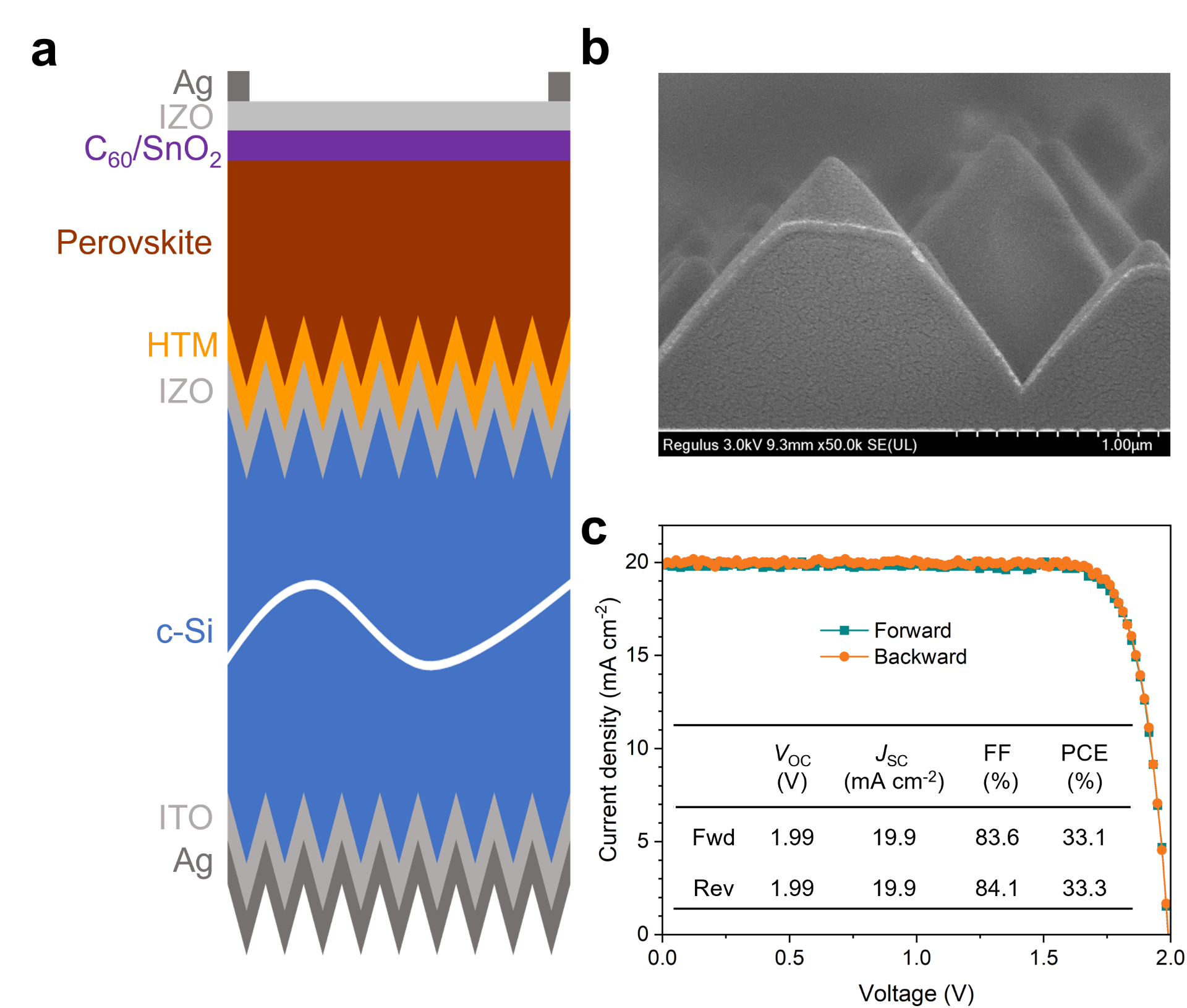
Chinese scientists build 33.3%-efficient perovskite-silicon tandem solar cell processed in ambient air
Chinese researchers developed a PNCC polymer hole-transport layer that enables efficient and stable perovskite solar cells to be fabricated under ambient conditions. The material was used in a perovskite-silicon tandem cell that achieved 33.3% efficiency and a certified efficiency of 33.0%.
11 hours ago

Canada trade tribunal rescinds order on Chinese solar modules, laminates
Canada’s trade tribunal has terminated a five-year review of anti-dumping and countervailing duties on Chinese solar modules and laminates, rescinding the order after finding the review lacked domestic-producer support.
12 hours ago
Advertisement
Malaysia sets fixed grid charge, 10-year contracts for corporate solar
The Malaysian government has unveiled a package of measures to accelerate its Corporate Renewable Energy Supply Scheme, including a fixed grid-access charge for firm power and mandatory 10-year contracts, aimed at improving project bankability and encouraging development.
11 hours ago
Canada trade tribunal rescinds order on Chinese solar modules, laminates
Canada’s trade tribunal has terminated a five-year review of anti-dumping and countervailing duties on Chinese solar modules and laminates, rescinding the order after finding the review lacked domestic-producer support.
12 hours ago
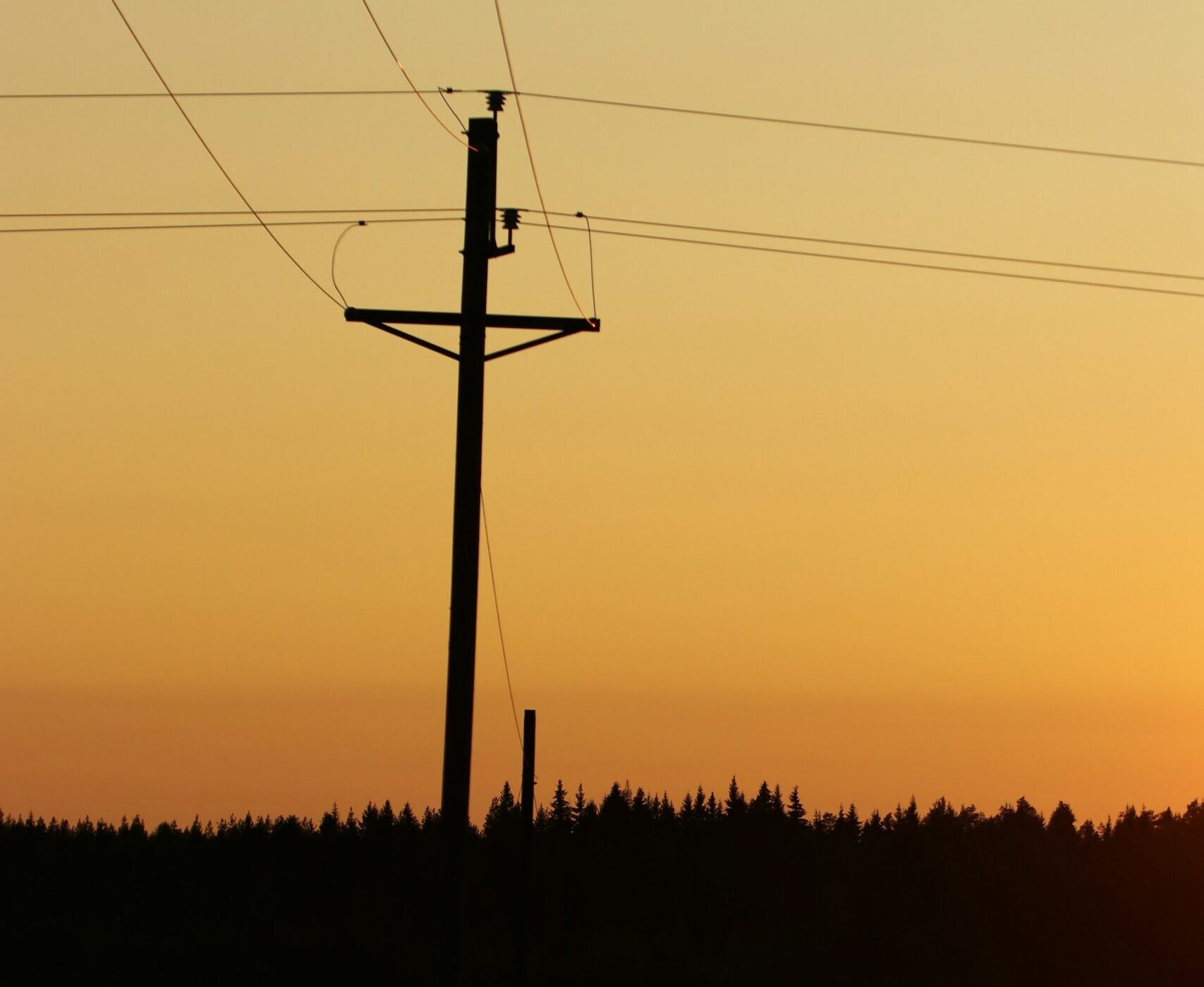
Finland proposes priority system for grid connections
Finland’s government is proposing a priority system for electricity network connections in areas of scarce grid capacity in a bid to incentivise large electricity consumers and standalone storage systems to locate in areas where the grid is less congested.
13 hours ago
Advertisement
Advertisement
Advertisement

Green hydrogen’s growing share in chemical production
The chemical industry requires enormous amounts of hydrogen for a wide range of products and processes. In the final part of pv magazine’s Renewables 24/7 series, we head to the world’s largest chemical plant in Ludwigshafen, Germany, BASF and Siemens Energy are demonstrating how to integrate a green electricity-powered electrolyzer into a massive industrial complex.
Sep 19, 2026
Corsica Sole switches on 150 kW electrolyzer at 12 MW solar plant
Corsica Sole has commissioned a 150 kW green hydrogen facility at its 12 MW Folelli solar plant in Corsica to convert otherwise-curtailed solar power into hydrogen. The facility can produce around 20 kg of hydrogen per day and store up to 230 kg for use in maritime transport and other local applications.
11 hours ago
Applications & Installations
Sponsored
How grid-forming and AI technologies are helping overcome barriers to renewable growth
The imbalance between rapid growth in installed renewable capacity and the grid’s ability to accommodate it has become a practical challenge to both grid security and economic performance. Huawei has positioned its products as solutions to three key barriers to renewable deployment.
15 hours ago

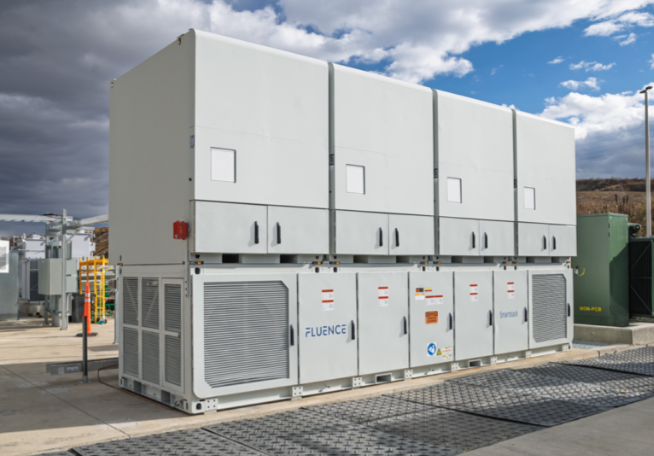
German grid operator dispute limits battery use at new solar-storage hybrid plant
Grid operator Eon Edis has withdrawn previously agreed import capacity for a newly opened 69 MW solar-plus-storage plant in northeastern Germany, limiting its 76.5 MWh battery to storing only power generated on-site.
Sep 19, 2026
Advertisement
Advertisement
Silicon evolution
China’s policy cracking down on oversupply and cheap, low-quality products, due to come into effect in 2027, sets higher minimum standards and is expected to push module manufacturers to advance their R&D efforts. Some manufacturers are already using their existing crystalline silicon lines to produce perovskite-silicon tandem cells, while others are exploring opportunities in back-contact production. InfoLink’s Hardy He tracks the emerging technological pathways to higher efficiencies and healthier competition.
6 hours ago
U.S. solar module production reaches historic 100 GW landmark
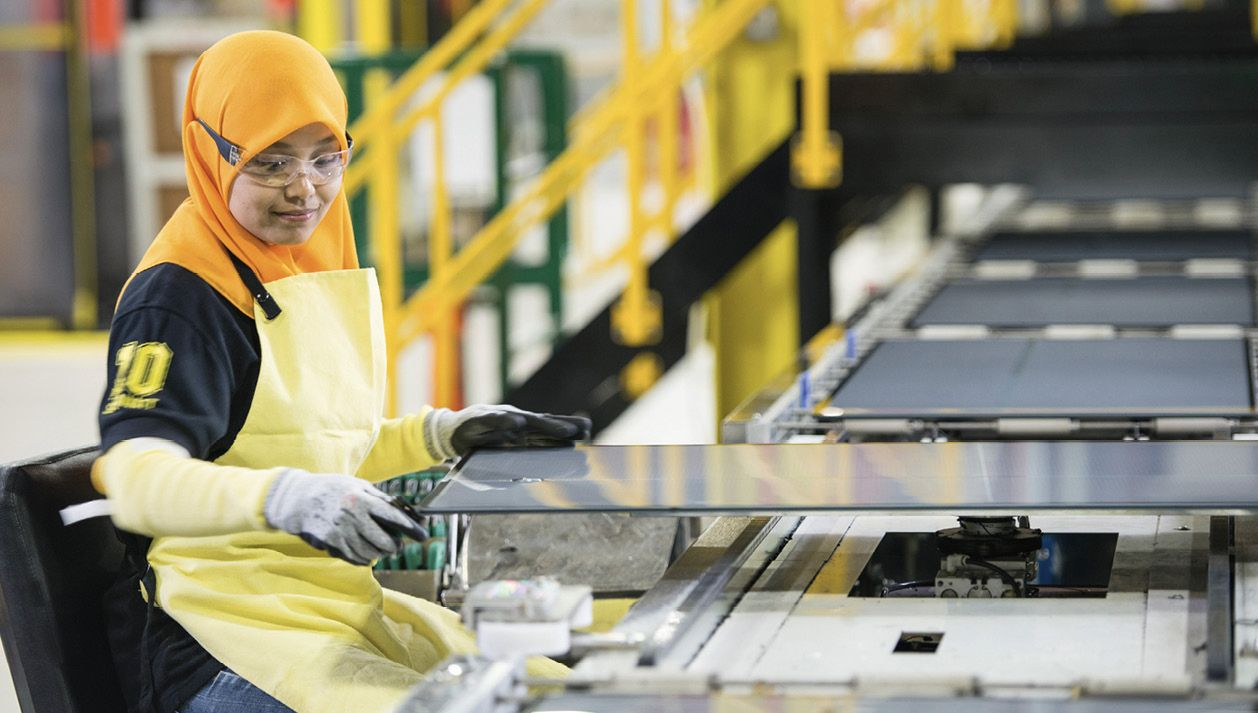
The United States crossed 100 GW of cumulative solar PV module production during Q2 2026, according to a new bottom-up factory-level analysis by Terawatt PV Research going back to the early 1970’s. Almost two-fifths of all module production can be attributed to First Solar – a reflection of the company’s unique role in U.S. manufacturing dating back more than 20 years.
11 hours ago
Applications & Installations
Sponsored
How grid-forming and AI technologies are helping overcome barriers to renewable growth
The imbalance between rapid growth in installed renewable capacity and the grid’s ability to accommodate it has become a practical challenge to both grid security and economic performance. Huawei has positioned its products as solutions to three key barriers to renewable deployment.
15 hours ago
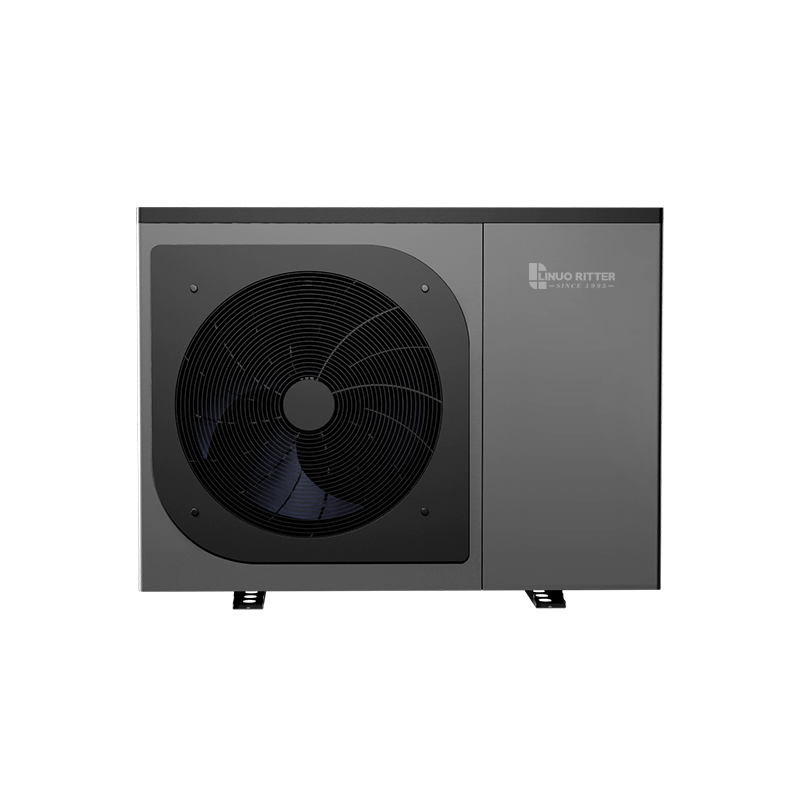
Linuo Ritter launches 24-32 kW propane heat pumps for commercial, large residential buildings
The Chinese manufacturer has introduced three air-to-water propane heat pumps for commercial and large residential applications. The new units have nominal heating capacities of 24 kW, 28 kW and 32 kW, with a maximum leaving water temperature of 75 C.
15 hours ago
Advertisement
Silicon evolution
China’s policy cracking down on oversupply and cheap, low-quality products, due to come into effect in 2027, sets higher minimum standards and is expected to push module manufacturers to advance their R&D efforts. Some manufacturers are already using their existing crystalline silicon lines to produce perovskite-silicon tandem cells, while others are exploring opportunities in back-contact production. InfoLink’s Hardy He tracks the emerging technological pathways to higher efficiencies and healthier competition.
6 hours ago
Chinese scientists build 33.3%-efficient perovskite-silicon tandem solar cell processed in ambient air
Chinese researchers developed a PNCC polymer hole-transport layer that enables efficient and stable perovskite solar cells to be fabricated under ambient conditions. The material was used in a perovskite-silicon tandem cell that achieved 33.3% efficiency and a certified efficiency of 33.0%.
11 hours ago
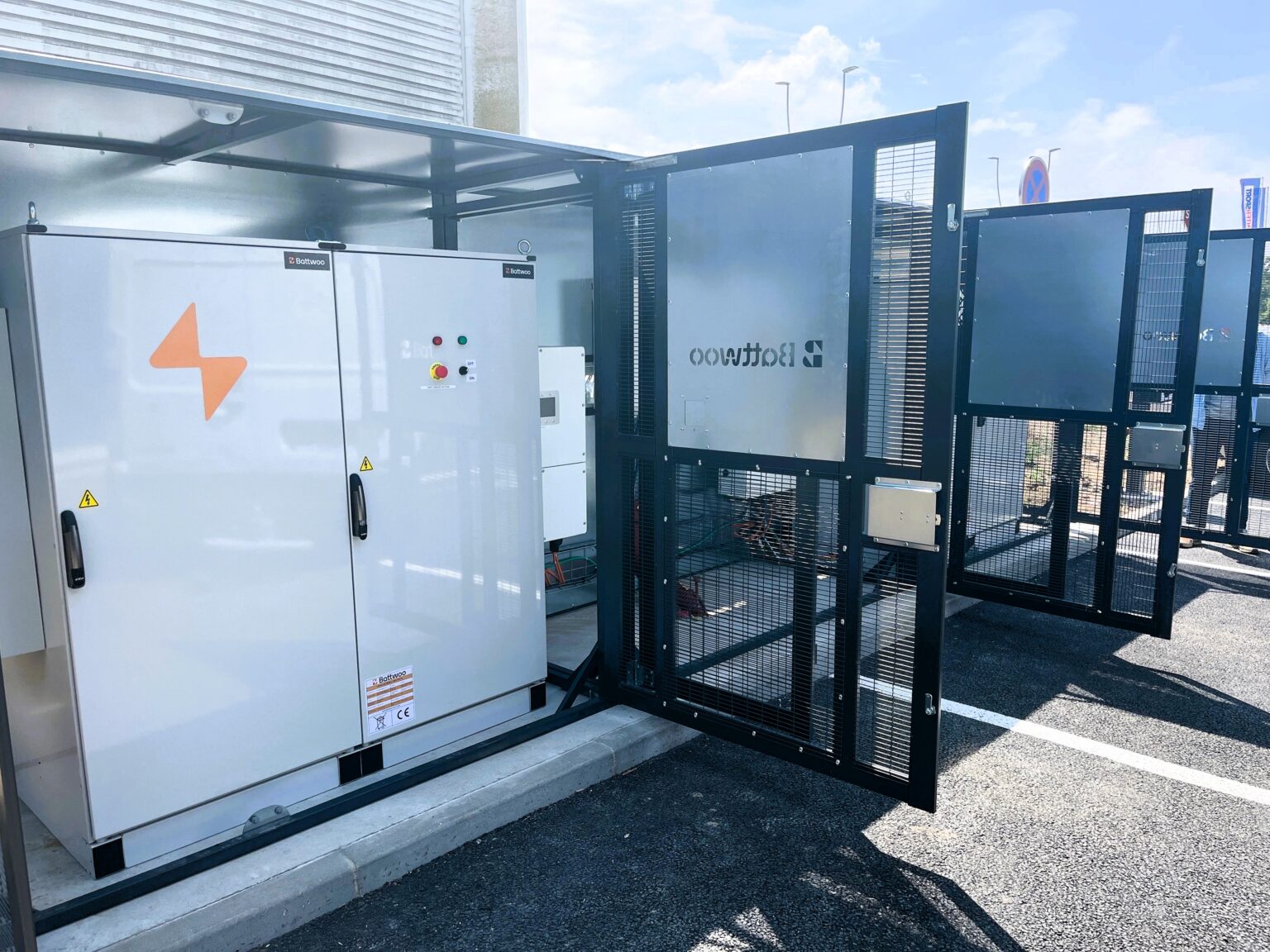
French startup repurposes EV batteries for solar energy storage
Battwoo is repurposing electric vehicle batteries for stationary energy storage, targeting solar self-consumption and other commercial and industrial applications. The company says its refurbished systems can cost around 30% less than new batteries while extending battery service life by several decades.
15 hours ago

Predictive control cuts costs in buildings combining PV, heat pumps, EVs, thermal storage
Researchers have developed a predictive rule-based control strategy for building energy systems integrating PV, heat pumps, thermal storage, and electric vehicles. Simulations show it can approach model predictive control performance while substantially reducing computational requirements and operating costs compared with conventional rule-based control.
15 hours ago

Solar-powered aeroponic system for off-grid vertical farming
Researchers in Mexico have developed Totem, an open-source, solar-powered vertical aeroponic system designed for low-cost, off-grid food production. The $719 prototype uses a 50 W PV module and supported two basil harvests during a 55-day cultivation trial.
16 hours ago






Advertisement
Advertisement
Advertisement
Advertisement

Researchers announce new 20.3 percent world record CIGS solar cell efficiency
Scientists at the Zentrum fur Sonnenenergie-und Wasserstoff-Forschung Baden-Württemberg, Germany (Centre for Solar Energy and Hydrogen Research, ZSW) say they have achieved a new world record for copper, indium, gallium and diselenide (CIGS) solar cell efficiencies. At 20.3 percent, the Stuttgart researchers state that the new results should “significantly” improve the cost-effectiveness of CIGS thin film photovoltaics (PV) over the medium term.
US annual PV installations to reach 1.9 GW by 2014, says new study
The U.S. is expected to install around 1.9 gigawatts (GW) of photovoltaics (PV) annually by 2014, according to new research, which states that the countrys market is growing at fast pace, thanks to government support and decreasing installation costs.
Advertisement
US: Ohio's largest solar farm officially opened
Ohios largest operating solar installation has been officially opened by Governor Ted Strickland. The 12-megawatt (MW) PSEG Wyandot Solar Farm, in Wyandot County, Ohio, the U.S. is comprised of more than 159,000 ground-mounted solar panels and is spread across 80 acres of land. It is owned by the Public Service Enterprise Group (PSEG) Solar Source.
US: Over $4 million grant awarded for 62 MW project
Over USD$4 million has been awarded to the Rockford Solar Project in Illinois, the U.S. Under the plans, the project is set to be around 62 megawatts (MW), thus making it the largest PV development in the Midwest, and one of the biggest in the U.S.
Advertisement
Australia: Professor Green awarded this years CSIRO Eureka Prize for Leadership in Science
Professor Martin Green, executive research director of Australias ARC Photovoltaics Centre of Excellence at the University of NSW, has been presented with this years AUD$10,000 CSIRO Eureka Prize for Leadership in Science.
Yingli raises its gross margin target after seeing positive start to the year
Based on a strong start to the year, Yingli Green Energy Holding Company Limited has raised its gross margin target from an estimated range of 27 to 29 percent for this fiscal year to 28 to 30 percent. The company stated that the increase in gross margin was primarily due to the better than expected average selling price and continuous decline in the blended cost of polysilicon, decreasing polysilicon usage per watt and continuous reduction in non-polysilicon costs.
Advertisement
Advertisement
Already a subscriber?
Login