Research & Development

Solar R&D is focused on improving efficiency, reducing production costs, and extending system longevity. Key areas include tandem and perovskite cell development, advanced materials for encapsulation and contacts, and new concepts in system integration.
Simulation tools, AI-driven design, and accelerated testing methods are expanding research capabilities. Sustainability and circularity targets are increasingly embedded in innovation strategies.
Advertisement
Latest News
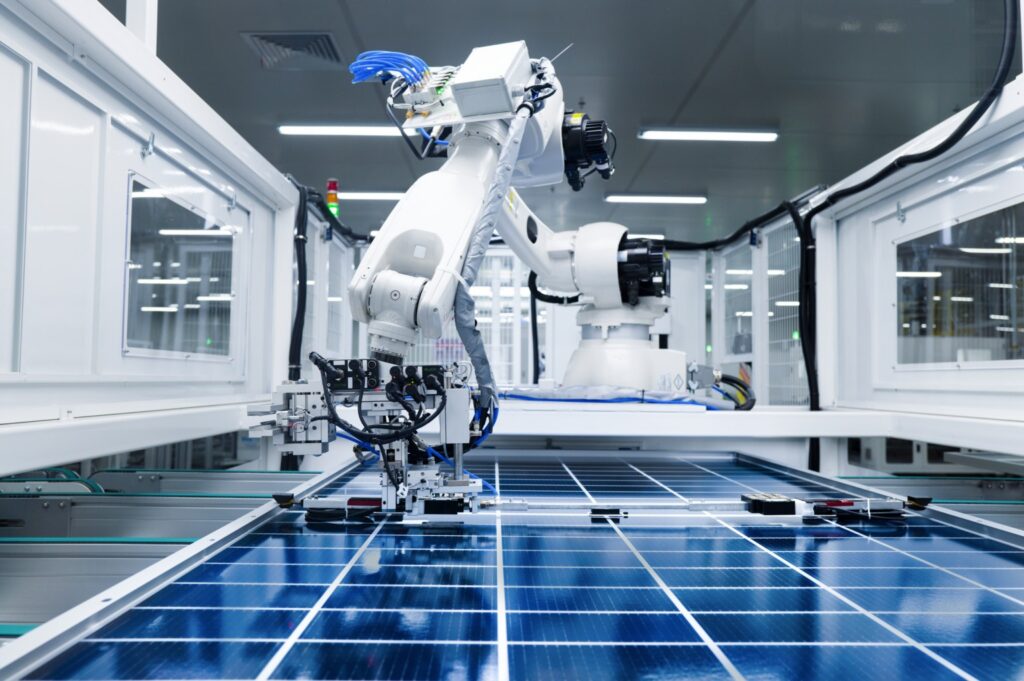
Silicon evolution
China’s policy cracking down on oversupply and cheap, low-quality products, due to come into effect in 2027, sets higher minimum standards and is expected to push module manufacturers to advance their R&D efforts. Some manufacturers are already using their existing crystalline silicon lines to produce perovskite-silicon tandem cells, while others are exploring opportunities in back-contact production. InfoLink’s Hardy He tracks the emerging technological pathways to higher efficiencies and healthier competition.
Sep 21, 2026
Advertisement

Modified consumer camera can measure solar cell open-circuit voltage
German researchers have modified and calibrated a low-cost consumer camera to quantitatively measure electroluminescence from silicon solar cells and modules. The method determines external luminescent quantum efficiency and uses it to derive the corresponding open-circuit voltage
Negative electricity prices could favor thermal storage over industrial heat pumps
Researchers compared the two technologies under varying negative-price frequencies, price levels and equipment costs. Their model found that the preferred option depended strongly on the required heat temperature, with storage gaining an advantage for steam production.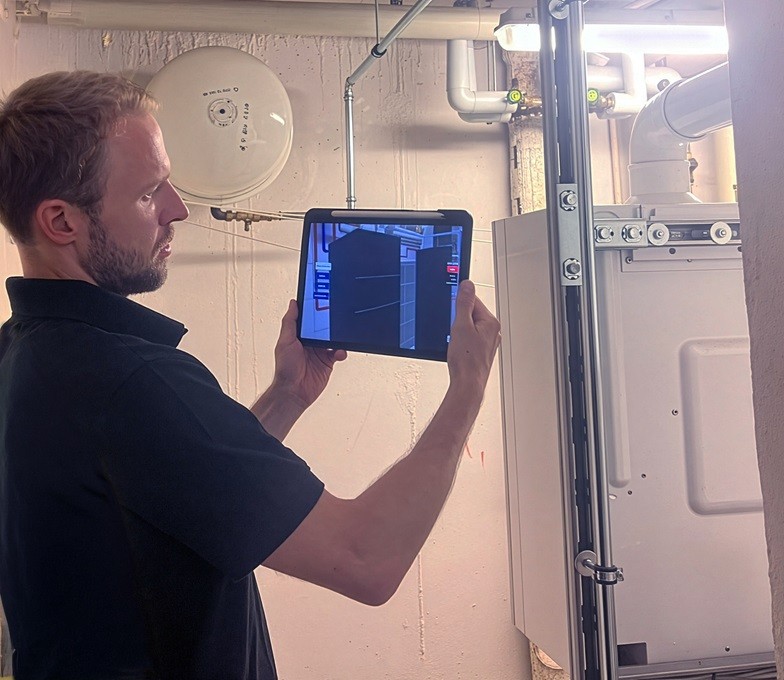
Augmented reality helps heat pump installers cut workload, installation time
Fraunhofer ISE has developed a manufacturer-neutral app that uses 3D scanning, augmented reality and automated planning to streamline heat pump installations. The software can optimize component placement and piping, estimate installation times, and generate bills of materials for installers.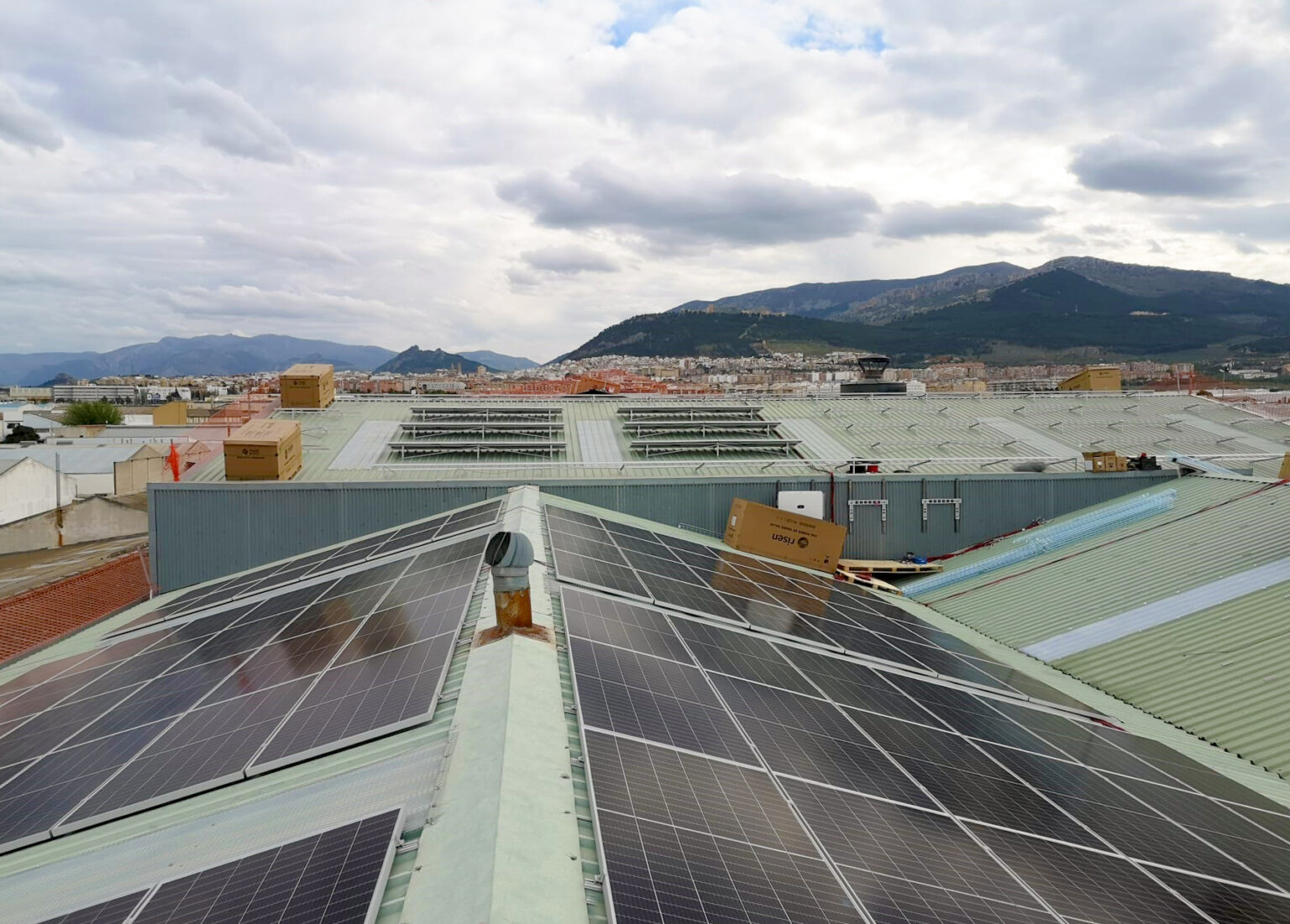
East-west PV system orientation can help solve duck curve in Australia, say researchers
Orienting solar panels to the east and west instead of north can help Australian households optimise the use of locally generated renewable energy and increase electricity grid stability, according to a new study.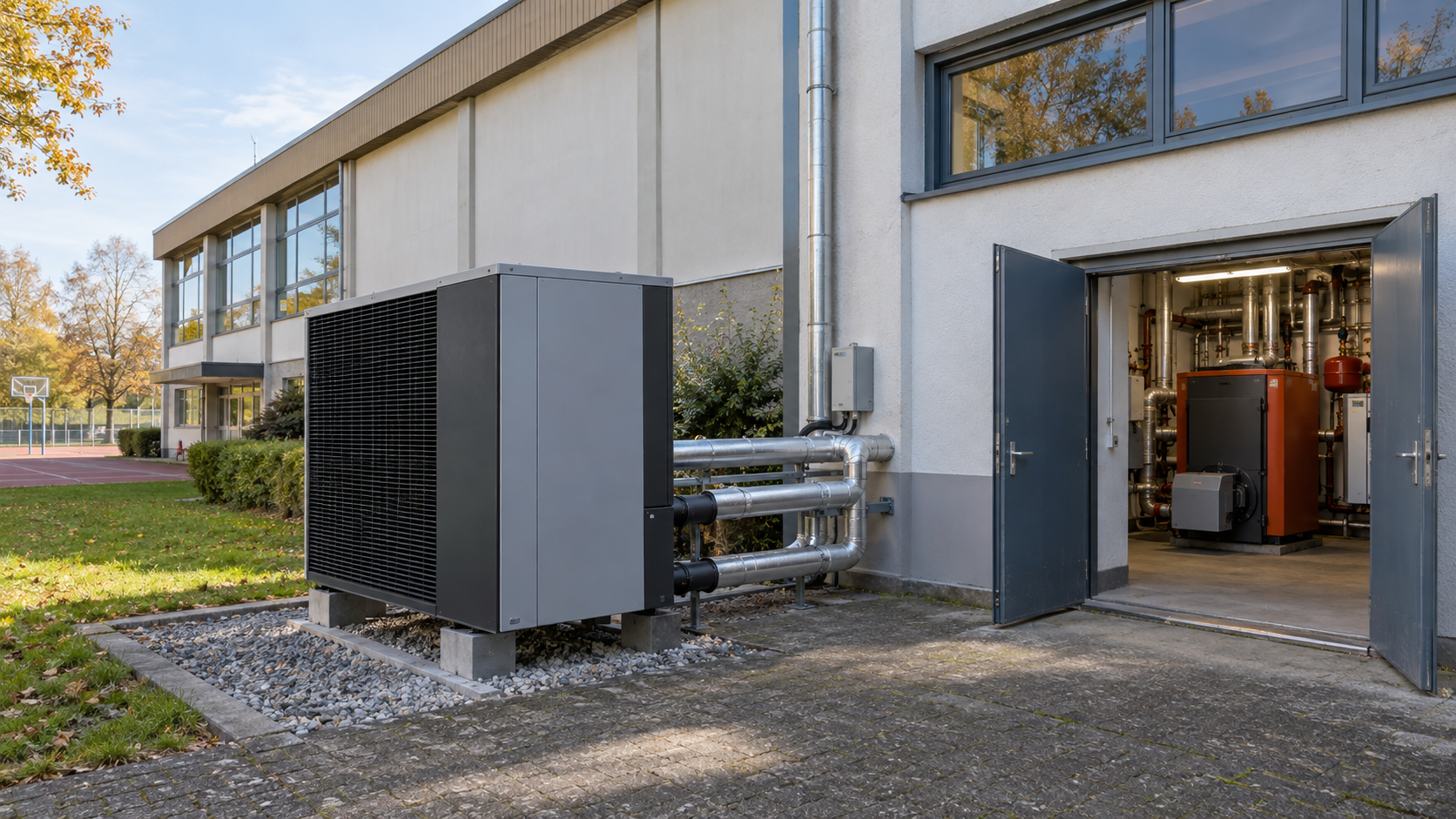
Cost-effective pathways for hybrid heat pump retrofits
German researchers have developed a framework for integrating the simulation of a hybrid heat pump system into the techno-economic assessment of sequencing and bundling of building retrofits. A case study shows that the timing of building retrofit measures can significantly affect heating demand and the economics of the overall retrofit.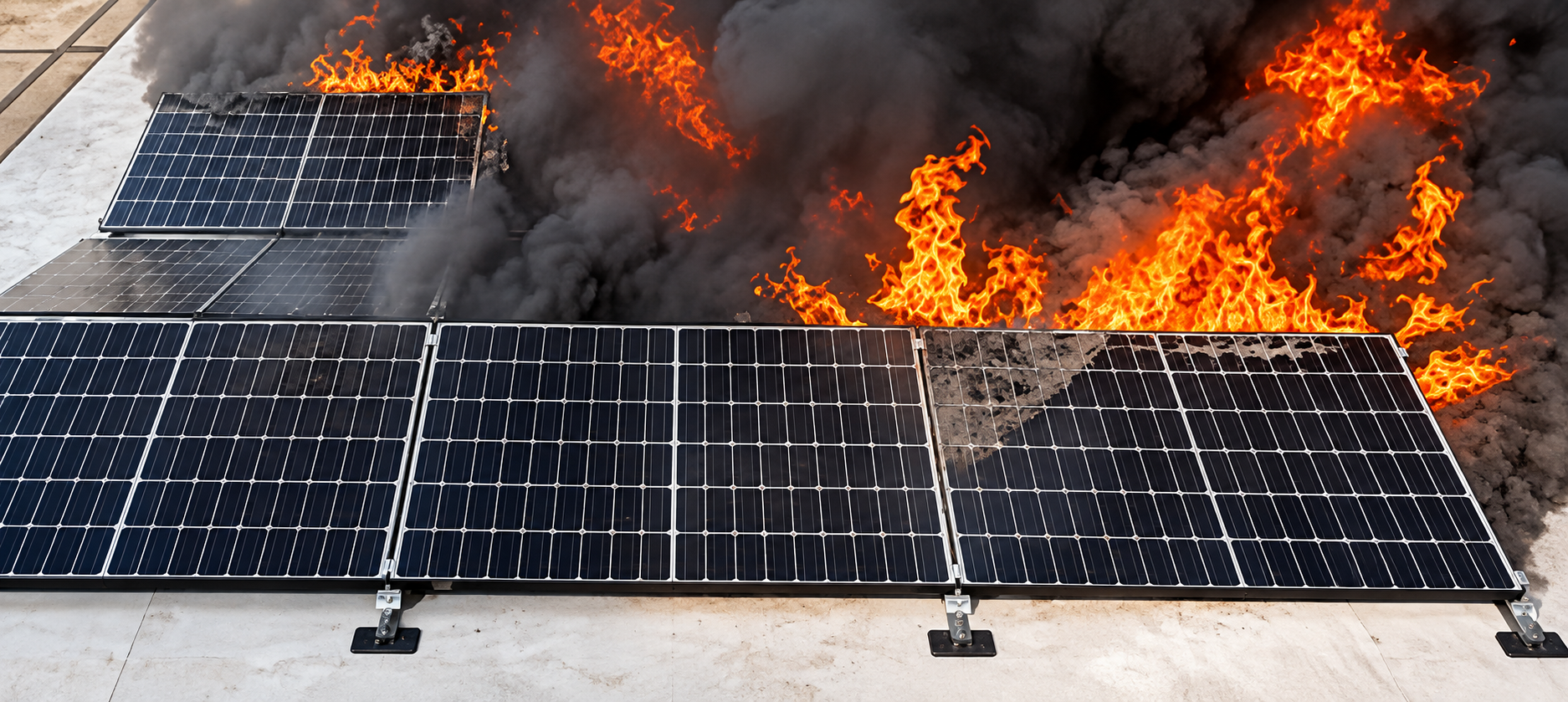
Tests show cement-bonded particle board can reduce flame spread in rooftop PV systems
Researchers in Denmark found that a 12 mm cement-bonded particle board can reduce self-sustained flame spread beneath rooftop PV arrays by limiting heat transfer to the underlying insulation. The findings highlight the role of complete PV system design in determining fire behavior.
Advertisement
Advertisement
All Research & Development news
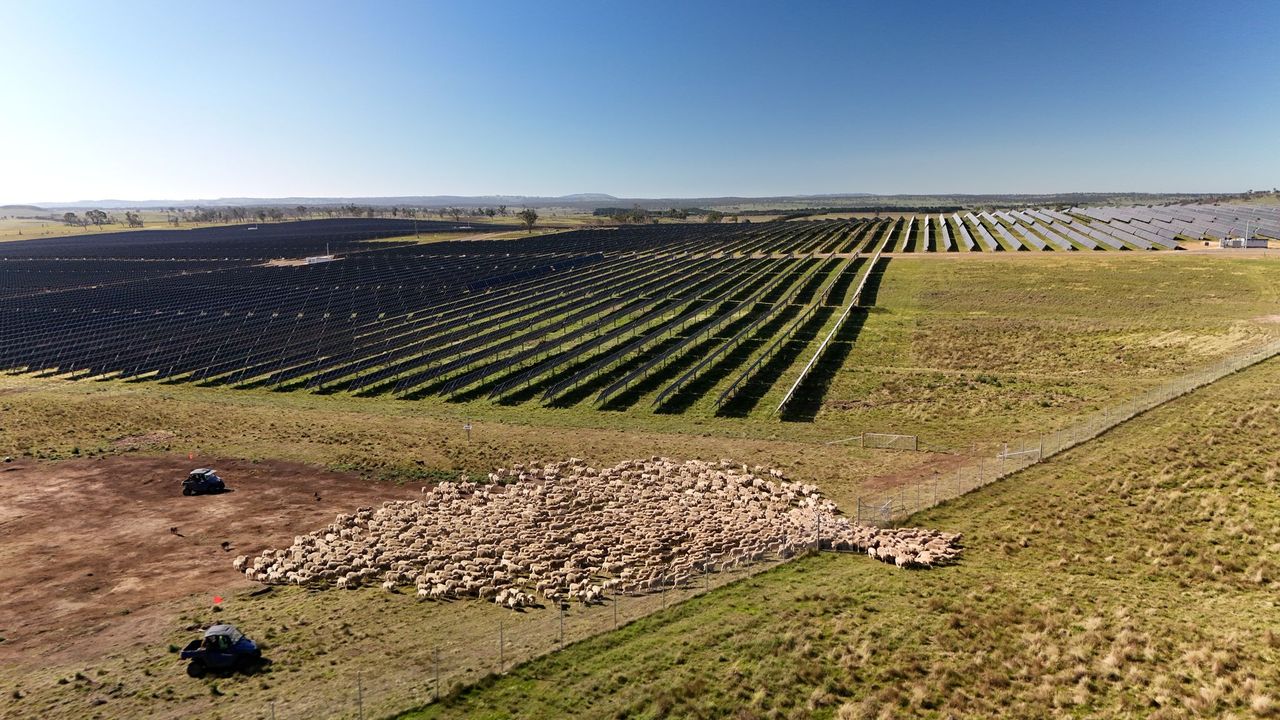
Satellite tech sharpens fire and grazing management at Australian solar farm
Researchers from the CSIRO and Macquarie University are utilizing satellite-based remote sensing and AI to balance fire risk and insurance demands with livestock grazing at one of the largest operating solar farms in Australia.

Optimized semi-transparent PV greenhouse design increases energy output by 20.1%
An international research team has developed an optimized semi-transparent PV greenhouse design that increases solar electricity generation by strategically allocating PV surfaces to south-facing roofs and walls. Using an improved optimization algorithm, the design increased annual energy output by 20.1% and outperformed conventional greenhouse geometries by up to 56.86%.
Advertisement
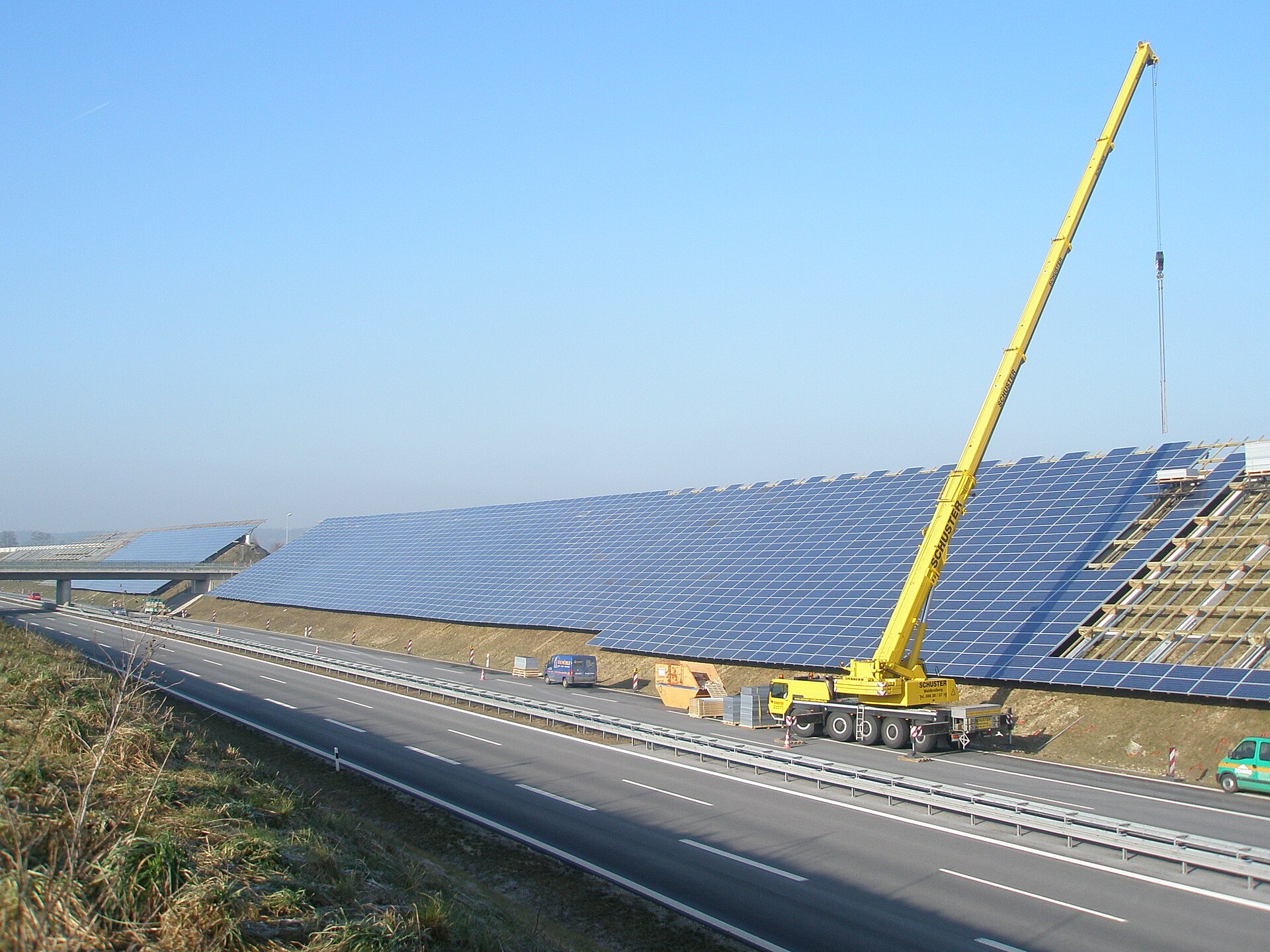

Optimizing PV-driven heat pump operation for homes with poor thermal insulation
Chinese researchers have proposed a near-zero-energy retrofit for traditional homes on the western Sichuan Plateau, combining rooftop PV with an air-source heat pump. The system could meet winter heating needs with 61 m² of PV and achieve a payback period of about 14 years.
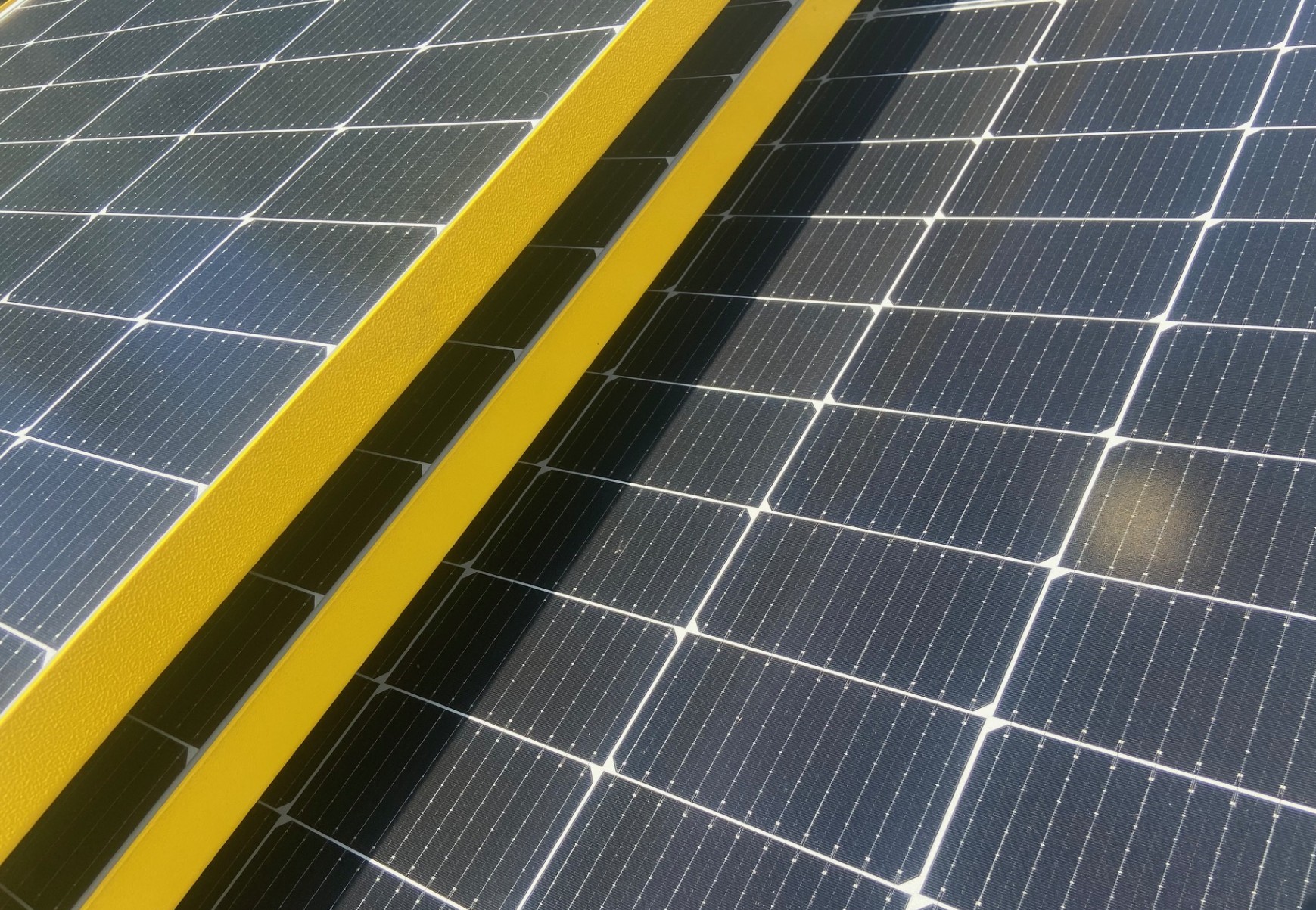
Australia continues heavy investment in solar research
The University of New South Wales has secured AUD 64.8 million ($46.6 million) from ARENA for 12 ultra-low-cost solar research projects, its largest single investment in photovoltaic research. The projects span tandem and perovskite technologies, AI-driven materials discovery and solar farm operations, module durability, advanced manufacturing, and next-generation cell efficiency.
Advertisement
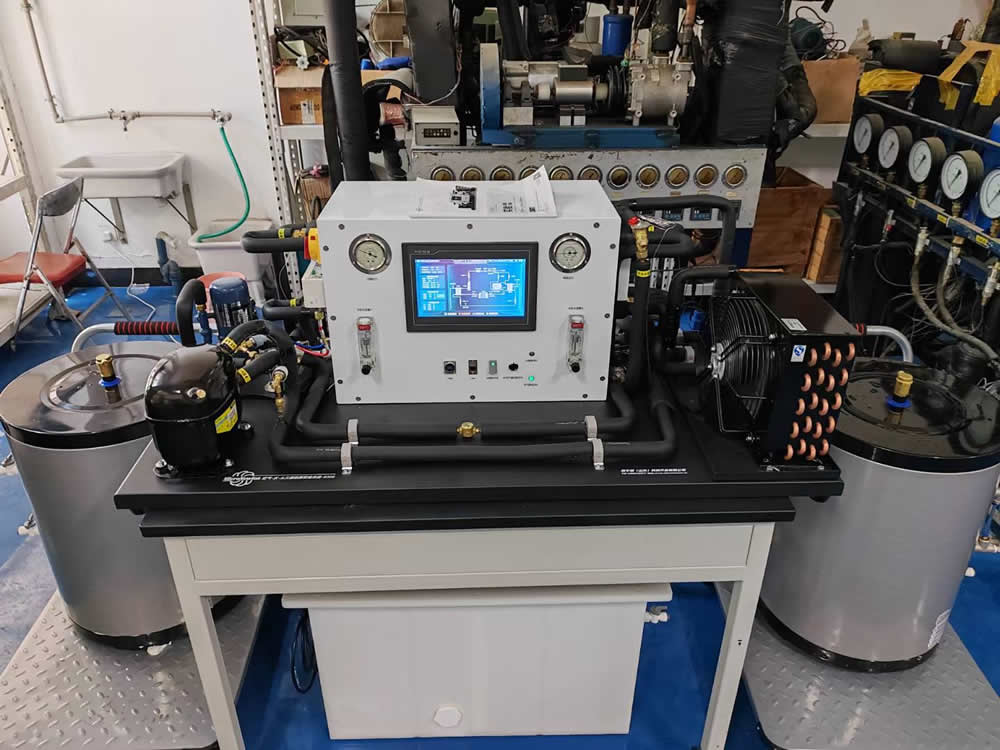
Multi-source heat pump test bench explores coupling with solar, thermal storage
China-based Micronewton has supplied a university laboratory system featuring a water-to-air heat exchanger test bench capable of comparing air-, water- and ground-source heat pump operation. The experimental platform integrates solar generation and thermal energy storage.

Study reveals high-altitude limitations in solar irradiance models
Researchers have identified altitude-dependent discrepancies in models used to estimate direct and diffuse irradiance from GHI data in southern Peru. The findings could help improve PV yield assessments in high-altitude Andean regions.

Delayed inverter startup can reduce a solar plant’s annual energy yield by 1.88%.
Brazilian researchers have developed a method to quantify energy losses caused by delayed PV inverter startup, finding annual losses of 1.88% at a utility-scale solar plant in São Paulo state. More than 55% of the losses occurred within the first 90 minutes after sunrise, with significant variations among individual inverters.
Advertisement
Advertisement