Research & Development

Solar R&D is focused on improving efficiency, reducing production costs, and extending system longevity. Key areas include tandem and perovskite cell development, advanced materials for encapsulation and contacts, and new concepts in system integration.
Simulation tools, AI-driven design, and accelerated testing methods are expanding research capabilities. Sustainability and circularity targets are increasingly embedded in innovation strategies.
Advertisement
Latest News
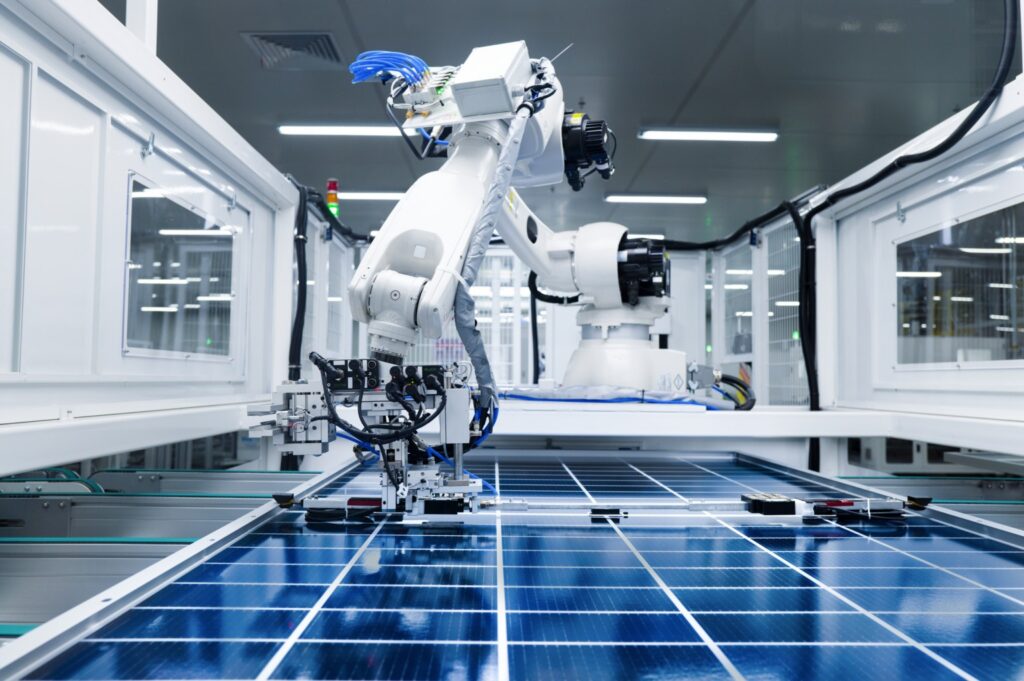
Silicon evolution
China’s policy cracking down on oversupply and cheap, low-quality products, due to come into effect in 2027, sets higher minimum standards and is expected to push module manufacturers to advance their R&D efforts. Some manufacturers are already using their existing crystalline silicon lines to produce perovskite-silicon tandem cells, while others are exploring opportunities in back-contact production. InfoLink’s Hardy He tracks the emerging technological pathways to higher efficiencies and healthier competition.
13 hours ago
Advertisement
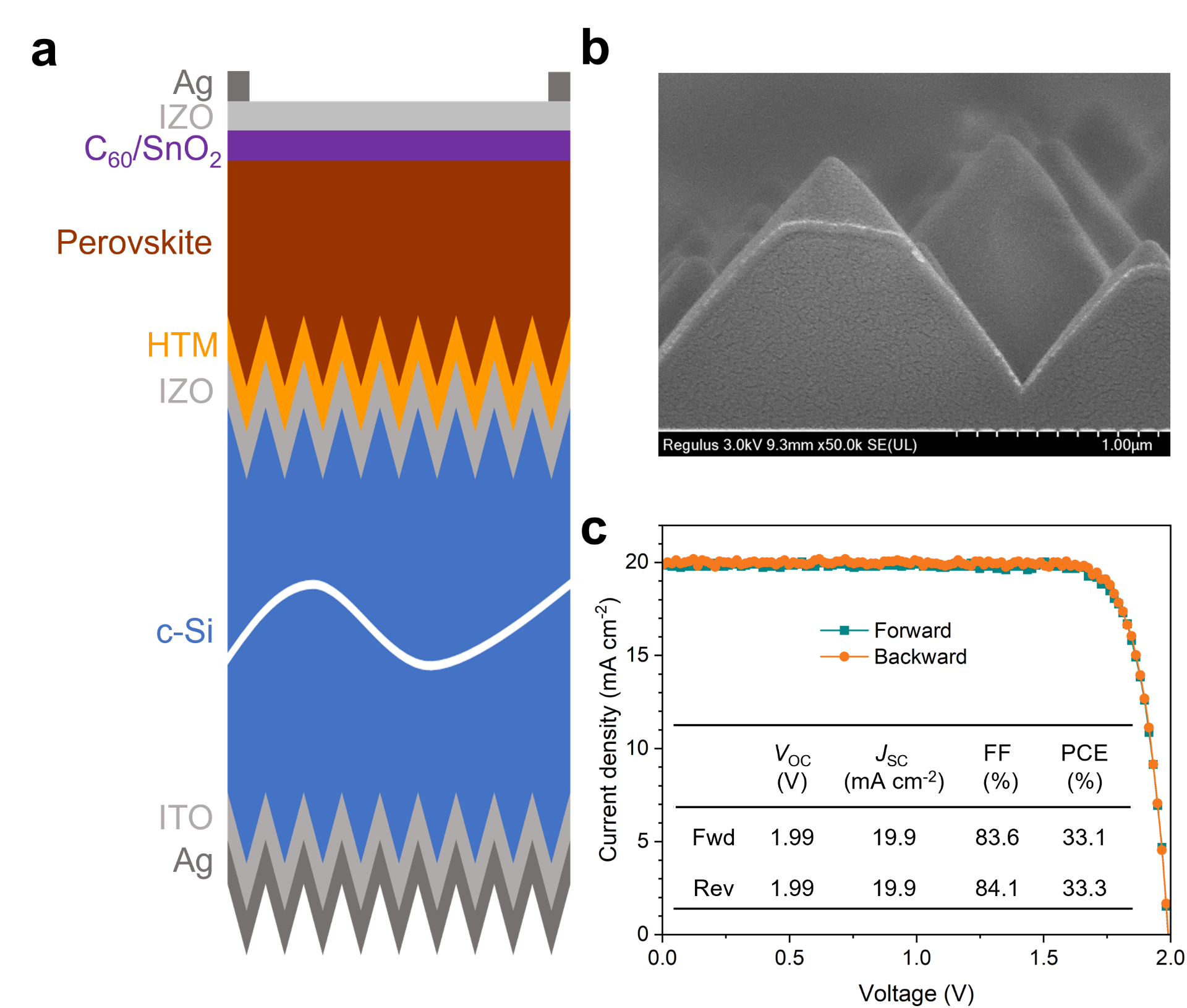
Chinese scientists build 33.3%-efficient perovskite-silicon tandem solar cell processed in ambient air
Chinese researchers developed a PNCC polymer hole-transport layer that enables efficient and stable perovskite solar cells to be fabricated under ambient conditions. The material was used in a perovskite-silicon tandem cell that achieved 33.3% efficiency and a certified efficiency of 33.0%.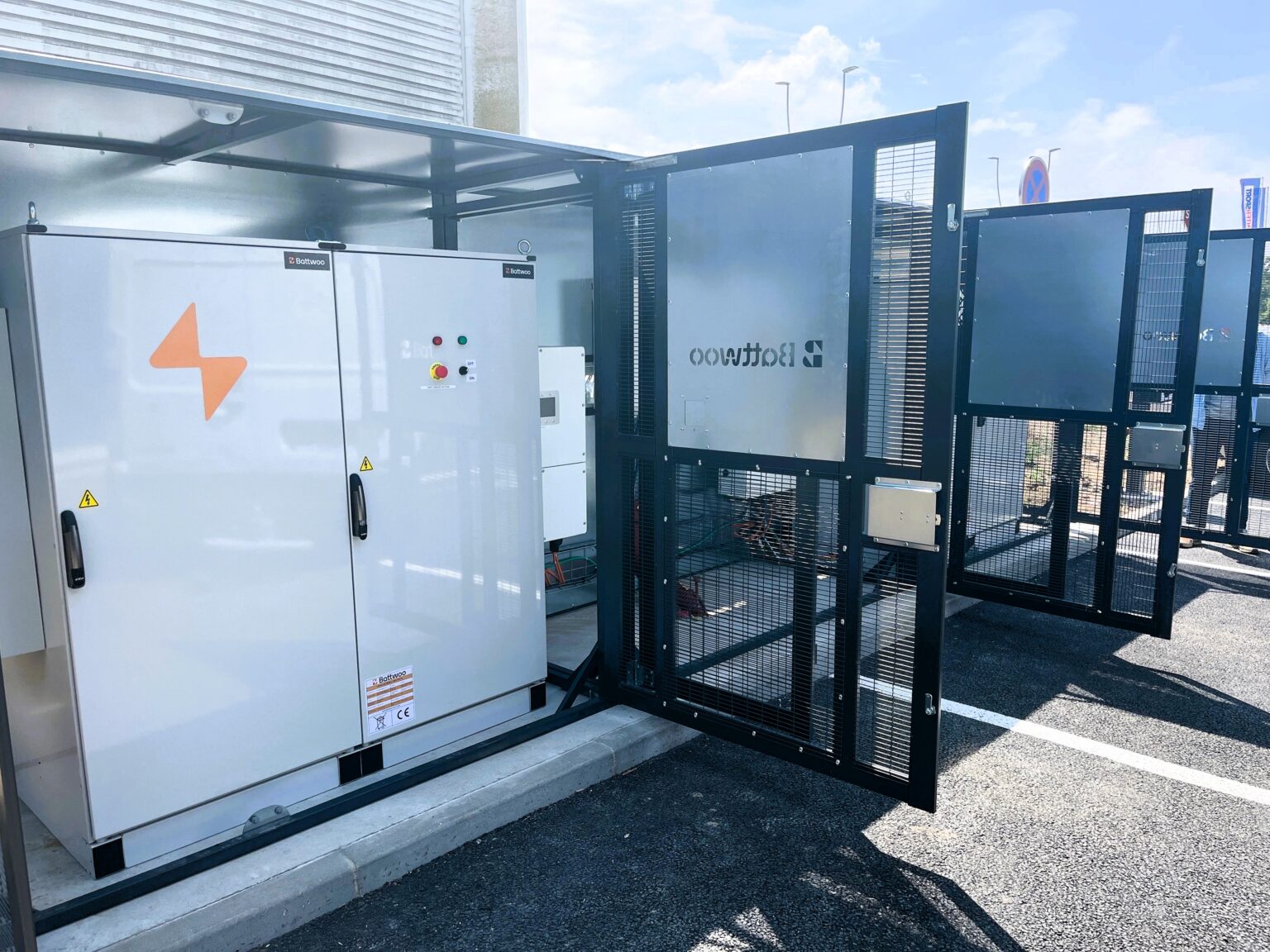
French startup repurposes EV batteries for solar energy storage
Battwoo is repurposing electric vehicle batteries for stationary energy storage, targeting solar self-consumption and other commercial and industrial applications. The company says its refurbished systems can cost around 30% less than new batteries while extending battery service life by several decades.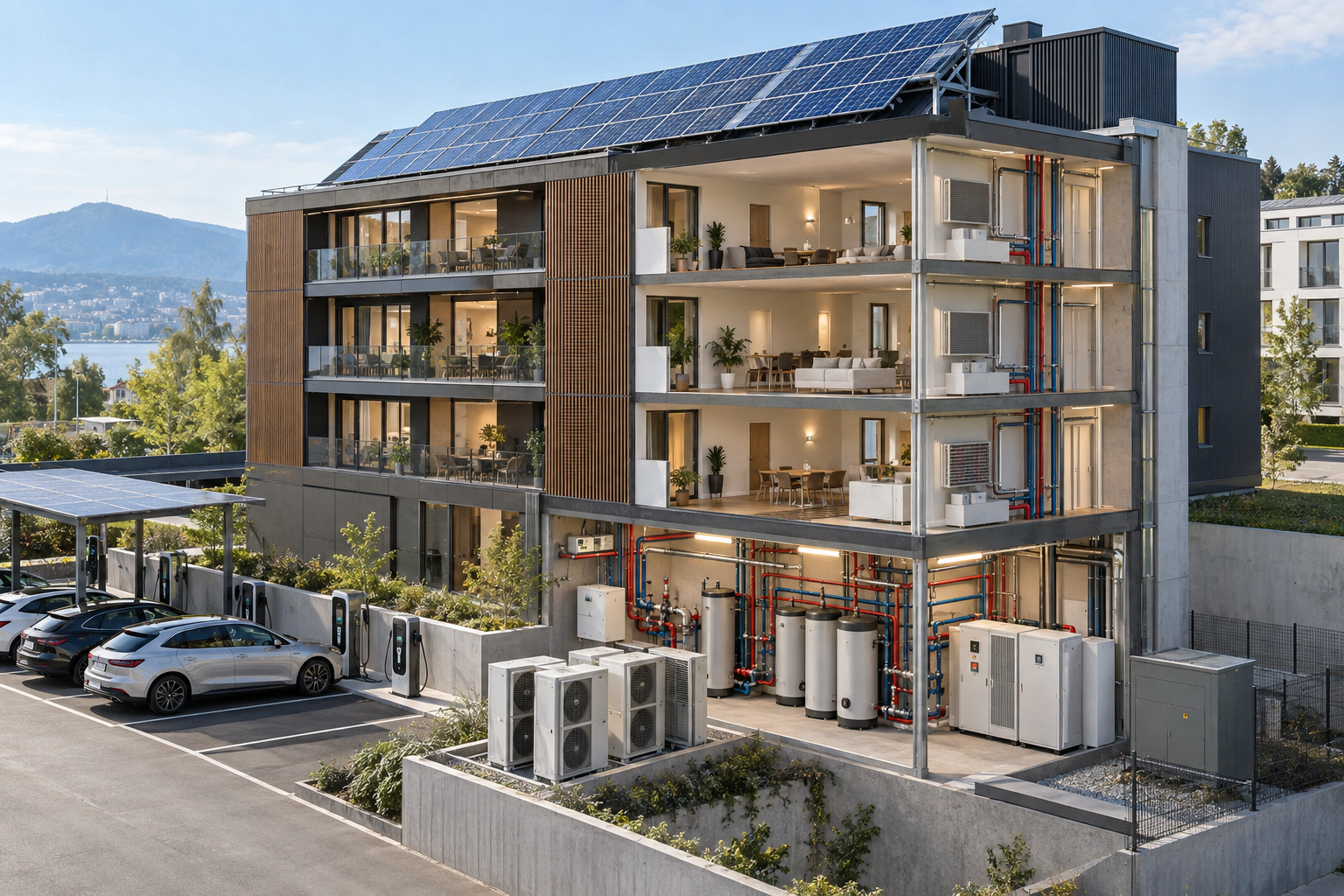
Predictive control cuts costs in buildings combining PV, heat pumps, EVs, thermal storage
Researchers have developed a predictive rule-based control strategy for building energy systems integrating PV, heat pumps, thermal storage, and electric vehicles. Simulations show it can approach model predictive control performance while substantially reducing computational requirements and operating costs compared with conventional rule-based control.
Solar-powered aeroponic system for off-grid vertical farming
Researchers in Mexico have developed Totem, an open-source, solar-powered vertical aeroponic system designed for low-cost, off-grid food production. The $719 prototype uses a 50 W PV module and supported two basil harvests during a 55-day cultivation trial.
JA launches heterojunction PV module into orbit for space validation
The Chinese manufacturer has begun in-orbit testing of its p-type heterojunction solar modules to assess their reliability and degradation under low Earth orbit conditions. The company said the project remains at an early validation stage, with no current orders and uncertain prospects for commercialization.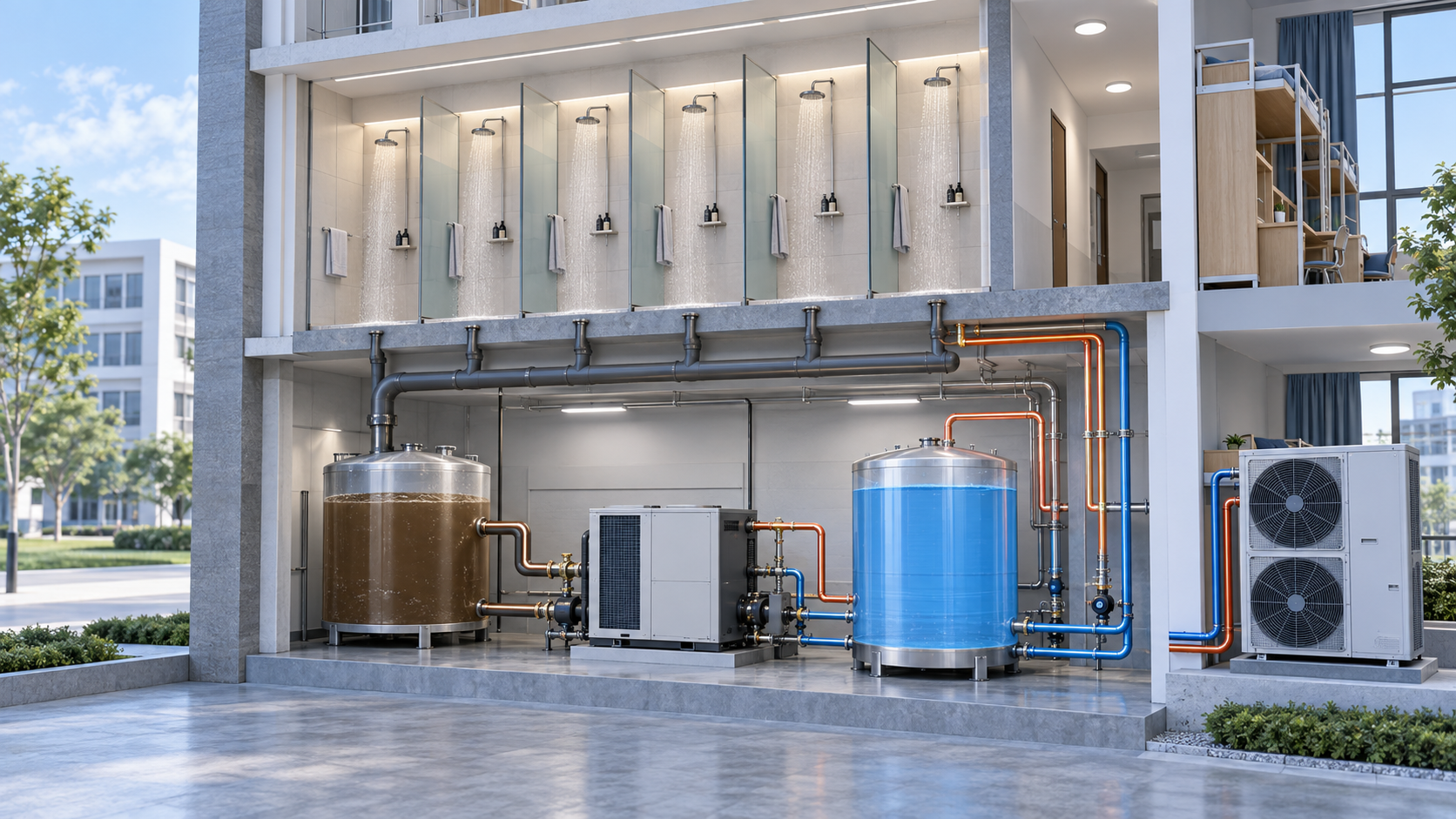
Shower wastewater heat pump achieves year-round COP of up to 4.1
Chinese researchers tested a hybrid shower wastewater- and air-source heat pump at university dormitories, recording a stable monthly COP of 3.4 to 4.1 over one year. The system cut annual carbon dioxide emissions by up to 77.77% and offered lower life-cycle costs than conventional boilers under typical market conditions.
Advertisement
Advertisement
All Research & Development news
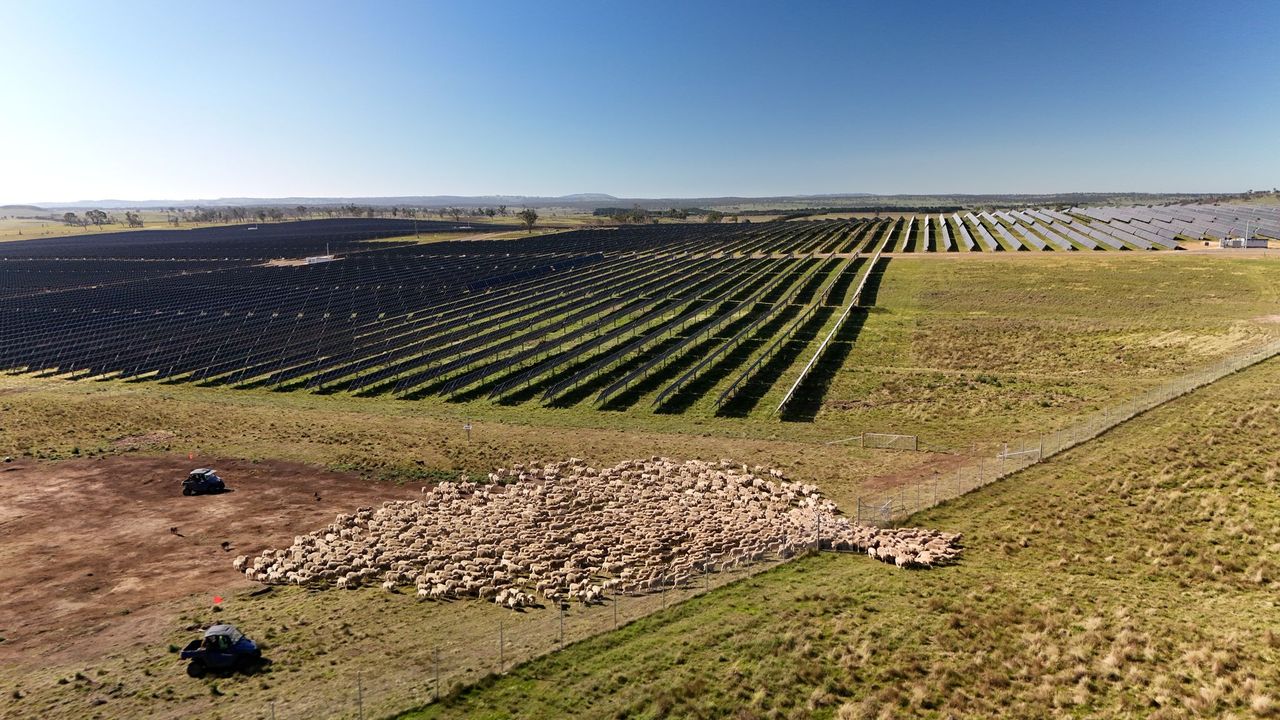
Satellite tech sharpens fire and grazing management at Australian solar farm
Researchers from the CSIRO and Macquarie University are utilizing satellite-based remote sensing and AI to balance fire risk and insurance demands with livestock grazing at one of the largest operating solar farms in Australia.
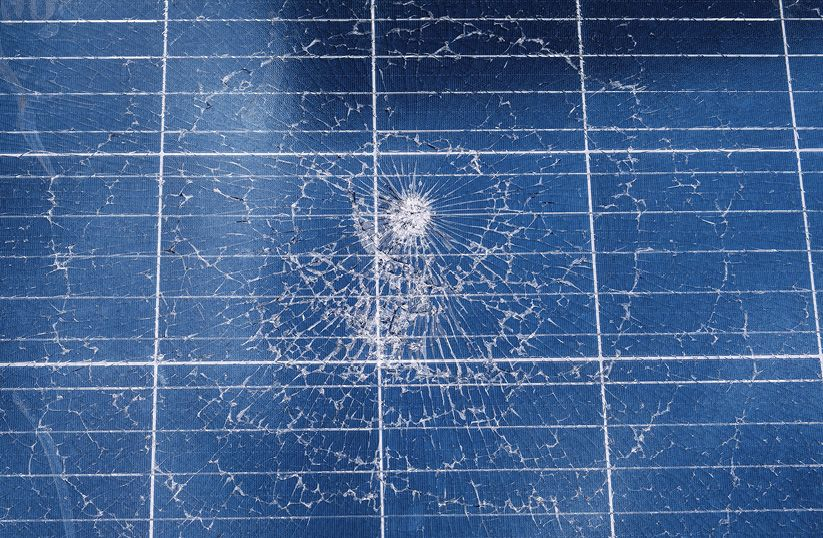

Optimized semi-transparent PV greenhouse design increases energy output by 20.1%
An international research team has developed an optimized semi-transparent PV greenhouse design that increases solar electricity generation by strategically allocating PV surfaces to south-facing roofs and walls. Using an improved optimization algorithm, the design increased annual energy output by 20.1% and outperformed conventional greenhouse geometries by up to 56.86%.
Advertisement
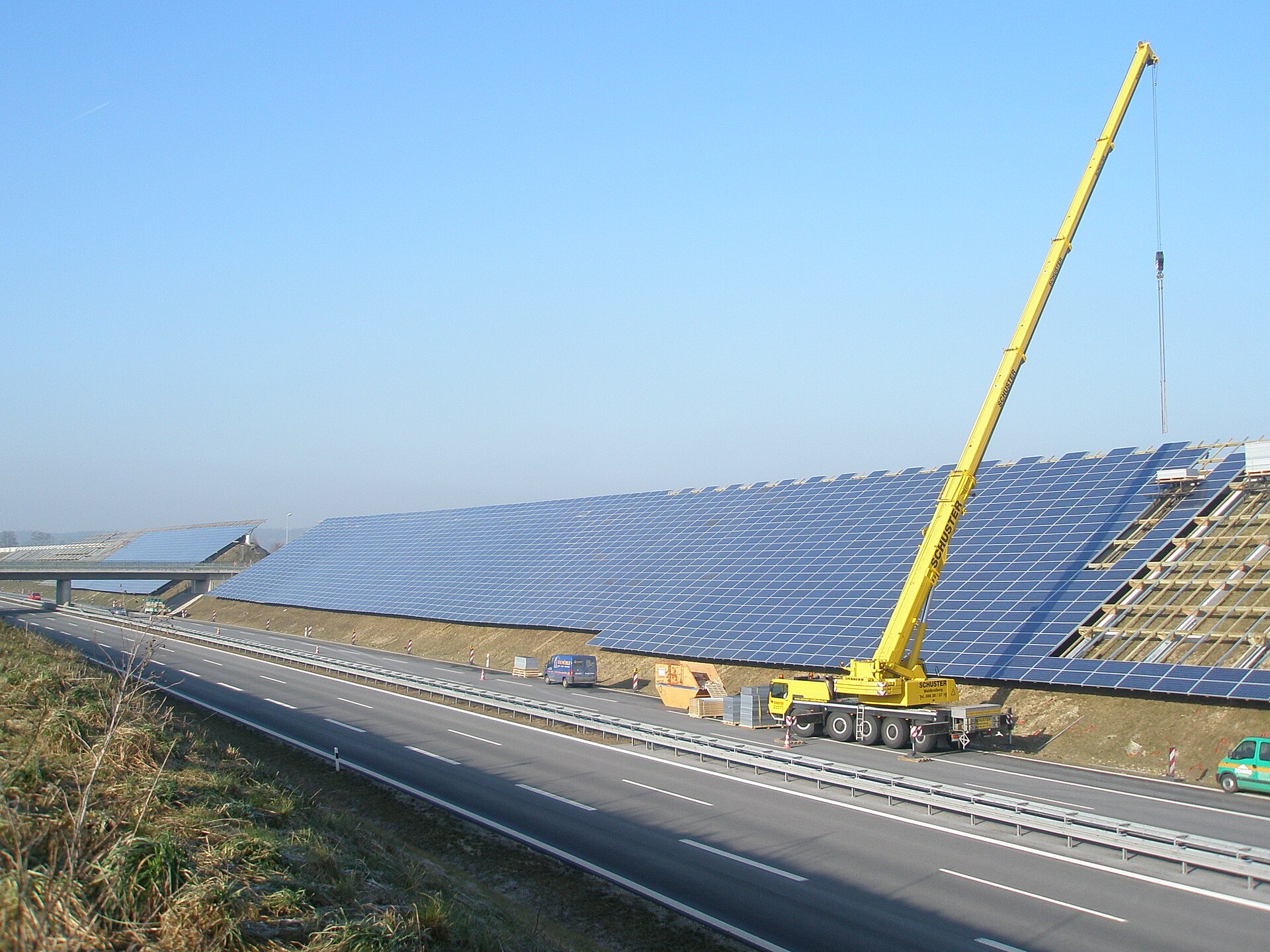

Optimizing PV-driven heat pump operation for homes with poor thermal insulation
Chinese researchers have proposed a near-zero-energy retrofit for traditional homes on the western Sichuan Plateau, combining rooftop PV with an air-source heat pump. The system could meet winter heating needs with 61 m² of PV and achieve a payback period of about 14 years.
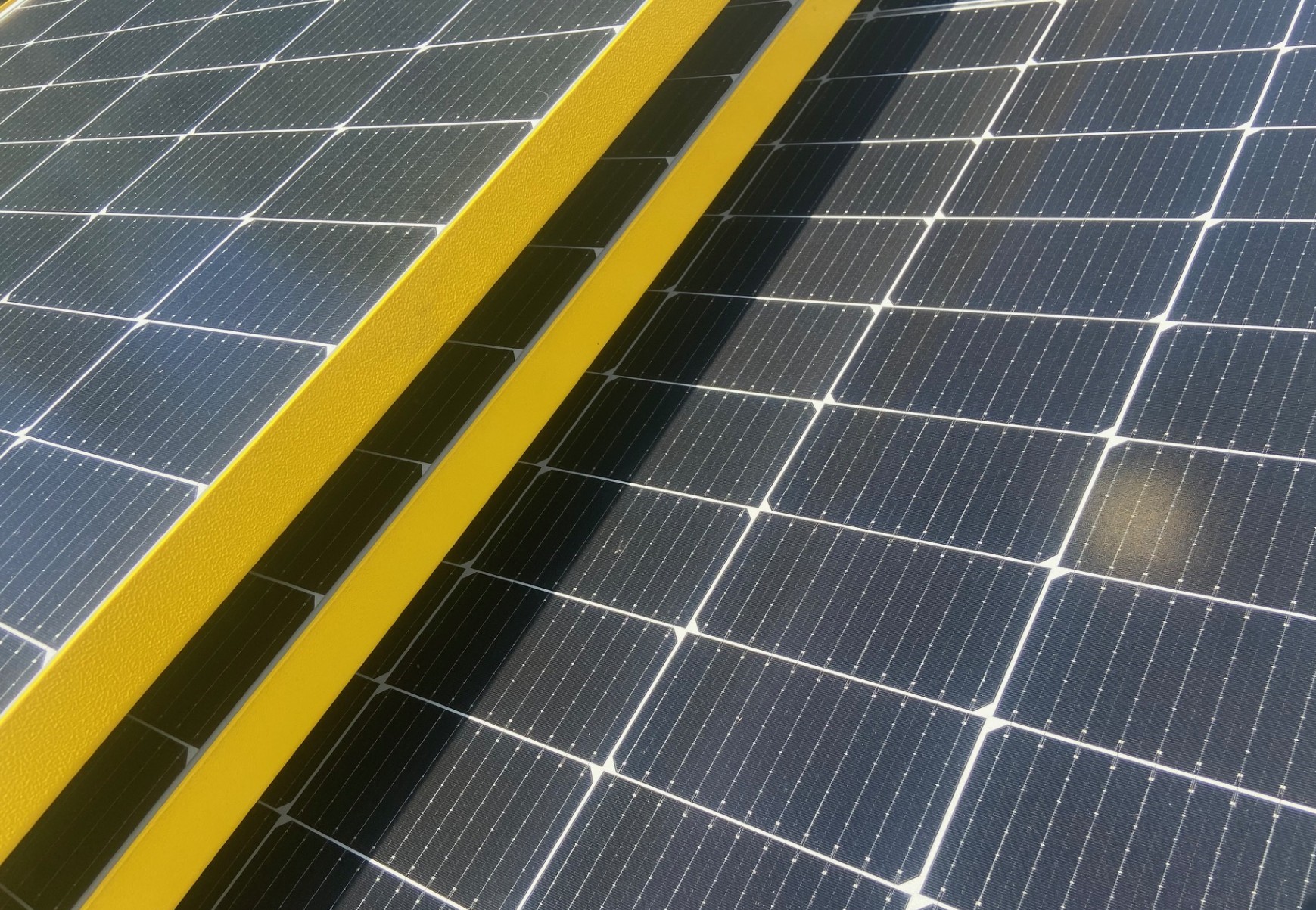
Australia continues heavy investment in solar research
The University of New South Wales has secured AUD 64.8 million ($46.6 million) from ARENA for 12 ultra-low-cost solar research projects, its largest single investment in photovoltaic research. The projects span tandem and perovskite technologies, AI-driven materials discovery and solar farm operations, module durability, advanced manufacturing, and next-generation cell efficiency.
Advertisement
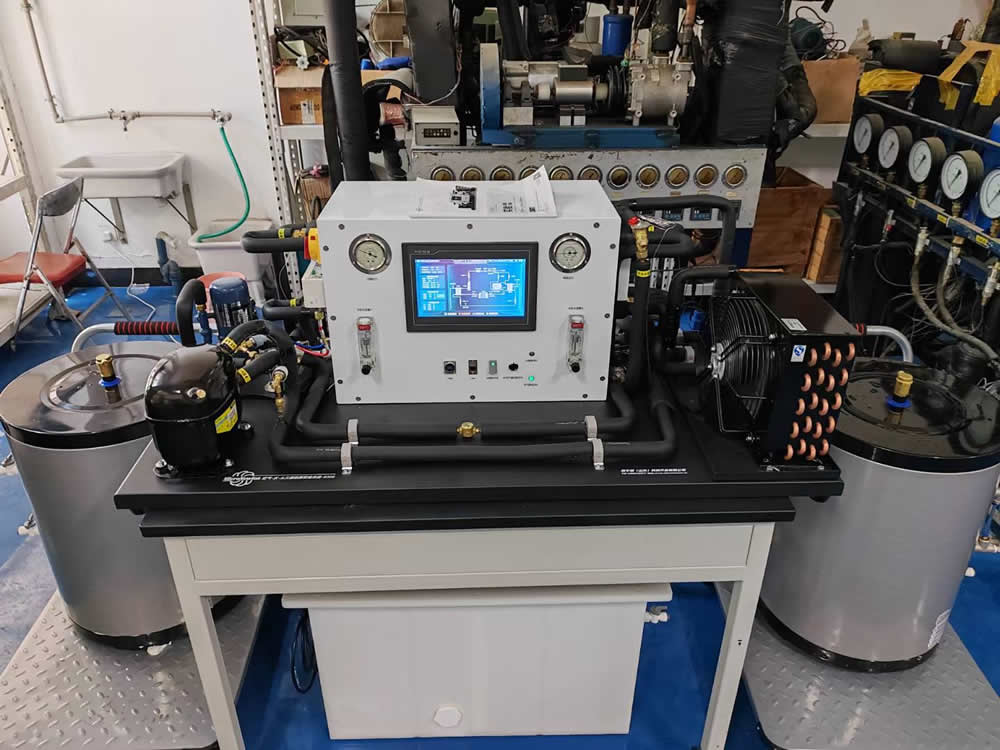
Multi-source heat pump test bench explores coupling with solar, thermal storage
China-based Micronewton has supplied a university laboratory system featuring a water-to-air heat exchanger test bench capable of comparing air-, water- and ground-source heat pump operation. The experimental platform integrates solar generation and thermal energy storage.

Study reveals high-altitude limitations in solar irradiance models
Researchers have identified altitude-dependent discrepancies in models used to estimate direct and diffuse irradiance from GHI data in southern Peru. The findings could help improve PV yield assessments in high-altitude Andean regions.

Delayed inverter startup can reduce a solar plant’s annual energy yield by 1.88%.
Brazilian researchers have developed a method to quantify energy losses caused by delayed PV inverter startup, finding annual losses of 1.88% at a utility-scale solar plant in São Paulo state. More than 55% of the losses occurred within the first 90 minutes after sunrise, with significant variations among individual inverters.
Advertisement
Advertisement