
Seychelles to host 5.8 MW of floating PV
French developer Qair will start building a 5.8 MW floating solar array later this year on a lagoon on the East African nation’s main island. It claims the installation will be the world’s largest floating PV project to be built on saltwater upon completion.
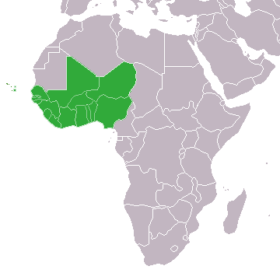
Solar emerging as best bet for West Africa’s future energy mix
The Economic Community of West African States should prioritize the development of solar PV to meet surging energy demand over the next 30 years, according to a newly published study.

South African coal lobby loses court challenge over 2.3 GW of renewables
The country’s top appeals court has dismissed the Coal Transporters Forum’s long-running effort to nullify 2.3 GW of power purchase agreements which financially troubled utility Eskom signed with solar and wind developers in the country’s fourth national tender round years ago.

UN-backed fund to support solar businesses in Burkina Faso
A fund backed by the United Nations and the government of Luxembourg is helping companies to provide small solar PV systems and innovative cooking stoves in the economically challenged West African nation.

Mozambique kicks off minigrid tender
The Mozambican Energy Fund and the Belgian Development Agency have kicked off a tender to facilitate the construction of five solar minigrids to improve rural electricity access in the southern African nation. Prospective developers have until the end of the month to express interest.

Daqo shrugs off Covid-19 fears with positive outlook for 2020
The Chinese polysilicon giant’s net income fell nearly 23% year on year to $29.5 million in fiscal 2019, even though it posted a 16% year-on-year jump in revenue to $350 million. It expects its polysilicon output to soar in the year ahead, despite the threat posed by the coronavirus outbreak.

AfDB provides $200 million to expand Nigerian power sector
The African Development Bank has agreed to invest $200 million to improve electricity access in Nigeria by building minigrids throughout the country.

Taiwan’s URE signs 120 MW glass-glass bifacial module order
United Renewable Energy has signed a memorandum of understanding to supply project developer Ye Heng Power with 120 MW of its solar panels. It plans to start shipping the PV modules in the second half.
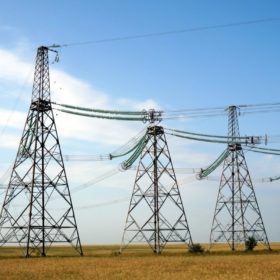
Entso-E targeted in recent cyberattack
The European Network of Transmission System Operators for Electricity said on Monday that unidentified hackers recently targeted its computer networks.
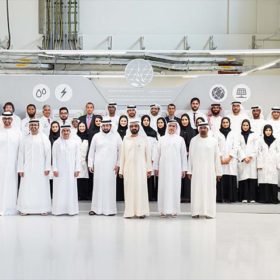
DEWA opens new solar R&D center
The Dubai Electricity and Water Authority’s new research facility at the Mohammed bin Rashid Al Maktoum Solar Park will primarily focus on solar power, energy efficiency, and the integration of smart grids.
