David Carroll

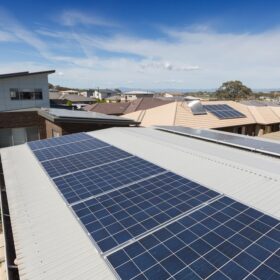
Australia announces community battery rollout
The Australian federal government’s initiative to install 400 community batteries across the nation has reached the Australian Capital Territory, with plans for three new battery energy storage systems.

Renewables hit record levels in Australia as electricity demand rises
A new report by the Australian Energy Market Operator (AEMO) shows the nation’s clean energy transition is gathering pace with renewables, including large-scale and rooftop solar.
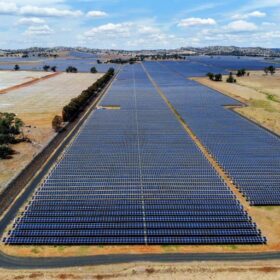
Australia targets 6 GW of new renewables in ‘largest ever’ tender
Australia’s “largest-ever” tender for renewable energy will open in May, with the federal government targeting 6 GW of new solar and wind projects.
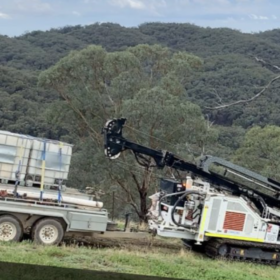
Acen pushes ahead with 9.6 GWh pumped hydro project in Australia
Development of an 800 MW/ 9,600 MWh pumped hydro project in the Central-West Orana Renewable Energy Zone in New South Wales, Australia, is now moving forward, as renewables company Acen Australia has started geological works on site.
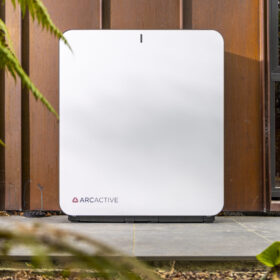
ArcActive targets Australia with ‘re-engineered’ lead-acid battery tech
ArcActive, a New Zealand-based battery tech specialist, plans to set up a factory in Australia within 18 months. It says the facility will be able to produce 30,000 lead acid-based residential energy storage systems per year.
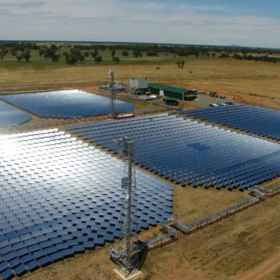
Vast Solar to build 30 MW/288 MWh CSP plant in Australia
Renewables developer Vast Solar has signed a key engineering contract as it pushes toward construction of a 30 MW/288 MWh thermal concentrated solar power (CSP) plant with more than eight hours of energy storage capacity near Port Augusta, South Australia.
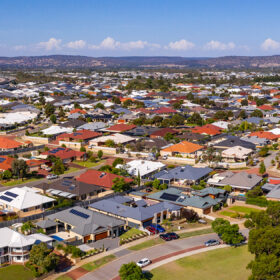
Australian residential buildings hold 48.5 GW of untapped PV potential
Australia has firmly established its status as a global leader in residential solar deployment, with 35% of all homes already equipped with rooftop systems. However, new figures from the University of New South Wales (UNSW) reveal that there are almost 50 GW of “untapped PV potential” on residential buildings across the country.

S-5! unveils new mounting systems for rooftop solar
S-5!, a supplier of mounting systems, plans to release two new mounting components for rooftop PV systems, including a new mount that allows for module-level power electronics to be attached directly to solar panel frames.
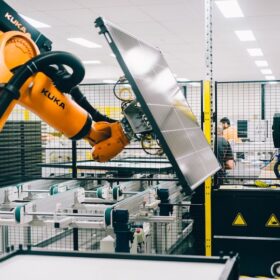
Australia announces new subsidy policy for renewable energy manufacturing
The Australian federal government has unveiled plans for a Future Made in Australia Act, proposing taxpayer-funded incentives to advance renewable energy industries, manufacturing, and infrastructure to stake the nation’s place in the global clean energy race.
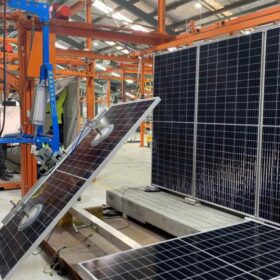
New report tips 60,000 jobs from Australian PV manufacturing industry
Building a domestic solar panel manufacturing industry based on Australian innovation could generate up to 60,000 jobs and help cement the nation’s future as a renewable energy superpower. However, access to capital and focused policies are essential if manufacturers are to reach scale where they can be internationally cost-competitive.
