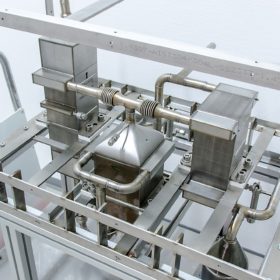
The Hydrogen Stream: New tech to convert hydrogen into methanol for transportation
China presented on Mar. 23 its first long-term plan for hydrogen, targeting production of green hydrogen between 100,000 and 200,000 tonnes per year by 2025, while India and Japan have agreed to expand the scope of their energy collaboration to cover solar power, clean hydrogen, electric vehicles, and battery storage. Furthermore, French gas giant Air Liquide said it want to increase research investments in hydrogen mobility and heavy-duty mobility and German electrolyzer manufacturer Sunfire raised a total of €86 million to expand its manufacturing capacity.
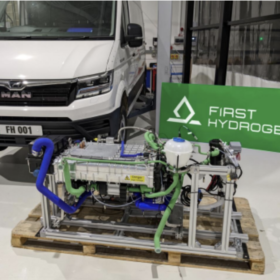
The Hydrogen Stream: New fuel cell electric vehicle from Canada
Elsewhere, the Fraunhofer ISE research institute has unveiled a new tool for high-resolution power-to-X kinetic analysis, and German entities have signed partnership agreements with the Abu Dhabi National Oil Company.

Romania invests in PV cell and panel supply chains
A lack of trained personnel, slow overhaul of PV rules, and a weak electricity grid could slow the emergence of solar as a solution to diminish Romanian dependence on Russian gas. The next two winters will be critical.

The Hydrogen Stream: Hydrogen-powered trains for the German network
Elsewhere, the Danish government announced a plan to deploy up to 6 GW of electrolyzer capacity by 2030 and Germany and Norway agreed to conduct a feasibility study on large-scale hydrogen transport, including via pipeline.
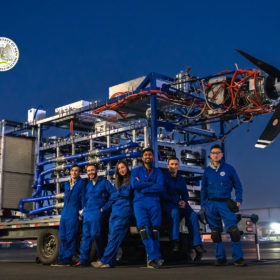
The Hydrogen Stream: Universal Hydrogen builds manufacturing facility in the United States
Elsewhere, Scatec and partners have signed a memorandum of understanding to develop a large scale green ammonia facility in Egypt. Hydrogen developments were also announced in India and the United Kingdom.
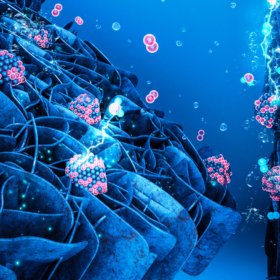
The Hydrogen Stream: Metal foam for low-cost green hydrogen generation
Researchers from Saudi Arabia’s King Abdullah University of Science and Technology have presented the results of a low-cost method of generating carbon-free hydrogen. In other news, Norwegian fuel cell producer Nel ASA said it was ready to increase its electrolyzer production capacity to meet the European Union’s raised ambitions for renewable hydrogen, while oil giant Petronas Eneos announced plans to set up a hydrogen production plant in Indonesia.

Russian invasion of Ukraine weighing on Moldova’s PV sector
The first months of the year pointed to a boom in Moldova’s solar sector, but the war has already started to negatively affect investment decisions.
The Hydrogen Stream: Ukraine invasion raises price of gas-powered grey ammonia
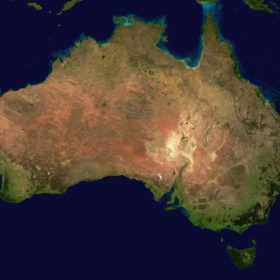
With fears over Europe’s gas supply tightening, the Australian government is forging ahead in the green hydrogen sector by launching tech incubator HyGate and awarding Volt Advisory Group cash to develop a renewable energy microgrid. Australian business Fortescue Future Industries and Europe’s Airbus will work on hydrogen-powered aircraft and Kawasaki Heavy Industries is making strides in transporting hydrogen from the state of Victoria.
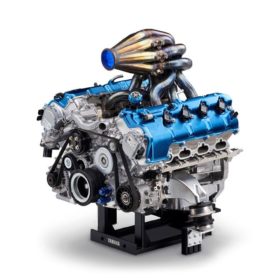
The Hydrogen Stream: Hydrogen-fuelled V8 engine for automobiles from Toyota, Yamaha
In other news, Belgian company Tree Energy Solutions (TES) is accelerating plans to develop the German port of Wilhelmshaven into a “world-scale” hub for importing green gas, and German engineering company MAN Energy Solutions will invest up to €500 million in its hydrogen-focused subsidiary H-TEC Systems.
The Hydrogen Stream: World’s largest electrolyzer fab breaks ground in Australia
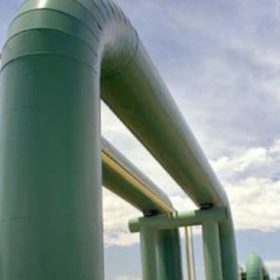
Fortescue Future Industries says the first electrolyzers to be manufactured at the facility, early next year, are earmarked for use in Queensland at FFI’s planned green-hydrogen-to-ammonia project on Gibson Island.
