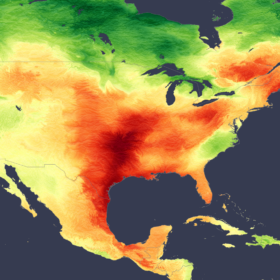
Winter weather splits solar conditions across North America
In a new weekly update for pv magazine, Solcast, a DNV company, reports that destabilized polar circulation in February produced wet and cloudy conditions in some parts of North America, while the central and eastern regions enjoyed elevated irradiance under clearer conditions.
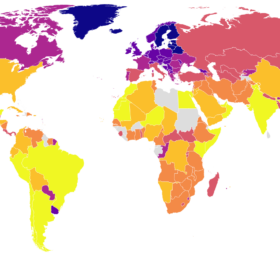
Global solar generation topped 540 GW in April, says Solcast
In a new weekly update for pv magazine, Solcast, a DNV company, reports that the global peak of solar output in 2025 occurred on April 29, at 06:00 UTC, estimated at 539 GW.
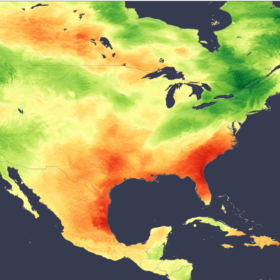
Atmospheric river cuts irradiance across Western North America
In a new weekly update for pv magazine, Solcast, a DNV company, reports that solar irradiance levels were well below average in western and northern United States in November, while southern parts of the country and Mexico enjoyed strong positive anomalies.
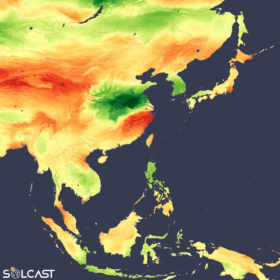
East and Southeast Asia’s solar pattern flips as La Niña develops
In a new weekly update for pv magazine, Solcast, a DNV company, reports that Southern and Western China enjoyed above-average irradiance in September, while eastern parts of the country experienced wetter conditions.
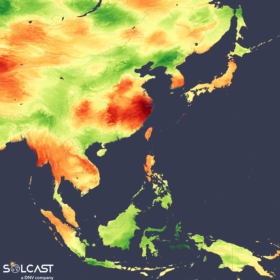
Record heat, rain fail to prevent solar gains across Asia
In a new weekly update for pv magazine, Solcast, a DNV company, reports that Japan, Thailand, South Korea, eastern China and Taiwan all recorded solar irradiance above seasonal norms in August, while Indonesia and Malaysia experienced declines.
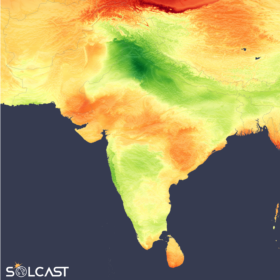
Early monsoon triggers irradiance swings across India in August
In a new weekly update for pv magazine, Solcast, a DNV company, reports that solar irradiance fell by up to 30% in India’s northern regions during the southwest monsoon season, while central areas of the country made solar gains.

Solar production falls in US Midwest, Southeast amid wildfires and hurricanes
In a new weekly update for pv magazine, Solcast, a DNV company, reports that fire and storm activity across North America shaped solar conditions during August, with irradiance down in central and eastern regions but above average in the northeast.

Record cold, dust storms shape complex winter for South American solar
In a new weekly update for pv magazine, Solcast, a DNV company, reports that large parts of South America recorded slight net increases in solar irradiance this winter despite sharp month-to-month contrasts in June and July.
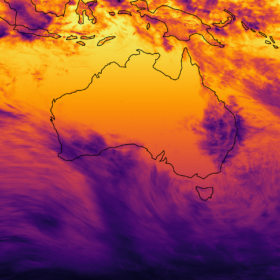
Tasman high drives split winter for Australian solar
In a new weekly update for pv magazine, Solcast, a DNV company, reports that while solar irradiance has been suppressed across eastern Australia this winter, the country’s southern regions have outperformed climatological averages thanks to stable high pressure in the Tasman Sea.
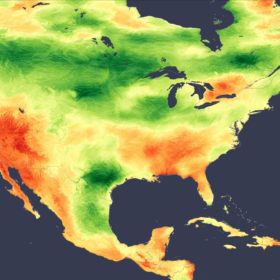
Tropical storms, record heat shape North America’s July solar production
In a new weekly update for pv magazine, Solcast, a DNV company, reports that while southwestern United States enjoyed increased solar irradiance in July, extreme weather events further north complicated solar operations during the holiday season.
