





From pv magazine Germany
Germany’s Destatis has released preliminary data showing that 438.2 TWh of electricity was fed into the country’s grid in 2025, a 1.4% increase from 432.1 TWh in 2024. Renewable energy sources produced 256.9 TWh, slightly below the 257.1 TWh recorded the previous year, reducing the renewable share of grid electricity from 59.5% to 58.6%.
The dataset reflects electricity fed into the public supply grid rather than total electricity consumption. It excludes generation from industrial plants consumed on site, electricity from residential photovoltaic systems used directly in homes, grid losses, and net electricity trade.
Germany’s Working Group on Energy Balances estimates total gross electricity generation at 500.9 TWh in 2025, up from 494.4 TWh in 2024. Gross electricity consumption reached an estimated 517.2 TWh, according to the Center for Solar Energy and Hydrogen Research Baden-Württemberg (ZSW) and the German Association of Energy and Water Industries (BDEW), with renewables accounting for 55.8%.
Electricity generation from fossil fuels increased within the grid feed-in statistics. Output from coal and natural gas rose 3.6% to 181.3 TWh, compared with 175.0 TWh in 2024, increasing their share of generation from 40.5% to 41.4%.
Gas-fired generation recorded the largest increase among fossil sources, rising 10.2% to 70.6 TWh from 64.1 TWh the previous year. Its share of electricity fed into the grid increased from 14.8% to 16.1%.
Coal-fired generation declined slightly to 96.8 TWh from 97.3 TWh, reducing its share from 22.5% to 22.1%.
Wind power remained the largest generation source but declined 3.6% to 131.3 TWh from 136.3 TWh in 2024. Its share of grid electricity fell from 31.5% to 30.0%.
Hydropower recorded the largest decline among renewable sources, falling 22.5% to 15.8 TWh from 20.4 TWh. Biogas generation declined 3.0% to 27.4 TWh from 28.2 TWh.
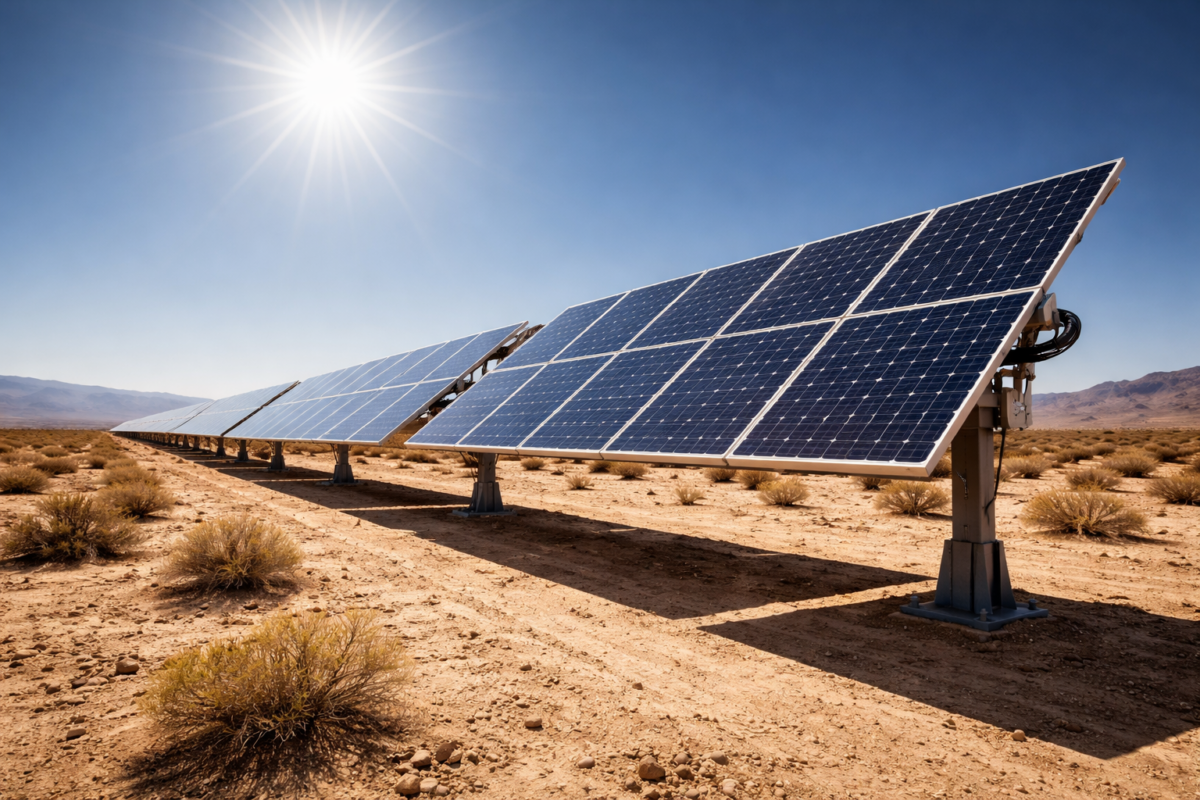
Solar generation reached a record 70.1 TWh in 2025, increasing 17.4% from 59.7 TWh in 2024. Photovoltaics remained the fourth-largest generation source after wind, coal, and natural gas, while the gap between gas and solar shares narrowed to 0.1 percentage points.
Electricity imports declined 2.7% to 79.6 TWh in 2025 from 81.7 TWh the previous year. Exports increased 8.7% to 60.2 TWh from 55.4 TWh, reducing the import surplus from 26.3 TWh to 19.4 TWh.
This content is protected by copyright and may not be reused. If you want to cooperate with us and would like to reuse some of our content, please contact: editors@pv-magazine.com.

By submitting this form you agree to pv magazine using your data for the purposes of publishing your comment.
Your personal data will only be disclosed or otherwise transmitted to third parties for the purposes of spam filtering or if this is necessary for technical maintenance of the website. Any other transfer to third parties will not take place unless this is justified on the basis of applicable data protection regulations or if pv magazine is legally obliged to do so.
You may revoke this consent at any time with effect for the future, in which case your personal data will be deleted immediately. Otherwise, your data will be deleted if pv magazine has processed your request or the purpose of data storage is fulfilled.
Further information on data privacy can be found in our Data Protection Policy.