Marija Maisch

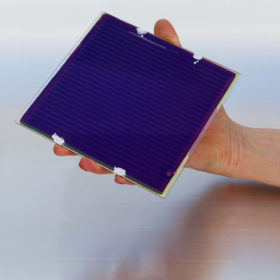
Australia’s Greatcell signs MOU with JinkoSolar
Under a non-exclusive Memorandum of Understanding with JinkoSolar, Greatcell noted it would make available developmental perovskite cells for further evaluation.
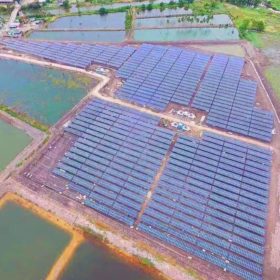
ADB backs Thailand’s major IPP going green
As emerging economies in the ASEAN region search for new ways to access power amid growing demand, the Asian Development Bank (ADB) is looking to encourage development of renewable energy projects. This time, it has spent more than $50 million on shares of Thailand’s B. Grimm Power Public Company, which is looking to diversify its energy generation portfolio.
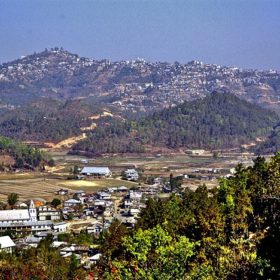
India: State of Mizoram pledges to install 80 MW of solar in 2017
In order to meet its 10.5 % renewable purchase obligation by FY 2021-22, the government of the Indian state of Mizoram has adopted a solar power policy that envisages deployment of 80 MW of solar projects in 2017.

Canadian Solar begins operation on 52.5 MWp of solar plants in Japan
The solar PV giant announced the commercial operation of four solar PV power plants in Japan in the first half of 2017
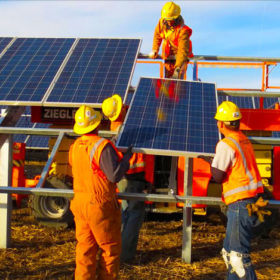
Solar PV tenders top 17.4 GW with Europe out in front, GTM Research finds
As demand is becoming geographically diversified, with strong growth of emerging markets set to make up for slowing demand in East Asia, GTM Research is now tracking 17.4 GW of confirmed solar tenders between Q2 and the end of 2019 across the globe, 9.6 GW of which is expected to be awarded in Q3 2017.
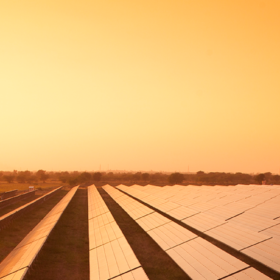
India: TANGEDCO to sign 1.5 GW PPAs at INR 3.47 (~$0.054)/kWh
After its 1.5 GW tender stirred unprecedented interest among developers attracting technical bids of 3.7 GW, the Tamil Nadu utility is now set to sign PPAs at the rate of INR 3.47 (~$0.054)/kWh for a period of 25 years.
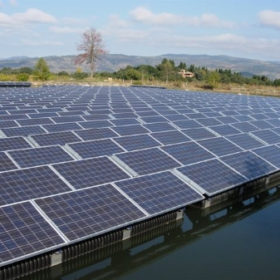
India: GVMC calls for 2 MWp floating PV plant bids
The floating solar PV project will be located at Mudasarlova reservoir in the Indian state of Andhra Pradesh.

InnoEnergy makes funding for innovation available year-round
Although originally opened for two months between February and April, InnoEnergy’s Investment Round for the year 2017 is now accessible all year round to support innovative solutions that may reshape the future of the energy industry.

India’s Rural Electrification Corporation issues $450 million green bond in UK
The 10-year green bond paying a hefty annual yield of 3.965% stirred up strong interest of investors on the London Stock Exchange.
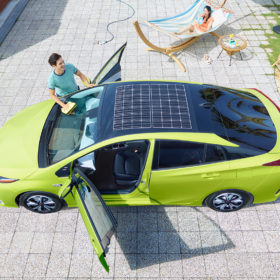
Wind, solar to be cheapest power source in G20 by 2030, Greenpeace study finds
In around half of the G20 countries, renewables have been equal or cheaper in price to electricity generated from coal and nuclear power plants since 2015, and are set to outcompete all other energy sources in the world’s 20 major economies by 2030, finds a new study commissioned by Greenpeace Germany.
