Photocatalytic water splitting with 9.2% solar-to-hydrogen efficiency
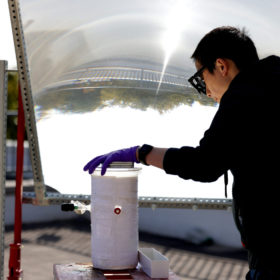
A US research team has developed a new technique to produce hydrogen from sunlight and water. It works in an indoor environment and uses pure water, concentrated solar light, and an indium gallium nitride photocatalyst.
The Hydrogen Stream: Hyundai inches closer to hydrogen engine development
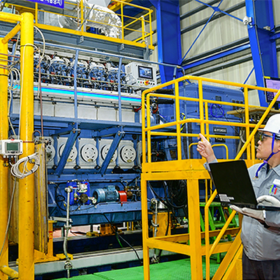
Hyundai Heavy Industries has revealed plans to develop a hybrid engine with more hydrogen by 2023, and a complete hydrogen engine by 2025. Japan, meanwhile, has signed hydrogen-related agreements with Saudi Arabia and Oman.

The Hydrogen Stream: Hydrogen production set for Tasmania
As Australia’s hydrogen project pipeline doubles in 12 months, Iberdrola announces investment in a green hydrogen and green methanol production plant in Tasmania. Meanwhile, projects in Scandinavia target the shipping industry.
The Hydrogen Stream: EODev launches packaged hydrogen generators for land, sea applications
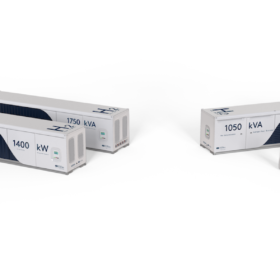
EODev will start delivering hydrogen generators by the end of 2024 to countries in the West and the Middle East, with a focus on regions with public incentive policies. German companies, meanwhile, have agreed to convert a gas pipeline network into a hydrogen pipeline network.
The Hydrogen Stream: US team assesses atmospheric methane risk for hydrogen
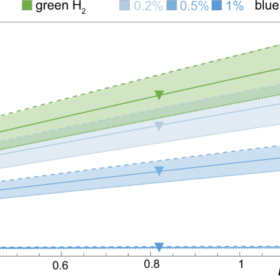
Princeton University researchers have published a study on how the transition to hydrogen-based energy systems would affect the tropospheric burdens of methane and hydrogen, while Provaris Energy said it is moving forward with its compressed H2 carrier.

The Hydrogen Stream: Germany opens Europe’s first green ammonia tender
Germany has announced plans to sign long-term green ammonia purchase agreements, in addition to strengthening its ties with Australia. Repsol and Fusion Fuel, meanwhile, are advancing their hydrogen projects on the Iberian Peninsula.
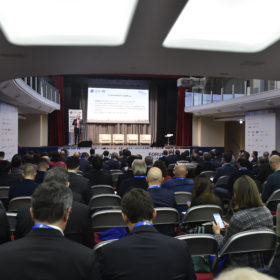
Italy expected to install 12 GW of solar in 2023-24 period
Italy’s solar sector is poised for growth over the next two years, according to participants in the recent Italia Solare Forum in Rome. Analysts say they expect the Italian authorities to issue more permits for PV projects, potentially pushing annual installations to 4 GW in 2023 and 8 GW in 2024.
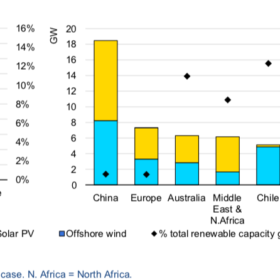
The Hydrogen Stream: Global renewables capacity for hydrogen to surge by 2027, says IEA
The International Energy Agency says that it expects the use of renewables to support global hydrogen production to surge over the next five years. The Netherlands and Denmark, meanwhile, have revealed plans to expand electrolysis capacity.
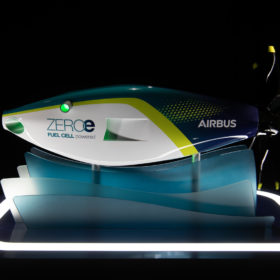
The Hydrogen Stream: Airbus, Honda bet on hydrogen-powered fuel cells
Airbus sees hydrogen-powered fuel cell engines as a potential solution for its zero-emissions aircraft, which will go service by 2035. Meanwhile, Honda, meanwhile, has announced plans to produce fuel cell electric vehicles in the United States from 2024.
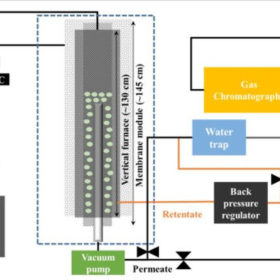
The Hydrogen Stream: Green hydrogen via ammonia decomposition
South Korean scientists have developed a highly selective palladium composite membrane on porous metal supports to cut the ammonia content of the permeated hydrogen stream. Dutch researchers, meanwhile, have presented two alternatives to this strategy – increasing the thickness of the membrane selective layer, or using a purification unit in the permeate of the membranes.
