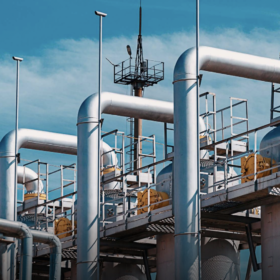
The Hydrogen Stream: International alliances for hydrogen keep proliferating
This week, Russia joined forces with the United Arab Emirates to develop common hydrogen projects and similar moves were made by Chile and South Korea, Japan and Australia, as well as by France and Germany. French President Emmanuel Macron announced €2 billion in new investments.
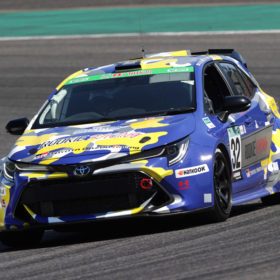
The Hydrogen Stream: Toyota and Kawasaki want to develop hydrogen engine
Kawasaki Heavy Industries and Yamaha Motor revealed plans to develop hydrogen engines for two-wheeled and other vehicles. Meanwhile, France-based Hyvia has announced two new prototypes of hydrogen-powered light commercial vehicles, Germany’s ThyssenKrupp is considering listing its hydrogen business in an initial public offering (IPO), and Potruguese utility EDP said it wants to invest in 1.5 GW of renewable hydrogen by 2030.
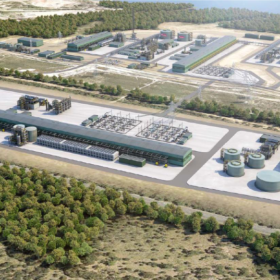
The Hydrogen Stream: Australia takes the spotlight with 1.7 GW project in Tasmania and new tech to produce hydrogen from rooftop PV
Elsewhere, Portugal’s EDP has unveiled plans to deploy 1.5 GW of green hydrogen capacity and, in Spain, several projects have been announced by Fotowatio Renewable Ventures (FRV), Iberdrola, Solaria Energía and Enagás.
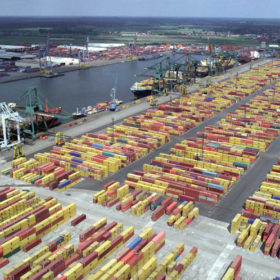
The Hydrogen Stream: Three more ports want to become hydrogen hubs
Antwerp, and Zeebrugge, in Belgium, and Newcastle in Australia all want to speed up green hydrogen development.

The Hydrogen Stream: ZF reactor tech for hydrogen production via steam methane reforming
Big plans for hydrogen development were announced this week in Germany, Namibia, Italy, Spain, Norway, Australia and the United States.
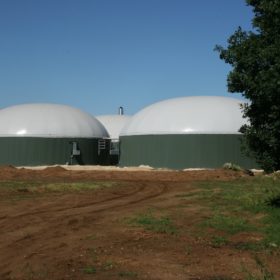
The Hydrogen Stream: The world’s first high-purity hydrogen from biogas
Austrian researchers have demonstrated a chemical looping system can be retrofitted into biogas plants. It is said the new tech can produce high-purity hydrogen for fuel cells on an industrial scale. The scientists concerned said their system could produce hydrogen, on a decentralized basis, for €5/kg.
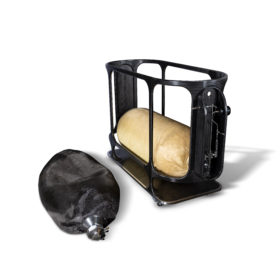
The Hydrogen Stream: Hydrogen-powered heavy-lift unmanned aerial vehicle from Korea
UK research firm Wood Mackenzie reports that Northeast Asia and Europe are expected to become the main hydrogen importers, accounting for 55% of seaborne hydrogen trade, whereas Australia, the Middle East and, possibly, Russia and the U.S. have the greatest export potential. Plug Power and Lhyfe closed a deal to build green hydrogen generation plants throughout Europe.

High module prices make Italy an early victim of supply chain disruption
Sergio Matalucci reports for pv magazine from the Key Energy event in Rimini on how the Italian solar market is currently dealing with the module price hike and the supply change disruption. According to the president of Italian association Italia Solare, difficulties to source modules in the market have intensified over the last four months.
Faster permitting crucial to help Italy add 70 GW of renewables this decade
In a chat with pv magazine at the Key Energy event in Rimini, Roberta Valenziani, of Italian trade body Elettricità Futura, explained the factors preventing Italy’s PV market from having a renaissance. She said the country has Europe’s longest delays and highest costs for obtaining permits for large scale solar.
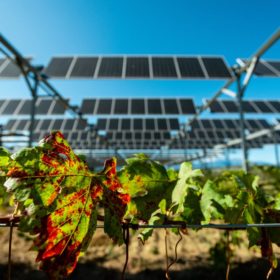
‘Italy can be a laboratory for agrivoltaics’
Efforts are being made to come up with a less convoluted approach to planning farm-based solar systems, in the only EU member state which explicitly apportioned funds for agrivoltaics in its post-Covid spending plans.
