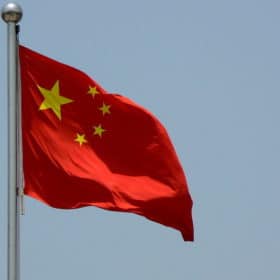
GCL eyeing near-800 MW solar project sell-off to state-owned Three Gorges
The polysilicon maker and solar developer saw its shares suspended from trading this morning after missing the deadline to publish its annual report but has been busy with more planned PV project sales.
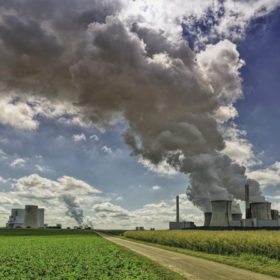
Is China shunning coal in its Belt and Road Initiative?
A leaked letter apparently sent by a diplomatic official states Beijing will no longer consider coal-related investment in Bangladesh, firing speculation that policy could be applied along all of the vast twin trade routes.
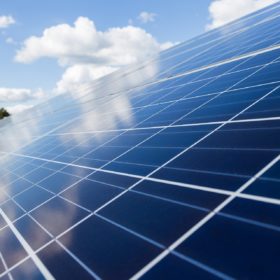
Solar could help Azerbaijan consolidate gains in Nagorno Karabakh after recent conflict
That was just one of the revelations of the latest Dentons’ Guide to renewables investment in Europe, which also noted solar plants could be switched off in Slovakia, Ireland could go either way on clean power pricing, and Luxembourg is struggling with a surprising headache.
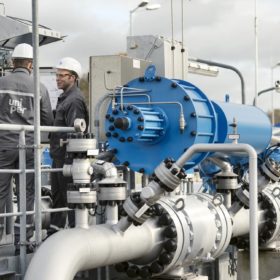
What will African nations require to produce competitive green hydrogen exports?
A robust national strategy, a portfolio of renewable energy assets, public subsidies and, ideally, existing gas pipelines will all favor African nations aiming to become exporters in the energy storage medium, participants heard at a recent two-day green hydrogen conference.
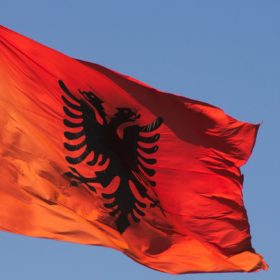
Solar could address Albania’s climate-change-sensitive hydropower dependency
Photovoltaics could offer peak generation at times of the year when the nation needs it most, says IRENA, but plenty will have to be done, including upgrading an aging grid and training an army of installers and building energy auditors.
Shuifa Singyes reports annual results
The bailed-out solar company has seen its fortunes reverse since state-owned Shuifa rode to the rescue but it still has some assets frozen as the result of civil cases.
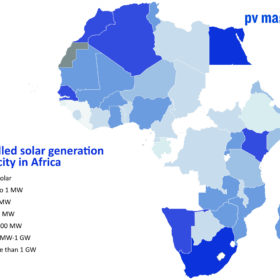
African green hydrogen could feed German and Japanese industry and water drought-stricken nations
Trade bodies the Africa Solar Industry Association and the African Hydrogen Partnership hosted a two-day virtual conference to discuss the role green hydrogen can play in economic growth across the continent–and how it could drive desalination in freshwater-starved coastal countries.
SMA exceeds €1bn in sales for first time since 2012
German inverter manufacturer SMA has managed to shake off the impact of the pandemic by posting strong revenue and profits for 2020.
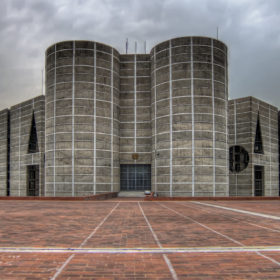
Bangladesh to try again with national clean power policy
Having fallen far short of its ambition to generate 10% of its power from renewables by last year, Dhaka is preparing to reformulate its national clean power target.
Incentives crucial to avoid green, blue, and even purple hydrogen fading to grey
An Anglo-German report has suggested the environmentally-friendly desire to use only clean power to produce hydrogen, outlined by nations such as Germany, could end up being more emissions-heavy than the more pragmatic embrace of blue hydrogen under consideration in the U.K.
