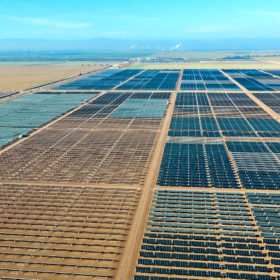
California is closing in on its 2020 renewable energy mandate
The latest report from the California Energy Commission shows that the state is already getting 30% of its power from renewable energy (excluding large hydro) with solar providing more than a third of this.
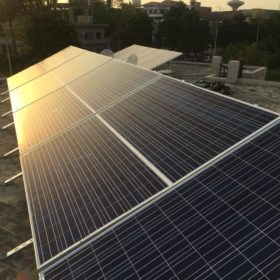
Pakistan updates net metering scheme, unveils clean energy investment program
Pakistan has updated its 2015 net metering scheme to make it more user friendly. The Government of Punjab, meanwhile, has unveiled a new Access to Clean Energy Investment Program, aimed at installing over 20,000 solar PV rooftop systems.
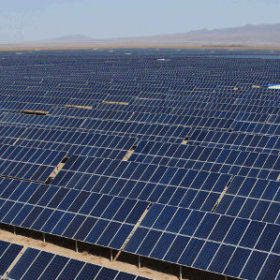
China’s capacity additions approach 50 GW mark in 2017
China’s cumulative solar installations reached approximately 125.8 GW by the end of November, suggesting that PV developers completed nearly 50 GW of capacity in the first 11 months of 2017, according to new government statistics.
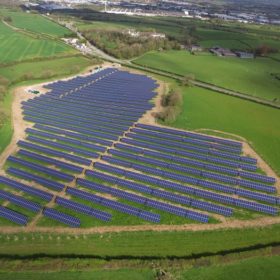
Greenest year ever for UK as renewables outstrip coal by three-to-one
Analysis of the U.K.’s energy figures for 2017 show that renewables provided more power than coal on 315 days of the year, with solar a dominant player throughout the summer months.
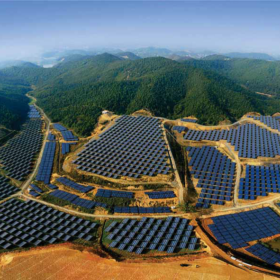
2017: The PV year in review
Trade cases, insolvencies, record-breaking low auction prices, China’s eye watering installation rates – all this and more characterized the 2017 solar PV industry. pv magazine reflects on the biggest stories, trends and developments of the past year; and summarizes what the industry can expect in 2018.
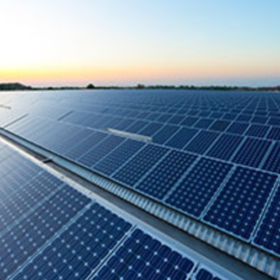
China sets lower solar FIT rates for 2018
The Chinese government has revealed its new feed-in tariffs (FIT) for different types of PV projects, with rates set to fall by as much as 15% from the start of January.
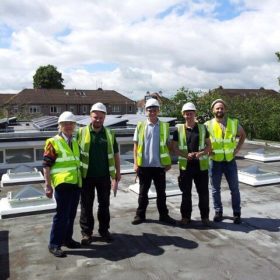
Scotland’s first energy strategy draws mixed feelings from solar industry
While solar has been recognized in Scotland’s first energy strategy, which aims to supply half of the country’s energy needs from renewables by 2030, criticism has been aimed at the lack of concrete policy frameworks for solar, an energy source that could add 6 GW capacity in the next 12 years.

Tremendous demand: An interview with First Solar CEO Mark Widmar
In this interview Mark Widmar talks about the market for PV modules and his company’s supply situation, First Solar’s position in the Section 201 case, and the role he sees for solar in the future of energy.
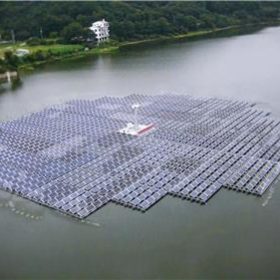
Solar installations to soar under new South Korean energy plan
South Korea’s total installed renewables capacity will spike to 58.5 GW by 2030, from just 11.3 GW at present, under a new energy plan that prioritizes solar and wind development over nuclear generation.
China to tackle curtailment with new PV monitoring system
China’s National Energy Administration (NEA) has revealed plans to monitor and evaluate PV projects to help channel investment into parts of the country where solar curtailment is less of a problem.
