
Solar-to-X could redefine Iran’s energy future
Iran is widely known for its oil and gas resources, but its strongest long-term energy asset may be the sun. New research shows how solar PV could drive a cost-competitive transition across power, heat, transport, industry, and desalination, while opening the door to a broader Solar-to-X Economy.

Grid-forming BESS set to stabilize Australia’s hyperscale data centers
Australia has become one of the world’s most attractive destinations for hyperscale data centers, ranking among the top five to 10 markets globally by capacity. Drivers include large land availability in Renewable Energy Zones, renewable penetration exceeding 40% across the National Electricity Market (NEM), geopolitical stability, Five Eyes membership, and proximity to Asia-Pacific demand hubs.

Lessons from the solar frontier
Utility-scale solar projects are larger, interconnections are slower, and engineering decisions must anticipate regulation and supply chains years in advance. At the CT Solar Platform in Snyder, Texas – a 1.6 GW AC single-site development – the first phase, CT Solar One (110 MW AC), has served as a test bed for integrating civil design, BOS optimization and domestic-content strategy. Levona Renewables led the development and engineering of the project, and CEO Fernando Queiroz shares key lessons.

‘Even when I sensed bias, I focused on doing my job’
This week Women in Solar+ Europe gives voice to Sabina Blitek, General Counsel at Netherlands’ R.Power Renewables. She says women in male-dominated industries, like energy and finance, can overcome bias by consistently demonstrating competence, believing in their own potential, and leading by example.
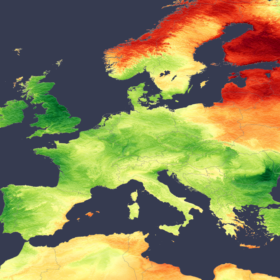
Cold, clear skies boost northeastern Europe’s solar while storms dim the west
In a new weekly update for pv magazine, Solcast, a DNV company, reports that February saw a sharp divide in Europe’s solar conditions. Northeastern regions experienced clear, cold weather with irradiance 20% above average, while western and southern Europe endured persistent storms and widespread irradiance deficits.
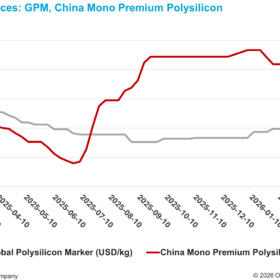
China polysilicon prices fall over 13% year-to-date as below-cost selling persists
In a new weekly update for pv magazine, OPIS, a Dow Jones company, provides a quick look at the main price trends in the global PV industry.
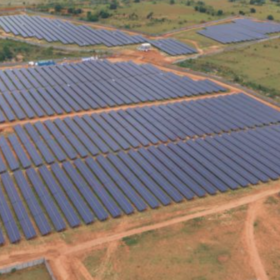
Open access solar set to drive next phase of India’s C&I growth
As India’s renewable ecosystem matures, open access solar is set to become a cornerstone of corporate energy strategy – delivering both cost savings and sustainability gains. Policy clarity, stronger transmission infrastructure, and incentives for storage integration will be key to unlocking the next phase of growth.

Heat pumps are transforming domestic hot water production – How to avoid hygiene risks?
Heat pumps are increasingly used for domestic hot water in Europe due to their efficiency and compatibility with solar power, but their lower operating temperatures can create conditions where Legionella pneumophila may grow if systems are poorly designed. Proper hydraulic design, temperature control, and periodic thermal disinfection ensure both high efficiency and safe, hygienic operation.

Graphene could improve durability of perovskite solar cells
Nearly 20 years after the first perovskite solar cell was developed, its efficiency and durability are drawing interest from industries worldwide. The defense sector is among the most active, as rising geopolitical tensions drive record government spending to protect critical systems from disruption and attack.

Africa’s next growth frontier: Why agrivoltaics are worth the long-term bet
Africa has abundant sunlight, arable land, and innovative farmers, and agrivoltaics offers a long-term strategy to boost food security, climate resilience, and energy access simultaneously. Success depends on coordinated policy, inclusive community engagement, and patient, innovative finance to build a viable, scalable market.
