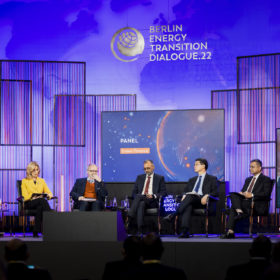
Berlin Energy Transition Dialogue – global challenges and the role of renewables
The second day of the Berlin Energy Transition Dialogue was dominated by the role of renewables in facing three world crises: climate change, the Covid-19 pandemic, and the war in Ukraine.
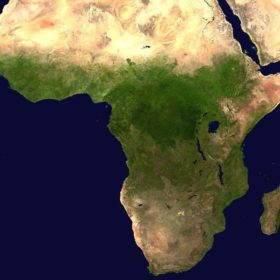
‘African countries must unite to establish a green hydrogen economy’
Only by working together can African nations overcome the obstacles to exploiting their abundant renewables resources and producing affordable green hydrogen – for use at home and in a European economy keen to wean itself off Russian gas, an online event has been told.

World will need 5.2TW of solar this decade to avoid climate breakdown
The International Renewable Energy Agency’s latest global outlook has spelled out just how ‘woefully’ far the world is from capping temperature rises at 1.5C, and lamented: ‘The stimulus and recovery efforts associated with the pandemic have also proved a missed opportunity.’
African Development Bank offers local-currency credit to Nigeria’s clean power developers
Lack of locally-denominated finance, and of sufficiently long-term loans, are well established hurdles to the development of photovoltaics in Africa.
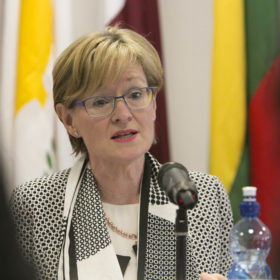
Commissioner experiences anger of MEPs at definition of gas and nuclear as sustainable
Members of the European Parliament accused Mairead McGuinness and the EU executive of insulting their institution by reversing their vote not to include nuclear in the sustainable investment taxonomy. The commissioner said the divisive energy sources will be needed to keep the lights on.
GCL shifts emphasis to green hydrogen as gas supply deal falls through
Previously announced plans by the solar developer to pay a deposit to secure gas from a connected business expired on Friday and the company has now said it will focus on a form of the energy carrier powered by renewables.
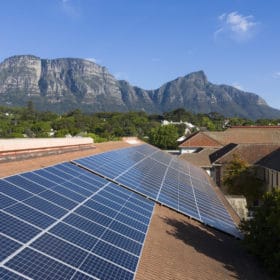
World Bank notes potential for 210,000 mini-grids this decade
The international development entity has already invested $1 billion in local, off-grid electricity networks over the last decade – and attracted a further $1.1 billion in matched funding – and has predicted mini-grids could supply electricity to 490 million people by 2030.
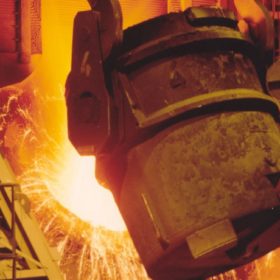
Investment cycle means race is on to incentivize green hydrogen
A report published by Irena hints the world’s politicians will have to get to work immediately to avoid another generation of fossil fuel-fired hydrogen, ammonia, and methanol plants being set up to run into the second half of the century.
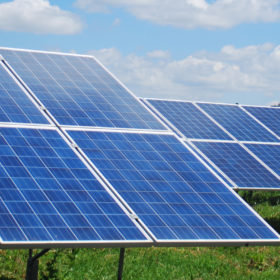
Telecoms business signs Bulgaria’s ‘first sleeved solar power deal’
The clean power to be generated by Sofia-based developer Renalfa will be matched to the consumption profile of customer A1 Bulgaria by a subsidiary, utility business unit of the renewables company.

European battery manufacturers unhappy with eco-design and recycling proposals
Industry body Recharge says it would be absurd if the makers of small batteries were required by law to collect and recycle products the size of shipping containers, and claim a requirement individual battery cells be replaceable will pose a safety risk.
