
Germany waits on solar package
As the decline in solar panel prices looks set to stop soon, and conflicts in the Middle East drive up shipping costs, German installers could do with a shot in the arm from a delayed solar package in the Bundestag, writes Martin Schachinger, of pvXchange.
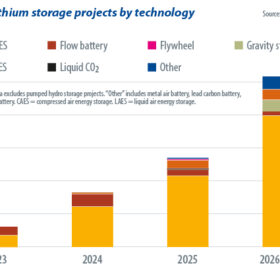
Can anything topple lithium-ion?
The need for long-duration energy storage in a net-zero world is undeniable but with conventional battery prices tumbling, can anything dislodge the mainstream grip of lithium ion? S&P Global’s Susan Taylor provides an update on non-lithium storage technologies.
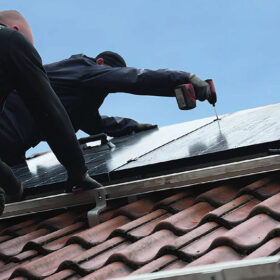
One for all, one for one
Contrary to expectations, module prices fell again in March 2024. For mainstream modules, that may be down to high inventory levels in Europe but there can be no rational explanation for ever-cheaper tunnel oxide passivated contact (TOPCon), heterojunction (HJT), or back-contact products, argues Martin Schachinger.
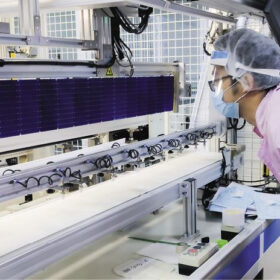
Price collapse protects China’s lead
With solar module oversupply triggering a price freefall in 2023 and no recovery in sight, market consolidation, inventory pile-up, technology shifts, and challenges to reshoring PV manufacturing are set to affect all levels of the solar supply chain.
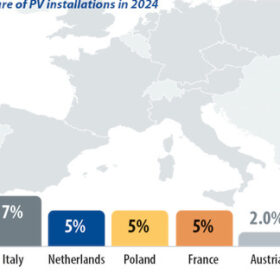
The road to 100 GW
Opportunities and challenges abound in the European PV market, according to Susanne von Aichberger, senior clean energy analyst at S&P Global Commodity Insights. Despite continuing oversupply issues, changes in policy direction, and grid connection headaches, Europe is on course to higher annual capacity installations in 2024 and beyond.
Tracking changes
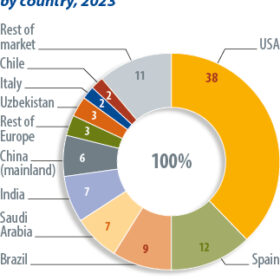
Shipment volumes are growing in the global solar tracker market as innovation in project development drives demand. Joe Steveni, of S&P Global Commodity Insights, takes a look at the factors shaping the commercial landscape for trackers, from agrivoltaics and undulating terrain to Indian ambition and the US Inflation Reduction Act (IRA).

The shifting sands of PV module supply
Chinese solar manufacturing capacity faces a downturn that is unlikely to translate into growth in other regions, writes S&P’s Edurne Zoco.

The US is building a solar trade wall
Chinese companies with Southeast Asian production lines have taken advantage of the production costs and trade restrictions that make US panels more costly. However, shifting trade disputes are putting price advantages under the spotlight, writes InfoLink analyst Jonathan Chou.
India’s PV production push
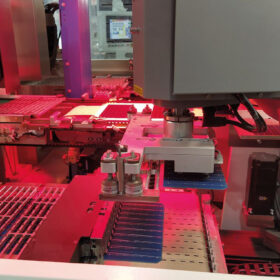
India is emerging as a key player in solar manufacturing, focusing on enhancing domestic capacity to meet ambitious solar targets driven by energy security concerns, environmental sustainability aims, and economic growth goals.

BESS are becoming more attractive
As battery energy storage system (BESS) costs plunge, energy price volatility is shortening payback times for storage solutions. This shift, driven by a surge in intermittently-generating renewables, and ongoing innovations in battery manufacturing, marks a pivotal moment for energy markets worldwide.
